How Long to See Results From Working Out? Causes, Explanations, and Next Steps

Early changes such as improved mood, energy, coordination, and exercise tolerance can appear within days to weeks. Strength gains commonly become noticeable within several weeks, partly because the nervous system becomes more efficient at activating muscles.
Key Takeaways
- Early changes such as improved mood, energy, coordination, and exercise tolerance can appear within days to weeks.
- Strength gains commonly become noticeable within several weeks, partly because the nervous system becomes more efficient at activating muscles.
- Visible changes in muscle size, body shape, or fat loss usually require consistent training and supportive eating habits over months.
- Plateaus are common and do not necessarily mean that exercise is ineffective.
- Persistent fatigue, chest symptoms, fainting, severe pain, or unexplained weight change should be assessed by a healthcare professional.
How long to see results from working out depends on the goal, starting fitness level, training plan, nutrition, sleep, and consistency. Feeling stronger or more energetic may happen within a few weeks, while visible body-composition changes often take several months of regular activity.
How quickly can workout results appear?
For most people, working out is beneficial even before changes become visible. It is common to notice better mood, sleep, energy, balance, or ability to complete everyday activities within the first few weeks of becoming more active. These early improvements can be meaningful signs that the body is adapting.
How long to see results from working out depends on what “results” means to the individual. Improved fitness and strength may be felt in roughly two to eight weeks, depending on the starting point and training routine. Changes in weight, waist measurement, muscle definition, or overall body shape usually develop more gradually and may take several months of steady effort.
Progress is rarely perfectly linear. Day-to-day body weight can change because of fluid balance, digestion, menstrual cycles, salt intake, and glycogen stored in muscles. Looking at trends over several weeks, along with strength, endurance, clothing fit, and wellbeing, gives a more complete picture than relying on one measurement.
What changes first: fitness, strength, or appearance?
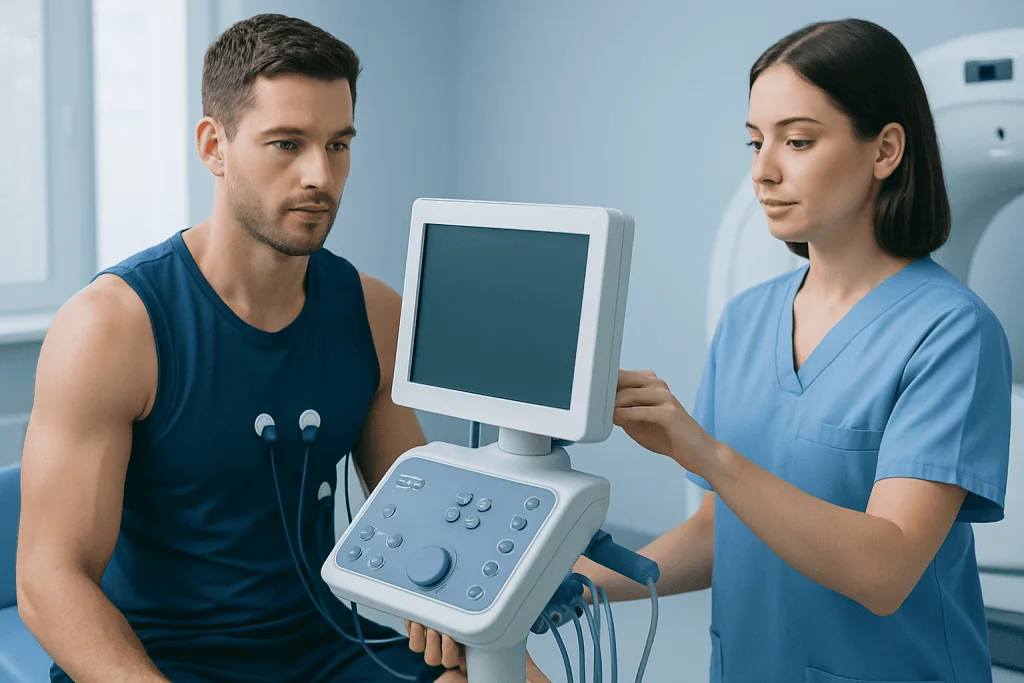
Cardiorespiratory fitness often improves relatively early. Walking, cycling, swimming, or climbing stairs may begin to feel easier as the heart, lungs, blood vessels, and muscles become more efficient. A person may recover their breath more quickly after activity or be able to exercise longer at the same effort level.
Strength can also improve before muscles visibly grow. In the early weeks of resistance training, the brain and nervous system become better at coordinating movement and activating available muscle fibers. This can allow someone to lift more weight, complete more repetitions, or perform daily tasks more comfortably even when their appearance has not changed.
Visible muscle growth generally takes longer because it depends on repeated training stimulus, adequate recovery, and sufficient nutrition. Fat loss is similarly variable. A calorie deficit is usually needed for weight loss, but preserving muscle through resistance training, adequate protein intake, and gradual changes can support healthier body composition.
- Days to weeks: improved mood, sleep, exercise familiarity, and movement confidence.
- Several weeks: better endurance, strength, and tolerance for daily activity.
- Months: more noticeable changes in muscle size, body composition, and long-term fitness.
Why results vary from person to person

Starting fitness level is one of the main influences on progress. A person who is new to exercise may notice rapid early gains in strength or endurance, while someone who already trains regularly may need more structured progression to continue improving. Age, genetics, medical conditions, medications, hormone changes, and past injuries can also affect the pace of adaptation.
The training plan matters as much as effort. Workouts should match the intended goal: aerobic activity can improve cardiovascular fitness, resistance exercises help develop strength and muscle, and mobility work may support comfort and function. Gradually increasing challenge, sometimes called progressive overload, is usually more effective than repeating the same workout indefinitely.
Recovery is another essential part of progress. Muscles adapt between sessions, not only during them. Regular sleep, rest days, hydration, and balanced meals help support training. Very frequent high-intensity exercise without enough recovery may contribute to persistent soreness, fatigue, declining performance, or injury.
Nutrition does not need to be extreme to be helpful. Regular meals that include protein-rich foods, fiber-rich carbohydrates, healthy fats, fruits, and vegetables can support energy and recovery. Restrictive dieting may make workouts harder to sustain and can increase the risk of inadequate nutrient intake.
Why the scale may not reflect workout progress
Body weight is only one measurement and does not directly show changes in fitness or body composition. When a person begins resistance training, muscle glycogen and associated water storage can increase. This may temporarily keep weight stable or raise it slightly, even while strength and health-related habits are improving.
Muscle tissue and fat tissue differ in function and distribution, so a person may notice looser clothing, improved posture, or a smaller waist without a large change on the scale. Tracking waist or hip measurements, taking periodic progress photographs under similar conditions, recording workouts, and noting energy levels can provide useful additional information.
Weight loss also becomes slower over time for many people. As body size changes, energy needs may change as well. A plateau can be a normal part of the process and may be addressed by reviewing consistency, portion sizes, activity levels, sleep, stress, and whether the current plan remains realistic.
Sudden or unintentional weight loss should not be assumed to be a workout effect. If it occurs without a clear change in eating or activity, a clinician can help identify possible causes, including diabetes or other medical conditions.
How to support safe, sustainable progress
A sustainable routine is usually more valuable than an intense routine that cannot be maintained. Adults can build activity gradually by combining aerobic movement with muscle-strengthening exercises. Starting with manageable sessions and increasing duration, resistance, or frequency over time helps reduce the risk of overuse injuries.
For strength goals, focus on good technique and train major muscle groups regularly, allowing adequate recovery between challenging sessions. For endurance goals, increase total weekly activity gradually. A qualified exercise professional, physiotherapist, or clinician may be especially helpful for people returning to activity after injury, surgery, pregnancy, or a long period of inactivity.
Setting performance-based goals can make progress easier to recognize. Examples include walking farther without stopping, doing more controlled chair stands, improving balance, or completing a familiar workout with less effort. These goals are often more stable and motivating than expecting rapid visual changes.
If joint pain, recurrent injury, or movement limitations interfere with activity, a clinician may recommend assessment and physical therapy and rehabilitation to support a safer return to exercise.
When to seek medical care
Most delayed or modest workout results are not a sign of illness. However, medical review is important when exercise causes symptoms that are unusual, severe, persistent, or worsening. Stop exercising and seek urgent care for chest pressure or pain, severe shortness of breath, fainting, a racing or irregular heartbeat with dizziness, or symptoms suggestive of a serious injury.
A non-urgent appointment is appropriate for ongoing exhaustion that does not improve with rest, unexplained weight loss or gain, repeated dizziness, persistent muscle weakness, new swelling, significant joint pain, or exercise intolerance that seems out of proportion to the activity. People with known heart, lung, metabolic, or musculoskeletal conditions should ask a doctor how to exercise safely.
A doctor may review symptoms, medical history, medications, sleep, nutrition, menstrual history where relevant, and the exercise routine. Depending on the concern, assessment may include a physical examination, blood pressure check, heart or lung evaluation, and selected blood tests such as those used to assess anemia, thyroid function, blood sugar, or nutritional status. Further testing is guided by the individual findings rather than routine for everyone.
Acibadem International’s multidisciplinary specialists and JCI-accredited hospitals can assess exercise-related symptoms and support individualized care for international patients when medical evaluation is needed.
Frequently asked questions
How long does it take to see results from working out?
Many people feel improvements in energy, mood, coordination, or exercise tolerance within a few weeks. Strength often improves over several weeks, while visible changes in body composition commonly take a few months of consistent exercise, recovery, and supportive nutrition.
Why am I working out but not losing weight?
Exercise can improve health and body composition without immediately lowering body weight. Water retention, muscle glycogen storage, calorie intake, sleep, stress, and normal hormonal changes can all affect the scale. Tracking longer-term trends and other measures of progress can be more informative.
Can muscles get stronger before they look bigger?
Yes. Early strength gains often come from improved nervous system coordination and better movement technique. Muscle size may change later, especially with regular resistance training, adequate recovery, and enough dietary protein and overall energy.
How many times a week should a beginner work out?
The most appropriate starting point varies, but a manageable routine performed consistently is usually best. Many beginners start with a mix of regular moderate aerobic activity and muscle-strengthening exercise on separate days, increasing gradually as comfort and fitness improve.
Is it normal to hit a workout plateau?
Yes, plateaus are common as the body adapts to a routine. Reviewing the training challenge, recovery, sleep, nutrition, and consistency may help. A healthcare professional or qualified exercise professional can offer guidance when progress remains difficult or symptoms are present.
Should I exercise if I am very sore?
Mild muscle soreness after a new or harder workout is common and often improves with gentle movement and rest. Severe pain, swelling, weakness, loss of function, or pain that does not improve should be assessed by a healthcare professional before continuing the same activity.
This article is for general information only and is not a substitute for professional medical advice. Please consult a qualified doctor about your individual situation.
Explore treatments in Turkey — costs, top hospitals & a free quote
JCI-accredited · board-certified surgeons · reply within 24h
Add us as a Preferred Source to see more of our trusted health content across Google Search, AI Overviews and Discover.
Check your numbers in seconds
BMI, calories, due date, blood pressure and 30+ more clinical calculators — free, instant, doctor-reviewed ranges.

More from the Health Library

Dulcolax vs Miralax: Key Differences and How Doctors Tell Them Apart

Coke Zero vs Diet Coke: Key Differences and How Doctors Tell Them Apart

Dissociative Amnesia Symptoms: Common Causes, Related Conditions, and When to See a Doctor

Can You Live Without a Pancreas? A Doctor-Reviewed Answer

How Long Does Propranolol Last? Here Is What the Evidence Says