How Much Biotin to Take Daily for Hair Growth? A Doctor-Reviewed Answer

Most adults need about 30 mcg of biotin daily; this amount is generally available from food. High-dose biotin supplements have not been shown to improve hair growth in people who do not have biotin deficiency.
Key Takeaways
- Most adults need about 30 mcg of biotin daily; this amount is generally available from food.
- High-dose biotin supplements have not been shown to improve hair growth in people who do not have biotin deficiency.
- Biotin deficiency is uncommon but may contribute to hair thinning alongside skin or nail changes in certain circumstances.
- Large biotin doses can interfere with important blood tests, including some thyroid and heart-related tests.
- Persistent shedding, patchy hair loss, scalp symptoms, or hair loss with other health changes deserves medical review.
For most adults without a biotin deficiency, taking extra biotin is unlikely to meaningfully improve hair growth. The usual adequate intake is 30 micrograms (mcg) per day for adults, which can usually be obtained through a balanced diet; new, sudden, or patchy hair loss should be medically assessed rather than treated with high-dose supplements alone.
The doctor-reviewed answer: how much biotin is needed?
For adults, the adequate intake of biotin is 30 micrograms (mcg) a day. This is the amount considered sufficient for normal body functions in most healthy adults, not a proven treatment dose for hair growth. During breastfeeding, the adequate intake is 35 mcg daily. Many people meet these needs through ordinary foods such as eggs, fish, meat, legumes, nuts, seeds, and whole grains.
When asking how much biotin to take daily for hair growth, it is helpful to know that extra biotin is usually harmless at modest amounts but often unnecessary. Biotin supplements may help if hair changes are linked to a genuine deficiency, but evidence does not show that high-dose biotin reliably makes hair grow faster or thicker in people with normal biotin levels. Hair shedding is common and often temporary, but the cause matters more than the supplement dose.
Products marketed for hair may contain thousands of micrograms or even milligram-level doses, far above daily nutritional needs. A person should not assume that a larger dose will work better. Before starting a high-dose supplement, it is sensible to discuss it with a doctor or pharmacist, especially if blood tests are planned or if the person takes regular medicines.
What biotin does for hair and why deficiency is uncommon
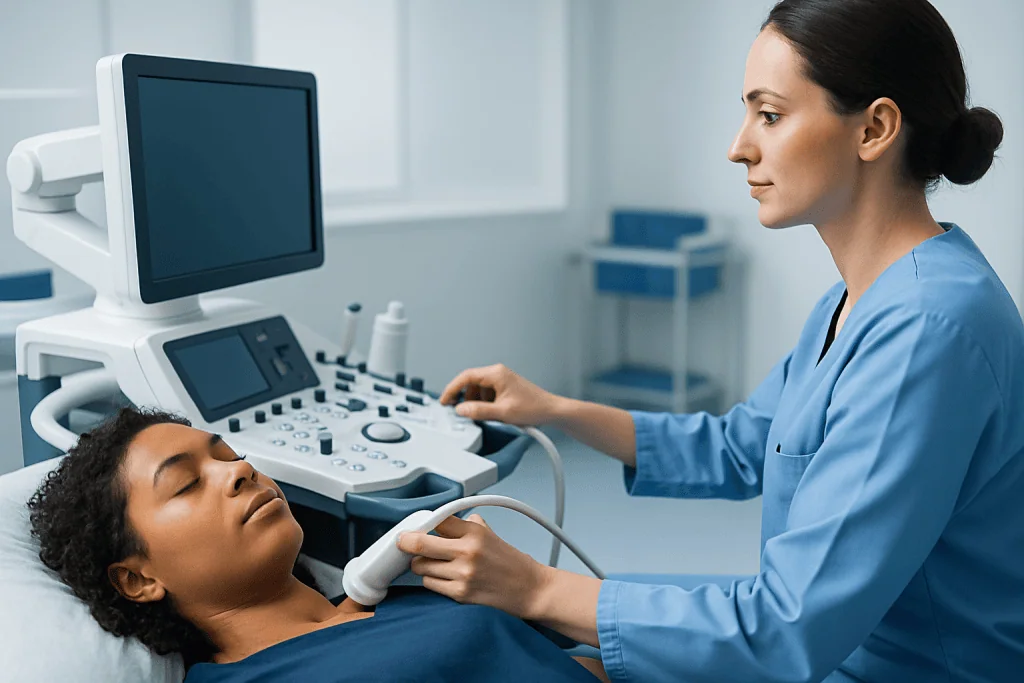
Biotin, also called vitamin B7, is a water-soluble B vitamin. It helps enzymes process carbohydrates, fats, and proteins, supporting normal energy metabolism. It is involved in the production of keratin-related structures, which is why it is widely associated with hair, skin, and nails.
True biotin deficiency is rare in healthy people who eat a varied diet. The body obtains biotin from food, and intestinal bacteria may also contribute a small amount. Deficiency can occur in particular situations, including long-term intravenous nutrition without adequate supplementation, certain inherited metabolic disorders, severe malnutrition, substantial alcohol use, or prolonged use of some medicines. Regularly consuming large amounts of raw egg white may also reduce biotin absorption because of a protein called avidin.
When deficiency does occur, hair thinning may be accompanied by brittle nails, a scaly rash around the eyes, nose, or mouth, tiredness, low mood, tingling, or other neurological symptoms. These signs are not specific to biotin deficiency and can have many causes. Testing and clinical assessment are more reliable than trying to diagnose a deficiency based on hair changes alone.
Hair loss is often caused by something other than biotin

Hair growth follows a natural cycle. It is normal to shed some hairs each day, and temporary increased shedding can occur after fever, surgery, childbirth, rapid weight change, a major emotional stressor, or an illness. This pattern, often called telogen effluvium, may become noticeable a few months after the trigger and commonly improves as the body recovers.
Other common explanations include hereditary pattern hair loss, iron deficiency, thyroid disease, low protein intake, restrictive dieting, scalp inflammation, autoimmune conditions, and damage from frequent bleaching, heat styling, or tightly pulled hairstyles. In women, hormonal changes related to polycystic ovary syndrome, menopause, or pregnancy can contribute. Certain medicines may also affect the hair cycle.
A supplement cannot correct every cause of hair loss. For example, low iron, thyroid imbalance, and inflammatory scalp conditions need targeted evaluation and care. Identifying the pattern of loss—diffuse shedding, gradual widening of a part, recession at the hairline, or clearly defined bald patches—gives a clinician useful clues about the likely cause.
- Diffuse shedding: may follow stress, illness, nutritional change, or hormonal shifts.
- Gradual thinning at the crown or part line: can be associated with hereditary pattern hair loss.
- Round or patchy bald areas: may suggest an autoimmune or scalp-related condition.
- Breakage rather than shedding from the root: may be related to hair-shaft damage or grooming practices.
Why high-dose biotin can be a problem
Biotin is water-soluble, and excess amounts are generally excreted in urine. However, this does not mean high-dose supplements are always risk-free. The most important concern is that biotin can interfere with certain laboratory tests that use biotin-based technology. This can produce results that appear falsely high or falsely low.
Potentially affected tests include some thyroid hormone tests, hormone tests, vitamin tests, and troponin tests used to help assess heart muscle injury. Incorrect results could lead to unnecessary concern, missed diagnoses, or inappropriate treatment decisions. The risk is particularly relevant with the high doses found in some hair, skin, and nail products.
Anyone taking biotin should tell their doctor, laboratory team, and pharmacist before blood testing. A clinician can advise whether the supplement should be paused before a particular test and for how long. A person should not stop prescribed medicines or delay urgent medical assessment because of biotin use. In particular, chest pain, shortness of breath, fainting, or other urgent symptoms need prompt medical attention regardless of supplements.
How doctors assess ongoing hair thinning
Medical assessment is often straightforward and can reassure people whose shedding is temporary. A doctor will usually ask when the hair loss began, how quickly it developed, whether there was a recent illness or major life event, and whether there are changes in weight, energy levels, menstrual cycles, diet, medications, or family history. They may also ask about scalp itching, pain, scaling, or hair-care practices.
The examination may include looking closely at the scalp and hair shafts to distinguish shedding, breakage, inflammation, and different patterns of thinning. Depending on the history and findings, blood tests may be considered to check for conditions such as iron deficiency, thyroid disease, anemia, or nutritional problems. Biotin testing is not routinely needed for every person with hair loss, because deficiency is uncommon and the result must be interpreted in context.
If needed, a dermatologist may examine the scalp with magnification, perform a gentle hair-pull test, or recommend additional testing. This approach helps ensure that treatable causes are not overlooked and avoids relying on supplements that may not address the underlying issue.
Practical steps to support healthy hair
Supporting hair health usually starts with overall nutrition and gentle hair care rather than a high-dose supplement. Regular meals that include sufficient protein, iron-containing foods, healthy fats, fruits, vegetables, and whole grains can support normal growth. People following vegan, highly restrictive, or low-calorie diets may benefit from discussing nutritional adequacy with a clinician or registered dietitian.
To reduce avoidable breakage, it may help to limit frequent chemical processing, excessive heat, harsh brushing, and hairstyles that pull tightly on the roots. Using a gentle shampoo appropriate for the scalp, conditioning the hair lengths, and detangling carefully can protect fragile strands. These steps will not change hereditary hair loss, but they can reduce damage and improve the appearance of existing hair.
For someone considering biotin, a standard multivitamin that does not exceed usual nutritional needs may be sufficient when a clinician believes supplementation is appropriate. It is better to avoid combining several hair products, multivitamins, and fortified drinks without checking labels, as biotin can add up. Any confirmed deficiency should be managed with professional guidance and attention to the reason it developed.
When to seek medical care
Most mild, gradual shedding is not an emergency, particularly after a recent illness, childbirth, or stressful period. Even so, an appointment is worthwhile if hair loss continues for several months, becomes more noticeable, causes distress, or does not have an obvious trigger. A doctor can help distinguish a self-limited shedding episode from a condition that benefits from treatment.
Medical review should be arranged sooner for sudden or patchy hair loss, scalp pain, redness, scaling, pus, or scarring; loss of eyebrows or body hair; or hair loss accompanied by tiredness, unintentional weight change, sensitivity to cold or heat, heavy menstrual bleeding, or a new rash. These symptoms do not necessarily indicate a serious condition, but they can point to a cause that needs assessment.
People with chest pain, breathing difficulty, fainting, or other urgent symptoms should seek emergency care and clearly mention any biotin supplements they use. Acibadem International’s multidisciplinary specialists and JCI-accredited hospitals can assess hair and scalp concerns for international patients, including possible nutritional, hormonal, dermatological, and medical contributors.
Frequently asked questions
Is 10,000 mcg of biotin safe for hair growth?
A 10,000 mcg biotin supplement is much higher than the 30 mcg daily adequate intake for most adults. Although serious side effects are uncommon, this dose may interfere with laboratory tests and is not proven to improve hair growth when biotin deficiency is absent. A doctor or pharmacist can help determine whether any supplement is appropriate.
How long does biotin take to work for hair growth?
If a person has a true biotin deficiency, improvement in hair changes may take several months because hair grows slowly. In people without deficiency, there is no reliable timeline because extra biotin has not been shown to consistently improve hair growth. Persistent shedding should be assessed for other causes.
Can biotin cause hair loss?
Biotin itself is not known to directly cause hair loss at usual amounts. However, relying on biotin alone may delay recognition of another cause, such as iron deficiency, thyroid disease, hereditary thinning, or a scalp condition. High-dose biotin can also affect lab results that help diagnose these problems.
Can biotin interfere with thyroid blood tests?
Yes. High-dose biotin can interfere with some thyroid tests and may make results appear abnormal even when thyroid function is normal. Anyone taking biotin should tell their healthcare professional and the laboratory before blood work. The clinician can advise whether it should be stopped before testing.
What foods naturally contain biotin?
Biotin is present in many foods, including cooked eggs, fish, meat, nuts, seeds, legumes, sweet potatoes, and whole grains. A varied diet will usually provide adequate biotin for healthy adults. People with very limited diets or digestive conditions may need individualized nutrition advice.
Should a person take biotin if their hair is thinning after stress or illness?
Hair shedding after stress or illness is often temporary and may improve as the hair cycle resets. Biotin is unlikely to speed recovery unless a deficiency is present. If shedding is severe, lasts more than a few months, or occurs with other symptoms, medical assessment is recommended.
References
- National Institutes of Health Office of Dietary Supplements
- U.S. Food and Drug Administration
- American Academy of Dermatology Association
- Mayo Clinic
- British Association of Dermatologists
This article is for general information only and is not a substitute for professional medical advice. Please consult a qualified doctor about your individual situation.
Hair transplant in Turkey — costs, graft counts & a free assessment
JCI-accredited · board-certified surgeons · reply within 24h
Add us as a Preferred Source to see more of our trusted health content across Google Search, AI Overviews and Discover.
Check your numbers in seconds
BMI, calories, due date, blood pressure and 30+ more clinical calculators — free, instant, doctor-reviewed ranges.