How to Describe Menopause Symptoms to Your Partner

Menopause symptoms can affect the body, mood, sleep, energy, and intimacy in different ways. Using simple examples and describing patterns over time often helps a partner understand better.
Key Takeaways
- Menopause symptoms can affect the body, mood, sleep, energy, and intimacy in different ways.
- Using simple examples and describing patterns over time often helps a partner understand better.
- Specific requests, such as help with sleep, household tasks, or emotional support, can make conversations more practical.
- Keeping notes about symptoms may help both communication and medical appointments.
- A doctor should assess severe, unusual, or disruptive symptoms, especially abnormal bleeding.
Talking about menopause with a partner can feel difficult, especially when symptoms change from day to day. A clear, calm conversation can help a partner understand what is happening physically and emotionally, and how they can offer useful support.
Overview
Menopause is a natural stage of life that happens when menstrual periods stop permanently after the ovaries gradually produce less estrogen and progesterone. The transition leading up to menopause is called perimenopause, and this is often when symptoms begin. Because hormone changes can affect many body systems, symptoms may involve temperature regulation, sleep, mood, concentration, energy, vaginal comfort, and sexual wellbeing.
Many people find that the hardest part is not only the symptoms themselves, but also explaining them to a partner. A partner may notice changes in mood, sleep, or intimacy without understanding that these changes are related to menopause. This can lead to confusion, hurt feelings, or the mistaken idea that the person is “just stressed” or “overreacting.”
A helpful conversation does not need perfect medical language. What often works best is describing what the symptoms feel like, when they happen, how long they last, and how they affect daily life. When symptoms are explained in concrete terms, a partner is more likely to respond with empathy rather than guesswork.
Common Menopause Symptoms to Put Into Words
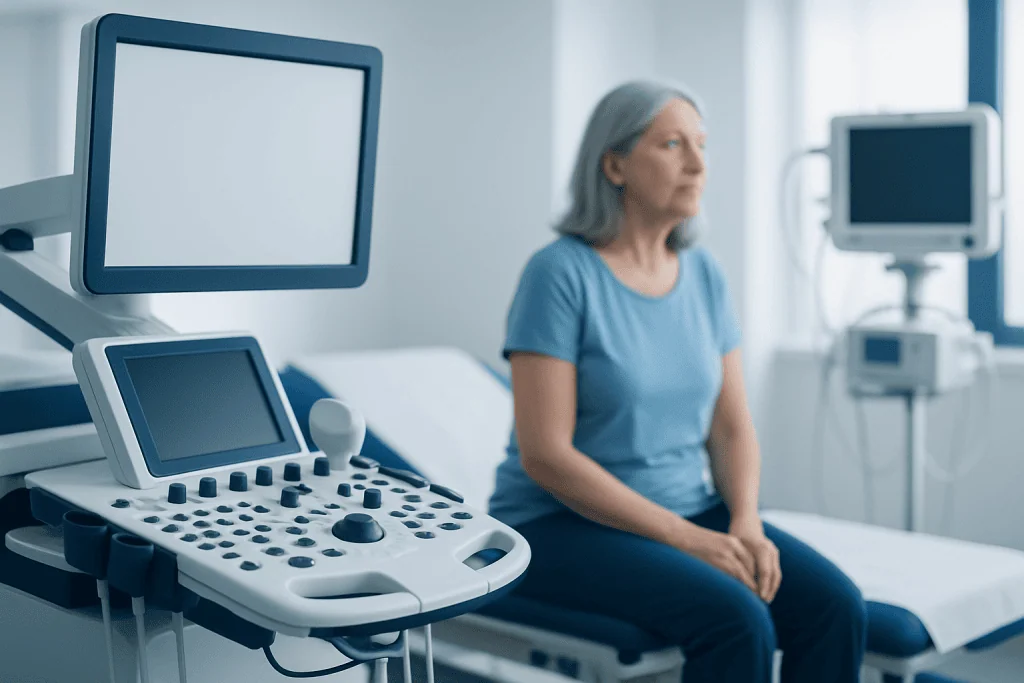
Menopause symptoms vary widely. Some people mainly notice hot flashes, while others are more affected by poor sleep, anxiety, low mood, vaginal dryness, or brain fog. Symptoms may come and go, change in intensity, or feel worse at certain times of the month during perimenopause. Letting a partner know that symptoms are real but not always predictable can prevent misunderstandings.
It may help to describe symptoms in everyday language instead of broad labels. For example, instead of saying “I feel off,” a person might say, “I suddenly feel intense heat in my chest and face,” or “I wake up sweating and cannot get back to sleep.” For emotional symptoms, clearer wording can also help, such as “I feel more irritable than usual, and small things can feel overwhelming,” or “My concentration feels slower than normal.”
Common symptoms that may be worth explaining include:
- Hot flashes and night sweats
- Sleep problems or frequent waking
- Mood changes, irritability, anxiety, or tearfulness
- Brain fog, forgetfulness, or reduced focus
- Fatigue and low energy
- Irregular periods during perimenopause
- Vaginal dryness or discomfort during sex
- Lower libido or changes in sexual response
- Joint aches, headaches, or palpitations in some people
If symptoms overlap with another health issue, medical evaluation may be useful. For example, vaginal discomfort may be part of menopause, but ongoing pain should still be discussed with a clinician. Some people also benefit from learning more about menopause and perimenopause so they can explain the process with more confidence.
Why Menopause Can Be Hard to Explain

Menopause symptoms can be difficult to describe because many are invisible. A partner can see a cast on a broken arm, but they cannot easily see inner heat, mental fog, hormone-related anxiety, or the exhaustion that follows repeated poor sleep. Symptoms may also appear inconsistent. Someone may seem fine one day and feel completely drained the next, which can be confusing to both partners.
Another challenge is that menopause affects more than the body. It can influence identity, self-confidence, sexual comfort, and emotional resilience. Some people feel guilty about being more irritable or less interested in intimacy, while others worry that their partner will take symptoms personally. This can lead to avoiding the topic until frustration builds.
There may also be cultural or family barriers. In some households, menopause was never openly discussed, so a person may not have words for what they are experiencing. Reassurance can help here: menopause is a normal life transition, and speaking honestly about symptoms is not complaining. It is a practical way to support health, connection, and mutual understanding.
How to Talk to a Partner in a Clear and Supportive Way
Choosing the right moment matters. A calm conversation usually works better than trying to explain symptoms in the middle of an argument, during a night sweat, or when both partners are tired. It may help to start with a simple statement such as, “I want to explain what menopause symptoms are feeling like for me so we can handle this together.” This frames the discussion as teamwork rather than blame.
Using specific examples often makes symptoms easier to understand. A person might say, “When I wake up at 3 a.m. sweating, I feel exhausted the next day and become less patient,” or “Sex can feel uncomfortable because of dryness, so I need us to slow down and talk about what feels comfortable.” Concrete descriptions reduce guesswork and help a partner see how symptoms affect everyday life.
It can also be helpful to explain patterns. Keeping a brief symptom diary for a few weeks may show links between symptoms, sleep, stress, and menstrual changes. Sharing these observations with a partner can make the conversation feel less abstract. Phrases such as “This tends to happen at night,” “It is worse after poor sleep,” or “My mood shifts can come quickly” may make symptoms easier to follow.
Finally, asking for specific support is often more effective than hoping a partner will know what to do. Useful requests might include giving patience during a hot flash, helping with household tasks after a sleepless night, keeping the bedroom cooler, or attending a medical appointment together. If symptoms are disruptive, a doctor may discuss options such as lifestyle measures, nonhormonal treatment, or hormone replacement therapy.
Talking About Mood, Sleep, and Intimacy
Mood symptoms can be especially sensitive to discuss because a partner may hear them as criticism or rejection. It may help to separate the symptom from the relationship. For example: “I care about you, but my anxiety and irritability are higher lately,” or “If I seem short-tempered, it is often because I am tired and overwhelmed, not because of something you did.” This can lower defensiveness and keep the conversation connected.
Sleep problems deserve special attention because poor sleep can magnify almost every other symptom. Night sweats, frequent waking, and insomnia can leave a person feeling emotionally fragile, forgetful, and physically drained. A partner may understand more easily when sleep loss is explained as the reason energy, patience, and focus feel reduced during the day.
Intimacy can also change during menopause, and honest communication is important. Lower desire, vaginal dryness, or discomfort during sex do not mean affection has disappeared. Many couples do better when they talk openly about comfort, timing, lubrication, emotional closeness, and expectations. If symptoms continue to affect sexual wellbeing, evaluation may help identify options, including gynecologic care or support from a women’s health specialist.
When Symptoms Should Be Medically Assessed
Many menopause symptoms are common, but they should not simply be ignored if they are severe, unusual, or affecting quality of life. A clinician can help determine whether symptoms are related to menopause, another condition, or a combination of both. This matters because concerns such as palpitations, heavy bleeding, low mood, or persistent pain may need assessment rather than assumptions.
Abnormal bleeding is especially important to discuss. During perimenopause, cycles often become irregular, but very heavy bleeding, bleeding between periods, or any bleeding after menopause should be evaluated. A doctor may ask about menstrual history, sleep, mood, medications, and other health conditions, and may recommend tests or imaging when needed.
Medical review is also appropriate when symptoms cause major disruption at work, strain a relationship, or reduce day-to-day functioning. Supportive care may include lifestyle guidance, counseling, pelvic care, or treatment tailored to symptoms and personal health history. In some cases, doctors may evaluate concerns such as health screening to rule out other causes of fatigue, mood changes, or poor sleep.
Practical Self-Care and Relationship Tips
Self-care during menopause is not only about symptom control. It can also make communication easier by helping a person notice patterns and feel more prepared to speak up. Useful habits may include regular physical activity, limiting triggers for hot flashes when possible, creating a cooler sleep environment, practicing stress management, and keeping a simple record of symptoms. These steps do not replace medical care, but they can support day-to-day comfort.
Relationship habits matter too. Couples often benefit from checking in regularly instead of waiting for a difficult moment. A short weekly conversation about symptoms, sleep, mood, and intimacy may prevent resentment and allow small adjustments before problems grow. Listening without trying to immediately fix everything is often one of the most supportive responses a partner can offer.
It can also help to agree on practical signals and solutions. For example, a partner may know to open a window during a hot flash, take over a task after a sleepless night, or pause intimacy if discomfort appears. These small actions can build trust and reduce the feeling of facing symptoms alone.
For those seeking specialist support, Acibadem International’s multidisciplinary teams in JCI-accredited hospitals diagnose and treat menopause-related concerns for international patients. Professional guidance can be helpful when symptoms are persistent, complex, or affecting wellbeing despite self-care efforts.
When to See a Doctor
A doctor should be consulted if menopause symptoms are severe, sudden, unusual, or interfering with sleep, work, mood, or relationships. Professional advice is also important if a person is unsure whether symptoms are due to perimenopause or another condition. A medical visit can offer reassurance, clarify what is happening, and outline safe treatment choices.
Prompt assessment is especially important for bleeding after menopause, very heavy periods, chest pain, persistent palpitations, significant depression, or pain during sex that does not improve. People with a history of certain medical conditions may need more individualized guidance before using hormonal treatment. Bringing a symptom diary to the appointment can make the visit more useful.
Some people find it helpful to invite their partner to a consultation. Hearing information directly from a clinician can improve understanding and support at home. It can also help both partners ask questions about symptoms, intimacy, and treatment options in a clear, respectful setting.
Frequently asked questions
What is the easiest way to explain menopause symptoms to a partner?
The simplest approach is to use specific, everyday examples. Instead of saying "I feel strange," it often helps to say what is happening, when it happens, and how it affects sleep, mood, energy, or intimacy. Clear examples usually make symptoms easier to understand.
How can someone explain mood changes without hurting their partner’s feelings?
It can help to separate the symptom from the relationship. Phrases such as "I care about you, but I feel more irritable and overwhelmed lately" can reduce the chance that a partner feels blamed. Calm timing and honest reassurance are often important.
Should a partner come to a menopause appointment?
For some couples, yes. A partner who attends an appointment may better understand the physical and emotional effects of menopause and hear treatment options directly from a clinician. This can support more informed and compassionate conversations at home.
Are menopause symptoms always the same from person to person?
No. Menopause symptoms can vary widely in type, intensity, and duration. Some people mainly notice hot flashes, while others are more affected by sleep problems, mood changes, or vaginal dryness.
How can couples talk about intimacy during menopause?
Open, respectful communication is usually the best starting point. A person can explain whether they are experiencing dryness, pain, lower desire, or fatigue, and the couple can discuss comfort, timing, and alternatives together. Medical advice may help when symptoms persist.
When are menopause symptoms a reason to see a doctor?
A doctor should be consulted if symptoms are severe, unusual, or disrupting daily life. Bleeding after menopause, very heavy bleeding, significant low mood, chest pain, or ongoing pain during sex should always be assessed. A clinician can help rule out other causes and discuss safe treatment options.
References
- National Institute on Aging
- North American Menopause Society
- American College of Obstetricians and Gynecologists
- National Health Service
- Office on Women's Health
This article is for general information only and is not a substitute for professional medical advice. Please consult a qualified doctor about your individual situation.
Explore treatments in Turkey — costs, top hospitals & a free quote
JCI-accredited · board-certified surgeons · reply within 24h
Add us as a Preferred Source to see more of our trusted health content across Google Search, AI Overviews and Discover.