How to Drop Sugar Level Immediately? Causes, Explanations, and Next Steps

A single high sugar reading is not always an emergency, especially after a large meal, stress, or missed activity. The safest immediate steps are to recheck the reading, drink water, avoid more carbohydrates, and follow any prescribed correction plan.
Key Takeaways
- A single high sugar reading is not always an emergency, especially after a large meal, stress, or missed activity.
- The safest immediate steps are to recheck the reading, drink water, avoid more carbohydrates, and follow any prescribed correction plan.
- Exercise is not always appropriate; it should be avoided if ketones are present or if the person feels unwell.
- Emergency care is important for vomiting, confusion, breathing difficulty, dehydration, or suspected diabetic ketoacidosis.
How to drop sugar level immediately depends on how high the reading is and whether symptoms are present. Mild temporary elevations are common and often improve with water, rest, rechecking, and following a clinician’s diabetes plan, but severe symptoms or very high readings need prompt medical advice.
Overview: what to do first if sugar is high
For many people, a high blood sugar reading is temporary and not immediately dangerous. Readings can rise after a large meal, emotional stress, poor sleep, illness, or simply because a meter reading was inaccurate. The first goal is to stay calm, confirm the result, and take safe next steps rather than trying unproven home remedies.
If someone is asking how to drop sugar level immediately, the most reliable first actions are simple: wash and dry the hands, recheck the glucose, drink water, avoid sugary foods and drinks, and review any personal diabetes action plan. If a clinician has prescribed correction insulin, it should be used exactly as directed. If no treatment plan exists, it is usually safer to contact a healthcare professional than to guess.
What matters most is the full picture, not just one number. A mildly high reading without symptoms is often handled at home with monitoring. A very high reading, repeated rising levels, or symptoms such as vomiting, abdominal pain, confusion, deep breathing, or severe weakness can signal a medical emergency and should not be managed only with home measures.
Why blood sugar can rise quickly

Blood sugar rises when the body does not make enough insulin, cannot use insulin effectively, or receives more glucose than it can process at that moment. This can happen in people with diabetes, prediabetes, insulin resistance, and sometimes in people who are acutely ill even without known diabetes.
Common short-term triggers include eating a carbohydrate-heavy meal, missing diabetes medication, infection, fever, dehydration, corticosteroid medicines, physical stress after surgery, and emotional stress. Hormonal changes, lack of sleep, and reduced physical activity can also contribute. In some cases, high sugar is the first sign of undiagnosed diabetes.
It is also important to remember that not every unexpectedly high reading is real. Glucose meters can be affected by unwashed hands, food residue on the fingers, expired test strips, or user error. A repeat check after washing the hands can prevent unnecessary worry and help guide the right response.
Safe ways to lower blood sugar quickly
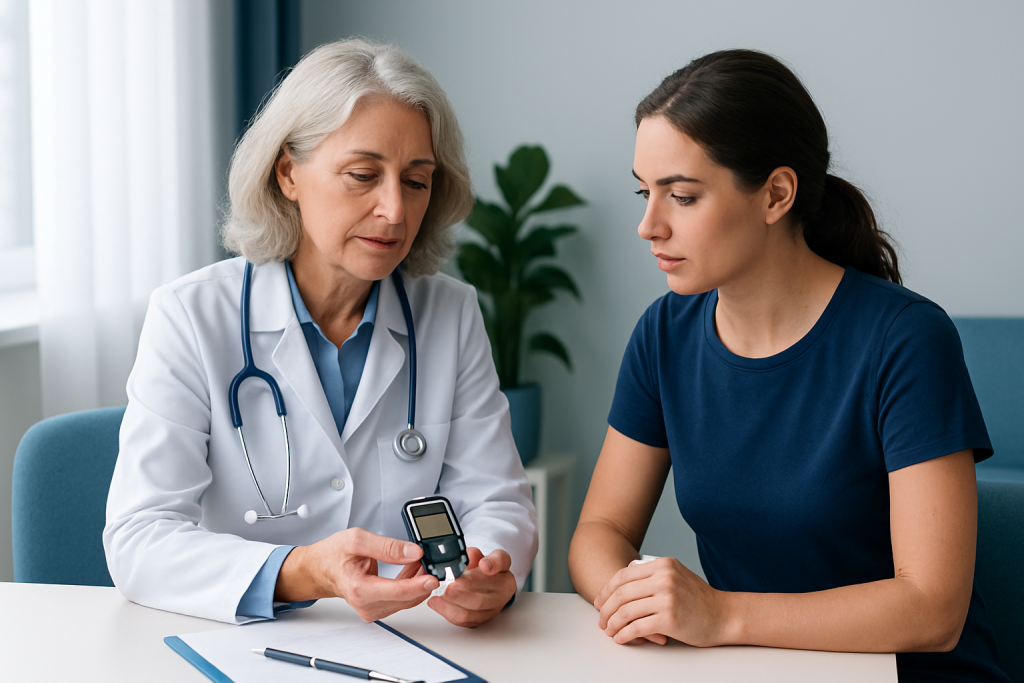
The safest way to lower blood sugar quickly depends on the cause and on whether a person has diabetes medication prescribed for this situation. Water can help support hydration and may assist the body in clearing excess glucose through urine. Resting, avoiding further carbohydrates, and repeating the reading after a short interval are reasonable first steps when symptoms are mild or absent.
If a doctor has provided a correction dose plan, prescribed insulin is often the fastest medical way to bring high sugar down. This should only be done according to that individual plan, because too much insulin can cause dangerously low blood sugar. People should not borrow insulin, change doses on their own, or take extra medication without guidance.
Light activity may help some people if they feel well and do not have ketones, but exercise is not universally safe. If blood sugar is very high, if the person feels sick, or if urine or blood ketones are positive, activity can make matters worse. In those situations, hydration, ketone testing if available, and medical advice are more appropriate.
- Recheck the glucose after washing and drying the hands
- Drink water unless a doctor has restricted fluids
- Avoid sweet drinks, desserts, and large carbohydrate portions
- Use prescribed correction insulin only as instructed
- Check ketones if advised by a clinician or if symptoms suggest diabetic ketoacidosis
Symptoms that matter, and the warning signs not to ignore
High blood sugar may cause increased thirst, frequent urination, dry mouth, tiredness, blurred vision, headache, or difficulty concentrating. These symptoms can come on gradually and are not always severe. In many cases, they improve once the underlying trigger is addressed and glucose returns toward the target range.
However, some symptoms suggest a more serious problem. Nausea, vomiting, abdominal pain, fruity-smelling breath, deep or rapid breathing, marked drowsiness, dehydration, chest pain, or confusion need urgent evaluation. These signs can point to diabetic ketoacidosis or a hyperosmolar state, both of which require medical treatment.
People with type 1 diabetes, those who use insulin, pregnant patients, older adults, and anyone who is ill with fever or infection should be especially cautious. If high sugar is persistent or accompanied by significant symptoms, a doctor may evaluate for diabetes complications or other causes such as infection, medication effects, or hormonal disorders.
How doctors evaluate persistent or severe high sugar
If blood sugar remains high or keeps happening, doctors look beyond the single reading. They usually ask about symptoms, recent meals, medications, missed doses, illness, stress, sleep, exercise, and fluid intake. For people without a diabetes diagnosis, a clinician may ask whether there has been unexplained weight loss, recurrent infections, or a family history of diabetes.
Testing may include finger-stick glucose, laboratory blood glucose, HbA1c, electrolytes, kidney function, and urine or blood ketones. If an infection or another illness is suspected, additional tests may be needed. The aim is to find out whether this is a short-term fluctuation, poorly controlled diabetes, newly diagnosed diabetes, or an urgent complication needing treatment.
Depending on the results, a doctor may recommend structured glucose monitoring, nutrition changes, medication adjustment, or specialist evaluation in endocrinology and metabolic diseases. If symptoms suggest dehydration, severe hyperglycemia, or ketoacidosis, care may need to move quickly to emergency assessment and emergency medicine.
Treatment and longer-term control
Treatment depends on the cause. Some people need only short-term adjustments such as better hydration, a review of meal patterns, or temporary medication changes during illness. Others may need a new diagnosis confirmed and a long-term plan that includes lifestyle support, glucose monitoring, and medication.
For people with diabetes, treatment can include reviewing insulin technique, checking injection timing, assessing medication adherence, and identifying patterns linked to meals or overnight readings. Nutrition counseling can help with portion control, carbohydrate distribution, and realistic daily routines. If blood sugar is repeatedly high, a clinician may discuss therapies used in diabetes treatment as part of a personalized plan.
Some patients also benefit from broader metabolic evaluation, especially if excess weight, fatty liver, high blood pressure, or abnormal cholesterol are present. In selected cases, specialist support in obesity treatment options may be considered as part of long-term metabolic care, but this is not an immediate solution for an acute high reading.
Prevention and self-care after a high reading
Once the immediate concern has passed, prevention becomes the priority. Keeping a record of blood sugar readings, meals, activity, stress, sleep, and medications can reveal patterns that are easy to miss day to day. Many people discover that repeated highs are linked to a specific meal, late-night snacking, illness, or inconsistent medication timing rather than one single dramatic cause.
Regular hydration, balanced meals with fiber and protein, planned physical activity, and taking medication as prescribed all support steadier glucose levels. During illness, many people need a separate sick-day plan that explains when to test more often, when to check ketones, how to hydrate, and when to call for medical help.
Near the end of the care pathway, some people may prefer coordinated specialist review. Acibadem International’s multidisciplinary specialists in JCI-accredited hospitals evaluate and treat diabetes and related metabolic conditions for international patients, particularly when high readings are recurring or difficult to explain.
When to seek medical care
Medical advice should be sought promptly if blood sugar stays high despite home measures, if the person does not have a personal correction plan, or if high readings are happening often. A doctor should also review symptoms such as unusual thirst, frequent urination, blurred vision, unintended weight loss, or repeated infections, especially if diabetes has not been diagnosed before.
Urgent care is needed sooner if there is vomiting, severe abdominal pain, dehydration, confusion, fainting, labored breathing, chest pain, or a strong feeling that the person is becoming seriously unwell. People with positive ketones, pregnancy, type 1 diabetes, or significant illness should be more cautious and contact a clinician early.
It is generally better to ask for help early than to wait for symptoms to become severe. Fast medical assessment can confirm whether this is a temporary spike, an adjustment issue, or a condition that needs prompt treatment.
Frequently asked questions
What is the fastest safe way to lower high blood sugar at home?
The safest first steps are to confirm the reading, drink water, avoid more carbohydrates, and follow any correction plan already prescribed by a doctor. If insulin has been prescribed for high readings, it should only be used exactly as instructed. If symptoms are severe or the sugar remains very high, medical advice is important.
Should a person exercise to bring blood sugar down immediately?
Not always. Light activity may help some people if they feel well, but exercise should be avoided when ketones are present or when the person feels sick, weak, nauseated, or dehydrated. In those cases, medical guidance is safer than pushing through activity.
Can drinking water lower blood sugar right away?
Water does not act like a medication, but it can support hydration and help the body clear excess glucose through urine. It is a sensible first step for many people unless a doctor has told them to limit fluids. It should not replace prescribed treatment.
When is high blood sugar an emergency?
It becomes urgent when it is accompanied by vomiting, confusion, difficulty breathing, severe weakness, abdominal pain, dehydration, or positive ketones. These symptoms can suggest diabetic ketoacidosis or another serious complication. Emergency evaluation is especially important for people with type 1 diabetes or significant illness.
Why is blood sugar high even if a person did not eat sweets?
Blood sugar can rise because of stress, infection, missed medication, hormonal changes, poor sleep, steroid medicines, or underlying insulin resistance. Meals that are high in starch can also raise sugar significantly even if they are not obviously sweet. Sometimes the issue is a false reading caused by testing error.
How do doctors find the cause of repeated high sugar readings?
Doctors usually review symptoms, meal patterns, medications, illness, and home glucose records. They may order blood glucose, HbA1c, kidney function tests, electrolytes, and urine or blood ketones. This helps distinguish a temporary spike from diabetes, poor diabetes control, or an urgent complication.
References
- American Diabetes Association
- Centers for Disease Control and Prevention
- National Institute of Diabetes and Digestive and Kidney Diseases
- Mayo Clinic
- National Health Service
This article is for general information only and is not a substitute for professional medical advice. Please consult a qualified doctor about your individual situation.
Explore treatments in Turkey — costs, top hospitals & a free quote
JCI-accredited · board-certified surgeons · reply within 24h
Add us as a Preferred Source to see more of our trusted health content across Google Search, AI Overviews and Discover.