How to Explain Neurological Symptoms to a Doctor: Numbness, Weakness, Dizziness, and More

Specific details about timing, location, triggers, and severity help a doctor understand neurological symptoms. Words such as numbness, tingling, weakness, spinning, imbalance, and confusion do not mean the same thing medically, so examples are helpful.
Key Takeaways
- Specific details about timing, location, triggers, and severity help a doctor understand neurological symptoms.
- Words such as numbness, tingling, weakness, spinning, imbalance, and confusion do not mean the same thing medically, so examples are helpful.
- A written symptom timeline, medication list, and record of related symptoms can improve a neurology visit.
- Some neurological symptoms need urgent care, especially sudden weakness, facial drooping, trouble speaking, or severe sudden dizziness with other warning signs.
- Doctors may use the history, neurological examination, blood tests, or imaging to find the cause.
Neurological symptoms can be difficult to put into words, but clear details can help a doctor assess them more accurately. Describing what the symptom feels like, when it began, and how it affects daily life can make a medical visit more productive.
Overview: Why Symptom Description Matters
Neurological symptoms involve the brain, spinal cord, nerves, and muscles. They can include numbness, tingling, weakness, dizziness, balance problems, tremor, headaches, vision changes, memory difficulty, or unusual sensations. Because these symptoms may have many different causes, the way a person describes them can provide important clues.
Doctors often begin by asking detailed questions before ordering tests. A symptom’s exact pattern, such as whether it came on suddenly or gradually, affects one side of the body, or appears only during certain activities, may help narrow the possibilities. Even when symptoms are hard to explain, simple examples from daily life can be very useful.
Many people worry about saying the “wrong” thing at an appointment. In most cases, there is no perfect medical language required. What helps most is being as concrete as possible: what happened, when it happened, how long it lasted, and how it changed over time.
How to Describe Common Neurological Symptoms

Numbness may mean reduced feeling, a “dead” sensation, or difficulty sensing touch, temperature, or pain. Tingling is often described as “pins and needles,” buzzing, crawling, or electric sensations. Weakness is different: it means trouble using a body part normally, such as dropping objects, difficulty lifting the foot, trouble climbing stairs, or one arm feeling heavy.
Dizziness can also mean different things. Some people mean spinning or a sense that the room is moving, while others mean lightheadedness, feeling faint, or unsteadiness when walking. Telling the doctor exactly which sensation occurs can be very helpful. For example, “the room spins when I turn in bed” gives clearer information than simply saying “I feel dizzy.”
For other neurological symptoms, examples are just as important. A person might say that blurry vision affects one eye or both eyes, that headaches are throbbing or pressure-like, or that memory problems involve forgetting recent conversations rather than long-term events. If speech changes occur, it helps to explain whether the issue is slurred speech, trouble finding words, or difficulty understanding language.
- Say what the symptom feels like in plain language.
- Describe exactly where it happens.
- Give a real-life example of how it affects daily activities.
- Explain whether it is constant, comes and goes, or is getting worse.
Key Details to Share at the Appointment
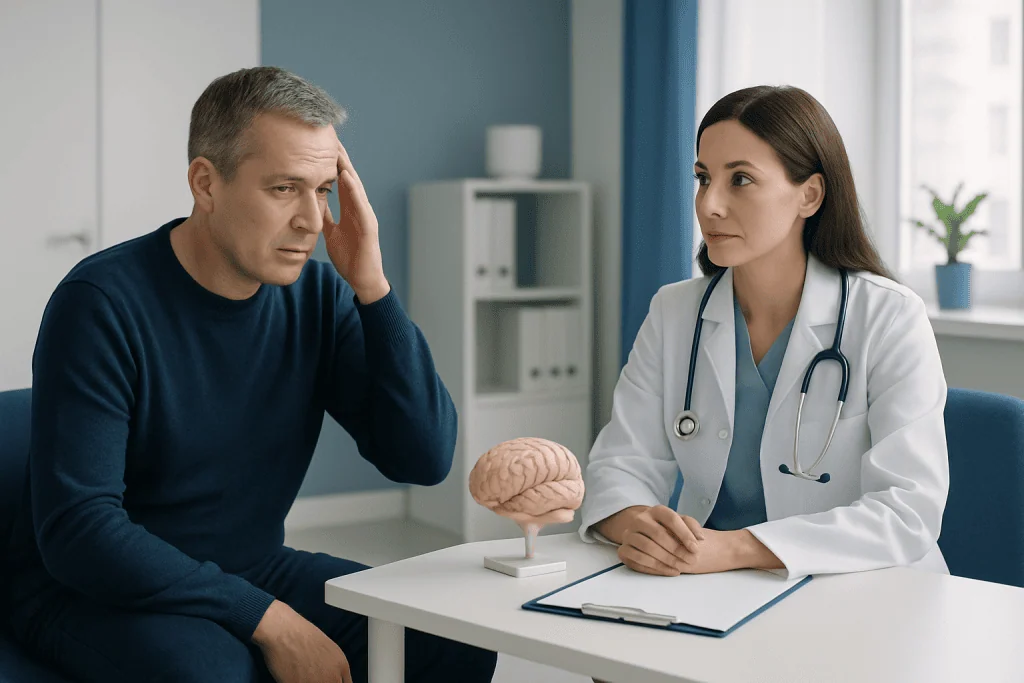
Doctors often look for a timeline first. A person can try to remember when the symptom began, whether the onset was sudden or gradual, and whether the symptom has stayed the same, improved, or progressed. If episodes come and go, it may help to note how long they last and how often they happen.
Location and spread also matter. It is useful to mention whether numbness affects the fingertips, one side of the face, both feet, or an entire arm and leg. If symptoms move from one place to another, spread upward, or remain in one spot, that can also be relevant. Similarly, weakness in one hand is different from whole-body fatigue.
Triggers and associated symptoms are another important part of the picture. Symptoms may worsen with standing up, turning the head, exercise, stress, coughing, lack of sleep, or certain foods or medications. Related symptoms such as headache, fever, nausea, neck pain, falls, bladder changes, shaking, vision problems, or recent infection should also be mentioned. If a person has already been evaluated for conditions such as migraine or multiple sclerosis, sharing that history can be helpful.
It may also help to bring a list of current medications, vitamins, and supplements, along with any recent illnesses, injuries, or travel. Alcohol use, exposure to toxins, and family history of neurological conditions may sometimes be relevant as well.
Useful Ways to Prepare Before Seeing a Doctor
Keeping a short symptom diary for several days or weeks can make patterns easier to spot. This does not need to be complicated. Notes can include the date, time, symptom, duration, possible trigger, and anything that relieved it. If the symptom is visible, such as tremor, abnormal movements, facial drooping, or changes in walking, a short video may sometimes help a doctor understand what is happening.
During the visit, many people find it useful to focus first on the main concern rather than trying to explain every health issue at once. Starting with the most bothersome or unusual symptom can help guide the conversation. It is also reasonable to bring a family member or friend if they have witnessed the episodes or can help remember details.
A person should not try to self-diagnose before the appointment. Describing observations is usually more useful than guessing the cause. For example, saying “my left foot drags after walking for ten minutes” is more informative than saying “I think I have a pinched nerve.” If symptoms suggest a need for further assessment, a doctor may recommend a neurological examination or tests such as brain MRI or EMG testing depending on the clinical picture.
What Doctors May Ask and How They Evaluate Symptoms
At a neurology or general medical visit, the doctor will usually ask focused questions and perform a physical and neurological examination. This may include checking strength, reflexes, sensation, coordination, balance, eye movements, speech, and walking. These findings help determine whether symptoms are more likely to involve the brain, inner ear, spinal cord, peripheral nerves, muscles, or another body system.
Testing depends on the symptoms and the examination findings. Blood tests may help look for problems such as vitamin deficiencies, infection, inflammation, thyroid disorders, or metabolic causes. Imaging studies may be considered when symptoms suggest a structural or vascular issue. For persistent dizziness, balance symptoms, or hearing-related concerns, evaluation may sometimes overlap with neuro-otology or ENT care. In some situations, tests such as EEG or nerve conduction studies may be appropriate.
Not every neurological symptom means a serious disease. Common causes can include migraine, inner ear disorders, medication effects, nerve compression, dehydration, anxiety, sleep deprivation, or vitamin deficiency. However, because some causes do need prompt treatment, doctors evaluate symptoms carefully and in context.
When Symptoms Need Urgent Medical Attention
Some neurological symptoms should be treated as urgent. A person should seek emergency care right away for sudden weakness or numbness on one side of the body, facial drooping, difficulty speaking, sudden confusion, sudden vision loss, or a severe sudden headache unlike previous headaches. These may be warning signs of a stroke or another emergency.
Urgent evaluation is also important for new seizures, fainting with injury, sudden severe dizziness combined with double vision or trouble walking, rapidly worsening weakness, loss of bladder or bowel control with back symptoms, or new symptoms after a head injury. Severe infection symptoms such as high fever, neck stiffness, or reduced alertness also need prompt care.
If symptoms are not emergency-level but are persistent, recurring, or worsening, a timely appointment with a qualified doctor is still important. Early assessment can sometimes lead to more effective treatment and greater peace of mind.
Self-care, Communication Tips, and Ongoing Support
Before a diagnosis is made, self-care should focus on safety and symptom tracking rather than trying unproven remedies. For example, someone with dizziness may want to avoid driving until the cause is clearer, and a person with weakness or numbness may need to take extra precautions to prevent falls or burns. Good hydration, regular sleep, and avoiding alcohol excess may help some symptoms but do not replace medical evaluation.
Clear communication can continue after the first visit. If the doctor gives instructions, it may help to write them down, ask for clarification, and confirm what changes would require follow-up. Questions such as “What causes are you considering?” or “When should I seek urgent care?” can be useful and appropriate.
For people who need specialist evaluation, multidisciplinary care may be recommended depending on the symptom pattern. Acibadem International’s multidisciplinary specialists and JCI-accredited hospitals diagnose and treat neurological conditions for international patients, including evaluations related to dizziness, nerve problems, and other nervous system symptoms. In selected cases, care may involve services such as neurology evaluation or advanced imaging and electrophysiological testing.
Most importantly, people should feel reassured that symptoms do not need to be described perfectly. Honest, specific observations are enough to help a doctor begin the diagnostic process and decide on the next best steps.
Frequently asked questions
What is the best way to describe numbness to a doctor?
It helps to explain whether numbness means less feeling, complete loss of sensation, or a tingling “pins and needles” feeling. A person should also mention where it occurs, whether it spreads, and whether it is constant or comes and goes.
How can someone explain weakness clearly at a medical visit?
Weakness is often easiest to describe with examples from daily life. Saying that a hand cannot grip well, a foot drags, or stairs have become difficult gives clearer information than simply saying “I feel weak.”
What should a person say if they feel dizzy?
They should try to describe the exact sensation, such as spinning, lightheadedness, near-fainting, or imbalance. Mentioning triggers like standing up, rolling over in bed, or moving the head can also help the doctor narrow the cause.
Should neurological symptoms be written down before an appointment?
Yes, a short symptom diary can be very useful. Recording when the symptom started, how long it lasts, what triggers it, and what other symptoms happen at the same time may help the doctor identify patterns.
When should neurological symptoms be treated as an emergency?
Emergency care is important for sudden one-sided weakness or numbness, facial drooping, trouble speaking, sudden confusion, sudden vision loss, or a severe sudden headache. These symptoms can sometimes indicate stroke or another urgent neurological problem.
Do neurological symptoms always mean a serious condition?
No, not always. Neurological symptoms can have many causes, including migraine, inner ear problems, nerve irritation, medication effects, sleep problems, or vitamin deficiencies, but they should still be assessed when persistent, new, or concerning.
References
- World Health Organization
- National Institute of Neurological Disorders and Stroke
- American Academy of Neurology
- National Health Service
- Mayo Clinic
This article is for general information only and is not a substitute for professional medical advice. Please consult a qualified doctor about your individual situation.
Joint and spine care in Turkey — expert assessment & treatment
JCI-accredited · board-certified surgeons · reply within 24h
Add us as a Preferred Source to see more of our trusted health content across Google Search, AI Overviews and Discover.