How to Get Rid of a Headache: What Helps Fast and When to See a Doctor

Many common headaches improve with water, rest, a quiet dark room, and simple pain relief. Tension headaches, migraines, sinus problems, illness, poor sleep, stress, and dehydration are frequent causes.
Key Takeaways
- Many common headaches improve with water, rest, a quiet dark room, and simple pain relief.
- Tension headaches, migraines, sinus problems, illness, poor sleep, stress, and dehydration are frequent causes.
- A sudden “worst headache,” headache after head injury, or headache with neurological symptoms needs urgent medical assessment.
- Frequent headaches should be evaluated because overuse of pain medicines can make headaches happen more often.
- Prevention often includes regular sleep, meals, hydration, stress management, and avoiding known triggers.
Headache relief depends on the cause, but many headaches improve with hydration, rest, food, and appropriate over-the-counter pain medicine. Some headaches need prompt medical attention, especially if they are sudden, severe, new, or linked with warning signs such as weakness, confusion, fever, or vision changes.
Overview: What Helps a Headache Fast?
When someone wants to know how to get rid of a headache, the best first step is to think about the likely cause. Common headaches may come from stress, muscle tension, dehydration, missed meals, poor sleep, eye strain, infection, or migraine. Quick relief often starts with simple measures such as drinking water, resting in a calm environment, eating if a meal was missed, and using an over-the-counter pain reliever if it is safe for that person.
Fast headache relief can also depend on the type of pain. A tension-type headache may respond to stretching, heat on the neck and shoulders, and rest. A migraine may improve more with lying down in a dark, quiet room and limiting noise, bright light, or screens. If caffeine is part of a person’s usual routine, a small amount may help some headaches, but too much caffeine or sudden caffeine withdrawal can also trigger one.
Most headaches are not dangerous and get better on their own or with basic care. However, a headache can sometimes be a sign of a condition that needs prompt treatment. A sudden, explosive headache, a headache with weakness or trouble speaking, or a headache with fever and a stiff neck should never be ignored.
Common Types of Headache and Their Symptoms
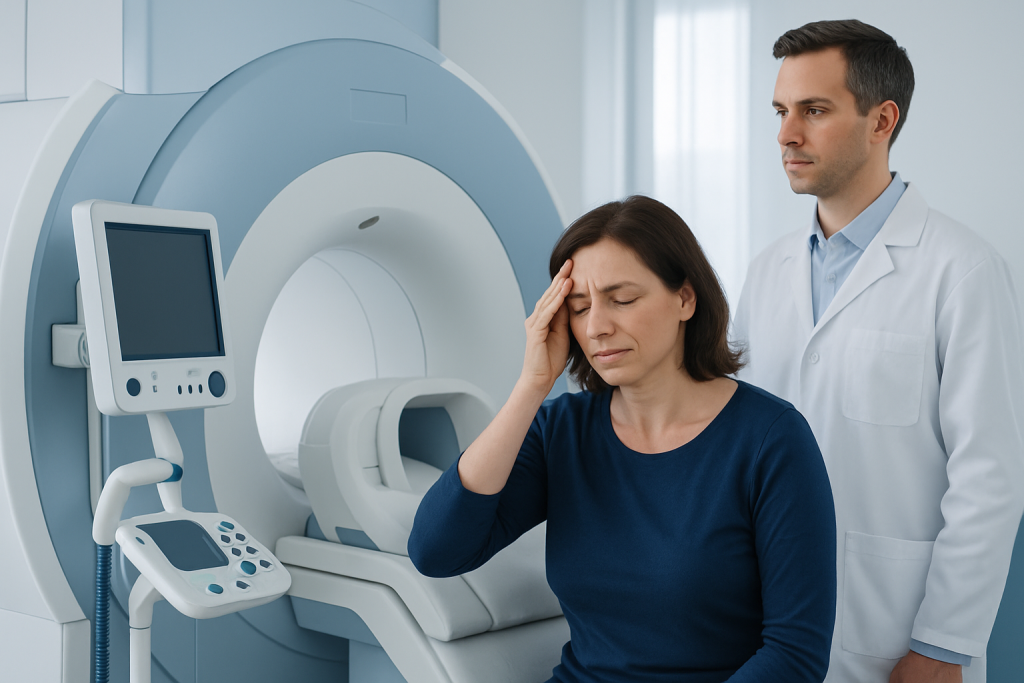
Understanding the pattern of symptoms can help guide relief. Tension-type headaches usually feel like a tight band or pressure around the head. The pain is often mild to moderate, affects both sides, and may come with neck or shoulder tightness. People can usually continue their activities, although they may feel uncomfortable and tired.
Migraines often cause moderate to severe throbbing or pulsating pain, commonly on one side but sometimes on both. They may come with nausea, vomiting, sensitivity to light, sensitivity to sound, and worsening with activity. Some people have an aura before the headache, such as flashing lights, blind spots, tingling, or trouble finding words. In people with recurring migraines, treatment may include lifestyle changes and, when needed, neurology care.
Sinus-related headaches are usually linked with nasal congestion, facial pressure, and symptoms of a cold or sinus infection. Cluster headaches are less common but very intense, often centered around one eye, with tearing, nasal symptoms, and agitation. A healthcare professional may also consider whether a person has another cause of head pain, including migraine, medication overuse headache, or pain related to infection, high blood pressure, or rarely a neurological emergency.
Common Causes and Risk Factors

Many everyday factors can trigger a headache. Dehydration is one of the most common and may happen after exercise, heat exposure, vomiting, diarrhea, or not drinking enough fluids during the day. Skipping meals can also lead to headache, especially in people who are prone to migraine. Poor sleep, jet lag, long screen time, and stress are other frequent contributors.
Muscle tension in the neck, jaw, scalp, and shoulders can cause or worsen headaches. Teeth grinding, poor posture, long hours at a computer, and emotional stress may all play a role. Alcohol, strong odors, bright lights, hormonal changes, and certain foods or additives can trigger headaches in some people. Keeping a symptom diary may help identify personal patterns.
Medicines can matter too. Frequent use of pain relievers for headaches, especially on many days each month, may lead to medication overuse headache, in which headaches become more frequent or harder to treat. Headaches can also happen with colds, flu, COVID-19, sinus inflammation, and other illnesses. Less commonly, headaches are linked with high blood pressure, head injury, eye problems, or conditions affecting the brain or blood vessels, which is why new or unusual headaches should be assessed by a doctor.
How Headaches Are Diagnosed
Doctors diagnose headaches mainly by listening carefully to the person’s history and performing a physical and neurological examination. Important details include where the pain is, how quickly it started, how severe it is, how long it lasts, what symptoms come with it, and what makes it better or worse. A doctor will also ask about recent illness, injury, medicines, caffeine use, sleep, stress, menstrual history, and family history of migraine.
In many people with a typical pattern of tension headaches or migraines and a normal examination, no special tests are needed. The main goal is to identify the headache type and look for warning signs that suggest a more serious cause. A headache diary can be very helpful because it may show links with skipped meals, stress, hormones, sleep loss, or medicine use.
If there are red flags, testing may be recommended. This can include blood tests, eye examination, or imaging such as MRI or CT scan to look for bleeding, infection, masses, or other structural problems. When the diagnosis is unclear or headaches are severe or frequent, referral for specialist neurological evaluation may be appropriate.
Treatment Options for Headache Relief
For a mild or moderate common headache, simple self-care may bring relief quickly. Drinking water, having a light meal or snack, resting, and stepping away from screens can all help. Some people feel better with a cool compress on the forehead or a warm compress on tight neck muscles. Gentle stretching, deep breathing, and a short period in a dark, quiet room may be useful, especially for migraine.
Over-the-counter pain relievers may help when used correctly and only if they are suitable for the person’s age, health conditions, and other medicines. These medicines are not right for everyone, especially people with stomach ulcers, kidney disease, liver disease, certain heart conditions, pregnancy, or people taking blood thinners. Because pain relievers can cause medication overuse headache when taken too often, they should not become a routine daily solution unless a doctor advises it.
People with recurring migraines or other frequent headaches may need prescription treatment. This can include medicines taken at the start of an attack or preventive treatment used regularly to reduce how often headaches happen. Treatment plans are individualized and may also include physical therapy, stress management, sleep support, or management of jaw clenching and posture. Near the end of the care pathway, some patients may seek assessment at centers such as Acibadem International, where multidisciplinary specialists in JCI-accredited hospitals diagnose and treat headache disorders for international patients.
Prevention and Self-Care
Headache prevention often starts with consistent daily habits. Regular sleep, regular meals, enough water, and routine physical activity support the nervous system and may reduce common headache triggers. Many people benefit from avoiding long gaps without food, limiting alcohol, and not relying heavily on caffeine. If caffeine is used every day, keeping the amount steady may help avoid withdrawal headaches.
Stress management is another important part of prevention. Relaxation exercises, breathing techniques, yoga, mindfulness, stretching, and time away from screens can all help reduce muscle tension and nervous system overload. Good posture at a desk, proper monitor height, and regular breaks may lower the risk of tension headaches and neck-related pain.
A headache diary can make prevention more practical. It can include the date, time, intensity, associated symptoms, sleep, meals, menstrual cycle, stress level, and any possible triggers. Over time, this record may reveal useful patterns and help a doctor decide whether the headaches are most consistent with tension-type headache, migraine, sinus disease, or another condition such as chronic headache disorders.
- Drink fluids regularly through the day.
- Do not skip meals.
- Keep a consistent sleep schedule.
- Take breaks from screens and improve posture.
- Use pain relievers only as directed and not too often.
When to See a Doctor
Most headaches can be managed safely at home, but some situations need medical care. A doctor should evaluate headaches that are frequent, changing in pattern, unusually severe, or interfering with daily life. Medical advice is also important if headaches keep returning despite self-care, if pain relievers are needed often, or if the person is pregnant, older, or has significant medical conditions.
Urgent assessment is needed for a sudden severe headache that reaches peak intensity within seconds or minutes, especially if it feels like the worst headache of a person’s life. Emergency care is also needed for headache after head injury, headache with fainting, seizure, confusion, new weakness or numbness, trouble speaking, loss of vision, double vision, fever with stiff neck, or persistent vomiting. These symptoms may point to a serious underlying problem and should be assessed without delay.
Children, older adults, people with cancer, and those with weakened immune systems may need earlier evaluation for new headaches. A healthcare professional can help determine whether the cause is a common primary headache or whether testing is needed to rule out infection, bleeding, inflammation, or other urgent conditions.
Frequently asked questions
What helps a headache go away fast at home?
Simple steps often help, especially for mild headaches. Drinking water, eating if a meal was missed, resting in a quiet room, and reducing screen time can be effective. A cool compress or gentle neck stretching may also ease symptoms.
Is it better to sleep with a headache?
Sleep can help many headaches, especially migraines or headaches triggered by fatigue. Resting in a dark, quiet room may calm sensitivity to light and sound. However, a severe new headache or one with warning signs should not be managed with sleep alone.
Can dehydration really cause a headache?
Yes, dehydration is a common cause of headache. It may happen from not drinking enough, sweating heavily, vomiting, diarrhea, or illness. Replacing fluids can help, but persistent symptoms should be discussed with a doctor.
When is a headache an emergency?
A headache is an emergency if it starts suddenly and severely, especially if it is the worst headache a person has ever had. Emergency care is also needed for headache with weakness, confusion, trouble speaking, fever and stiff neck, seizure, or after a head injury.
Why do I keep getting headaches every day?
Frequent headaches can be linked with stress, poor sleep, dehydration, skipped meals, migraine, or medication overuse. Daily or near-daily headaches deserve medical evaluation because the pattern may need a clearer diagnosis and a prevention plan. Keeping a headache diary can help identify triggers.
Do over-the-counter pain medicines always help headaches?
They can help many common headaches, but not always. The medicine needs to be appropriate for the person’s age, health history, and the type of headache. Using these medicines too often can actually lead to more headaches over time.
References
- World Health Organization
- National Institute of Neurological Disorders and Stroke
- American Migraine Foundation
- National Health Service
- Mayo Clinic
This article is for general information only and is not a substitute for professional medical advice. Please consult a qualified doctor about your individual situation.
Explore treatments in Turkey — costs, top hospitals & a free quote
JCI-accredited · board-certified surgeons · reply within 24h
Add us as a Preferred Source to see more of our trusted health content across Google Search, AI Overviews and Discover.
Check your numbers in seconds
BMI, calories, due date, blood pressure and 30+ more clinical calculators — free, instant, doctor-reviewed ranges.

More from the Health Library



Related Specialists

Assoc. Prof. Dr. Saim Sağ
Cardiology
Assoc. Prof. Dr. Fatma Tokat
Breast Clinic Clinical Service
Dr. Adnan Abbasoğlu
Orthopedic Surgery & Traumatology
Asst. Prof. Dr. Mahmut Ozan Findik
Otorhinolaryngology