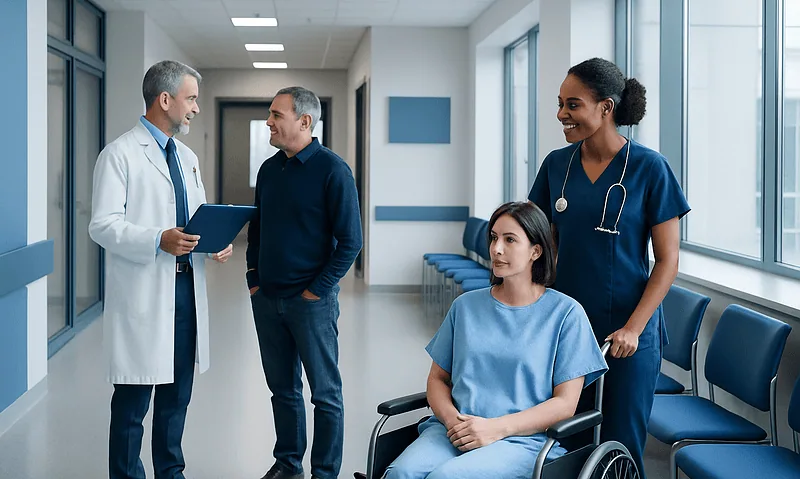
How to Get Rid of Bloated Stomach after Surgery: Procedure, Recovery and Results

Postoperative bloating is often caused by temporary slowing of the bowel, swallowed air, gas used during minimally invasive surgery and fluid retention. Walking, changing position, drinking as advised and advancing food gradually can support the return of normal bowel function.
Key Takeaways
- Postoperative bloating is often caused by temporary slowing of the bowel, swallowed air, gas used during minimally invasive surgery and fluid retention.
- Walking, changing position, drinking as advised and advancing food gradually can support the return of normal bowel function.
- The length of bloating varies with the operation, anesthesia, medicines and individual recovery, but it should gradually improve.
- A rapidly worsening swollen abdomen, severe pain, repeated vomiting, fever, inability to pass gas or stool, or breathing difficulty needs prompt medical assessment.
- Only use laxatives, gas remedies or herbal products if the surgeon or another qualified clinician says they are appropriate.
A bloated or enlarged-feeling stomach is common after many operations, especially abdominal or pelvic procedures. It usually improves as the bowel starts moving normally again; gentle activity, appropriate fluids, gradual meals and following the surgical team’s instructions can help.
Overview: How to Get Rid of Bloated Stomach After Surgery
To get rid of a bloated stomach after surgery, the safest approach is usually to support normal bowel recovery: walk short distances as soon as the surgical team permits, change position regularly, drink fluids according to the care plan and reintroduce food gradually. Bloating often settles as anesthesia effects wear off and the intestines begin moving and passing gas normally again.
The sensation may include pressure, fullness, visible abdominal swelling, burping or cramping. It is particularly common after operations involving the abdomen or pelvis, and after laparoscopic surgery, where carbon dioxide gas is used to create working space. However, a markedly swollen or painful abdomen can occasionally signal a complication, so recovery symptoms should be monitored in context.
This article explains why postoperative bloating happens, what practical measures may help, and when to contact the surgical team. Individual discharge instructions always take priority because the right diet, activity level and medicines depend on the procedure and the person’s health.
Why Is My Belly So Big After Surgery?
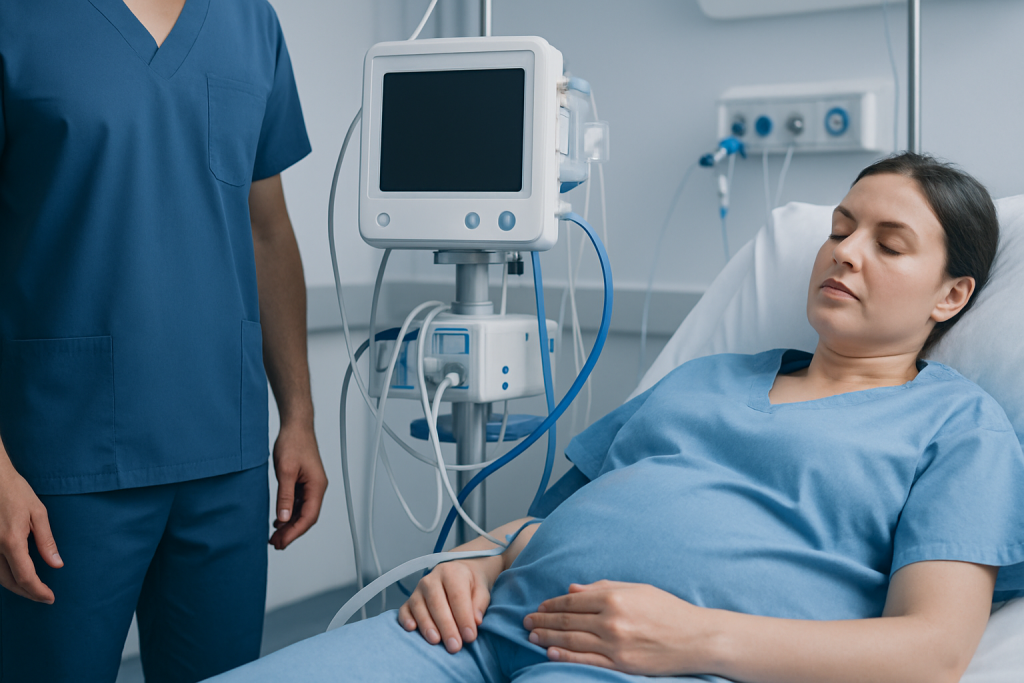
A belly can look or feel bigger after surgery for several ordinary reasons. General anesthesia and opioid pain medicines can temporarily slow intestinal contractions, a state often called postoperative ileus. When food, fluid and gas move more slowly through the bowel, the abdomen may become distended and uncomfortable.
Swelling of tissues from the operation, intravenous fluids and temporary changes in salt balance can also contribute. After laparoscopic surgery, some of the carbon dioxide placed in the abdomen may cause bloating or referred discomfort in the shoulder area until it is absorbed. Constipation, reduced movement, dietary changes and swallowing air while eating quickly can add to the problem.
Not all swelling has the same cause. A localized lump near an incision, increasing redness, wound drainage, severe tenderness or swelling that is steadily worsening should be assessed rather than assumed to be normal gas. The clinician may consider issues such as constipation, infection, a bowel obstruction or another postoperative complication based on the symptoms and examination.
How Long Does Abdominal Bloating Last After Surgery?
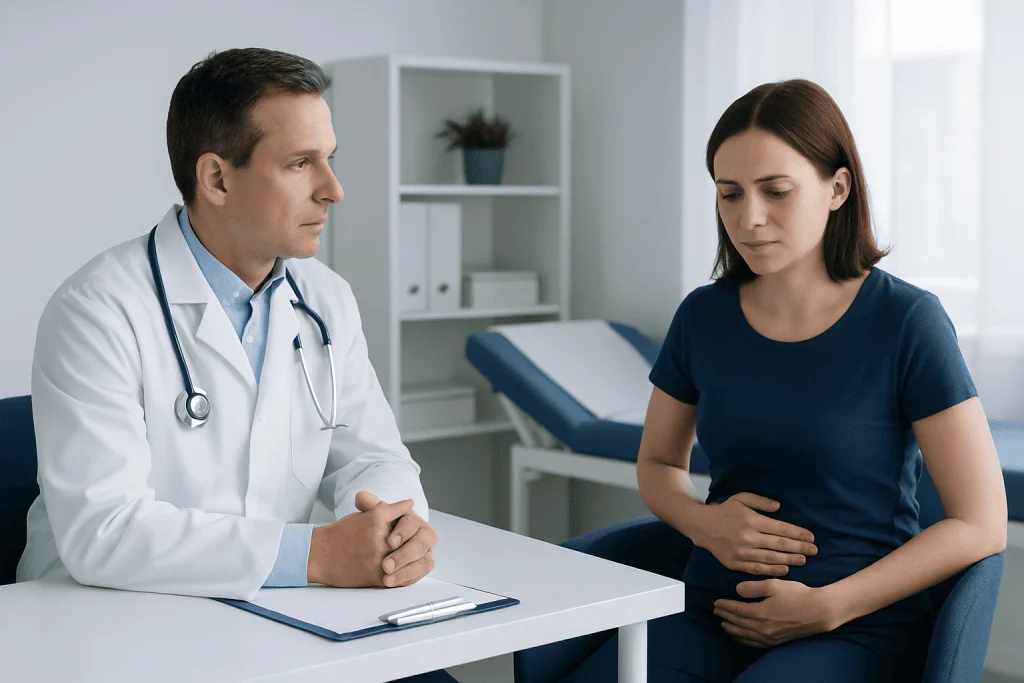
For many people, mild bloating improves over several days as they begin walking, eating and passing gas. After more extensive abdominal, bowel or pelvic surgery, bowel function can take longer to normalize, and a feeling of fullness or altered bowel habits may continue for a few weeks. Recovery is not identical for everyone.
The expected course depends on the type and length of surgery, whether the bowel was handled during the procedure, the anesthetic used, pain medicines, pre-existing digestive conditions and how quickly a person can safely resume movement and eating. Minimally invasive surgery may cause short-term gas-related distension, while open surgery may involve more tissue swelling and a longer recovery.
Improvement over time is reassuring. If bloating is not improving, returns after initially settling, or is paired with vomiting, worsening pain, fever, inability to tolerate liquids, or failure to pass gas or stool as expected, the person should contact their surgeon promptly. The team can explain what is typical for that particular operation.
How Do You Debloat Your Stomach After Surgery?
Early, gentle movement is one of the most useful ways to help bowel activity return. If approved by the surgical team, taking short, frequent walks and sitting upright rather than remaining in bed for long periods can encourage gas to move through the intestines. Slow position changes and deep-breathing exercises may also be included in the recovery plan.
Fluids and food should be introduced exactly as advised. Some operations require clear liquids first, followed by soft or regular foods as tolerated. Smaller meals eaten slowly can feel more comfortable than large meals. Carbonated drinks, chewing gum, very fatty meals and foods known to cause excess gas may be best limited temporarily if they make symptoms worse.
Constipation can intensify bloating. The surgical team may recommend a stool-softening medicine or another bowel regimen, especially when opioid pain medicine is needed. A person should not start laxatives, enemas, supplements or over-the-counter anti-gas medicines without checking first, because these may be unsuitable after certain surgeries or alongside particular medicines.
- Walk as instructed, starting with short distances and increasing gradually.
- Drink fluids within the limits set by the care team.
- Eat small, gradual meals and avoid rushing while eating.
- Take prescribed pain relief as directed; ask whether an opioid-sparing plan is suitable.
- Record bowel movements, gas passage, vomiting and worsening symptoms to discuss with the team.
How Long Does It Take to Get Gas Out of the Abdomen After Surgery?
Gas related to laparoscopic surgery is generally absorbed naturally by the body over the following days. Intestinal gas passes once the bowel begins moving effectively again, which may occur within a short period after minor surgery but can take longer after major abdominal procedures. Passing gas is often an early sign that bowel function is returning, though it is not the only sign clinicians use.
Walking, sitting upright and moving gently can help relieve trapped-gas discomfort. Some people find comfort from a warm pack placed near, but not directly on, the incision if the care team approves it. Incisions should be protected from heat, pressure and moisture, particularly when sensation is reduced or dressings are in place.
Persistent inability to pass gas accompanied by increasing distension, cramping, nausea or vomiting should not be managed at home without advice. These symptoms can occur with a temporary bowel slowdown but may also need evaluation to rule out an obstruction or other problem. The surgical team may recommend an examination, blood tests or imaging if clinically needed.
A Procedure-Focused View: Assessment, Care Plan and Recovery
There is no separate operation that is routinely performed simply to remove normal postoperative bloating. Instead, clinicians first assess whether the symptoms fit expected recovery or suggest a problem needing treatment. They review the type of operation, anesthesia, medicines, food and fluid intake, bowel activity, wound appearance and symptoms such as pain, nausea, fever or vomiting.
If assessment suggests routine postoperative gas or constipation, treatment commonly focuses on mobilization, hydration, a tailored diet progression, symptom control and adjustment of medicines where appropriate. If there is concern for ileus, bowel obstruction, infection, bleeding or another complication, the care pathway may include monitoring in hospital, intravenous fluids, changes to oral intake, imaging, medication or further intervention depending on the cause.
Suitable care is therefore individualized. People recovering from bowel surgery, gynecologic surgery, hernia repair or weight-loss surgery may receive different instructions. For example, recovery after bariatric surgery requires careful, staged nutrition and close follow-up, while bowel operations can require specific monitoring of bowel function. The expected benefit of timely assessment is relief of a treatable cause and prevention of dehydration or delayed recovery; risks depend on any treatment that is required.
When to Seek Medical Care
Contact the surgical team promptly if the abdomen becomes increasingly swollen, hard or painful, if pain is not controlled by the prescribed plan, or if there is repeated vomiting or an inability to keep fluids down. Fever, chills, fainting, new confusion, wound redness or discharge, black or bloody stool, and no passage of gas or stool together with worsening symptoms also need medical advice.
Emergency assessment is appropriate for severe or sudden abdominal pain, trouble breathing, chest pain, persistent vomiting, a swollen abdomen with significant tenderness, or signs of serious allergic reaction. A person should follow local emergency guidance rather than drive themselves if they feel very unwell.
At follow-up, patients can ask when their bowel function, diet and activity should return to their usual pattern and whether any medicines may be contributing to constipation. Acibadem International’s multidisciplinary specialists and JCI-accredited hospitals support diagnosis and treatment for international patients when postoperative symptoms require assessment.
Frequently asked questions
How can I get rid of a bloated stomach after surgery?
Follow the discharge plan, including gentle walking, regular position changes, recommended fluids and gradual meals. Avoid adding laxatives or anti-gas products without medical advice, especially after abdominal surgery. Contact the surgical team if symptoms are worsening rather than gradually improving.
Is bloating normal after surgery?
Mild temporary bloating is common after surgery because anesthesia, pain medicines, reduced activity and bowel handling can slow digestion. Laparoscopic procedures may also cause brief discomfort from the gas used during the operation. It should generally improve as recovery progresses.
When should I worry about a swollen stomach after surgery?
A rapidly enlarging, firm or increasingly painful abdomen should be assessed promptly. Seek medical advice for repeated vomiting, fever, inability to tolerate fluids, no gas or stool with worsening discomfort, wound changes or bleeding. Severe pain or breathing difficulty requires urgent care.
Can I take medication for gas after surgery?
Some people may be able to use certain medicines for gas or constipation, but the choice depends on the operation, medical history and other medicines. The surgeon, pharmacist or another qualified clinician should confirm what is safe. Do not use enemas, laxatives or supplements on your own after surgery.
Does walking help with gas after surgery?
When the surgical team allows it, short, frequent walks can help stimulate bowel movement and move gas through the digestive tract. Walking also supports circulation and recovery after many procedures. Activity limits still matter, so patients should avoid lifting or strenuous exercise until cleared.
Can food make postoperative bloating worse?
Large meals, carbonated drinks, high-fat foods and foods that commonly produce gas may worsen discomfort for some people during early recovery. Smaller, slowly eaten meals and the diet recommended by the care team are usually easier to tolerate. Dietary restrictions may be essential after some procedures, so personalized instructions should be followed.
References
- American College of Surgeons
- MedlinePlus, U.S. National Library of Medicine
- National Institute of Diabetes and Digestive and Kidney Diseases
- National Health Service
- Society of American Gastrointestinal and Endoscopic Surgeons
This article is for general information only and is not a substitute for professional medical advice. Please consult a qualified doctor about your individual situation.
Persistent digestive symptoms? Get evaluated in Turkey
JCI-accredited · board-certified surgeons · reply within 24h
Add us as a Preferred Source to see more of our trusted health content across Google Search, AI Overviews and Discover.