How to Keep Cartilage Healthy at the Ends of Bones

Cartilage covers the ends of bones in joints and helps reduce friction and cushion movement. Regular low-impact exercise and strong muscles help nourish and protect joint cartilage.
Key Takeaways
- Cartilage covers the ends of bones in joints and helps reduce friction and cushion movement.
- Regular low-impact exercise and strong muscles help nourish and protect joint cartilage.
- Maintaining a healthy body weight can reduce stress on cartilage, especially in the knees and hips.
- Persistent joint pain, swelling, stiffness, or catching should be assessed by a qualified doctor.
- Early treatment of joint problems may help preserve function and slow further cartilage damage.
Cartilage at the ends of bones helps joints move smoothly and absorb shock. Supporting cartilage health involves regular low-impact activity, muscle strengthening, weight management, injury prevention, and timely medical care when symptoms appear.
Overview: Why Cartilage Matters
Cartilage is a smooth, resilient tissue that covers the ends of bones inside many joints, including the knees, hips, shoulders, ankles, and fingers. This specialized tissue helps bones glide over one another with very little friction. It also acts as a shock absorber, helping joints tolerate walking, climbing, lifting, and other daily movements.
Unlike many other tissues in the body, cartilage has a limited blood supply. Because of this, it does not heal as quickly after wear or injury. That is one reason joint protection and healthy daily habits are so important. Even though cartilage naturally changes with age, supportive lifestyle choices can help reduce strain on joints and support long-term comfort and mobility.
Keeping cartilage healthy is not about one single food, supplement, or exercise. It usually involves a combination of regular movement, good muscle support around the joints, balanced nutrition, injury prevention, and attention to symptoms when they arise. For people who already have joint disease such as osteoarthritis, these same steps can still play a valuable role in preserving function.
How Cartilage Stays Healthy
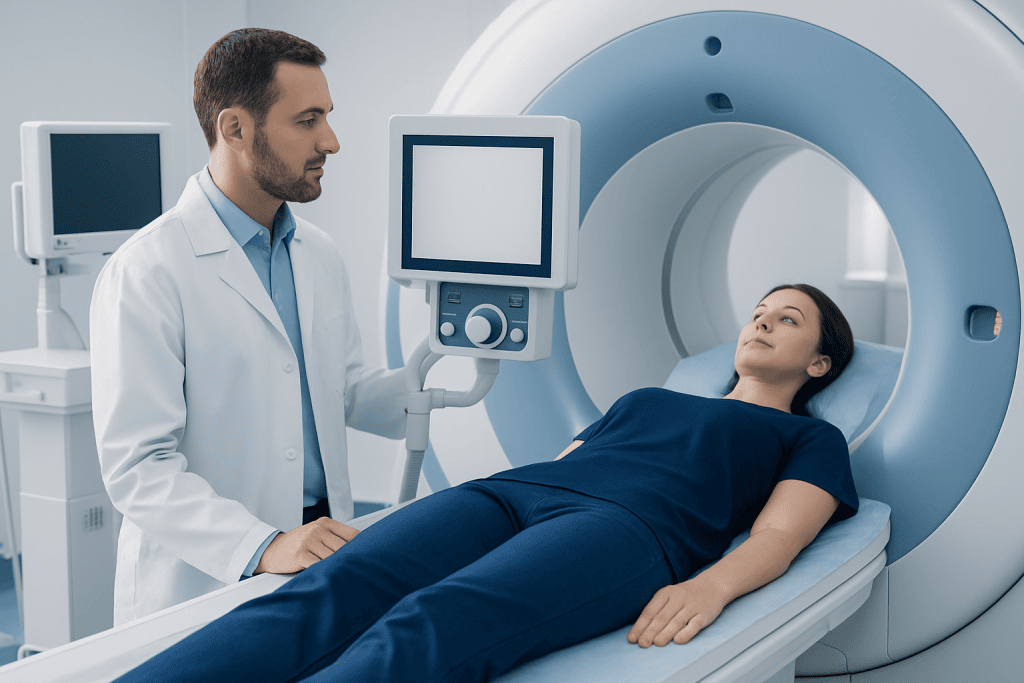
Cartilage depends on joint movement to receive nutrients. When a joint is gently compressed and released during everyday activity, fluid moves through the cartilage and helps deliver nourishment. This is one reason regular movement can be helpful, while long periods of inactivity may contribute to stiffness and reduced joint comfort.
The muscles, tendons, and ligaments around a joint also matter. Strong, balanced muscles can reduce excess load on the joint surface and improve alignment during movement. For example, the muscles around the knees and hips help absorb force that might otherwise be transferred directly to cartilage.
Joint health is also influenced by body weight, posture, biomechanics, and previous injuries. Repeated overloading, poor movement patterns, or instability can gradually increase wear on cartilage. Supporting cartilage health therefore means caring for the whole joint system, not only the cartilage itself.
- Gentle movement helps circulate joint fluid
- Muscle strength improves support and stability
- Flexibility supports healthier movement patterns
- Balanced loading reduces excess wear on joint surfaces
Signs Cartilage May Be Under Stress
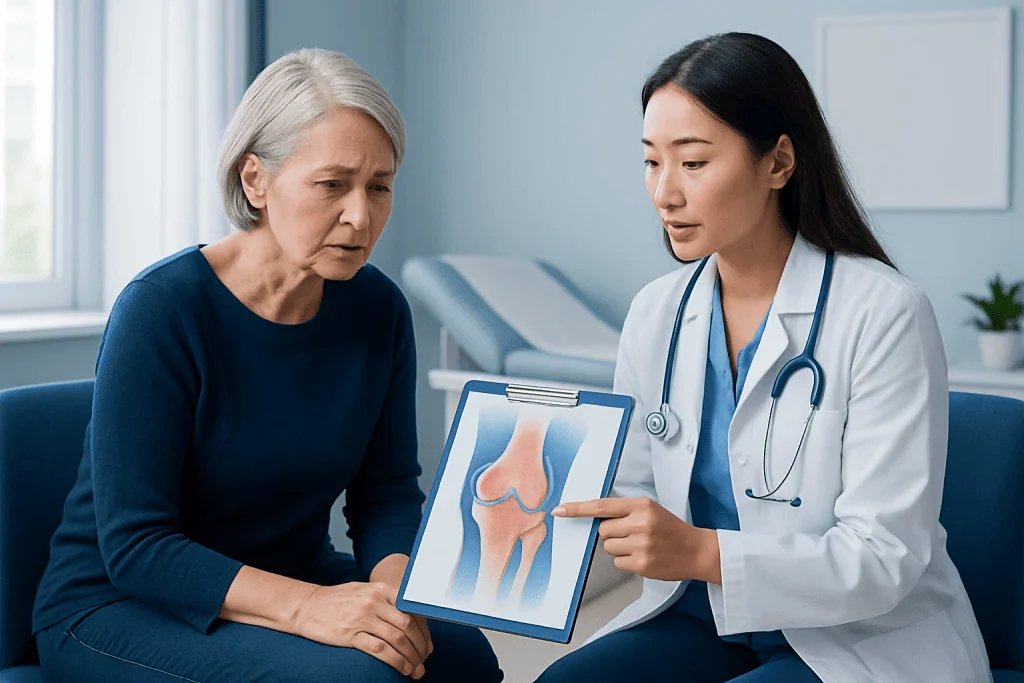
Cartilage itself does not usually cause pain directly because it does not contain nerves in the same way many other tissues do. However, when cartilage becomes worn or damaged, surrounding structures in the joint can become irritated. This may lead to symptoms that signal a joint needs attention.
Common signs include joint pain during or after activity, swelling, stiffness after rest, reduced range of motion, or a feeling that the joint is not moving smoothly. Some people notice grinding, clicking, or catching. Others feel weakness or instability, especially in the knee, ankle, or shoulder.
These symptoms do not always mean severe cartilage loss, but they are worth monitoring. If symptoms are ongoing, getting worse, or interfering with daily tasks, a medical assessment is advisable. Early evaluation can help identify whether the issue relates to overuse, injury, inflammation, or a condition affecting the joint surface.
Everyday Habits That Help Protect Cartilage
One of the most effective ways to support cartilage health is to stay physically active with the right type of exercise. Low-impact activities such as walking, cycling, swimming, and water exercise can help keep joints moving while limiting excessive impact. Regular activity also supports circulation, muscle strength, and weight management.
Strength training is equally important. Building the muscles around the hips, knees, core, and shoulders can improve joint control and reduce stress on cartilage. Flexibility and balance exercises may also help lower the risk of falls or awkward movements that strain joints. A structured physical therapy and rehabilitation program may be useful for people with pain, weakness, or a past injury.
Body weight plays a major role, especially for weight-bearing joints. Extra body weight increases the force passing through the knees, hips, and lower back during routine activities. Gradual, sustainable weight management may help reduce discomfort and protect the joint surface over time.
It also helps to use joints wisely during daily tasks. Repetitive high-impact loading, poor lifting technique, and sudden increases in training can all contribute to joint stress. Supportive shoes, proper exercise form, rest after heavy activity, and gradual progression in sports or fitness routines can all be beneficial.
Nutrition, Lifestyle, and Joint Support
No single food can guarantee healthy cartilage, but a balanced eating pattern supports the tissues involved in joint health. Meals that include vegetables, fruits, whole grains, legumes, nuts, lean proteins, and healthy fats provide nutrients the body uses for maintenance and repair. Adequate protein is important for muscles, which in turn help protect joints.
Hydration also matters. Water helps support normal body functions, including the fluid environment within joints. While hydration alone cannot rebuild cartilage, staying well hydrated is part of an overall healthy routine.
Smoking and poor sleep may also affect musculoskeletal health. Smoking is associated with reduced healing capacity in many tissues, and inadequate sleep can make pain feel worse and interfere with recovery. Managing long-term stress, sleeping well, and avoiding tobacco can support overall joint well-being.
Many people ask about supplements for cartilage. Some supplements are widely used, but results can vary and they are not a replacement for medical treatment, exercise, or weight management. It is sensible to discuss any supplement with a doctor or pharmacist, especially for people with chronic conditions or those taking other medications.
Common Causes of Cartilage Damage
Cartilage can be affected by aging, injury, overuse, joint misalignment, inflammatory conditions, or underlying disease. Normal aging may gradually change the structure of cartilage, but symptoms and joint function vary widely from person to person. Many adults maintain active lifestyles for years with the right support and care.
Sports injuries, falls, and accidents can damage the joint surface directly or lead to instability that increases later wear. Tears of structures such as the meniscus or ligaments may also change how force passes through a joint. In some cases, problems such as meniscus tears or repeated dislocations can contribute to cartilage stress over time.
Inflammatory joint diseases, metabolic conditions, and biomechanical problems can also affect cartilage. For example, joints that do not track properly or feet that alter walking mechanics may create uneven pressure. If a person has persistent symptoms, a doctor may look for both local joint problems and broader health factors.
Diagnosis and Treatment Options
Doctors evaluate cartilage-related problems by asking about symptoms, activity level, previous injuries, and how the joint behaves during daily life. A physical examination helps assess swelling, range of motion, tenderness, alignment, stability, and muscle strength. Imaging such as X-rays or MRI may be recommended depending on the suspected cause.
Treatment depends on the joint involved, the severity of symptoms, and the underlying diagnosis. Conservative treatment often includes activity modification, targeted exercise, weight management, pain-relieving strategies, and rehabilitation. In some cases, doctors may recommend orthopedic rehabilitation to improve strength, movement patterns, and function.
When symptoms are related to structural injury or advanced joint damage, more specialized treatment may be considered. This can include injections, procedures to address specific cartilage defects, or surgery when appropriate. For selected patients with severe joint degeneration, options may extend to knee replacement or hip replacement if non-surgical measures no longer provide enough relief.
Near the end of the care pathway, it is helpful to know that Acibadem International’s multidisciplinary specialists and JCI-accredited hospitals diagnose and treat joint and cartilage conditions for international patients. The most suitable treatment is always based on an individual medical assessment.
Prevention and When to See a Doctor
While not every cause of cartilage damage can be prevented, many practical steps can reduce risk. Staying active, strengthening major muscle groups, maintaining flexibility, using proper technique during sports, and wearing appropriate footwear are sensible habits. It is also wise to treat injuries seriously and allow enough recovery time before returning to intense activity.
People should consider medical advice if they have joint pain that lasts more than a few weeks, swelling that keeps returning, stiffness that limits daily activities, or a joint that locks, catches, or gives way. These symptoms do not always indicate major damage, but they should not be ignored.
Urgent evaluation may be needed after a significant injury, sudden inability to bear weight, marked deformity, fever with a hot swollen joint, or rapidly worsening pain. A doctor can determine whether symptoms are due to cartilage wear, ligament or meniscus injury, inflammation, or another condition entirely. Prompt care often gives the best chance of relieving symptoms and protecting long-term joint function.
Frequently asked questions
Can cartilage grow back once it is damaged?
Cartilage has limited healing ability because it does not have a rich blood supply. Small areas may improve to some extent, but significant damage usually does not fully repair on its own. Treatment focuses on reducing symptoms, protecting the joint, and improving function.
What exercise is best for cartilage health?
Low-impact activities such as walking, cycling, swimming, and water exercise are often joint-friendly choices. Strength training for the muscles around the joints is also important because it helps reduce stress on cartilage. The best exercise plan depends on the person's symptoms, age, and any existing joint condition.
Does being overweight affect cartilage?
Yes, extra body weight can increase the load on weight-bearing joints, especially the knees and hips. Over time, this may contribute to cartilage wear and joint discomfort. Even modest weight reduction can be helpful for some people.
Are supplements enough to keep cartilage healthy?
Supplements are not a complete strategy for cartilage health and they do not replace exercise, weight management, or medical care. Some people choose to try them, but benefits can vary. It is best to discuss supplements with a healthcare professional before starting them.
How do I know if my joint pain is from cartilage damage?
Joint pain can come from many structures, including ligaments, tendons, bone, the joint lining, or surrounding muscles. Cartilage-related problems may be suggested by stiffness, swelling, grinding, catching, or pain with movement, but only a proper medical assessment can identify the cause. Imaging may sometimes be needed.
When should someone seek medical help for joint symptoms?
A doctor should assess persistent pain, repeated swelling, limited movement, or a joint that feels unstable or locks. Immediate care is more important after a major injury, inability to bear weight, or a hot swollen joint with fever. Early evaluation can help guide treatment and protect joint function.
References
- World Health Organization
- American Academy of Orthopaedic Surgeons
- National Institute of Arthritis and Musculoskeletal and Skin Diseases
- Arthritis Foundation
This article is for general information only and is not a substitute for professional medical advice. Please consult a qualified doctor about your individual situation.
Joint and spine care in Turkey — expert assessment & treatment
JCI-accredited · board-certified surgeons · reply within 24h
Add us as a Preferred Source to see more of our trusted health content across Google Search, AI Overviews and Discover.

More from the Health Library



Related Specialists

Prof. Dr. Seyit Ali Gümüştaş
Orthopedic Surgery & Traumatology
Dr. Can Aksoğan
Dermatology
Prof. Dr. Zeynep Güven
Physical Medicine & Rehabilitation
Prof. Dr. Yaşar Çolak
Gastroenterology