How to loosen a bowel blockage at home? A Doctor-Reviewed Answer

Home care may help mild constipation, but not a true bowel obstruction. Severe belly pain, vomiting, bloating, and inability to pass gas can signal an emergency.
Key Takeaways
- Home care may help mild constipation, but not a true bowel obstruction.
- Severe belly pain, vomiting, bloating, and inability to pass gas can signal an emergency.
- Do not force laxatives, enemas, or large meals if obstruction is possible.
- Hydration, fiber changes, and movement should be used carefully and based on symptoms.
- Persistent or worsening symptoms should be assessed by a doctor promptly.
How to loosen a bowel blockage at home depends on what “blockage” means. Mild constipation may sometimes improve with fluids, gentle activity, and dietary changes, but a true bowel obstruction is a medical emergency and should not be treated at home.
Overview: Can a bowel blockage be loosened at home?
For many people, the phrase how to loosen a bowel blockage at home actually refers to constipation. Mild constipation can sometimes improve with simple steps such as drinking fluids, walking, and adjusting fiber intake. However, a true bowel blockage, also called a bowel obstruction, usually cannot be safely treated at home.
A bowel obstruction happens when the intestine is partly or completely blocked, preventing food, fluid, and gas from moving through normally. This can occur for several reasons, including scar tissue, hernias, inflammation, twisting of the bowel, or tumors. In these situations, trying to “push things through” at home may delay needed treatment and can be unsafe.
The key first step is to tell the difference between uncomplicated constipation and possible obstruction. Constipation may cause hard stools, straining, and a sense of incomplete emptying. Obstruction is more likely when symptoms include severe cramping pain, a swollen abdomen, vomiting, and not being able to pass gas or stool.
If there is any concern for a true blockage, medical care is important right away. If symptoms seem mild and more consistent with constipation, gentle self-care may help while keeping a close watch for warning signs. Related digestive conditions may also need evaluation, including Crohn’s disease or other causes of intestinal inflammation.
Constipation vs. bowel obstruction: why the difference matters
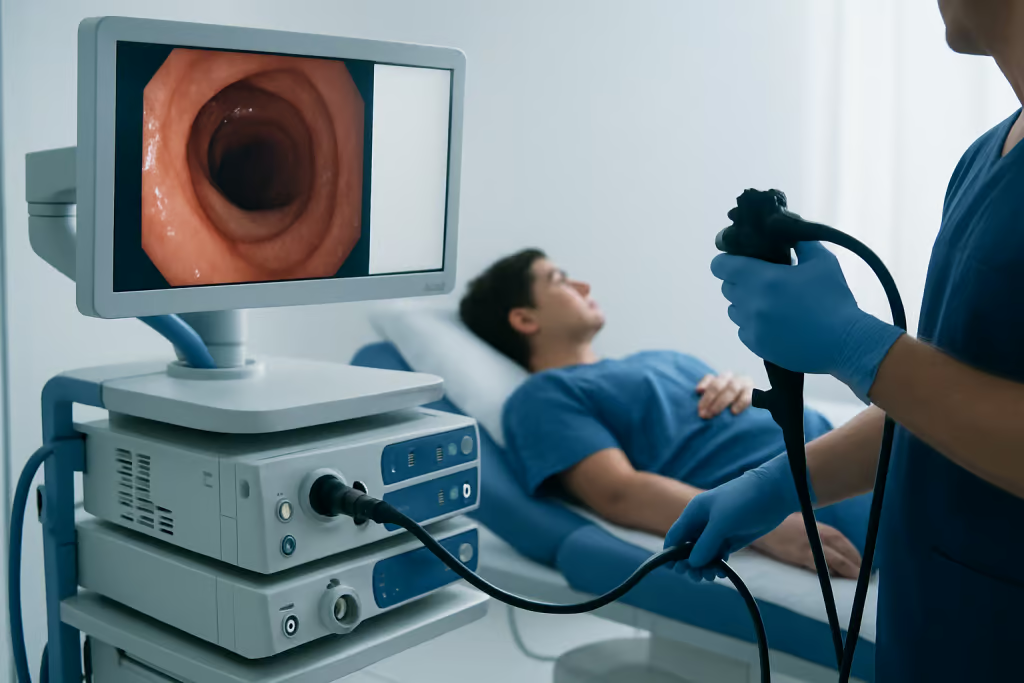
Constipation is common and usually means bowel movements are infrequent, hard, difficult to pass, or all three. It may follow dehydration, low fiber intake, travel, medication changes, stress, or reduced physical activity. Although uncomfortable, constipation is often temporary and may respond to conservative care.
A bowel obstruction is different. It means the intestine is narrowed or blocked enough that the bowel contents cannot move along normally. A person may still pass a small amount of stool early on, so passing something does not always rule out obstruction. That is why the full pattern of symptoms matters.
Doctors also consider a related problem called ileus, where the bowel slows down or stops moving without a physical blockage. This can happen after surgery, with certain medicines, or during illness. Symptoms can resemble obstruction and also need medical assessment.
If someone has a history of abdominal surgery, inflammatory bowel disease, cancer, hernia, or repeated bowel obstructions, new symptoms should be taken seriously. In these cases, a “wait and see” approach at home is less appropriate, because the risk of a more serious cause is higher.
Symptoms that may suggest a true blockage

Symptoms of bowel obstruction often build over hours or days, though they can sometimes come on suddenly. Common signs include cramping or constant abdominal pain, visible bloating, nausea, vomiting, and difficulty passing gas or stool. The abdomen may feel tight or swollen, and eating may quickly worsen discomfort.
Constipation alone does not usually cause intense, persistent pain or repeated vomiting. Those symptoms are more concerning, especially if they occur together. Some people also notice loud bowel sounds at first, followed later by a quieter abdomen as the bowel becomes more stressed.
Urgent warning signs include:
- Severe or worsening abdominal pain
- Repeated vomiting, especially green or fecal-smelling vomit
- A swollen, hard, or very tender abdomen
- Inability to pass gas along with abdominal distension
- Fever, weakness, dizziness, or signs of dehydration
- Blood in the stool or black stools
These symptoms should not be managed with home remedies alone. They need prompt medical attention, often with imaging and a physical examination. In some cases, doctors evaluate for conditions such as colon cancer when bowel habits change or blockage symptoms recur.
If symptoms seem mild: safe home steps for constipation
If symptoms are mild, there is no severe pain or vomiting, and the person is still passing gas, the problem may be constipation rather than true obstruction. In that situation, a few gentle steps may help. Sipping water regularly can soften stool if dehydration is contributing, and a short walk may stimulate bowel movement in some people.
Warm fluids, such as tea or warm water, may feel soothing and can encourage bowel activity. Some people benefit from a regular toilet routine, especially after meals, without straining. A footstool under the feet can improve posture and make bowel movements easier.
Fiber can help some people, but timing matters. If the abdomen is very bloated or painful, adding large amounts of fiber may make discomfort worse. For chronic mild constipation, gradual increases in fiber from foods such as oats, fruit, vegetables, and legumes are often more comfortable than a sudden increase.
Some over-the-counter constipation remedies may be appropriate for certain adults, but they should be used carefully and according to package directions or a clinician’s advice. If symptoms are new, severe, or unusual, it is safer to speak with a doctor before taking laxatives. People with ongoing digestive concerns may need specialist assessment through gastroenterology care.
What not to do at home
When people search for how to loosen a bowel blockage at home, they may be tempted to try strong laxatives, repeated enemas, herbal cleanses, or large amounts of fiber all at once. These approaches are not always safe. If there is a true obstruction, they may increase pain, worsen distension, or delay urgent treatment.
It is also best not to keep eating large or heavy meals when nausea, bloating, and abdominal pain are present. If the bowel is not moving normally, forcing food or fluids too quickly may make symptoms worse. Alcohol can also contribute to dehydration and is not helpful in this setting.
Pain medicines may mask symptoms, and some can worsen constipation. Opioid medications in particular are a common cause of severe constipation and can contribute to ileus. If a medicine seems to be involved, a doctor or pharmacist can help review safer options rather than self-treating repeatedly.
People should also avoid assuming that every difficult bowel movement is “just constipation.” Recurrent episodes, unexplained weight loss, anemia, blood in the stool, or major changes in bowel habits deserve medical evaluation rather than ongoing home treatment.
How doctors diagnose and treat bowel blockage
When obstruction is suspected, doctors start with questions about symptoms, prior surgeries, medications, bowel habits, and medical history. A physical examination helps assess abdominal swelling, tenderness, bowel sounds, and signs of dehydration. Blood tests may also be used to look for infection, electrolyte imbalance, or other complications.
Imaging is often needed to confirm the diagnosis and look for the cause. Depending on the situation, this may include abdominal X-rays, ultrasound, or CT scan imaging. CT is especially useful because it can show where the blockage is and whether there are concerning signs such as twisting, reduced blood flow, or perforation.
Treatment depends on the cause and severity. Some partial obstructions improve with hospital observation, bowel rest, intravenous fluids, and decompression using a tube if needed. Others require procedures or general surgery to remove or bypass the blockage, repair a hernia, or treat the underlying disease.
For constipation rather than obstruction, treatment may focus on diet, fluid intake, exercise, reviewing medications, and choosing an appropriate laxative plan. If a structural problem or persistent symptoms are suspected, a doctor may recommend further evaluation, sometimes including colonoscopy when clinically appropriate. Acibadem International’s multidisciplinary specialists and JCI-accredited hospitals diagnose and treat digestive conditions for international patients.
Prevention and self-care for healthier bowel habits
Many episodes of constipation can be reduced with consistent daily habits. Drinking enough fluids, staying physically active, and eating a balanced diet with fruits, vegetables, whole grains, and other fiber-rich foods can support regular bowel movements. The best approach is usually steady and moderate rather than sudden changes.
Responding to the urge to have a bowel movement is also important. Regularly delaying bowel movements can make stool drier and harder to pass. Some people find it helpful to sit on the toilet at the same time each day, especially after breakfast, when the body’s natural reflexes may be stronger.
Medication review matters too. Iron supplements, calcium supplements, some antacids, opioids, and certain other medicines may worsen constipation. A clinician may suggest alternatives or supportive measures if constipation keeps returning.
People with chronic constipation, inflammatory bowel disease, prior abdominal surgery, or neurological disorders may need more individualized advice. Prevention is not always possible when a true obstruction is caused by scar tissue or other structural problems, but early attention to new symptoms can reduce complications.
When to seek medical care
Medical care should be sought promptly for severe abdominal pain, vomiting, marked bloating, inability to pass gas, faintness, fever, or blood in the stool. These symptoms can suggest bowel obstruction or another urgent abdominal problem. It is especially important not to rely on home remedies when symptoms are intense or rapidly worsening.
Medical review is also wise if constipation lasts more than a few days despite self-care, keeps returning, or is accompanied by weight loss, anemia, or new changes in bowel habits. Older adults, children, pregnant people, and anyone with major medical conditions may need earlier assessment because dehydration and complications can develop more quickly.
After abdominal surgery, a sudden change in bowel function should be discussed with a clinician, particularly if there is swelling, vomiting, or little gas passage. People with known hernias, inflammatory bowel disease, or a history of previous obstructions should have a low threshold for seeking help.
In short, home care may help mild constipation, but it should not be used to manage a suspected bowel obstruction. When symptoms do not clearly fit simple constipation, the safest next step is an evaluation by a qualified doctor.
Frequently asked questions
Can a bowel blockage clear on its own?
Mild constipation can sometimes improve on its own or with gentle self-care. A true bowel obstruction may not clear safely without medical treatment, especially if symptoms are severe or worsening. Persistent pain, vomiting, or inability to pass gas should be treated as urgent.
How can someone tell if it is constipation or a bowel obstruction?
Constipation usually causes hard stools, straining, and a feeling of incomplete emptying. Obstruction is more concerning when there is significant abdominal swelling, repeated vomiting, severe cramping or constant pain, and difficulty passing gas. The distinction is not always obvious, so medical advice is important if symptoms are strong or unusual.
Should laxatives be used for a suspected bowel blockage?
Not without medical guidance if obstruction is possible. Laxatives may be reasonable for simple constipation in some adults, but they can be inappropriate or unsafe when there is severe pain, vomiting, or marked bloating. A doctor can help decide whether they are suitable.
What foods help if the problem is mild constipation?
For uncomplicated constipation, gradual increases in fiber from fruit, vegetables, beans, oats, and whole grains may help. Drinking enough water is important so fiber can work properly. If there is significant bloating or pain, adding a lot of fiber suddenly may make discomfort worse.
Is it safe to try an enema at home?
An enema may not be safe if there is a possible obstruction, severe pain, rectal bleeding, or significant abdominal swelling. It can also cause irritation or complications if used incorrectly. A clinician should be consulted when symptoms are severe, new, or not clearly simple constipation.
When is constipation an emergency?
Constipation becomes more urgent when it is accompanied by intense pain, vomiting, fever, a swollen abdomen, blood in the stool, or inability to pass gas. These features can point to obstruction or another serious abdominal condition. Emergency assessment is especially important if symptoms are getting worse quickly.
References
- National Institute of Diabetes and Digestive and Kidney Diseases
- American College of Gastroenterology
- National Health Service
- Mayo Clinic
- Merck Manual Consumer Version
This article is for general information only and is not a substitute for professional medical advice. Please consult a qualified doctor about your individual situation.
Persistent digestive symptoms? Get evaluated in Turkey
JCI-accredited · board-certified surgeons · reply within 24h
Add us as a Preferred Source to see more of our trusted health content across Google Search, AI Overviews and Discover.

More from the Health Library



Related Specialists

Dr. İletişim | 444 55 44
Cardiovascular Surgery
Prof. Dr. Ayşe Nurdan Tözün
Internal Medicine
Prof. Dr. Mustafa Herdem
Orthopedic Surgery & Traumatology
Assoc. Prof. Dr. Savaş Karataş
Endocrinology