How to Prepare for a Symptom-Based Medical Assessment

Writing down symptoms, timing, and triggers before the visit can make the assessment clearer and more efficient. A complete list of medicines, supplements, allergies, and past medical history helps reduce missing information.
Key Takeaways
- Writing down symptoms, timing, and triggers before the visit can make the assessment clearer and more efficient.
- A complete list of medicines, supplements, allergies, and past medical history helps reduce missing information.
- Bringing test results, insurance or identification documents, and a trusted companion can make the appointment easier to manage.
- Honest, specific answers are more helpful than trying to self-diagnose.
- Urgent symptoms such as chest pain, severe shortness of breath, stroke signs, or heavy bleeding need immediate medical attention rather than routine assessment.
A symptom-based medical assessment helps doctors understand what a person is experiencing and what may be causing it. Good preparation can make the visit more focused, improve communication, and support timely diagnosis and treatment.
Overview
A symptom-based medical assessment is a clinical evaluation that starts with what a person feels or notices, such as pain, fatigue, dizziness, cough, fever, bowel changes, or shortness of breath. The doctor uses these symptoms, along with the medical history and examination, to build a clearer picture of what may be happening. Sometimes the cause is straightforward, but in many cases symptoms can overlap across several conditions.
Preparing in advance can help a person describe symptoms more accurately and reduce stress during the visit. It can also help the doctor decide whether the issue is likely to be minor, needs monitoring, or requires tests, treatment, or referral to a specialist. Preparation does not need to be complicated; even a short written summary can be very useful.
The goal of the appointment is not for the patient to arrive with a diagnosis. Instead, it is to provide clear, organized information that supports safe and efficient decision-making. A well-prepared visit often leads to better questions, fewer misunderstandings, and a more personalized care plan.
What Information to Gather Before the Visit
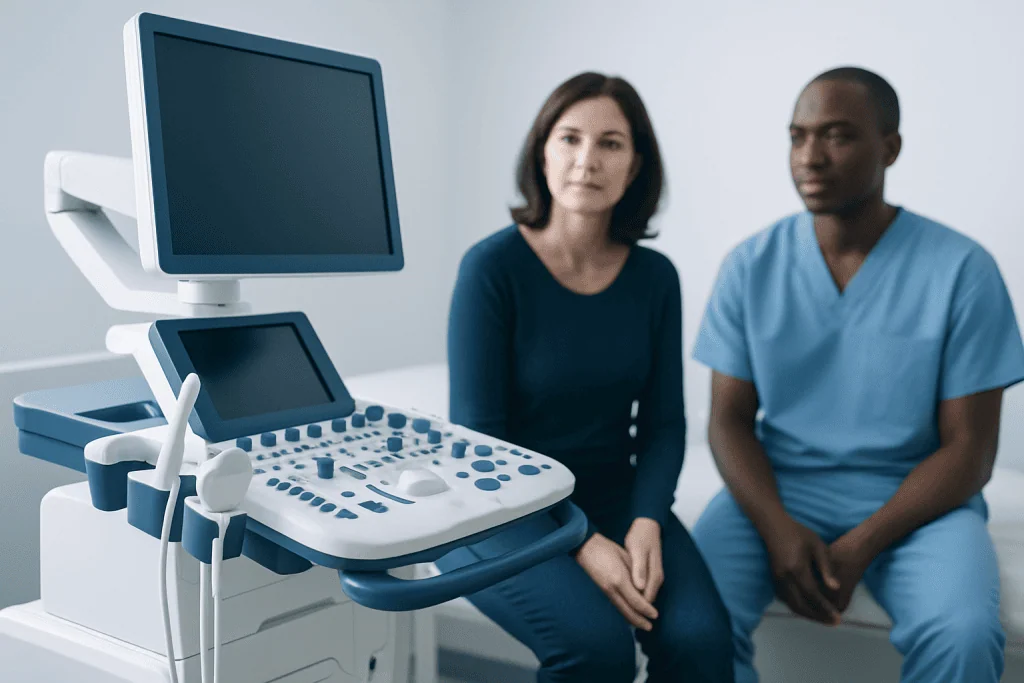
Before the appointment, it helps to collect the main facts that a doctor is likely to ask about. This includes the exact symptom or symptoms, when they started, whether they are constant or come and go, and whether they are improving, worsening, or staying the same. If possible, a person should note what the symptom feels like in everyday language, such as sharp, burning, pressure-like, cramping, itchy, or overwhelming tiredness.
It is also helpful to gather background information that may affect the assessment. This includes past illnesses, previous surgeries, allergies, recent infections, vaccinations when relevant, pregnancy status if applicable, and family history of major conditions such as heart disease, diabetes, cancer, autoimmune disease, or stroke. Lifestyle details can matter too, especially smoking, alcohol use, travel, occupation, sleep, stress, diet, and exercise habits.
A practical checklist may include:
- A list of current symptoms and when each began
- All prescription medicines, over-the-counter drugs, vitamins, and herbal supplements
- Known drug or food allergies and prior reactions
- Past medical conditions, surgeries, and hospitalizations
- Recent test results, scans, discharge summaries, or clinic notes
- Questions or concerns to discuss during the visit
Keeping this information on paper or on a phone can make the discussion easier, especially if the symptoms are complex or the person feels anxious. If there is a language barrier, arranging an interpreter in advance can also improve communication and safety.
How to Describe Symptoms Clearly

Doctors often rely heavily on how symptoms are described. A useful approach is to explain the symptom using a simple structure: where it happens, what it feels like, when it started, how long it lasts, what makes it better or worse, and whether it affects daily life. For example, instead of saying “I do not feel well,” it is more helpful to say “I have had a tight feeling in the center of my chest for three days, especially when I climb stairs.”
If the symptom is pain, describing severity can help, but a number scale alone is not enough. It is often more useful to add context, such as whether the pain wakes the person from sleep, prevents eating, limits walking, or changes with movement. If there are associated symptoms, these should be included as well, such as nausea, fever, rash, weakness, swelling, weight loss, or changes in urination or bowel habits.
Patterns can be especially important. Some symptoms follow meals, menstrual cycles, exercise, stress, body position, medication use, or exposure to allergens or infections. A short symptom diary can be very useful for headaches, abdominal complaints, palpitations, skin flare-ups, fatigue, and other intermittent problems. It may help clinicians decide whether tests such as a general health check-up or MRI imaging are likely to add value.
It is also important to be open about sensitive details. Topics such as mental health symptoms, sexual health, bowel changes, substance use, or missed medications can feel difficult to discuss, but honest information helps the doctor make a safer and more accurate assessment.
What to Expect During a Symptom-Based Medical Assessment
Most assessments begin with a conversation about the main concern, followed by questions that narrow down possible causes. The doctor may ask when the symptom started, what triggered it, whether it has changed over time, and whether there are related symptoms. They may also ask about medical history, family history, work, travel, sleep, and stress, depending on the problem being evaluated.
A physical examination usually follows. This may include checking temperature, blood pressure, pulse, oxygen level, weight, and breathing rate. The doctor may then examine the area related to the symptom, such as listening to the heart and lungs, feeling the abdomen, testing strength and sensation, or examining the skin, throat, or joints.
Not every symptom needs immediate testing. In some cases, the history and examination provide enough information for the doctor to recommend treatment, monitoring, or follow-up. In other cases, blood tests, urine tests, ultrasound, or other imaging may be needed to clarify the diagnosis. If symptoms suggest a specific condition, the doctor may discuss possibilities such as migraine or irritable bowel syndrome, while explaining that other causes may still need to be ruled out.
Sometimes the most important result of the first visit is a plan rather than a final answer. That plan may include watchful waiting, symptom tracking, lifestyle changes, medication review, repeat assessment, or referral to a specialist. This stepwise approach is common and can be appropriate when symptoms are not severe or when the likely causes are broad.
How to Make the Appointment More Productive
Arriving a little early can give time to complete forms without feeling rushed. Wearing comfortable clothing can also help if an examination is likely. A person should bring glasses, hearing aids, or mobility aids if needed, since these can affect communication and safety during the visit.
It helps to prioritize concerns. If there are many symptoms, listing the top two or three most urgent issues can help the doctor focus while still noting the full picture. Bringing written questions is often useful, especially if the person tends to forget details when anxious. Questions might include what the likely causes are, what warning signs to watch for, what tests are needed, and when follow-up should happen.
Having a family member or trusted friend attend can be helpful for older adults, people with memory concerns, or anyone who feels overwhelmed. A companion can take notes, help provide history, and support understanding of the next steps. For some people, it may also help to ask the clinic beforehand whether telehealth, interpreter services, or electronic sharing of past results is available.
Good communication is a two-way process. If the explanation is unclear, it is reasonable to ask the doctor to repeat information in simpler terms or to write down the plan. Asking, “What is the most likely cause?” and “What should prompt urgent medical care?” can be especially helpful before leaving.
Common Mistakes to Avoid
One common mistake is minimizing symptoms because they feel embarrassing or hard to explain. Another is exaggerating or guessing details because of worry. Both can make assessment more difficult. It is usually best to describe exactly what has been noticed, including uncertainty when appropriate.
People sometimes forget to mention medicines that seem unimportant, such as pain relievers, antacids, supplements, sleeping tablets, weight-loss products, or herbal remedies. These can affect symptoms, test results, and treatment choices. Recent changes in medication are especially important, including missed doses or stopping a medicine suddenly.
Another issue is focusing too strongly on one self-diagnosis from the internet or social media. Online information can help people ask informed questions, but it should not replace professional assessment. Symptoms are often shared by many different conditions, and the same condition can appear differently from one person to another.
Finally, delaying care for red-flag symptoms can be risky. A routine office visit is not the right setting for severe chest pain, sudden weakness, fainting, major breathing difficulty, or signs of stroke. In these situations, emergency care is the safer choice.
When to Seek Urgent or Emergency Care
Although many symptoms can be assessed in a planned outpatient visit, some need immediate medical attention. A person should seek urgent or emergency care for chest pain, sudden severe shortness of breath, new confusion, seizures, loss of consciousness, severe allergic reactions, uncontrolled bleeding, or signs of dehydration that prevent drinking or urinating normally.
Emergency evaluation is also important for possible stroke symptoms, such as sudden facial drooping, arm weakness, trouble speaking, sudden vision loss, or sudden severe dizziness with neurological changes. Other urgent warning signs include a very severe headache unlike usual headaches, high fever with neck stiffness, severe abdominal pain, black or bloody stools, or sudden swelling and pain in one leg with breathing symptoms.
In infants, older adults, pregnant patients, and people with weakened immune systems or serious chronic illness, a lower threshold for medical review is often appropriate. Symptoms may be less typical in these groups, and complications can develop more quickly. When in doubt, contacting a qualified healthcare professional promptly is sensible.
For patients seeking coordinated international care, Acibadem International’s multidisciplinary specialists and JCI-accredited hospitals evaluate symptoms, arrange appropriate testing such as CT scanning when indicated, and guide treatment planning based on the individual clinical picture.
Frequently asked questions
What is a symptom-based medical assessment?
It is a medical evaluation that begins with a person's symptoms rather than a known diagnosis. The doctor uses the symptom history, medical background, physical examination, and sometimes tests to understand the likely cause and decide on next steps.
Should a person keep a symptom diary before the appointment?
Yes, a symptom diary can be very helpful, especially for problems that come and go. Writing down when symptoms happen, how long they last, possible triggers, and any related changes can make patterns easier for the doctor to recognize.
What should be brought to a medical assessment?
Useful items include a list of medicines and supplements, allergy information, past test results, and a summary of medical history. It also helps to bring identification, referral documents if needed, and written questions for the doctor.
Is it helpful to research symptoms online before a visit?
Online information can help a person organize questions, but it should be used carefully. Symptoms often have many possible causes, so self-diagnosis may be misleading and can increase unnecessary worry.
What if the doctor does not give a final diagnosis at the first visit?
That is common, especially when symptoms are new, mild, or shared by many conditions. The first visit may still be very useful because it creates a plan for monitoring, testing, treatment, or referral if needed.
Can anxiety affect how symptoms are assessed?
Yes, anxiety can make it harder to remember details or explain symptoms clearly. Preparing notes in advance and bringing a trusted companion can improve communication, and it is also important to mention anxiety symptoms themselves if they are part of the problem.
References
- World Health Organization
- Centers for Disease Control and Prevention
- National Institute for Health and Care Excellence
- MedlinePlus
- Mayo Clinic
This article is for general information only and is not a substitute for professional medical advice. Please consult a qualified doctor about your individual situation.
Persistent digestive symptoms? Get evaluated in Turkey
JCI-accredited · board-certified surgeons · reply within 24h
Add us as a Preferred Source to see more of our trusted health content across Google Search, AI Overviews and Discover.

More from the Health Library



Related Specialists

Dr. Asmar Hasanova
Gynecology & Obstetrics
Asst. Prof. Dr. Mustafa Sungur
Orthopedic Surgery & Traumatology
Dr. Ali Demir
Pediatric Rehabilitation
Dr. İrem Buse Karakum
Emergency Service