Human Body — Explained by Medical Evidence, Not Myths

The human body works through many connected systems, not isolated organs. Homeostasis helps regulate temperature, blood pressure, fluids, and energy use.
Key Takeaways
- The human body works through many connected systems, not isolated organs.
- Homeostasis helps regulate temperature, blood pressure, fluids, and energy use.
- Symptoms such as pain, fever, fatigue, or swelling are body signals that deserve context and, sometimes, medical evaluation.
- Lifestyle habits strongly influence heart, brain, metabolic, bone, and immune health.
- Routine preventive care can detect problems early, before clear symptoms appear.
The human body is a coordinated living system made of cells, tissues, organs, and organ systems that constantly work together to keep a person alive and functioning. Understanding it through medical evidence—not myths—helps explain how the body maintains balance, responds to stress, heals injury, and signals when medical care may be needed.
Overview: what the human body is and how it functions
The human body is a highly organized biological system made up of trillions of cells. These cells form tissues, tissues form organs, and organs work together in organ systems such as the nervous, cardiovascular, respiratory, digestive, endocrine, immune, and musculoskeletal systems. Medical evidence shows that health depends less on any one organ working alone and more on how these systems communicate and adapt together.
A central concept in human physiology is homeostasis. This means the body continuously adjusts internal conditions—such as temperature, blood sugar, hydration, oxygen level, and blood pressure—to stay within safe ranges. Hormones, nerves, blood flow, and chemical signals all help make these adjustments, often without a person being aware of them.
Popular myths often oversimplify the body, such as the idea that organs act independently or that symptoms always point to one clear cause. In reality, the same symptom can involve several systems. For example, fatigue may reflect sleep loss, infection, anemia, thyroid problems, mental stress, heart disease, or poor nutrition. Evidence-based understanding looks at the whole person rather than isolated body parts.
The body’s building blocks: cells, tissues, and organs
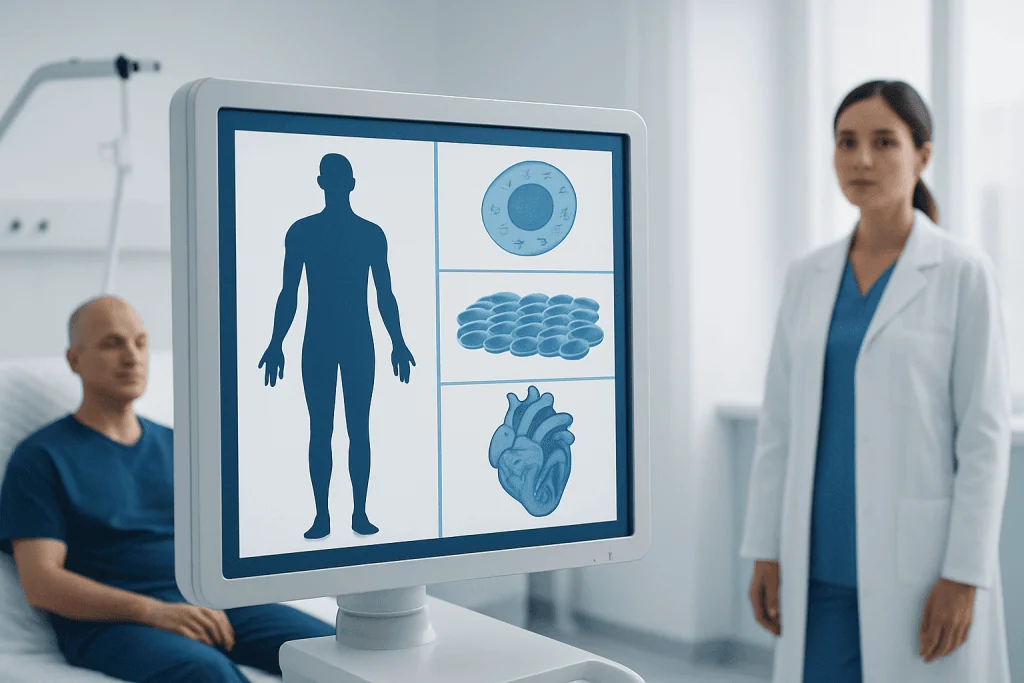
Cells are the smallest functional units of the human body. Different cell types have specialized roles: nerve cells transmit signals, muscle cells contract, blood cells transport oxygen or support immunity, and glandular cells produce hormones and enzymes. Although cells vary widely, they share common needs such as oxygen, nutrients, water, and stable internal chemistry.
Groups of similar cells form tissues. The four main tissue types are epithelial tissue, connective tissue, muscle tissue, and nervous tissue. Epithelial tissue covers surfaces and lines organs, connective tissue provides support and structure, muscle tissue creates movement, and nervous tissue handles communication. Organs are then built from combinations of these tissues working together for a specific function.
Examples help show this organization clearly. The heart is an organ made of muscle, connective tissue, blood vessels, and electrical conduction tissue. The stomach includes muscle for mixing food, glandular cells for acid production, and nerves that coordinate digestion. This layered design explains why disease in one organ may affect several functions at once.
The body also repairs and renews itself continuously. Skin cells are replaced, bone remodels over time, and the immune system responds to infection or injury. However, healing capacity varies by tissue. For instance, skin often heals well, while nerve tissue and heart muscle have more limited regeneration. This is one reason prevention and early diagnosis matter.
How body systems work together every day

No body system works in isolation. The brain and nerves send fast signals, while the endocrine system uses hormones for slower but longer-lasting regulation. The heart and blood vessels deliver oxygen, nutrients, hormones, and immune cells throughout the body. The lungs supply oxygen and help remove carbon dioxide. The kidneys filter blood, control fluid balance, and help regulate blood pressure and mineral levels.
The digestive system breaks food into usable nutrients, which are then processed by the liver and distributed through the bloodstream. Muscles and bones support posture, movement, and physical strength, while also storing minerals and helping protect organs. The immune system monitors for infections and abnormal cells, coordinating with many other systems during illness and recovery.
A useful example is exercise. During physical activity, the nervous system increases heart rate, the lungs bring in more oxygen, muscles use more glucose and fat for energy, and body temperature rises. Sweat glands and blood vessels then help cool the body. This is not one organ “working harder”; it is a whole-body response involving many systems at once.
Another example is stress. Short-term stress can sharpen attention and prepare the body to respond. But ongoing stress may affect sleep, digestion, blood pressure, blood sugar, immune function, and mood. This illustrates why modern medicine increasingly considers both physical and psychological factors when assessing overall health.
Common body signals: what symptoms can mean
Symptoms are the body’s way of signaling that something has changed. Some are mild and temporary, such as soreness after exercise or short-lived fatigue after poor sleep. Others may suggest a need for closer attention, especially if they are persistent, unexplained, worsening, or accompanied by other warning signs. Interpreting symptoms accurately requires context, including age, medical history, medications, and lifestyle.
Pain is one of the most common body signals. It may come from muscles, joints, nerves, internal organs, blood vessels, or inflammation. Chest discomfort, for example, may be related to muscle strain, acid reflux, anxiety, or heart disease. Because serious causes can overlap with less serious ones, ongoing or severe symptoms should be evaluated rather than self-diagnosed. Conditions such as heart disease may affect several body systems through reduced blood flow or strain on the circulation.
Fever usually reflects an immune response, often due to infection, though inflammation and some noninfectious conditions can also cause it. Swelling may signal injury, fluid retention, venous problems, infection, or inflammation. Unexplained weight loss, persistent tiredness, changes in bowel habits, ongoing cough, or neurological symptoms such as weakness or numbness deserve medical review, especially if they continue or interfere with daily life.
- Shortness of breath can relate to the lungs, heart, anemia, fitness level, or anxiety.
- Dizziness may involve blood pressure, hydration, the inner ear, blood sugar, or the nervous system.
- Frequent urination may be linked to fluid intake, urinary infection, or metabolic conditions such as diabetes.
- Abdominal pain can arise from digestion, infection, inflammation, the urinary tract, or reproductive organs.
What affects the health of the human body
Health is shaped by a combination of genetics, environment, age, infections, nutrition, physical activity, sleep, mental well-being, and access to medical care. Genes can increase susceptibility to certain conditions, but genes alone rarely determine health outcomes. Daily habits and long-term exposures often have a major influence on whether disease develops and how the body ages.
Nutrition provides the materials the body needs for energy, hormone production, immunity, tissue repair, and organ function. Physical activity helps maintain cardiovascular fitness, muscle strength, bone health, insulin sensitivity, and emotional well-being. Sleep supports memory, immune regulation, metabolism, and hormone balance. By contrast, smoking, heavy alcohol use, chronic sleep deprivation, and prolonged inactivity can gradually affect multiple organ systems.
Environmental factors also matter. Air quality, workplace exposures, infections, injuries, and chronic stress can all influence the human body over time. So can long-term medical conditions such as high blood pressure and obesity. For some people, medical support may include evaluation for conditions that affect metabolism and energy balance, and in selected cases treatment pathways such as obesity surgery are considered as part of broader care.
Aging is another normal but important factor. As people grow older, blood vessels may stiffen, bone density may change, muscle mass can decline, and recovery may take longer. These changes are not automatically signs of disease, but they can affect how symptoms appear and how the body responds to illness or medication.
How doctors evaluate the body and diagnose problems
Medical evaluation starts with history and physical examination. A doctor asks about symptoms, timing, severity, triggers, past conditions, family history, medicines, and lifestyle factors. The physical exam may include listening to the heart and lungs, checking blood pressure, examining the abdomen, assessing joints and nerves, and looking for signs such as swelling, rash, dehydration, or weight changes.
Depending on the concern, diagnostic tools may include blood tests, urine tests, heart tracing, lung function tests, ultrasound, X-ray, CT, MRI, or endoscopy. These tests do not replace clinical judgment; they help confirm or rule out possible causes. Imaging and laboratory results are interpreted alongside symptoms and examination findings to form an evidence-based diagnosis.
In some cases, evaluation focuses on a specific system while still considering the whole body. For example, digestive symptoms may lead to blood tests and imaging, and sometimes procedures such as endoscopy or colonoscopy if clinically appropriate. Chest symptoms may require heart and lung assessment. Persistent headaches or neurological symptoms may need focused nervous system evaluation.
Preventive screening is also part of good body care. Blood pressure checks, blood sugar testing, cholesterol evaluation, cancer screening where appropriate, vaccination review, and age-based assessments can identify health issues before symptoms become more serious. This is especially valuable because many conditions develop gradually and silently.
Supporting the human body: prevention and self-care
Most body systems benefit from the same core habits: balanced nutrition, regular physical activity, adequate sleep, stress management, hydration, and avoiding tobacco. These measures support circulation, immunity, metabolism, bone strength, digestion, and mental health at the same time. They are not quick fixes, but they are among the most consistently evidence-based ways to protect long-term health.
A practical approach includes eating a varied diet rich in vegetables, fruits, legumes, whole grains, and appropriate protein sources; limiting highly processed foods; and staying physically active in ways that fit a person’s age and ability. Strength exercise helps preserve muscle and bone, while aerobic activity supports heart and lung function. Sleep routines and stress-reduction practices can improve both physical symptoms and resilience.
Self-care also means knowing when not to self-manage. Repeated use of over-the-counter remedies without understanding the cause of symptoms may delay diagnosis. It is safer to seek professional guidance for persistent pain, recurring digestive problems, long-term fatigue, changing moles, unexplained bleeding, or symptoms that interfere with work, movement, sleep, or appetite.
For international patients who need coordinated assessment, Acibadem International’s multidisciplinary specialists and JCI-accredited hospitals diagnose and treat a wide range of conditions affecting the human body, with care tailored to the relevant organ system and the person’s overall health.
When to seek medical care
Medical advice should be sought if symptoms are severe, sudden, persistent, or clearly getting worse. A person should also arrange medical evaluation if symptoms keep returning, do not improve with reasonable self-care, or are accompanied by red flags such as fainting, confusion, severe dehydration, persistent fever, unexplained weight loss, weakness, or new changes in vision, speech, or movement.
Urgent medical attention is important for chest pain, severe shortness of breath, signs of stroke, heavy bleeding, seizures, severe allergic reactions, or sudden intense abdominal pain. These symptoms do not always mean a life-threatening condition, but they need prompt assessment because time-sensitive problems may need rapid treatment.
Routine care is equally important. People with chronic conditions, family risk factors, or age-related concerns benefit from regular follow-up even when they feel well. The human body often gives early signs quietly, and timely medical evaluation can help protect health before complications develop.
Frequently asked questions
What is the human body in simple terms?
The human body is a living system made of cells, tissues, organs, and organ systems that work together to keep a person alive and functioning. It supports movement, breathing, digestion, thinking, immunity, growth, and healing.
How many systems are in the human body?
The human body is commonly described as having multiple major organ systems, including the nervous, cardiovascular, respiratory, digestive, endocrine, immune, urinary, reproductive, and musculoskeletal systems. Different educational sources may group them slightly differently, but the main idea is that these systems are interconnected.
Why does the body sometimes give symptoms without a clear cause?
A symptom can arise from several systems at once, and some conditions begin gradually or nonspecifically. For example, fatigue, dizziness, or pain may reflect sleep, stress, infection, hormones, circulation, nutrition, or medication effects, which is why medical assessment often looks at the whole person.
Can the human body heal itself?
The body has strong natural repair mechanisms, including inflammation control, immune defense, tissue regeneration, and scar formation. However, healing depends on the type of tissue, the severity of damage, a person’s overall health, and whether medical treatment is needed.
What are the best ways to keep the human body healthy?
Evidence-based habits include regular physical activity, balanced nutrition, enough sleep, good hydration, stress management, avoiding tobacco, and keeping up with preventive care. These measures support many systems at once, including the heart, brain, bones, metabolism, and immune system.
When should someone worry about body symptoms?
Symptoms deserve prompt medical review if they are severe, sudden, persistent, worsening, or accompanied by warning signs such as chest pain, shortness of breath, fainting, weakness, confusion, high fever, or unexplained weight loss. Even milder symptoms should be checked if they repeatedly return or disrupt daily life.
This article is for general information only and is not a substitute for professional medical advice. Please consult a qualified doctor about your individual situation.
Explore treatments in Turkey — costs, top hospitals & a free quote
JCI-accredited · board-certified surgeons · reply within 24h
Add us as a Preferred Source to see more of our trusted health content across Google Search, AI Overviews and Discover.
Check your numbers in seconds
BMI, calories, due date, blood pressure and 30+ more clinical calculators — free, instant, doctor-reviewed ranges.

More from the Health Library

Age Regression — Explained by Medical Evidence, Not Myths

Derealization: A Complete Medical Overview

Aphthous disease: A Complete Medical Guide for Patients

Benlysta: A Complete Medical Overview

Sulfasalazine: A Complete Medical Overview