

Hyperemesis Gravidarum: A Complete Medical Overview

Hyperemesis gravidarum is more serious than usual pregnancy nausea and vomiting. Common concerns include dehydration, weight loss, weakness, and trouble eating or drinking.
Key Takeaways
- Hyperemesis gravidarum is more serious than usual pregnancy nausea and vomiting.
- Common concerns include dehydration, weight loss, weakness, and trouble eating or drinking.
- Diagnosis is based on symptoms, medical history, physical examination, and tests to check hydration and rule out other causes.
- Treatment may include fluids, anti-nausea medicines, nutritional support, and close follow-up.
- Early medical attention can reduce complications and improve day-to-day functioning during pregnancy.
Hyperemesis gravidarum is a severe form of nausea and vomiting during pregnancy that goes beyond typical morning sickness. It can lead to dehydration, weight loss, and difficulty keeping down food or fluids, but prompt medical care and supportive treatment usually help control symptoms and protect both mother and baby.
Overview
Hyperemesis gravidarum is a severe form of nausea and vomiting in pregnancy. Unlike typical morning sickness, it can make it difficult to keep down fluids or food and may lead to dehydration, weight loss, and changes in normal body chemistry. It most often begins in the first trimester, but the timing and intensity can vary from person to person.
Many pregnant people experience nausea, especially early in pregnancy, so it can be hard to know when symptoms have moved beyond what is expected. Hyperemesis gravidarum is considered when vomiting is persistent and severe enough to interfere with daily life, nutrition, and hydration. Some people need outpatient treatment, while others may need care in hospital for fluids and monitoring.
This condition can be physically and emotionally exhausting. Even so, it is treatable, and most pregnancies continue safely with the right support. A clear medical plan usually focuses on replacing fluids, reducing nausea, checking for complications, and helping the patient maintain nutrition throughout pregnancy.
How It Differs From Typical Morning Sickness

Morning sickness is common and usually manageable, even when symptoms are unpleasant. It often includes nausea with or without occasional vomiting, tends to be worse at certain times of day, and usually does not prevent a person from drinking enough fluids or maintaining weight. In many cases, it improves by the second trimester.
Hyperemesis gravidarum is different because the symptoms are more intense and more disruptive. Vomiting may happen many times a day, nausea can feel constant, and simple tasks such as eating, drinking, working, or getting out of bed may become very difficult. Some people notice dizziness, dry mouth, dark urine, or a racing heartbeat because they are becoming dehydrated.
A practical way to think about the difference is that usual morning sickness is uncomfortable but often manageable, while hyperemesis gravidarum can affect basic health needs. If a pregnant person cannot keep fluids down, is losing weight, or feels faint or weak, medical assessment is important rather than trying to push through symptoms at home.
Symptoms and Possible Complications
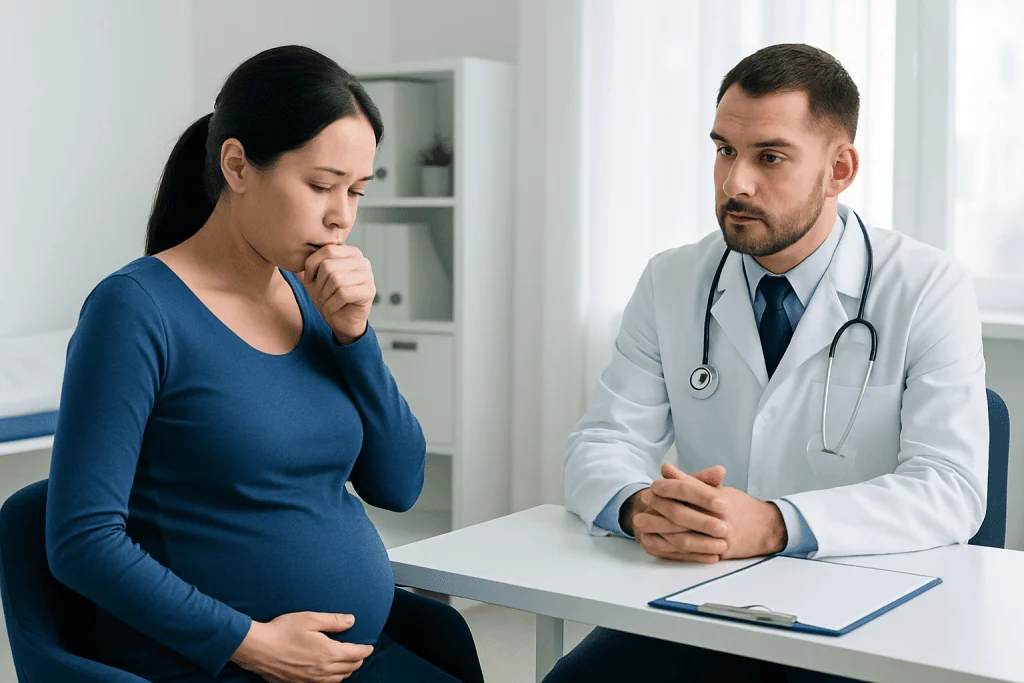
The main symptoms of hyperemesis gravidarum are severe nausea and frequent vomiting during pregnancy. Symptoms may be triggered by smells, movement, eating, or even an empty stomach. Some people also have excessive saliva, food aversions, dizziness, headaches, or marked fatigue.
Because vomiting can be persistent, dehydration is a major concern. Signs can include very little urine, dark-colored urine, thirst, dry lips, lightheadedness, rapid pulse, and weakness. Ongoing poor intake can also lead to weight loss, constipation, vitamin deficiencies, and an inability to manage normal daily activities.
Doctors also watch for complications linked to poor nutrition and fluid imbalance. Depending on the severity, these can include abnormalities in electrolytes, irritation of the esophagus from repeated vomiting, and rarely more serious nutritional deficiencies. Emotional strain is also important, as prolonged symptoms can affect sleep, mood, and overall wellbeing.
- Persistent nausea that does not ease with usual measures
- Vomiting that prevents food or fluid intake
- Weight loss during early pregnancy
- Signs of dehydration such as dizziness or low urine output
- Difficulty taking prenatal vitamins or prescribed medicines
Causes and Risk Factors
The exact cause of hyperemesis gravidarum is not fully understood. It is likely related to several factors rather than a single reason. Pregnancy-related hormonal changes appear to play a central role, especially in the early weeks when levels of certain hormones rise quickly. Changes in the digestive system, sensitivity to smells, and individual differences in how the body responds to pregnancy may also contribute.
Some pregnancies carry a higher chance of severe symptoms. Risk may be increased in people who had hyperemesis gravidarum in a previous pregnancy, are pregnant with more than one baby, have a history of motion sickness or migraine, or have close relatives who experienced the same condition. In some cases, doctors may also consider whether other pregnancy-related conditions are contributing.
It is important to note that hyperemesis gravidarum is not caused by stress, lack of effort, or doing something wrong. Although stress can make symptoms harder to cope with, it is not the underlying cause. A medical evaluation is useful because severe vomiting in pregnancy can occasionally be associated with other conditions that also need attention.
Diagnosis and Medical Evaluation
Diagnosis usually begins with a detailed discussion of symptoms, including how often vomiting occurs, whether fluids can be kept down, and whether there has been weight loss. A doctor or midwife will ask about urine output, dizziness, abdominal pain, fever, and any other symptoms that could suggest a different problem. The physical exam often focuses on signs of dehydration and overall wellbeing.
Testing may include urine tests to assess hydration and blood tests to check electrolytes, kidney function, and nutritional impact. Depending on the situation, thyroid tests or liver tests may also be considered. Ultrasound may be used to confirm the pregnancy, estimate gestational age, and check for factors such as multiple pregnancy.
The goal of diagnosis is not only to confirm hyperemesis gravidarum but also to rule out other causes of vomiting. These can include gastrointestinal illness, urinary infection, gallbladder disease, or less common medical conditions. If severe symptoms are present, the care team may recommend observation or treatment in hospital. In centers with multidisciplinary maternity services, evaluation may include obstetrics and gynecology care alongside nutritional and medical support.
Treatment Options
Treatment is tailored to the severity of symptoms. Mild to moderate cases may improve with diet adjustments, rest, and anti-nausea medicines recommended by a doctor. Common strategies include taking small sips of fluid often, trying bland foods in small portions, and avoiding triggers such as strong smells or large meals. Prenatal vitamins may need to be adjusted temporarily if they worsen nausea.
When dehydration is present, fluids given by vein can be very helpful. Doctors may also prescribe medicines to reduce nausea and vomiting, and in some cases they add vitamin supplementation if intake has been poor. If symptoms continue despite initial treatment, nutritional support may be needed to help maintain health during pregnancy.
Some people require repeated outpatient visits or short hospital stays for monitoring and treatment. The aim is to restore hydration, correct electrolyte imbalance, help with nutrition, and allow the pregnancy to continue as safely and comfortably as possible. In more complex cases, the team may involve specialists in pregnancy follow-up and, when digestive symptoms raise additional concerns, gastroenterology care.
Although most patients improve with standard supportive treatment, recovery can take time. Symptoms may ease gradually rather than all at once, so regular follow-up is important. The care plan is often adjusted over time based on symptom control, weight trends, hydration, and how far the pregnancy has progressed.
Self-care, Prevention, and Daily Coping
There is no guaranteed way to prevent hyperemesis gravidarum, but some self-care measures may help reduce symptom burden. Many people tolerate small, frequent meals better than large meals. Plain crackers, toast, rice, bananas, applesauce, soup, or other bland foods may be easier to manage when nausea is strong. Cold foods sometimes cause fewer symptoms than hot foods because they have less odor.
Fluids are often easier to manage in small amounts taken often throughout the day. Sipping water, oral rehydration drinks, ice chips, or clear broths may be more successful than drinking a full glass at once. Some people find that separating food and fluids helps, while others do better with a snack before getting out of bed.
Rest, practical support, and attention to mental wellbeing also matter. Persistent vomiting can be isolating and tiring, especially if work, childcare, or travel are involved. Speaking openly with the maternity team about daily functioning can help shape a realistic treatment plan. Near the end of care planning, some international patients may choose assessment at Acibadem International, where multidisciplinary specialists in JCI-accredited hospitals diagnose and treat complex pregnancy-related conditions.
When to Seek Medical Care
Medical care should be sought promptly if a pregnant person cannot keep fluids down for several hours, is urinating very little, feels faint, or notices ongoing weight loss. Assessment is also important if vomiting is severe enough to prevent taking prescribed medicines or prenatal vitamins, or if symptoms suddenly become much worse after a period of stability.
Urgent evaluation is needed if nausea and vomiting happen with abdominal pain, fever, blood in vomit, confusion, severe weakness, chest pain, or signs of dehydration. These symptoms may indicate complications or another illness that needs treatment. It is also sensible to contact a doctor if symptoms are affecting mental health or making basic daily functioning impossible.
Pregnant patients do not need to wait until symptoms become extreme before asking for help. Earlier support can often prevent hospital admission and reduce the risk of complications. If severe pregnancy symptoms are part of a broader high-risk pregnancy picture, doctors may also assess related conditions in a wider maternity context.
Frequently asked questions
Is hyperemesis gravidarum the same as morning sickness?
No. Morning sickness is common and usually mild to moderate, while hyperemesis gravidarum is a more severe condition that can lead to dehydration, weight loss, and difficulty functioning. The difference is based on how much symptoms affect hydration, nutrition, and daily life.
When does hyperemesis gravidarum usually start?
It often begins in early pregnancy, commonly within the first trimester. For many people it improves later, but in some cases symptoms can continue well into the second trimester or beyond. The timing and course vary from one pregnancy to another.
Can hyperemesis gravidarum harm the baby?
With timely treatment and monitoring, most pregnancies progress safely. The main concern is the effect of dehydration and poor nutrition on the pregnant person's health, which is why medical support is important. Regular follow-up helps the care team monitor both maternal wellbeing and the pregnancy.
What treatments are commonly used?
Treatment may include dietary adjustments, oral fluids, anti-nausea medicines, vitamin supplementation, and intravenous fluids if dehydration is present. More severe cases may need hospital care and nutritional support. The exact approach depends on symptom severity and response to initial treatment.
Should someone go to the hospital for hyperemesis gravidarum?
Hospital assessment may be needed if fluids cannot be kept down, urine output is low, dizziness is severe, or there is significant weakness or weight loss. A doctor may recommend intravenous fluids, blood tests, and monitoring. Not everyone needs admission, but severe symptoms should not be managed alone at home.
Can hyperemesis gravidarum happen again in another pregnancy?
Yes, a previous episode increases the chance of having it again. That does not mean it will definitely recur, but it is helpful to tell the maternity team early in a future pregnancy. Early planning can make treatment faster if symptoms begin.
References
- American College of Obstetricians and Gynecologists
- National Institute for Health and Care Excellence
- Royal College of Obstetricians and Gynaecologists
- Merck Manual Professional Edition
- World Health Organization
This article is for general information only and is not a substitute for professional medical advice. Please consult a qualified doctor about your individual situation.
Medical weight-loss options in Turkey — costs & eligibility
JCI-accredited · board-certified surgeons · reply within 24h
Add us as a Preferred Source to see more of our trusted health content across Google Search, AI Overviews and Discover.

More from the Health Library



Related Specialists

Dr. Tarık Çubukcuoğlu
Internal Medicine
Dr. Birgül Karakoç
Gynecology & Obstetrics
Assoc. Prof. Dr. Sinan Kırım
Endocrinology
Dr. Nurettin Ümit Özak
Orthopedic Surgery & Traumatology