Hyperstimulation Ovarian: An Evidence-Based Guide for Patients

Hyperstimulation ovarian most often means ovarian hyperstimulation syndrome (OHSS) after fertility treatment. Symptoms can include bloating, pelvic discomfort, nausea, rapid weight gain, and reduced urination.
Key Takeaways
- Hyperstimulation ovarian most often means ovarian hyperstimulation syndrome (OHSS) after fertility treatment.
- Symptoms can include bloating, pelvic discomfort, nausea, rapid weight gain, and reduced urination.
- Mild OHSS is commoner than severe OHSS, but severe symptoms need urgent medical assessment.
- Careful medication planning, monitoring, and individualized fertility protocols help lower risk.
- Patients should stay in close contact with their fertility team if symptoms appear after ovarian stimulation.
Hyperstimulation ovarian usually refers to ovarian hyperstimulation syndrome, or OHSS, a reaction that can happen when the ovaries respond too strongly to fertility medicines. Most cases are mild and improve with monitoring and supportive care, but some require prompt medical attention to prevent complications.
Overview: What Hyperstimulation Ovarian Means
Hyperstimulation ovarian is a patient-search term most commonly used for ovarian hyperstimulation syndrome (OHSS). OHSS is a complication of fertility treatment in which the ovaries become enlarged and the body shifts fluid from the bloodstream into the abdomen or, less commonly, the chest. This reaction is linked to medications used to stimulate the ovaries to produce multiple eggs, especially during in vitro fertilization.
In many people, OHSS is mild. It may cause temporary bloating, pelvic pressure, or discomfort that improves within days to a couple of weeks with follow-up and self-care advice. A smaller number of patients develop moderate or severe OHSS, which can lead to dehydration, breathing difficulty, blood clots, or problems with kidney function if not managed promptly.
One useful way to understand OHSS is to think of it as an over-response to hormonal stimulation rather than a disease that appears on its own. It is not caused by anything the patient did wrong, and it is not a sign that fertility treatment has failed. Because symptoms can begin or worsen after egg retrieval or early pregnancy, good communication with the fertility team is an important part of care.
Symptoms and What Patients May Notice
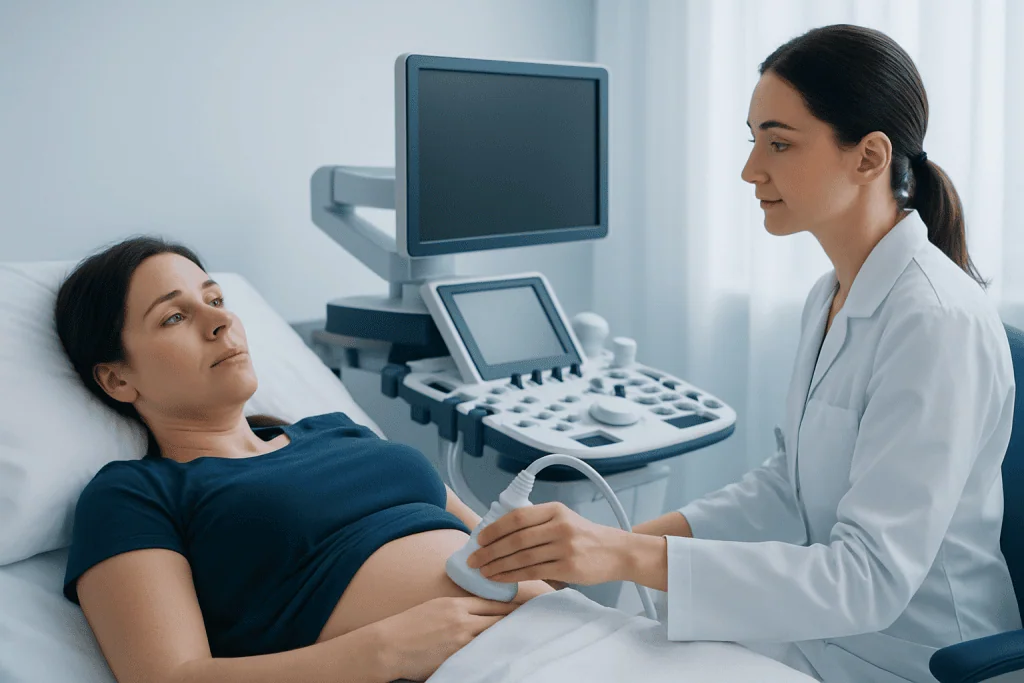
Symptoms vary from mild to severe. Mild OHSS often causes lower abdominal bloating, pelvic discomfort, a feeling of fullness, mild nausea, and temporary weight gain from retained fluid. The ovaries may remain enlarged for a short time after stimulation, which can also make movement or exercise uncomfortable.
Moderate to more severe symptoms can include stronger abdominal pain, vomiting, marked swelling of the abdomen, reduced urination, dizziness, shortness of breath, and rapid weight gain over a short period. These symptoms can suggest that fluid is leaving the bloodstream and collecting elsewhere in the body.
Patients are often advised to track symptoms at home after ovarian stimulation or egg retrieval. Helpful observations include:
- Daily weight changes
- How much urine is being passed
- Increasing abdominal size or tightness
- Pain that is getting worse rather than better
- New chest discomfort or trouble breathing
Symptoms may start within several days of the trigger injection used to mature eggs, but they can also appear later. If pregnancy occurs, OHSS may last longer or become more pronounced because pregnancy hormones can sustain the ovarian response.
Why It Happens: Causes and Risk Factors
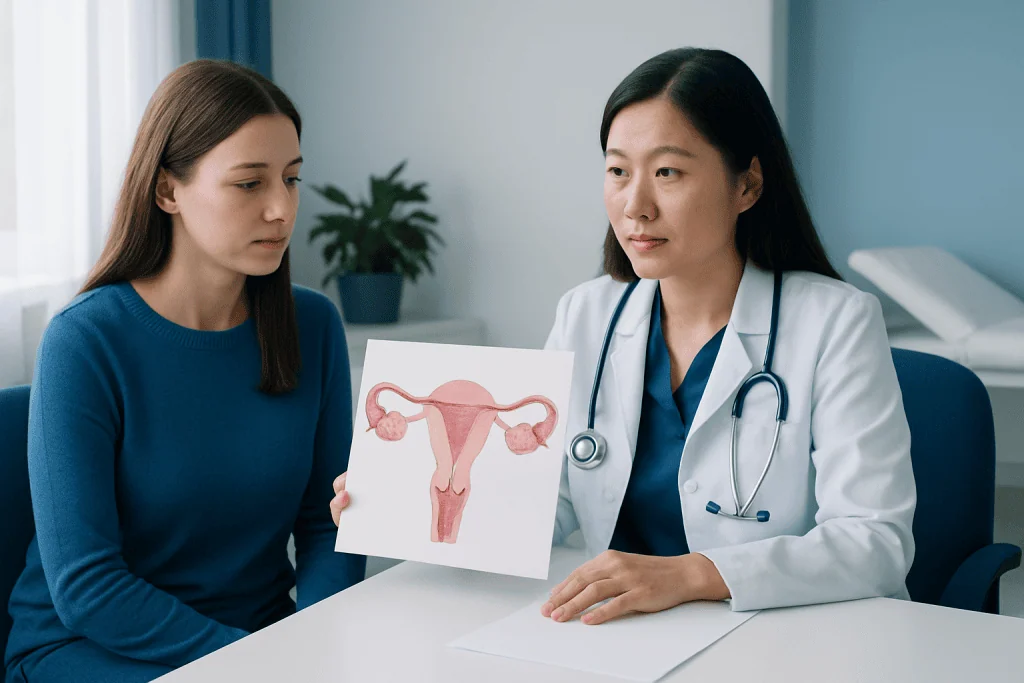
OHSS develops when fertility medications stimulate the ovaries strongly and certain hormones increase blood vessel permeability. In simple terms, tiny blood vessels become leakier than usual, allowing fluid to move into the abdomen and other spaces. This is why a person may feel bloated while also becoming relatively dehydrated inside the bloodstream.
The syndrome is most often associated with injectable gonadotropins and the hormone trigger used during assisted reproduction. It can occur in cycles involving IVF treatment and sometimes in other ovulation induction plans, particularly when many follicles develop. The risk is also influenced by how the ovaries respond on ultrasound and by hormone levels measured during stimulation.
Several factors can make OHSS more likely. These include younger age, low body weight in some patients, a history of OHSS, high ovarian reserve, large numbers of growing follicles, and conditions such as polycystic ovary syndrome that can increase sensitivity to stimulation. Becoming pregnant in the same treatment cycle may prolong or worsen symptoms because rising hCG levels continue to stimulate the ovaries.
Importantly, risk factors do not mean OHSS will definitely happen. Modern fertility care focuses on tailoring medication doses, choosing the safest trigger strategy when possible, and adjusting the treatment plan if monitoring suggests an excessive ovarian response.
How Doctors Diagnose and Monitor It
Diagnosis is based on recent fertility treatment, symptoms, physical examination, and test findings. The clinical team usually asks about abdominal discomfort, nausea, vomiting, breathing symptoms, weight changes, and urine output. Timing matters, so patients should mention any ovarian stimulation medicines, trigger injections, or egg retrieval procedures they have recently had.
Ultrasound is often used to assess ovarian size and to look for fluid in the abdomen. Blood tests may evaluate concentration of the blood, kidney function, electrolytes, and liver function. In some cases, doctors also check for complications such as blood clots or fluid around the lungs if symptoms suggest them.
OHSS is usually described as mild, moderate, or severe. This grading helps guide where and how a person should be treated. Mild cases may only need regular contact with the fertility team, while severe cases may require hospital monitoring, intravenous fluids, drainage of significant fluid collections, or treatment to prevent complications.
Patients should not try to judge severity on symptoms alone. Because the body can lose fluid from the bloodstream while the abdomen feels very swollen, what seems like simple bloating can occasionally become medically important. Prompt reassessment helps the team decide whether home care is enough or whether closer supervision is safer.
Treatment Options and Supportive Care
Treatment depends on severity. Mild OHSS is often managed with rest, hydration guidance, symptom tracking, and regular follow-up with the fertility clinic. Doctors may recommend avoiding strenuous activity and sexual intercourse for a time because enlarged ovaries are more vulnerable to pain and, rarely, twisting. Simple pain relief may be advised, but medications should be taken only as directed by the treating doctor.
Moderate or severe OHSS may need outpatient procedures or hospital care. Treatment can include careful fluid management, blood tests, monitoring of urine output, medicines to reduce nausea or lower clot risk in selected patients, and drainage of fluid from the abdomen if symptoms are significant. The goal is to maintain circulation, protect the kidneys and lungs, and relieve discomfort while the ovaries settle.
In fertility practice, prevention and treatment planning are closely connected. If the ovaries are responding very strongly, the team may adjust or delay parts of treatment, use a different trigger approach, or recommend freezing embryos for later transfer rather than immediate transfer. For some patients pursuing egg freezing or IVF treatment, these decisions are made to improve safety rather than to reduce the chance of future pregnancy.
When symptoms become severe, care may involve specialists in reproductive medicine, gynecology, internal medicine, and imaging. Near the end of the care pathway, patients seeking international treatment may wish to know that Acibadem International’s multidisciplinary specialists and JCI-accredited hospitals diagnose and treat fertility-related complications as part of broader reproductive care.
Prevention and Self-Care After Ovarian Stimulation
Prevention starts before treatment begins. Fertility specialists assess ovarian reserve, previous response to stimulation, and conditions that may increase risk. They may then personalize the medicine dose, choose a gentler stimulation plan, or discuss alternatives that reduce the chance of OHSS. In some cases, a cycle may be modified if blood tests or ultrasound show an unexpectedly high response.
At home, self-care is mainly about observation and following the clinic’s instructions. Patients are often advised to drink fluids regularly, avoid intense exercise, and monitor for changes in weight, swelling, pain, or urination. Heavy physical activity can worsen discomfort and may raise the risk of ovarian torsion when the ovaries are enlarged.
It is also helpful to ask the care team exactly whom to contact after office hours, especially in the week following the trigger injection or egg retrieval. If pregnancy occurs, symptoms may last longer, so continued monitoring is important. Anyone planning treatment involving assisted reproductive procedures should discuss prevention strategies in advance, particularly if they have had OHSS before.
Self-care does not replace medical review. Even if symptoms seem manageable, they should be reported if they are increasing or not improving as expected. Early communication often allows problems to be addressed before they become more serious.
When to Seek Medical Care
Patients should contact their fertility clinic or doctor promptly if they develop worsening bloating, increasing abdominal pain, vomiting, rapid weight gain, or noticeably reduced urination after ovarian stimulation. These symptoms do not always mean severe OHSS, but they deserve clinical guidance.
Urgent medical care is needed for shortness of breath, chest pain, fainting, severe weakness, marked dehydration, or one-sided leg swelling. These can signal complications that require immediate assessment and treatment. If the fertility clinic is not reachable, patients should go to an emergency service and explain that they recently had ovarian stimulation or egg retrieval.
It is also sensible to seek review if symptoms are simply not following the expected course. A mild case should gradually improve; symptoms that continue to build, especially after a positive pregnancy test, should not be ignored. Timely care is the safest way to distinguish expected post-treatment discomfort from a complication that needs closer monitoring.
Frequently asked questions
Is hyperstimulation ovarian the same as OHSS?
In most patient searches, hyperstimulation ovarian refers to ovarian hyperstimulation syndrome, or OHSS. This is a reaction to fertility medicines that stimulate the ovaries, especially in IVF and related treatments.
How long does ovarian hyperstimulation syndrome last?
Mild OHSS often improves within several days to about two weeks. If pregnancy occurs, symptoms can last longer because pregnancy hormones may continue to stimulate the ovaries.
Can mild OHSS be treated at home?
Many mild cases are managed at home with close follow-up, hydration guidance, rest, and symptom monitoring. Even so, patients should stay in contact with their fertility team because symptoms can change over time.
What are the warning signs that OHSS may be severe?
Warning signs include rapid weight gain, severe abdominal swelling, vomiting, reduced urination, dizziness, shortness of breath, and chest pain. These symptoms should be assessed urgently because they may indicate dehydration or other complications.
Who is more likely to develop OHSS?
Risk is higher in people who respond strongly to fertility medicines, have many developing follicles, or have conditions such as polycystic ovary syndrome. A prior history of OHSS can also increase the chance of it happening again.
Can OHSS be prevented?
It cannot always be completely prevented, but the risk can often be reduced. Fertility specialists may personalize medicine doses, monitor response carefully, change the trigger strategy, or delay embryo transfer when needed for safety.
References
- American Society for Reproductive Medicine
- Royal College of Obstetricians and Gynaecologists
- American College of Obstetricians and Gynecologists
- National Institute for Health and Care Excellence
- European Society of Human Reproduction and Embryology
This article is for general information only and is not a substitute for professional medical advice. Please consult a qualified doctor about your individual situation.
IVF & fertility treatment in Turkey — success rates and costs
JCI-accredited · board-certified surgeons · reply within 24h
Add us as a Preferred Source to see more of our trusted health content across Google Search, AI Overviews and Discover.
Check your numbers in seconds
BMI, calories, due date, blood pressure and 30+ more clinical calculators — free, instant, doctor-reviewed ranges.

More from the Health Library
Lines in Nails — Explained by Medical Evidence, Not Myths
Picture of Spine: An Evidence-Based Guide for Patients

Common Allergies: What Patients Need to Know
Peak Expiratory Flow: A Complete Medical Overview

Probiotics Smelly Gas: What Patients Need to Know

Green Grapes — Explained by Medical Evidence, Not Myths
Gynecology & Obstetrics Specialists at Acibadem
Dr. A. Ezgi Sancaklı
Gynecology & Obstetrics
Prof. Dr. A. Taner Usta
Gynecology & Obstetrics
Prof. Dr. Ahmet Cem Batukan
Gynecology & Obstetrics
Prof. Dr. Ahmet Tayyar
Gynecology & Obstetrics