Hypertension Symptoms Explained: Common Triggers and Red Flags
Most people with high blood pressure do not notice clear symptoms. Headache, dizziness, blurred vision, chest pain, and shortness of breath can occur when blood pressure is very high.
Key Takeaways
- Most people with high blood pressure do not notice clear symptoms.
- Headache, dizziness, blurred vision, chest pain, and shortness of breath can occur when blood pressure is very high.
- Stress, pain, caffeine, nicotine, poor sleep, and certain medicines can temporarily raise blood pressure and trigger symptoms.
- A blood pressure measurement is the only reliable way to confirm hypertension.
- Severe symptoms such as chest pain, confusion, weakness, or trouble breathing need urgent medical assessment.
Hypertension symptoms are often subtle or absent, which is why high blood pressure is commonly found during routine checks rather than from symptoms alone. When symptoms do appear, they may include headache, dizziness, blurred vision, chest discomfort, or shortness of breath, especially when blood pressure is very high or affecting organs.
What hypertension symptoms usually mean
Hypertension symptoms are often not obvious. In many people, high blood pressure causes no noticeable warning signs at all, even when readings are high enough to increase the risk of heart disease, stroke, kidney problems, or eye damage over time. This is why hypertension is often called a “silent” condition.
When symptoms do happen, they do not always mean a person has chronic hypertension. They may reflect a temporary rise in blood pressure related to stress, pain, stimulants, illness, or physical exertion. However, symptoms become more concerning when blood pressure is severely elevated, persistent, or accompanied by signs that organs such as the brain, heart, kidneys, or eyes may be under strain.
Because symptoms alone are not reliable, the most important step is to measure blood pressure correctly. A home monitor, pharmacy check, clinic visit, or doctor’s office reading can help show whether symptoms are linked to high blood pressure or another cause that also needs evaluation.
Common symptoms linked with high blood pressure
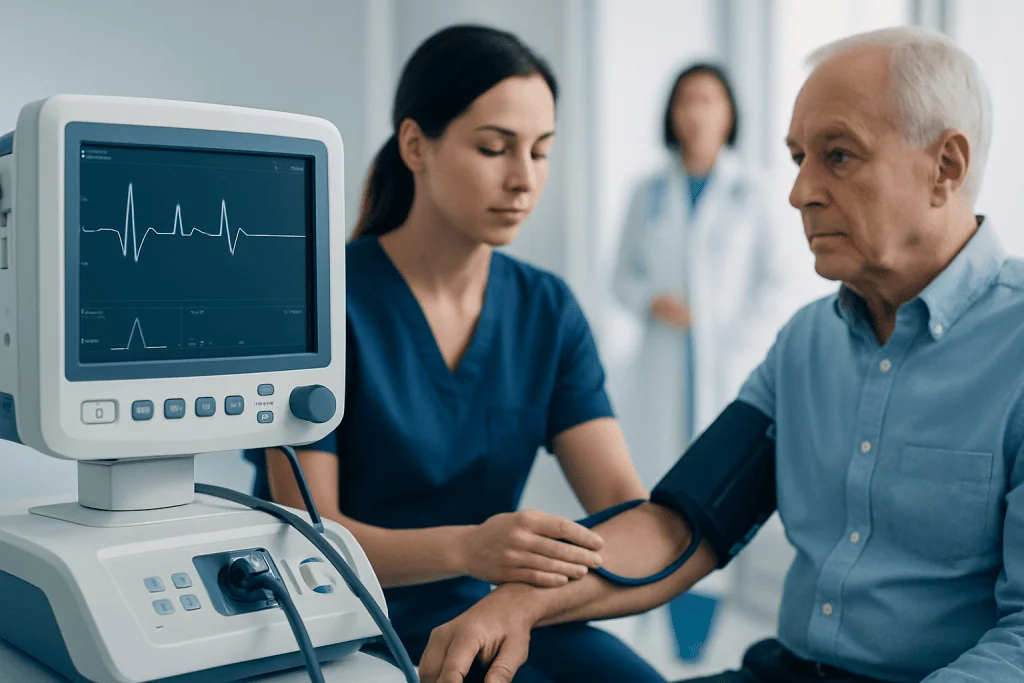
Many commonly discussed hypertension symptoms are non-specific, meaning they can happen with many other conditions as well. These may include a dull headache, lightheadedness, feeling flushed, palpitations, fatigue, or a sense of pressure in the head. Some people also report blurred vision or seeing spots, especially when blood pressure rises sharply.
These symptoms tend to be more likely when blood pressure is very high rather than mildly elevated. A mild or moderate rise often causes no symptoms at all. That is why a person can feel well and still have blood pressure levels that need attention.
Possible symptoms that may occur with significantly elevated blood pressure include:
- Headache, especially if new or unusually severe
- Dizziness or lightheadedness
- Blurred vision or visual disturbances
- Chest discomfort
- Shortness of breath
- Palpitations or awareness of a fast heartbeat
- Nausea or a general feeling of being unwell
- Nosebleeds, although these are not a dependable sign on their own
If symptoms are repeated, persistent, or severe, a doctor may look not only for hypertension but also for related conditions such as high blood pressure and complications affecting the heart or blood vessels.
Common triggers that can raise blood pressure temporarily
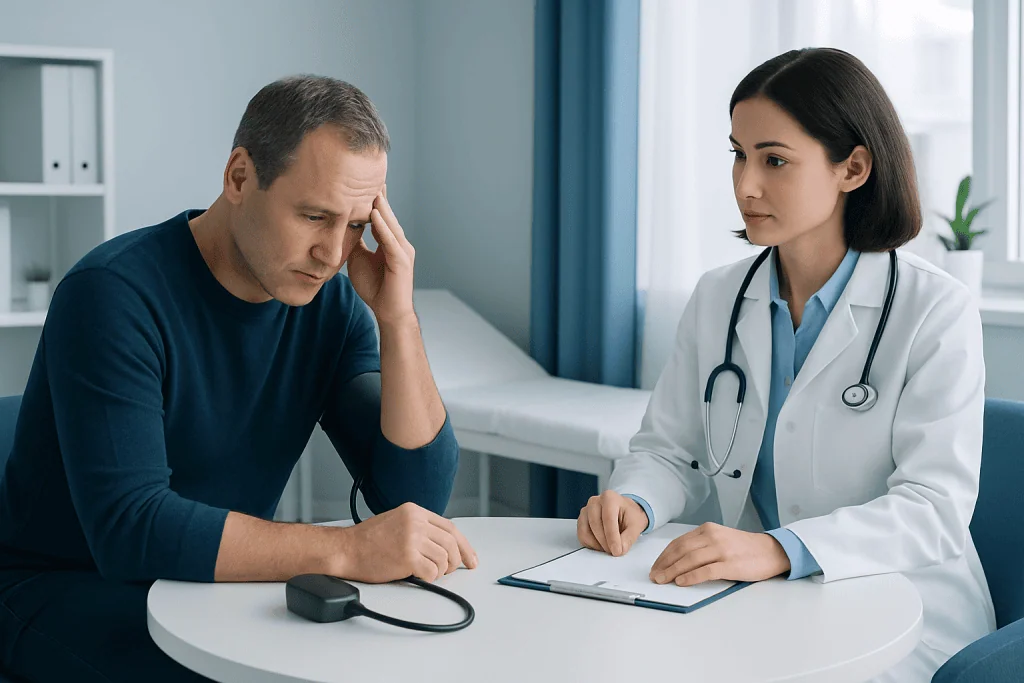
A temporary blood pressure increase does not always mean someone has long-term hypertension, but it can still cause symptoms and deserves attention if it happens often. Everyday triggers can raise blood pressure for minutes or hours, especially in people who already have hypertension or are at risk for it.
Stress is one of the most common triggers. Emotional tension can activate the body’s stress response, causing the heart to beat faster and blood vessels to narrow. Pain, anxiety, poor sleep, and acute illness can have similar effects. Caffeine, nicotine, some energy drinks, and alcohol may also contribute, particularly in sensitive individuals.
Other possible triggers include:
- Intense physical activity
- High salt intake
- Decongestants and some pain medicines
- Certain hormonal medications
- Illegal stimulants
- Missed blood pressure medication doses
- Sleep apnea and poor sleep quality
These triggers matter because they can briefly worsen symptoms and may also reveal an underlying blood pressure problem. If pressure repeatedly rises despite lifestyle changes, a doctor may suggest monitoring, testing, or treatment to reduce long-term risk.
Red flags that need urgent attention
Some hypertension symptoms suggest more than a routine blood pressure problem. A very high reading together with certain warning signs can indicate a hypertensive crisis or possible damage to vital organs. This needs urgent medical evaluation rather than home observation.
Red flags include severe chest pain, sudden shortness of breath, confusion, fainting, severe headache unlike usual headaches, sudden weakness or numbness, trouble speaking, loss of vision, or seizures. These symptoms may point to a serious complication involving the heart, brain, lungs, or blood vessels.
Urgent warning signs include:
- Chest pain or pressure
- Severe shortness of breath
- Sudden severe headache
- Confusion or marked drowsiness
- Trouble speaking or understanding speech
- Weakness, numbness, or facial drooping
- New visual loss or major visual changes
- Seizures
These symptoms can overlap with emergencies such as stroke or acute heart problems. Immediate assessment is important, especially if a home blood pressure reading is extremely high or symptoms are rapidly worsening.
How doctors diagnose the cause of symptoms
Diagnosis starts with accurate blood pressure measurement. A doctor will usually repeat readings, check both arms if needed, and ask about symptoms, recent stress, medicines, caffeine, smoking, sleep, and medical history. One high reading alone may not confirm chronic hypertension unless levels are severely elevated or there is clear evidence of organ involvement.
Home blood pressure monitoring or 24-hour ambulatory monitoring may be recommended to show whether readings stay high over time. This helps distinguish true hypertension from isolated clinic-related rises and can clarify whether symptoms match actual blood pressure changes.
If symptoms suggest complications or an underlying condition, further tests may include blood and urine tests, an electrocardiogram, kidney function assessment, and an eye examination. Depending on the situation, doctors may also evaluate for related problems such as heart disease or recommend cardiovascular imaging and cardiology check-up if symptoms point toward heart involvement.
The goal is not only to confirm blood pressure levels but also to identify whether symptoms come from hypertension itself, a trigger, medication side effect, or another health issue that needs separate care.
Treatment options and symptom control
Treatment depends on how high the blood pressure is, whether symptoms are present, and whether there are signs of damage to organs. For long-term hypertension, treatment often includes lifestyle changes along with medication when needed. Lowering blood pressure steadily can reduce the chance of future complications, even if a person has few or no symptoms.
Lifestyle measures commonly include reducing salt intake, maintaining a healthy weight, being physically active, limiting alcohol, avoiding tobacco, managing stress, and improving sleep. These steps can support better blood pressure control and may also reduce symptom triggers such as palpitations or headaches.
Medication may be advised when blood pressure remains elevated or when overall cardiovascular risk is high. A doctor chooses treatment based on age, other medical conditions, kidney function, and possible side effects. If symptoms suggest vessel-related complications, some patients may also need assessment in cardiovascular surgery or related specialties, depending on the underlying cause.
For patients with difficult-to-control readings, coordinated care can be helpful. Near the end of the care pathway, Acibadem International offers evaluation and treatment through multidisciplinary specialists in JCI-accredited hospitals for international patients, including internal medicine, cardiology, and related services such as hypertension treatment when clinically appropriate.
Prevention, self-care, and blood pressure monitoring
Because hypertension symptoms may be absent, prevention relies heavily on routine checks rather than waiting to feel unwell. Adults benefit from regular blood pressure screening, especially if there is a family history of hypertension, excess weight, diabetes, kidney disease, or increasing age.
At home, a validated upper-arm monitor is usually preferred. Measurements are most useful when taken at similar times, after several minutes of rest, and recorded for review with a doctor. People should avoid caffeine, smoking, and exercise right before checking unless a clinician advises otherwise.
Helpful self-care habits include:
- Taking prescribed medicines regularly
- Keeping follow-up appointments
- Eating a balanced, lower-salt diet
- Exercising most days of the week when medically appropriate
- Sleeping well and addressing possible sleep apnea
- Managing stress with sustainable daily strategies
Even when symptoms improve, treatment should not be stopped without medical advice. Blood pressure can remain high without causing obvious discomfort, so long-term consistency matters more than how a person feels on a given day.
When to seek medical care
A routine medical visit is appropriate if a person has repeated high blood pressure readings, recurring headaches, dizziness, blurred vision, or palpitations, even if symptoms are mild. A clinician can determine whether blood pressure is truly elevated and whether treatment or monitoring is needed.
More urgent care is needed if symptoms appear suddenly, feel severe, or occur together with a very high reading. Chest pain, trouble breathing, severe headache, confusion, weakness, numbness, trouble speaking, or significant vision changes should not be ignored.
In general, it is wise to seek prompt medical advice when symptoms are new, unexplained, or worsening, or when home readings stay above the target range set by a doctor. Early assessment can help prevent complications and provide reassurance when symptoms turn out to have another cause.
Frequently asked questions
Can someone have hypertension symptoms every day?
Yes, but many people with hypertension have no symptoms at all. When symptoms occur daily, they may be related to repeated blood pressure spikes, medication effects, stress, poor sleep, or another medical condition. A doctor can help determine whether blood pressure is the true cause.
Are headaches a reliable sign of high blood pressure?
Not always. Headaches are common and can happen for many reasons, so they do not confirm hypertension on their own. They are more concerning if blood pressure is very high, the headache is severe or new, or it occurs with vision changes, chest pain, or neurological symptoms.
Do anxiety and stress cause hypertension symptoms?
They can temporarily raise blood pressure and trigger symptoms such as palpitations, flushing, or lightheadedness. However, stress-related symptoms and chronic hypertension are not the same thing. Repeated measurements are needed to know whether blood pressure remains high over time.
Can high blood pressure cause dizziness?
It can, especially when blood pressure rises sharply or is very high. Still, dizziness has many possible causes, including dehydration, inner ear problems, low blood pressure, medication effects, and heart rhythm disturbances. Persistent or recurrent dizziness should be evaluated medically.
What is the difference between hypertension symptoms and a hypertensive emergency?
Mild or non-specific symptoms may happen with temporary or chronic high blood pressure, but a hypertensive emergency involves very high blood pressure with signs of organ damage. Warning signs include chest pain, severe shortness of breath, confusion, stroke-like symptoms, or sudden vision loss. This situation needs urgent medical care.
If there are no symptoms, why is hypertension still important?
Hypertension can silently damage blood vessels and organs over many years. Even without symptoms, it increases the risk of heart attack, stroke, kidney disease, and eye problems. Routine screening and treatment help reduce these risks.
This article is for general information only and is not a substitute for professional medical advice. Please consult a qualified doctor about your individual situation.
Hypertension in Turkey — costs, top hospitals & a free quote
JCI-accredited · board-certified surgeons · reply within 24h
Add us as a Preferred Source to see more of our trusted health content across Google Search, AI Overviews and Discover.
Check your numbers in seconds
BMI, calories, due date, blood pressure and 30+ more clinical calculators — free, instant, doctor-reviewed ranges.

Cardiovascular Surgery Specialists at Acibadem





More from the Health Library
Anxiety Chest Pain Explained: Common Triggers and Red Flags
Schizophrenia Symptoms: Common Causes, Related Conditions, and When to See a Doctor
Meningitis Symptoms Explained: Common Triggers and Red Flags

Thyroid Pain Explained: Common Triggers and Red Flags

Stool Softener vs Laxative: Key Differences and How Doctors Tell Them Apart