

I Will Never Get a Colonoscopy: Preparation, Procedure and Results

Colonoscopy examines the lining of the large bowel and can identify or remove many polyps during the same procedure. A clean bowel is essential; preparation can often be modified when a previous regimen was difficult or ineffective.
Key Takeaways
- Colonoscopy examines the lining of the large bowel and can identify or remove many polyps during the same procedure.
- A clean bowel is essential; preparation can often be modified when a previous regimen was difficult or ineffective.
- Most people receive sedation and do not feel or remember much of the examination.
- Alternatives may be appropriate for some screening situations, but an abnormal alternative test can still require colonoscopy.
- Rectal bleeding, persistent change in bowel habits, unexplained anemia or concerning abdominal symptoms need medical assessment.
Many people who say, “I will never get a colonoscopy,” are worried about bowel preparation, discomfort, sedation, embarrassment or possible results. Colonoscopy is an important test for finding bowel conditions early, and a gastroenterology team can often adjust the plan to make the experience safer and more manageable.
I Will Never Get a Colonoscopy: Understanding the Concern
If someone feels, “I will never get a colonoscopy,” the concern is understandable. The bowel-cleansing preparation, fear of discomfort, loss of privacy, sedation and anxiety about finding a problem can all feel overwhelming. However, modern colonoscopy is usually a planned outpatient procedure, and clinicians can often adapt the preparation and sedation plan to a person’s medical needs and prior experience.
A colonoscopy uses a flexible camera tube, called a colonoscope, to examine the rectum and colon. It may be recommended for screening for colorectal cancer, investigating symptoms, following up an abnormal stool test or scan, monitoring certain bowel conditions, or removing polyps. Polyps are growths that may be harmless but can sometimes develop into cancer over time.
The key issue is not simply completing a test; it is choosing the safest and most suitable way to investigate the bowel. A conversation with a gastroenterologist can clarify whether colonoscopy is needed now, how to improve the preparation, and whether a different screening method is reasonable in a particular situation.
How Colonoscopy Works and Who May Need It
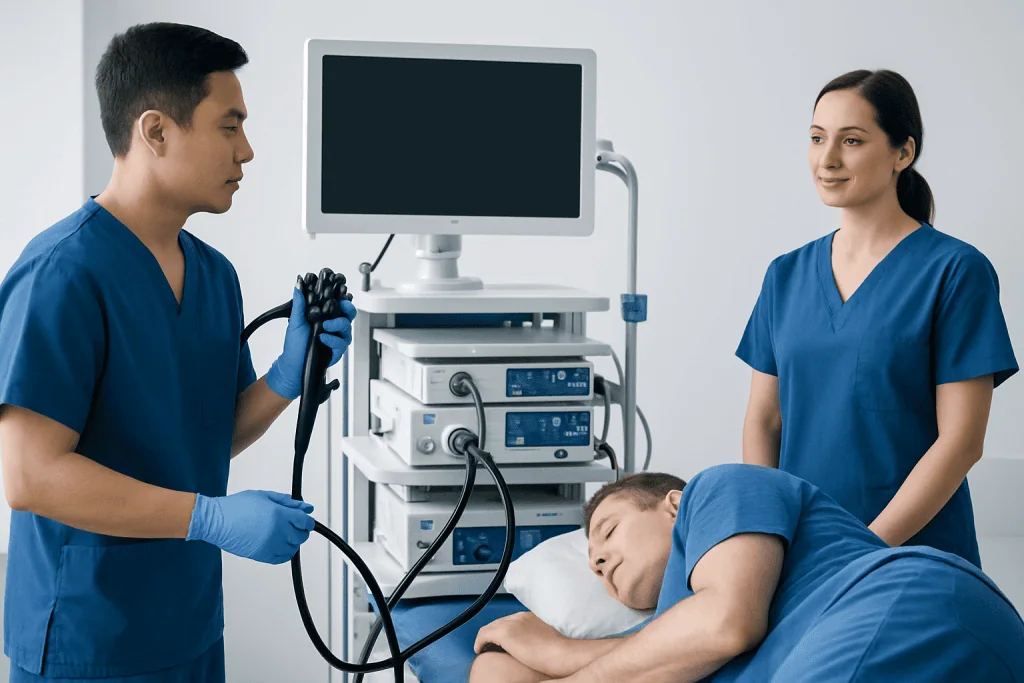
During colonoscopy, the clinician passes the colonoscope gently through the anus and along the large bowel while viewing images on a monitor. Air or carbon dioxide is introduced to open the bowel for a clear view. Small tissue samples, called biopsies, can be taken when needed, and many polyps can be removed immediately using specialized instruments.
Colonoscopy may be advised for adults undergoing colorectal cancer screening, especially when personal or family history changes their risk. It is also commonly used to assess blood in the stool, rectal bleeding, ongoing diarrhea or constipation, iron-deficiency anemia, unexplained weight loss, persistent abdominal pain, or an abnormal stool-based screening result.
Not everyone needs the same approach. Age, overall health, medicines, previous bowel surgery, kidney or heart disease, diabetes, pregnancy, bleeding risk and prior preparation quality may affect planning. People taking anticoagulants, diabetes medicines, iron supplements or weight-loss medicines should receive individualized instructions before changing or stopping anything.
For people with symptoms or increased risk, colonoscopy often provides more complete information than a screening test alone because it allows direct examination, biopsy and polyp removal in one visit.
Preparation: Why a Clean Bowel Matters
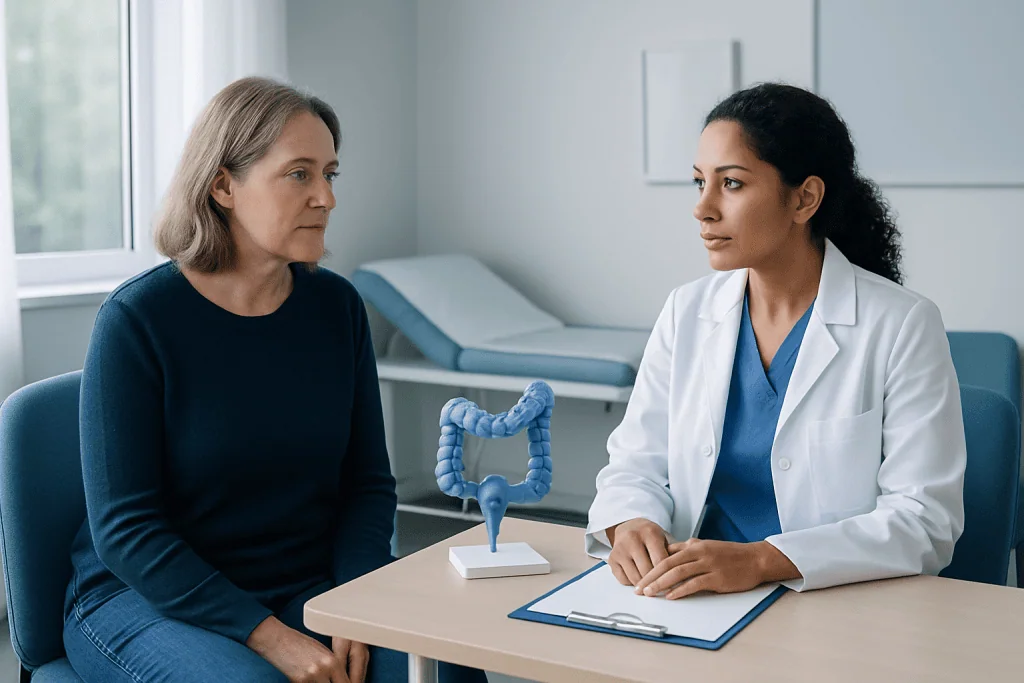
The preparation is designed to empty stool from the bowel so that the lining can be seen clearly. If stool remains, small polyps or inflamed areas may be hidden, the procedure may take longer, or it may need to be repeated sooner. Preparation typically includes a temporary low-fiber diet, clear liquids for a defined period and a prescribed laxative solution.
Many centers use split-dose preparation, meaning part of the solution is taken the evening before and the remainder closer to the procedure time. This approach generally cleans the bowel more effectively than taking the full preparation the day before. The exact timing matters, so patients should follow the instructions from their own endoscopy team rather than relying on general advice online.
Hydration is important during preparation, unless a doctor has given fluid restrictions. Clear liquids may include water, clear broth, tea or coffee without milk, and certain clear juices or electrolyte drinks. Red, purple or dark-colored liquids are often avoided because they may resemble blood or stain the bowel lining. Patients should ask their clinic for a specific approved-drinks list.
A previous difficult preparation does not mean another attempt will fail. The clinician may recommend a different volume, a different medication type, earlier dietary changes, additional anti-nausea support, or a more closely supervised plan. Colonoscopy assessment and preparation planning can help match the regimen to individual health needs.
Why didn't the colonoscopy prep work for me?
Preparation may be inadequate when the bowel does not empty fully, even if a person has followed many of the instructions. Common reasons include constipation, slow bowel movement, diabetes-related changes in gut motility, certain medicines, previous poor preparation, difficulty drinking the solution, vomiting, or taking the second dose too early or too late. Eating high-fiber foods too close to the procedure can also leave residue.
Some medicines can contribute to constipation or affect preparation, including iron supplements, opioid pain medicines and some medications used for other chronic conditions. This does not mean medicines should be stopped without advice. The prescribing clinician and endoscopy team should coordinate a safe plan, particularly for blood thinners and diabetes treatments.
It is useful to tell the team exactly what happened: whether the solution caused nausea, whether bowel movements stayed brown or cloudy, whether the full amount was completed, and whether constipation is usual. This information allows the team to prescribe a more appropriate regimen next time instead of simply repeating the same instructions.
Patients should contact the endoscopy unit before leaving home if they are unsure whether the preparation has worked. The team may advise whether to continue the plan, make an adjustment, reschedule, or attend for assessment. Do not add extra laxatives unless a qualified clinician specifically recommends them.
What is the new alternative for colonoscopy prep?
There is no single “new” preparation that is best for everyone. Current options include lower-volume bowel-cleansing solutions, ready-to-drink preparations and tablet-based regimens for selected patients, as well as traditional larger-volume solutions. The best choice depends on kidney function, heart health, electrolyte balance, constipation history, other medicines and the expected procedure time.
Split-dose timing remains one of the most important improvements in bowel preparation. Some people may also benefit from individualized dietary advice, such as starting a low-residue diet earlier, and from measures to reduce nausea. A lower-volume option may be easier to tolerate, but it is not automatically safer or appropriate for every person.
Alternatives to colonoscopy itself may be considered for average-risk screening in some healthcare systems. These can include stool-based tests, stool DNA testing, CT colonography or flexible sigmoidoscopy. Their availability and recommended intervals differ, and a positive or abnormal result usually requires a conventional colonoscopy for confirmation and possible polyp removal.
A person who cannot tolerate a preparation should not assume screening is impossible. A gastroenterologist can discuss the reason for the difficulty and identify whether an adjusted preparation or another validated screening pathway is appropriate.
What percentage of people fail colonoscopy prep?
Studies report varying rates because they use different definitions of “adequate” bowel preparation and involve different patient populations. In routine practice, inadequate preparation is commonly reported in roughly one in five colonoscopies, although rates may be lower or higher depending on the setting and a person’s health factors.
Preparation quality is not a personal success or failure. It can be affected by constipation, medical conditions, medications, communication barriers, procedure timing and whether the plan is practical for the individual. Identifying these factors before a repeat examination can improve the chance of a clear view of the bowel.
When preparation is inadequate, the clinician may still complete part or all of the examination, but may recommend repeating it sooner than usual. This is intended to reduce the chance that an important finding was hidden by residual stool. The timing of a repeat test depends on what could be seen and the person’s clinical situation.
How many people don't finish colonoscopy prep?
There is no single reliable percentage for people who do not finish bowel preparation, because studies differ in the products used, definitions of completion and patient groups included. Some people drink the entire prescribed amount but still have inadequate cleansing, while others are unable to finish because of nausea, fullness, vomiting, taste or other symptoms.
Rather than focusing on a number, it is safer to plan for barriers in advance. People who previously struggled should tell the endoscopy team before booking. The team may select another preparation type, adjust the schedule, provide instructions for managing nausea, or consider additional support for severe constipation.
It is important not to conceal an incomplete preparation. Telling the medical team promptly helps them make a safe decision about whether the procedure can proceed. Completing only part of the preparation can sometimes lead to an incomplete examination and the need for another appointment.
What Happens During and After the Procedure
On the day of colonoscopy, the team reviews medical history, allergies, medicines and consent. An intravenous line is commonly placed, and most patients receive sedation or anesthesia according to local practice and their health needs. Monitoring continues throughout the procedure. The examination itself often takes less than an hour, though timing can vary if biopsies or polyps are removed.
Because sedation can affect judgment and coordination, patients usually need a responsible adult to take them home and should avoid driving, alcohol, important decisions and operating machinery until the next day or as instructed. Mild bloating, gas or cramping can occur afterward because air or carbon dioxide was used during the examination; these symptoms usually settle soon.
Preliminary findings may be discussed before discharge. If tissue samples are taken or polyps are removed, laboratory results can take longer. The care team should explain when and how results will be provided, whether medicines need adjustment and when usual activities and diet can resume.
Colonoscopy is generally safe, but uncommon complications include bleeding, a tear in the bowel wall, reactions to sedation, infection or missed findings. Risk can be higher when larger polyps are removed or when a person has significant medical conditions. The endoscopy team discusses individual risks before the procedure.
When to Seek Medical Care
Medical assessment should not be delayed for visible blood in the stool, black or tar-like stools, persistent changes in bowel habits, ongoing unexplained abdominal pain, unexplained weight loss, marked fatigue, or anemia identified on a blood test. These symptoms have many possible causes, but they deserve timely evaluation.
After colonoscopy, patients should seek urgent medical advice for severe or worsening abdominal pain, a swollen abdomen, fever, repeated vomiting, fainting, heavy rectal bleeding, or bleeding that does not settle. A small amount of blood can occur after some polyp removals, but the endoscopy team should provide clear instructions on what to expect and whom to contact.
People who feel anxious about the procedure can request a pre-procedure discussion. Acibadem International’s multidisciplinary specialists and JCI-accredited hospitals support international patients who need evaluation and treatment for digestive health concerns.
Frequently asked questions
Is colonoscopy painful?
Most people receive sedation or anesthesia and feel little or no pain during colonoscopy. Mild pressure, bloating or cramping can occur afterward as the air or carbon dioxide used during the examination leaves the bowel. Patients should discuss prior pain, anxiety or sedation concerns with the team in advance.
Can I have a colonoscopy if I am constipated?
Yes, but chronic constipation can make bowel cleansing more difficult. The endoscopy team may recommend an adjusted diet or preparation plan, sometimes beginning earlier than usual. It is important to mention constipation when the procedure is scheduled.
Can a stool test replace colonoscopy?
A stool test may be an appropriate colorectal cancer screening option for some average-risk adults, depending on local guidance and personal history. It does not examine the bowel directly or remove polyps. An abnormal stool test generally needs follow-up with colonoscopy.
What should I do if I vomit during bowel preparation?
Contact the endoscopy team for advice, especially if you cannot keep the preparation down or have not had adequate bowel movements. They may advise a pause, adjusted timing or another approach based on your symptoms and medical history. Do not take additional products without clinical guidance.
How long does it take to recover from colonoscopy?
Many people return to normal eating and routine activities by the next day, depending on sedation and whether a polyp was removed. Bloating and gas are common for a short time. The clinician may give specific restrictions if biopsies were taken or treatment was performed.
Can I refuse a colonoscopy?
Patients have the right to understand, accept or decline a recommended procedure. Before deciding, it is helpful to discuss why it was advised, the risks of waiting, preparation adjustments and any suitable alternatives. Some symptoms or abnormal test results make colonoscopy more important because it can diagnose and treat certain findings in the same session.
References
- American College of Gastroenterology
- American Society for Gastrointestinal Endoscopy
- National Institute of Diabetes and Digestive and Kidney Diseases
- U.S. Centers for Disease Control and Prevention
- World Health Organization
This article is for general information only and is not a substitute for professional medical advice. Please consult a qualified doctor about your individual situation.
Persistent digestive symptoms? Get evaluated in Turkey
JCI-accredited · board-certified surgeons · reply within 24h
Add us as a Preferred Source to see more of our trusted health content across Google Search, AI Overviews and Discover.

More from the Health Library



Related Specialists

Dr. Uğur Saraçoğlu
Urology
Assoc. Prof. Dr. Sema Aylan Gelen
Pediatric Hematology
Assoc. Prof. Dr. Bedriye Koyuncu Sökmen
Gastrointestinal Oncology Unit Clinical Service
Dr. Ateş Önal
Anesthesiology