IBS: What Patients Need to Know

IBS is a functional gut-brain disorder, not a structural disease that damages the intestines. Common symptoms include abdominal pain, bloating, diarrhea, constipation, or alternating bowel habits.
Key Takeaways
- IBS is a functional gut-brain disorder, not a structural disease that damages the intestines.
- Common symptoms include abdominal pain, bloating, diarrhea, constipation, or alternating bowel habits.
- Diagnosis is based on symptoms and medical evaluation, while tests may be used to rule out other conditions.
- Treatment is individualized and may include diet changes, stress management, and medicines for specific symptoms.
- Medical review is important if symptoms begin suddenly, worsen, or occur with warning signs such as weight loss or blood in the stool.
IBS is a common long-term disorder that affects how the intestines function, often causing abdominal pain, bloating, diarrhea, constipation, or a mix of both. Although IBS can be disruptive, it does not damage the bowel, and many people improve with a careful diagnosis, diet and lifestyle changes, and symptom-focused treatment.
Overview: what IBS means
IBS, or irritable bowel syndrome, is a common condition that affects the way the digestive system works. It typically causes recurring abdominal pain together with changes in bowel habits, such as diarrhea, constipation, or both. IBS can be uncomfortable and frustrating, but it does not cause permanent damage to the intestines or increase the risk of bowel cancer on its own.
Many specialists now describe IBS as a disorder of gut-brain interaction. This means the intestines can become more sensitive, and the communication between the gut and the nervous system may work differently than usual. As a result, normal digestion can feel painful, urgent, or unpredictable even when standard tests show no visible structural problem.
IBS is a long-term condition, but symptoms often come and go. Some people have mild episodes linked to certain foods, stress, travel, or hormonal changes, while others have more frequent symptoms. Understanding the pattern is an important first step toward finding practical ways to reduce flare-ups and improve day-to-day comfort.
Symptoms and how IBS may feel day to day
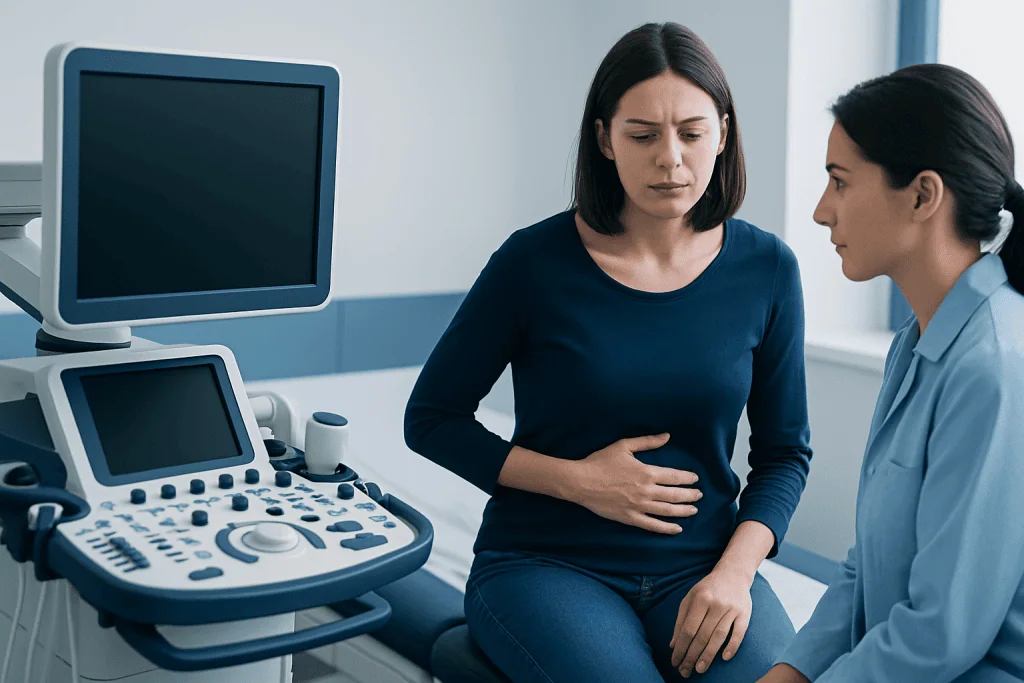
The hallmark symptoms of IBS are abdominal pain or cramping and a change in bowel habits. The pain may improve after passing stool, or it may come with a sense of urgency, incomplete emptying, or bloating. Some people notice that symptoms are worse after meals, during stressful periods, or at certain times of the day.
IBS is often grouped into subtypes based on bowel pattern. In IBS with constipation, stools may be hard, infrequent, or difficult to pass. In IBS with diarrhea, stools may be loose and urgent. Some people alternate between constipation and diarrhea, and others do not fit clearly into one pattern.
Other symptoms can include excess gas, abdominal swelling, mucus in the stool, and fatigue related to poor sleep or the strain of ongoing symptoms. While IBS can affect quality of life, it is important to remember that these symptoms can also overlap with other digestive conditions. For that reason, new or changing symptoms should be reviewed by a doctor rather than assumed to be IBS automatically.
- Abdominal pain or cramping
- Bloating and increased gas
- Diarrhea, constipation, or both
- Urgency or a feeling of incomplete bowel emptying
- Symptoms that flare after meals or during stress
What causes IBS and who is more likely to develop it?

There is no single cause of IBS. Instead, it is thought to result from a combination of factors that affect intestinal movement, gut sensitivity, the gut microbiome, and the signals between the brain and digestive tract. In some people, symptoms begin after a stomach infection, a period of major stress, or a change in routine that appears to affect bowel function.
Certain triggers can make symptoms more noticeable. These may include large meals, fatty foods, caffeine, alcohol, artificial sweeteners, or foods high in fermentable carbohydrates. Stress does not cause IBS by itself, but it can influence how strongly symptoms are felt and how often they flare.
IBS can affect adults of any age. A personal or family history of digestive disorders may be relevant, but IBS is different from inflammatory bowel diseases such as Crohn’s disease or ulcerative colitis, which involve ongoing inflammation and can damage the bowel. For some patients, part of the medical evaluation focuses on distinguishing IBS from these and other conditions.
How IBS is diagnosed
IBS is diagnosed through a medical history, symptom review, and physical examination. Doctors often use established symptom-based criteria, especially recurring abdominal pain associated with bowel changes over time. The pattern of symptoms matters, including how long they have been present, what seems to trigger them, and whether bowel movements relieve discomfort.
There is no single test that confirms IBS in every person. However, tests may be recommended to rule out other causes when symptoms are atypical, severe, or associated with warning signs. Depending on the situation, this may include blood tests, stool tests, breath tests, imaging, or endoscopic evaluation. In selected cases, a specialist may advise a colonoscopy to investigate symptoms such as bleeding, anemia, persistent diarrhea, or symptoms that start later in life.
Keeping a symptom diary can be very helpful before an appointment. Recording bowel patterns, pain, bloating, stress, menstrual timing, medications, and meals may help identify triggers and guide treatment. A clear diagnosis can also be reassuring, because it helps patients understand that symptoms are real and manageable even when routine scans or blood tests are normal.
Treatment options for IBS
IBS treatment is individualized because the condition can look very different from one person to another. The goal is to reduce symptoms, improve bowel regularity, and support quality of life. Treatment often works best when it combines several approaches rather than relying on a single change.
Dietary strategies are commonly used first. Some people improve by eating regular meals, limiting trigger foods, staying well hydrated, and gradually adjusting fiber intake. A doctor or dietitian may recommend a structured plan such as a low-FODMAP approach for selected patients, followed by careful reintroduction to identify personal triggers. Because not every food strategy suits every person, professional guidance can help avoid unnecessary restriction.
Medicines may also play a role, depending on whether constipation, diarrhea, cramping, or bloating is the main concern. A gastroenterologist may consider symptom-specific therapies and evaluate whether additional testing is needed. For ongoing or complex symptoms, specialist care in gastroenterology can help tailor a plan and monitor progress over time.
Stress management and sleep are also part of treatment. Relaxation techniques, physical activity, cognitive behavioral approaches, and attention to routine can reduce symptom flares in some people. Near the end of the diagnostic journey, some international patients choose centers such as Acibadem International, where multidisciplinary specialists in JCI-accredited hospitals assess digestive complaints and coordinate individualized care.
Prevention and self-care: living well with IBS
IBS cannot always be prevented, but many people can lower the frequency or severity of flare-ups with consistent self-care. Building a regular eating pattern is often helpful. Smaller meals, slower eating, adequate fluids, and avoiding repeated trigger foods may reduce symptoms over time.
Physical activity can support digestion, reduce stress, and improve overall well-being. Good sleep habits are also important, because poor sleep may make pain sensitivity and fatigue worse. Some people benefit from simple techniques such as mindful breathing, stretching, or setting aside time to decompress during busy periods.
It is also wise to review over-the-counter medicines and supplements with a doctor, since some can worsen diarrhea, constipation, or bloating. If symptoms persist despite basic changes, a more detailed digestive evaluation may be needed. In some cases, additional assessment for conditions involving the upper digestive tract or food-related symptoms may be appropriate through endoscopy or other targeted tests.
- Eat regular meals and avoid skipping meals when possible
- Increase fiber cautiously and according to symptom type
- Stay hydrated, especially if diarrhea is frequent
- Track food and stress triggers in a diary
- Exercise regularly and prioritize sleep
When to seek medical care
IBS symptoms should be discussed with a doctor if they are frequent, disruptive, or difficult to manage. Medical advice is especially important when symptoms first appear, change significantly, or begin after age 50. A proper assessment helps confirm whether IBS is the most likely cause and whether testing is needed.
Certain warning signs need prompt medical review. These include blood in the stool, unexplained weight loss, fever, persistent vomiting, anemia, nighttime symptoms that wake a person from sleep, or a strong family history of bowel cancer, celiac disease, or inflammatory bowel disease. These features do not automatically mean a serious illness is present, but they do mean symptoms should not be self-diagnosed.
Patients should also seek follow-up care if treatment is not helping, if constipation or diarrhea becomes severe, or if dehydration is a concern. Ongoing communication with a qualified doctor can make IBS easier to manage and can help adjust the care plan as symptoms change over time.
Frequently asked questions
Is IBS the same as inflammatory bowel disease?
No. IBS and inflammatory bowel disease are different conditions. IBS affects how the bowel functions and causes symptoms such as pain, bloating, diarrhea, or constipation, while inflammatory bowel disease involves inflammation that can damage the intestines.
Can IBS be cured?
IBS is usually a long-term condition, so there is not always a single permanent cure. However, many people control symptoms well with the right combination of diet changes, stress management, and medicines when needed. Treatment is often adjusted over time based on symptom pattern.
What foods can trigger IBS symptoms?
Triggers vary from person to person, but common examples include fatty meals, caffeine, alcohol, spicy foods, and certain fermentable carbohydrates. Keeping a food and symptom diary can help identify patterns. A doctor or dietitian can help create a safe, practical plan without over-restricting the diet.
Does stress cause IBS?
Stress does not necessarily cause IBS on its own, but it can make symptoms more noticeable or frequent. The gut and brain communicate closely, so emotional stress can affect bowel function and pain sensitivity. Stress reduction is often one useful part of an overall management plan.
When should someone worry that it may not be IBS?
New symptoms, worsening symptoms, or warning signs such as blood in the stool, unexplained weight loss, fever, anemia, or nighttime symptoms should be assessed by a doctor. These features do not confirm a serious disease, but they do mean further evaluation may be needed. It is best not to assume all digestive symptoms are due to IBS without proper review.
Can IBS cause serious damage to the intestines?
IBS does not usually cause inflammation, ulcers, or permanent damage to the bowel. It can still have a significant effect on comfort, routine, and quality of life, which is why good symptom control matters. A medical diagnosis helps ensure that another condition is not being missed.
References
- National Institute of Diabetes and Digestive and Kidney Diseases
- American College of Gastroenterology
- National Health Service
- Mayo Clinic
This article is for general information only and is not a substitute for professional medical advice. Please consult a qualified doctor about your individual situation.
Persistent digestive symptoms? Get evaluated in Turkey
JCI-accredited · board-certified surgeons · reply within 24h
Add us as a Preferred Source to see more of our trusted health content across Google Search, AI Overviews and Discover.