Ileus Paralysis: What Patients Need to Know

Ileus paralysis is reduced or absent intestinal movement without a mechanical blockage. Abdominal swelling, nausea, vomiting, constipation and inability to pass gas are common symptoms.
Key Takeaways
- Ileus paralysis is reduced or absent intestinal movement without a mechanical blockage.
- Abdominal swelling, nausea, vomiting, constipation and inability to pass gas are common symptoms.
- Recent surgery, certain medicines, infections and electrolyte imbalances can contribute to ileus.
- Treatment focuses on bowel rest, fluids, correcting causes and close monitoring for complications.
- Severe or worsening abdominal pain, repeated vomiting or a swollen abdomen needs urgent medical care.
Ileus paralysis, also called paralytic ileus, occurs when the intestines temporarily stop moving food, fluid and gas forward. It can develop after surgery or during illness and requires medical assessment to rule out a physical bowel blockage and address the underlying cause.
What Is Ileus Paralysis?
Ileus paralysis is a temporary slowing or stopping of the normal wave-like muscle contractions that move material through the intestines. It is more commonly called paralytic ileus. When bowel movement pauses, gas, digestive fluids and food may build up in the stomach and intestines, causing uncomfortable abdominal swelling and other digestive symptoms.
Unlike a mechanical bowel obstruction, paralytic ileus is not caused by a physical barrier such as a scar band, hernia or tumor blocking the bowel. Instead, the bowel muscles or the nerves that coordinate them are not working normally for a period of time. The condition may affect the small intestine, large intestine, or both.
Ileus is particularly common after abdominal surgery, but it can also occur with serious illness, infections, metabolic disturbances and some medicines. Many cases improve once the trigger is corrected, but clinicians assess it carefully because symptoms can resemble those of a bowel obstruction and prolonged ileus can lead to dehydration, poor nutrition or aspiration of vomit.
How Ileus Paralysis May Feel
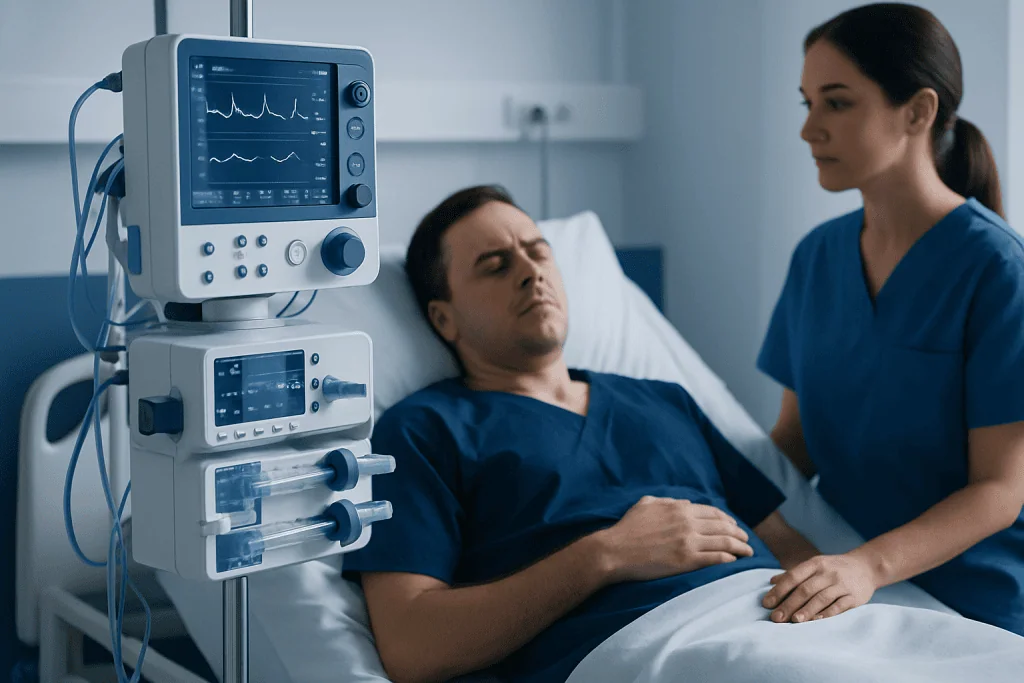
Symptoms can vary depending on how much of the bowel is affected and how long intestinal movement has been reduced. A person may first notice that the abdomen feels full, tight or increasingly bloated. Passing stool and gas may become difficult or stop altogether.
Common symptoms include nausea, vomiting, reduced appetite, abdominal discomfort or cramping, constipation and abdominal distension. The discomfort is often diffuse rather than focused in one spot. On examination, a healthcare professional may hear fewer bowel sounds than expected, although bowel sounds alone cannot confirm the diagnosis.
Symptoms after an operation deserve attention, especially if they persist longer than expected or worsen after initially improving. Some abdominal fullness and short-term reduced bowel activity can be part of normal recovery after surgery, but the care team should evaluate ongoing vomiting, marked distension, inability to tolerate fluids or increasing pain.
- Abdominal swelling or a feeling of pressure
- Nausea, vomiting or reflux of stomach contents
- Little or no passage of stool or gas
- Loss of appetite and early fullness
- Cramping, discomfort or generalized abdominal pain
Why the Bowel Can Stop Moving

The bowel depends on coordinated muscle activity, local nerves, the autonomic nervous system and balanced body chemistry. Disruption to any of these systems can slow intestinal movement. Surgery, especially surgery involving the abdomen or pelvis, can temporarily affect bowel function through tissue handling, inflammation, anesthesia, pain and changes in normal activity.
Medicines are another important contributor. Opioid pain medicines can slow the gastrointestinal tract, and other drugs may also contribute depending on the person’s medical situation. Clinicians review medicines carefully rather than stopping prescribed treatment without guidance. In some situations, changing the pain-management plan or adjusting another medicine supports bowel recovery.
Other possible causes include severe infection, inflammation, trauma, heart or lung illness, neurologic disease, prolonged bed rest and electrolyte abnormalities such as low potassium, magnesium or calcium. Conditions that affect bowel function may overlap with symptoms of bowel obstruction, which is why testing is important when symptoms are significant.
Risk may be higher in older adults, people with multiple medical conditions, those who are critically ill, and people who have recently had major surgery. However, ileus can occur in many clinical settings, and its cause should be assessed individually.
How Clinicians Diagnose Ileus
Diagnosis starts with a review of symptoms, recent surgery or hospitalization, medical conditions and current medicines. A clinician examines the abdomen for swelling, tenderness and signs of dehydration, and asks about the timing of the last bowel movement or passage of gas. They also consider whether symptoms could indicate a mechanical obstruction, infection, bowel inflammation or another urgent abdominal condition.
Blood tests may help identify dehydration, infection, kidney effects or electrolyte imbalances that can worsen poor bowel movement. Imaging is often used when symptoms are persistent, severe or uncertain. An abdominal X-ray may show widened loops of bowel containing gas, while a CT scan can provide more detail and help identify or exclude a physical blockage or other cause of symptoms.
The distinction between ileus and obstruction matters because management can differ. In ileus, gas and fluid may be visible throughout much of the bowel without a clear transition point. A mechanical obstruction may show a more defined point where the bowel is blocked. Imaging results are interpreted alongside the person’s symptoms and examination findings.
Treatment Options and Hospital Care
Treatment for ileus paralysis focuses on supporting the body while bowel function returns and correcting the underlying trigger. Depending on the severity, this may include temporarily avoiding solid food, receiving fluids through a vein and monitoring urine output, hydration and electrolyte levels. The medical team decides when and how to restart oral fluids and food based on symptoms and progress.
If vomiting or marked abdominal distension is present, a thin tube may be passed through the nose into the stomach to remove trapped fluid and gas. This is called nasogastric decompression. It can relieve pressure and reduce the risk of vomiting or inhaling stomach contents into the lungs. Not every person with ileus needs this intervention.
Clinicians may correct low electrolytes, treat infection or another illness, and review medicines that reduce bowel motility. When appropriate after surgery, early mobilization, sitting upright and walking with assistance may help support recovery. Pain management is individualized, with efforts to use the lowest effective amount of medicines that can slow the bowel.
A true mechanical blockage, bowel injury, reduced blood supply to the bowel or another complication may require different care, including procedures or surgery. Gastrointestinal surgery may be considered when testing shows a surgical cause rather than uncomplicated paralytic ileus.
Recovery, Food and Self-care
Recovery time depends on the cause, the person’s overall health and whether complications are present. After surgery, bowel activity often returns gradually. Passing gas, less abdominal swelling, reduced nausea and the ability to tolerate fluids are encouraging signs, but the care team determines when it is safe to advance the diet.
People should follow discharge instructions closely. If a clinician recommends a gradual return to eating, this may begin with clear fluids and progress to more substantial foods as tolerated. Eating large meals too soon can worsen nausea or bloating. Adequate fluid intake is important when permitted, particularly after vomiting or reduced intake.
Patients should not use laxatives, enemas, herbal products or over-the-counter bowel remedies for suspected ileus unless a clinician specifically recommends them. These products may be inappropriate when a blockage has not been ruled out. They should also avoid changing prescribed pain medicines independently.
For people recovering after an operation, gentle movement as advised by the surgical team, regular position changes and discussing nausea or constipation early can be helpful. Acibadem International’s multidisciplinary specialists and JCI-accredited hospitals diagnose and treat digestive conditions for international patients, with care plans based on the underlying cause and individual recovery needs.
When to Seek Medical Care
Anyone with possible ileus should contact a healthcare professional promptly, particularly after recent surgery or during a serious illness. New abdominal distension, persistent nausea, inability to pass gas or stool, or difficulty keeping fluids down should not be managed at home without medical advice.
Urgent assessment is needed for severe or worsening abdominal pain, repeated vomiting, a rigid or very tender abdomen, fever, fainting, confusion, blood in vomit or stool, or signs of dehydration such as very little urine, dizziness or extreme weakness. These symptoms can occur with ileus but may also indicate a bowel obstruction or another condition requiring prompt treatment.
People who are already in hospital should tell their nurse or doctor about increasing swelling, pain, vomiting or changes in bowel function. Early assessment helps the team provide fluids, symptom relief and testing when needed.
Frequently asked questions
Is ileus paralysis the same as a bowel obstruction?
No. Ileus paralysis means the bowel is not moving normally because of reduced muscle or nerve activity, whereas a mechanical bowel obstruction involves a physical blockage. The symptoms can be similar, so medical assessment and imaging may be needed to tell them apart.
How long does paralytic ileus last?
The duration varies with the cause and the person’s health. Ileus after surgery often improves gradually over several days, while ileus related to infection, medicines or electrolyte problems may improve once those factors are treated. Persistent or worsening symptoms need reassessment.
Can opioid pain medicines cause ileus?
Yes. Opioid medicines can slow bowel movement and may contribute to constipation or ileus, particularly after surgery or in people who are seriously ill. A doctor can review pain-control options and decide whether medicine changes are appropriate.
Can a person eat or drink with ileus paralysis?
This depends on the severity of symptoms and the treatment plan. When there is vomiting, substantial swelling or concern about obstruction, a clinician may recommend temporarily avoiding food and sometimes fluids by mouth. Oral intake is restarted gradually when it is safe.
Can walking help an ileus after surgery?
Gentle walking and early movement, when approved by the surgical team, may support normal bowel recovery and lower some postoperative risks. It is not a substitute for medical evaluation if there is persistent vomiting, significant swelling or worsening pain.
Can ileus paralysis return after it improves?
It can recur if the underlying trigger remains present or develops again, such as ongoing opioid use, a new infection or an electrolyte imbalance. Following the care plan and reporting recurrent symptoms early can help clinicians identify and address the cause.
References
- National Institute of Diabetes and Digestive and Kidney Diseases
- American College of Surgeons
- Merck Manual Consumer Version
- Cleveland Clinic
- StatPearls
This article is for general information only and is not a substitute for professional medical advice. Please consult a qualified doctor about your individual situation.
Persistent digestive symptoms? Get evaluated in Turkey
JCI-accredited · board-certified surgeons · reply within 24h
Add us as a Preferred Source to see more of our trusted health content across Google Search, AI Overviews and Discover.