Immunotherapy for Multiple Myeloma: How It Works, Results and What to Expect

Immunotherapy helps the immune system identify and destroy multiple myeloma cells. CAR T-cell therapy and bispecific antibodies are major immunotherapy approaches for myeloma.
Key Takeaways
- Immunotherapy helps the immune system identify and destroy multiple myeloma cells.
- CAR T-cell therapy and bispecific antibodies are major immunotherapy approaches for myeloma.
- Suitability depends on prior treatments, overall health, disease features and access to specialized care.
- Treatment can produce deep responses, but careful monitoring is needed for infections, low blood counts and immune-related reactions.
- A hematology-oncology team can explain the expected benefits, risks and practical treatment schedule for each person.
Immunotherapy for multiple myeloma uses targeted immune-based medicines or engineered immune cells to recognize and attack myeloma cells. It is most often considered for relapsed or treatment-resistant disease, although its role is expanding as research and approvals evolve.
Overview: What Is Immunotherapy for Multiple Myeloma?
Immunotherapy for multiple myeloma is treatment that strengthens, redirects or supplies immune activity so that the body can better recognize and attack myeloma cells. Multiple myeloma is a cancer of plasma cells, a type of white blood cell found mainly in bone marrow. Because myeloma cells can evade normal immune defenses, immune-based treatments are designed to target markers found on or around these cancer cells.
Immunotherapy is not one single procedure. It includes medicines such as monoclonal antibodies and bispecific antibodies, as well as cellular treatments such as CAR T-cell therapy. These approaches may be used alone or combined with other treatments, including steroids, chemotherapy, targeted medicines or stem cell transplantation. The most appropriate plan depends on the individual’s disease history and current health.
For many people, immunotherapy is considered after myeloma has returned following earlier treatment or has not responded adequately to standard options. Some treatments are also being studied or used earlier in the course of disease in selected circumstances. A hematologist who specializes in plasma-cell disorders can discuss where immunotherapy fits within the broader plan for multiple myeloma.
How Immunotherapy Works Against Myeloma
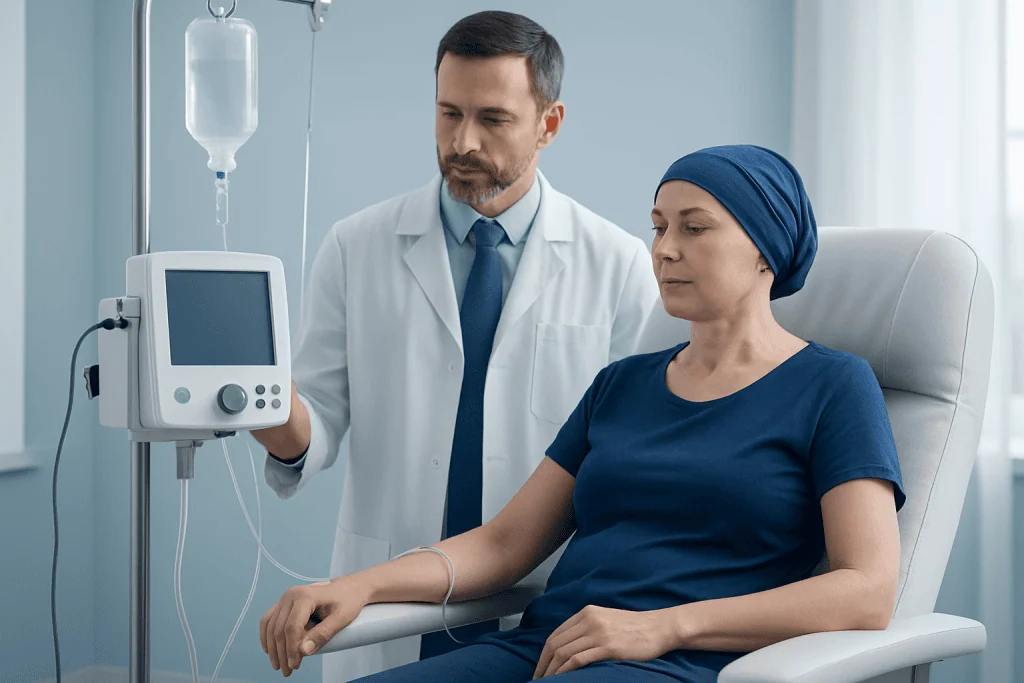
Myeloma cells may carry proteins on their surface that can serve as treatment targets. Common targets include BCMA, GPRC5D and FcRH5. Immunotherapies use different methods to identify these targets and bring immune cells into contact with the cancer cells.
Monoclonal antibodies are laboratory-made proteins that attach to a specific marker on myeloma cells. Some can flag cancer cells for destruction by the immune system, while others may directly interfere with cancer-cell survival. Antibody-based therapies are often given by infusion or injection, sometimes in combination with other anti-myeloma medicines.
Bispecific antibodies are designed with two binding sites. One site attaches to a marker on the myeloma cell, and the other attaches to CD3 on T cells, an important type of immune cell. This close connection activates T cells to attack the myeloma cell. These medicines are commonly administered on a regular schedule under close supervision, particularly during the first doses.
CAR T-cell therapy is a personalized cellular immunotherapy. T cells are collected from the patient’s blood and genetically modified in a laboratory so they can recognize a selected myeloma target. The modified cells are multiplied and returned to the patient by infusion, where they can seek out and kill cells carrying that target. CAR T-cell therapy requires coordinated care at an experienced treatment center.
Who May Be a Candidate?

Candidacy for immunotherapy for multiple myeloma is individualized. The treatment team considers whether the myeloma has relapsed, how it responded to previous therapies, which medicines have already been used, and whether the disease has features that suggest a higher risk of progression. Laboratory tests, bone marrow findings and imaging may also help guide decisions.
Overall health is equally important. The team reviews heart, lung, kidney and liver function; blood counts; infection history; neurologic symptoms; and the ability to attend frequent appointments. For CAR T-cell therapy, practical issues such as the time needed to manufacture the cells and the availability of a caregiver after infusion are also considered.
Age alone does not automatically determine eligibility. However, people who are medically frail or who have an uncontrolled infection, significant organ dysfunction or rapidly progressing illness may need stabilization or another treatment approach first. The goal is to select a therapy whose possible benefits reasonably outweigh its risks for that person.
People may also be offered a clinical trial when available and appropriate. Trials can provide access to emerging immunotherapies while helping researchers understand how to improve myeloma care. Participation is voluntary, and patients should receive clear information about potential benefits, uncertainties and follow-up requirements.
What Happens During Treatment: Step by Step
The process begins with consultation, review of prior records and baseline testing. This commonly includes blood tests, assessment of myeloma protein levels, imaging when needed, screening for infections and evaluation of organ function. The healthcare team also discusses medicines, vaccinations, fertility considerations where relevant and plans for preventing or responding to infection.
For antibody-based immunotherapy, treatment is usually delivered as an infusion under the skin or into a vein, depending on the medicine. Early doses may require observation because reactions can occur, and pre-treatment medicines may be used to lower the chance of infusion-related symptoms. Subsequent dosing may continue in an outpatient setting when it is safe to do so.
For CAR T-cell therapy, blood is first collected through a process called leukapheresis. The cells are sent to a specialized laboratory for modification and expansion. While the cells are being prepared, some patients receive temporary treatment, known as bridging therapy, to help control myeloma. Shortly before the CAR T-cell infusion, a short course of chemotherapy may be given to prepare the immune system to receive the engineered cells.
The CAR T-cell infusion itself is generally brief, but close monitoring afterward is essential. Depending on the product, local practice and individual risk, patients may remain in hospital or stay near the treatment center for a defined period. The team checks for fever, blood-pressure changes, breathing concerns, confusion and changes in blood counts, while also monitoring how the myeloma responds.
Benefits, Results and Limits of Treatment
Immunotherapy can lead to meaningful responses in people whose myeloma has returned after several previous treatments. In some cases, the response may be deep, meaning that very little myeloma can be detected using sensitive tests. A response can reduce symptoms related to active myeloma, such as anemia, bone pain or kidney strain, though results differ from person to person.
It is important to view treatment results in context. Response rates and how long a response lasts vary according to the specific immunotherapy, the patient’s prior treatment history, disease biology and overall condition. A good initial response does not guarantee that myeloma will never return, and ongoing follow-up remains necessary.
Immunotherapy may also offer an option when standard drug combinations no longer control the disease. Still, it is not suitable for every person and may not be available in every treatment setting. In some situations, another systemic approach, a stem cell transplant, radiation for a localized bone problem, or supportive treatment may be more appropriate.
The care team usually tracks response with blood and urine tests, free light-chain measurements, imaging and, when indicated, bone marrow testing. These results help determine whether treatment should continue, be adjusted or be followed by another strategy.
Recovery Timeline, Monitoring and Daily Life
Recovery looks different for each type of immunotherapy. After an outpatient antibody dose, some people can return home the same day, although they may need regular blood tests and frequent visits early in treatment. Tiredness and changes in blood counts can affect everyday routines, so rest, nutrition, hydration and help with practical tasks may be useful.
Recovery after CAR T-cell therapy often requires more intensive short-term monitoring. Immune reactions can develop in the first days or weeks after infusion, and low blood counts or reduced antibody levels may persist longer in some people. Follow-up appointments may include infection surveillance, blood tests and discussions about whether preventive antiviral, antibacterial or other supportive medicines are needed.
Because treatment and myeloma itself can weaken immunity, patients should follow the team’s advice about hand hygiene, food safety, crowded indoor environments and contact with people who are unwell. Vaccination planning is individualized, particularly after cellular therapy or transplantation. Patients should not start supplements, herbal remedies or non-prescribed medicines without checking with their oncology team.
Emotional recovery matters as well. Uncertainty, fatigue and the demands of repeated appointments can be challenging. Social workers, psychologists, nurses, rehabilitation professionals and patient-support services can help individuals and families manage practical and emotional needs during treatment.
Risks and Side Effects
All cancer treatments can cause side effects, and the risks vary by the immunotherapy used. Common concerns include fatigue, low red blood cell counts, low platelets and low white blood cell counts. These changes can contribute to weakness, bleeding or bruising, and a higher risk of infection. Regular blood tests allow the team to identify and manage problems early.
Bispecific antibodies and CAR T-cell therapy can cause cytokine release syndrome, an immune reaction that may lead to fever, chills, low blood pressure, fast heartbeat or breathing difficulties. It can range from mild to serious, which is why early doses and CAR T-cell infusion require close observation. Prompt treatment is available, and patients should report fever or new symptoms immediately.
Some people receiving CAR T-cell therapy may develop neurologic effects, such as headache, tremor, confusion, difficulty speaking or unusual sleepiness. These symptoms require urgent medical assessment. Other possible longer-term effects include reduced levels of normal antibodies, recurrent infections and prolonged low blood counts.
Before treatment begins, the team explains the expected side effects, emergency contact arrangements and the circumstances in which hospital care may be needed. Clear communication is an important safety measure; patients and caregivers should feel comfortable reporting symptoms even if they seem mild.
When to Seek Medical Care
Anyone receiving immunotherapy for multiple myeloma should contact their treatment team urgently for a fever, chills, shortness of breath, chest pain, severe weakness, uncontrolled vomiting or diarrhea, new bleeding, or symptoms of infection. New confusion, difficulty speaking, severe headache, fainting, seizures or marked drowsiness should be treated as an emergency, especially after CAR T-cell therapy.
Patients should use the emergency instructions provided by their oncology center rather than waiting for a routine appointment. It is helpful to tell emergency clinicians that the person is receiving, or has recently received, immunotherapy or CAR T-cell therapy, as this can affect the evaluation and treatment plan.
For people considering treatment, a referral to a hematology-oncology service is appropriate when multiple myeloma returns, stops responding to treatment or causes new symptoms. Acibadem International’s multidisciplinary specialists and JCI-accredited hospitals diagnose and treat multiple myeloma for international patients, coordinating hematology, oncology, cellular therapy and supportive care when indicated.
Frequently asked questions
Is immunotherapy a cure for multiple myeloma?
Immunotherapy can produce deep and sometimes long-lasting responses, particularly in relapsed or treatment-resistant multiple myeloma. However, multiple myeloma is generally considered a condition that may require ongoing monitoring and additional treatment over time. The outlook depends on the individual disease and response to therapy.
What is the difference between CAR T-cell therapy and bispecific antibodies?
CAR T-cell therapy uses a patient’s own T cells, which are collected and modified in a laboratory before being returned by infusion. Bispecific antibodies are ready-made medicines that connect T cells to myeloma cells and are given repeatedly on a treatment schedule. Both approaches can activate T cells, but their preparation, delivery and monitoring requirements differ.
How long does CAR T-cell therapy for multiple myeloma take?
The infusion itself is usually short, but the full process takes longer because cells must be collected, manufactured and prepared for reinfusion. Patients also need close monitoring before and after treatment, particularly during the early recovery period. The treating center can provide a personalized timeline.
Can immunotherapy be used as the first treatment for multiple myeloma?
Some immunotherapy medicines may be incorporated into earlier treatment plans in selected patients, depending on local approvals, clinical evidence and individual circumstances. Other therapies, especially certain CAR T-cell products, have traditionally been used after previous treatments. A myeloma specialist can explain the options appropriate for the stage and features of the disease.
What are the most important side effects to report immediately?
Fever, chills, trouble breathing, dizziness, low blood pressure symptoms, confusion, severe headache, unusual sleepiness, seizures and signs of infection require urgent medical advice. These may indicate an immune reaction or infection and should not be managed at home without guidance. Patients should follow the emergency plan given by their treatment team.
Will immunotherapy weaken the immune system?
Although immunotherapy activates part of the immune system against cancer, it can also lower normal blood counts or antibody levels and increase infection risk. The care team may recommend preventive medicines, blood tests, immunoglobulin replacement in selected cases and individualized vaccination planning. Infection-prevention advice remains important throughout treatment and recovery.
References
- National Cancer Institute
- American Cancer Society
- International Myeloma Foundation
- National Comprehensive Cancer Network
- European Society for Medical Oncology
This article is for general information only and is not a substitute for professional medical advice. Please consult a qualified doctor about your individual situation.
Multiple Myeloma in Turkey — costs, top hospitals & a free quote
JCI-accredited · board-certified surgeons · reply within 24h
Add us as a Preferred Source to see more of our trusted health content across Google Search, AI Overviews and Discover.

Medical Oncology Department
Medical treatment of cancer with chemotherapy, immunotherapy and targeted therapies under a multidisciplinary tumor board.
60 specialists in this unit