Incisional Hernia — Explained by Medical Evidence, Not Myths

An incisional hernia happens at or near a previous abdominal surgery scar. Common signs include a bulge, discomfort, heaviness, or pain that worsens with coughing or straining.
Key Takeaways
- An incisional hernia happens at or near a previous abdominal surgery scar.
- Common signs include a bulge, discomfort, heaviness, or pain that worsens with coughing or straining.
- Some small hernias can be monitored, but many eventually need surgical repair.
- Urgent medical care is needed for severe pain, vomiting, fever, or a bulge that cannot be pushed back.
- Risk factors include wound infection, obesity, smoking, diabetes, and repeated pressure on the abdomen.
An incisional hernia is a weakness or opening that develops at the site of a previous abdominal surgical incision, allowing tissue or part of the intestine to push outward. It may cause a visible bulge, discomfort, or pressure, and treatment depends on symptoms, size, and the risk of complications.
Overview: what an incisional hernia really means
An incisional hernia is a type of abdominal wall hernia that develops where a person previously had surgery on the abdomen. After an operation, the muscles and supporting tissues usually heal into a strong scar. If that area remains weak or pulls apart over time, fatty tissue or a loop of bowel can push through, creating a bulge under the skin.
This condition is not simply a “swollen scar” or a cosmetic issue. In many people, an incisional hernia causes pressure, discomfort, or a visible lump that becomes more noticeable when standing, coughing, or straining. In others, it may be found during a physical examination or imaging test before symptoms become troublesome.
Incisional hernias can appear weeks, months, or even years after an abdominal operation. They vary in size and severity. Some remain small and stable for a long time, while others slowly enlarge because normal day-to-day pressure inside the abdomen repeatedly pushes against the weakened area.
Medical evaluation is important because symptoms alone do not always show how significant a hernia is. A clinician can confirm the diagnosis, assess the risk of complications, and discuss whether observation or hernia repair is the safer option.
Symptoms and how they may change over time
The most common symptom of an incisional hernia is a soft bulge or swelling near a previous surgical scar. This bulge may appear when a person stands up, coughs, lifts something, or tightens the abdominal muscles. It may become smaller or disappear when lying down.
Many people also notice discomfort rather than sharp pain. The sensation may be described as pressure, pulling, heaviness, tenderness, or aching around the scar. Symptoms often worsen after long periods of standing, physical activity, constipation, or anything else that raises pressure inside the abdomen.
Not all incisional hernias are painful. Some are discovered because the scar area looks uneven, fuller, or progressively enlarged. However, a hernia that is increasing in size can become harder to treat and more likely to interfere with daily activities.
Warning signs of a complication include sudden or worsening pain, nausea, vomiting, abdominal bloating, redness over the bulge, fever, or a hernia that becomes firm and cannot be pushed back in. These symptoms may suggest that tissue is trapped and needs urgent assessment.
Why incisional hernias happen: causes and risk factors
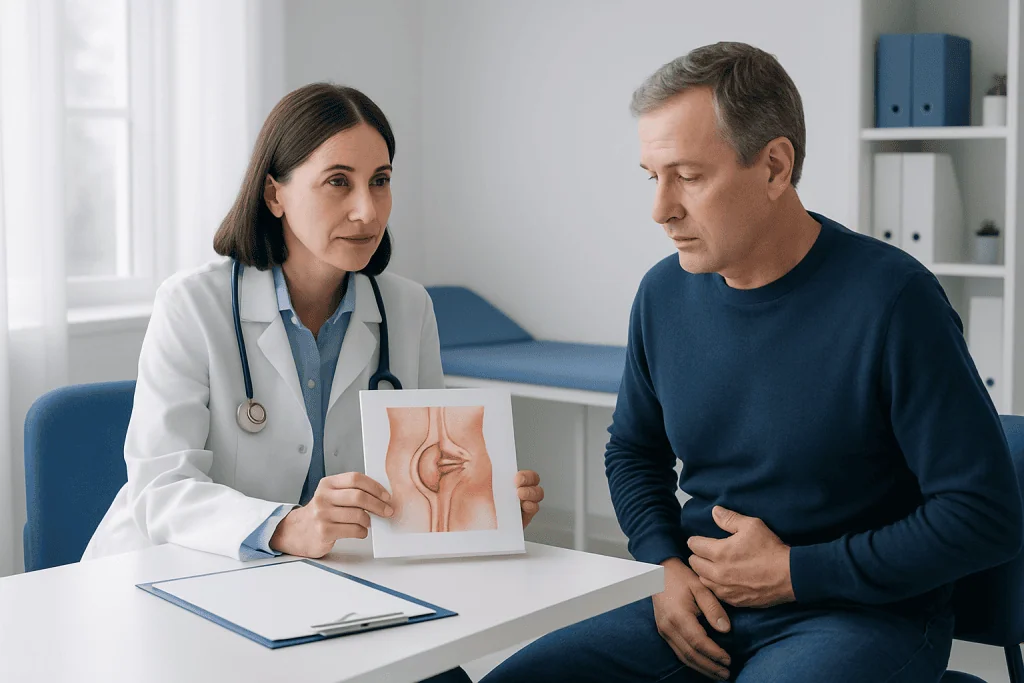
An incisional hernia develops because the layers of the abdominal wall do not heal with full strength after surgery, or because the repaired area weakens later. Healing depends on the quality of the tissues, the type of incision, surgical technique, and the amount of stress placed on the wound during recovery and afterward.
Several factors increase the chance of this problem. Wound infection is one of the most important because infection can disrupt normal tissue repair. Other common risk factors include obesity, smoking, diabetes, poor nutrition, older age, chronic steroid use, and conditions that impair wound healing.
Repeated increases in abdominal pressure also matter. Chronic coughing, constipation, urinary straining, heavy lifting, repeated vomiting, and pregnancy can all place force on a healing incision. People who have had multiple abdominal surgeries may also have a higher risk because the abdominal wall has been opened more than once.
Incisional hernia is one form of hernia, but it is different from groin hernias that develop without a prior surgical scar. It may also coexist with other abdominal wall problems, including weakness of the midline tissues or separation of the abdominal muscles, sometimes discussed alongside umbilical hernia when a bulge forms near the navel area.
How doctors diagnose an incisional hernia
Diagnosis usually starts with a medical history and physical examination. The doctor will ask about prior surgeries, when the bulge first appeared, whether it changes in size, and whether symptoms worsen with activity. During the examination, the person may be asked to stand, cough, or gently strain so the hernia becomes easier to feel.
In many cases, an experienced clinician can diagnose an incisional hernia by examination alone. The location near a previous abdominal scar is often a strong clue. The doctor will also assess whether the hernia can be reduced, meaning the contents can be gently guided back inside.
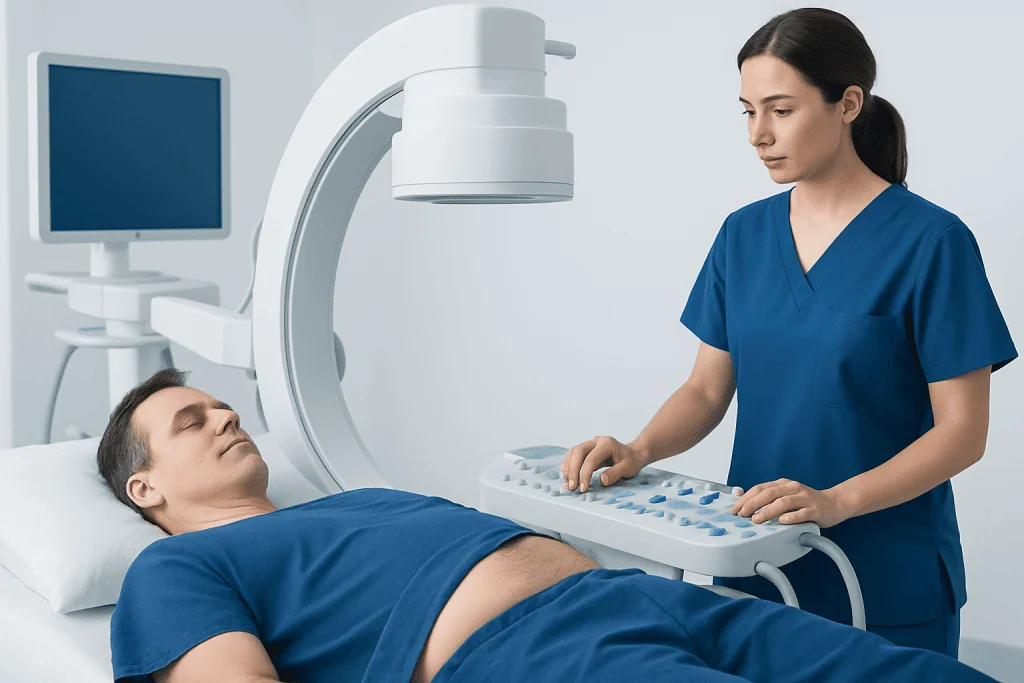
Imaging may be helpful when the diagnosis is unclear, the person has obesity, the hernia is recurrent, or the surgeon needs to plan treatment. Ultrasound and computed tomography are commonly used. A CT scan can show the size of the defect, what tissue is inside it, and whether there are multiple weak areas in the abdominal wall.
Accurate diagnosis is important because not every lump near a scar is a hernia. Scar tissue, fluid collections, or other abdominal wall masses can sometimes look similar. Imaging helps clarify the problem and guide the safest treatment plan.
Treatment options: watchful waiting and surgical repair
Treatment depends on the hernia’s size, symptoms, effect on quality of life, and the risk of complications. If the hernia is small, minimally symptomatic, and easy to reduce, a doctor may recommend watchful waiting with regular follow-up. This approach is usually paired with advice on weight management, smoking cessation, bowel regularity, and avoiding heavy straining.
However, many incisional hernias gradually enlarge or become more uncomfortable over time, and definitive treatment is surgical repair. The goal of surgery is to return the protruding tissue to its normal position and reinforce the weak area in the abdominal wall. In many cases, reinforcement is done with mesh, which helps lower the chance of recurrence compared with suture repair alone in selected patients.
Repair may be performed through open surgery or by minimally invasive approaches such as laparoscopic surgery, depending on the hernia’s size, location, prior operations, and the patient’s overall health. Some patients with complex or very large abdominal wall defects may need more advanced reconstruction techniques. The best option is individualized after assessment by a surgeon experienced in abdominal wall repair.
Before surgery, doctors often try to improve factors that affect healing, such as blood sugar control, smoking, body weight, and treatment of cough or constipation. In selected cases, a broader operative plan involving general surgery specialists may be recommended, especially when previous repairs have failed or the anatomy is complex.
Recovery, prevention, and self-care
Recovery after treatment varies with the size of the hernia and the type of procedure performed. Many people are encouraged to walk early after surgery, but heavy lifting and activities that sharply increase abdominal pressure are restricted for a period advised by the surgeon. Following wound-care instructions carefully supports healing and helps reduce the risk of infection.
Self-care also matters for people who are monitoring a hernia without immediate surgery. Preventing constipation, treating chronic cough, and using proper lifting technique can reduce pressure on the abdominal wall. Maintaining a healthy weight may improve comfort and can also make future surgery safer and more effective.
Smoking cessation is one of the most practical preventive steps because smoking reduces blood flow to healing tissues and increases the risk of wound complications. Good diabetes management and balanced nutrition also support tissue repair. People who have had abdominal surgery should report new bulging at the scar early rather than waiting for symptoms to progress.
No exercise, binder, or home remedy can close an established incisional hernia defect permanently. Support garments may sometimes ease discomfort temporarily, but they do not repair the opening. A clinician can advise whether simple observation is reasonable or whether formal treatment is the safer path.
When to seek medical care
Medical review is appropriate for any new or enlarging bulge that appears in or near a previous abdominal surgery scar. Even if symptoms are mild, an examination can confirm whether it is an incisional hernia and help determine the likelihood of progression. Early discussion may also make treatment planning more straightforward.
Prompt medical attention is especially important if the hernia becomes painful, harder to reduce, or starts to interfere with movement, work, exercise, or sleep. People with chronic conditions that affect healing, such as diabetes or lung disease with ongoing cough, should not ignore changes around a surgical scar.
Urgent care is needed if there is sudden severe pain, nausea, vomiting, fever, skin redness, abdominal distension, or a firm bulge that cannot be pushed back in. These signs can suggest incarceration or strangulation, meaning the trapped tissue may have a compromised blood supply.
For patients seeking coordinated evaluation, Acibadem International’s multidisciplinary specialists in JCI-accredited hospitals diagnose and treat incisional hernia for international patients, including complex abdominal wall cases when appropriate.
Frequently asked questions
Can an incisional hernia heal on its own?
No. Once there is a true defect in the abdominal wall, it does not usually close by itself. Symptoms may stay mild for a time, but the weakness often persists and can enlarge over time.
Is every incisional hernia painful?
No, some cause little or no pain. A person may notice only a bulge or a feeling of pressure near a previous scar. Even painless hernias should be assessed if they are growing or changing.
Does an incisional hernia always need surgery?
Not always. Small, reducible hernias with minimal symptoms may sometimes be monitored under medical guidance. Surgery is often recommended if the hernia causes symptoms, enlarges, or has a higher risk of complications.
What is the difference between an incisional hernia and other hernias?
An incisional hernia occurs at the site of a prior abdominal operation where the tissues healed with weakness. Other hernias, such as inguinal or femoral hernias, develop in natural weak points rather than through a surgical scar.
Can exercise make an incisional hernia worse?
Activities that sharply increase abdominal pressure can worsen symptoms or make the bulge more noticeable. Gentle movement is usually encouraged, but heavy lifting and high-strain exercise should be discussed with a doctor, especially after surgery.
When is an incisional hernia an emergency?
It becomes urgent if the bulge is suddenly very painful, firm, discolored, or cannot be pushed back in. Vomiting, fever, abdominal bloating, or severe tenderness are also warning signs and need immediate medical attention.
This article is for general information only and is not a substitute for professional medical advice. Please consult a qualified doctor about your individual situation.
Persistent digestive symptoms? Get evaluated in Turkey
JCI-accredited · board-certified surgeons · reply within 24h
Add us as a Preferred Source to see more of our trusted health content across Google Search, AI Overviews and Discover.

More from the Health Library

Gastric Lavage: What Patients Need to Know
Anal Bleaching: An Evidence-Based Guide for Patients

Zinc Benefits: A Complete Medical Overview

C Diff: A Complete Medical Overview

Asa Medical Abbreviation — Explained by Medical Evidence, Not Myths

Neutrophils High: An Evidence-Based Guide for Patients
General Surgery Specialists at Acibadem
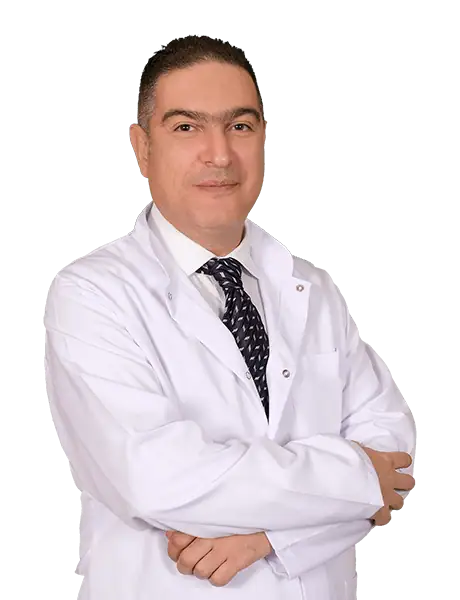
Assoc. Prof. Dr. Abdülhak Hamit Karayağız
General Surgery
Dr. Abdullah Boğa
General Surgery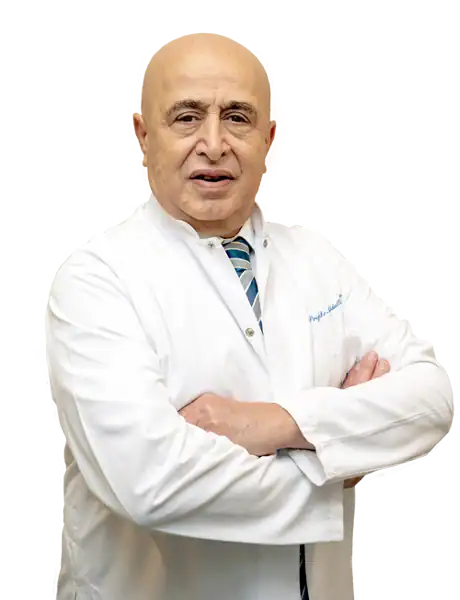
Prof. Dr. Abdullah Zorluoğlu
General Surgery
Assoc. Prof. Dr. Afag Aghayeva
General Surgery