Inherited Diseases and Disorders: Symptoms, Causes, and Treatment Options

Inherited diseases and disorders are caused by gene or chromosome changes that can run in families. Symptoms vary widely and may appear at birth, during childhood, or later in adult life.
Key Takeaways
- Inherited diseases and disorders are caused by gene or chromosome changes that can run in families.
- Symptoms vary widely and may appear at birth, during childhood, or later in adult life.
- Diagnosis often involves family history, physical examination, laboratory tests, imaging, and genetic testing.
- Treatment depends on the specific condition and may include medicines, nutrition support, surgery, rehabilitation, and long-term monitoring.
- Genetic counseling can help families understand inheritance patterns, testing options, and future pregnancy risks.
Inherited diseases and disorders are genetic conditions caused by changes in DNA that may be passed from one or both parents. They can affect many parts of the body, and care usually focuses on accurate diagnosis, symptom control, monitoring, and, in some cases, targeted treatment.
Overview: What inherited diseases and disorders are
Inherited diseases and disorders are conditions linked to changes in genes or chromosomes. These changes may be passed down through families, which is why they are also called hereditary or genetic conditions. Some are present and noticeable at birth, while others develop slowly and become clearer later in childhood or adulthood.
These conditions do not all behave the same way. A single inherited disorder may affect blood, metabolism, nerves, muscles, the heart, lungs, kidneys, skin, or several organ systems at once. In some families, a condition appears in many relatives across generations. In others, there may be no obvious family history because the genetic change is new, recessive, or previously unrecognized.
Inherited diseases and disorders include well-known examples such as cystic fibrosis, sickle cell disease, thalassemia, hemophilia, muscular dystrophy, Huntington disease, and some inherited cancer syndromes. Care is highly individualized. The most important first steps are identifying the correct diagnosis, understanding how the condition is inherited, and planning treatment and follow-up based on the person’s symptoms and overall health.
How genes are involved and why these conditions vary
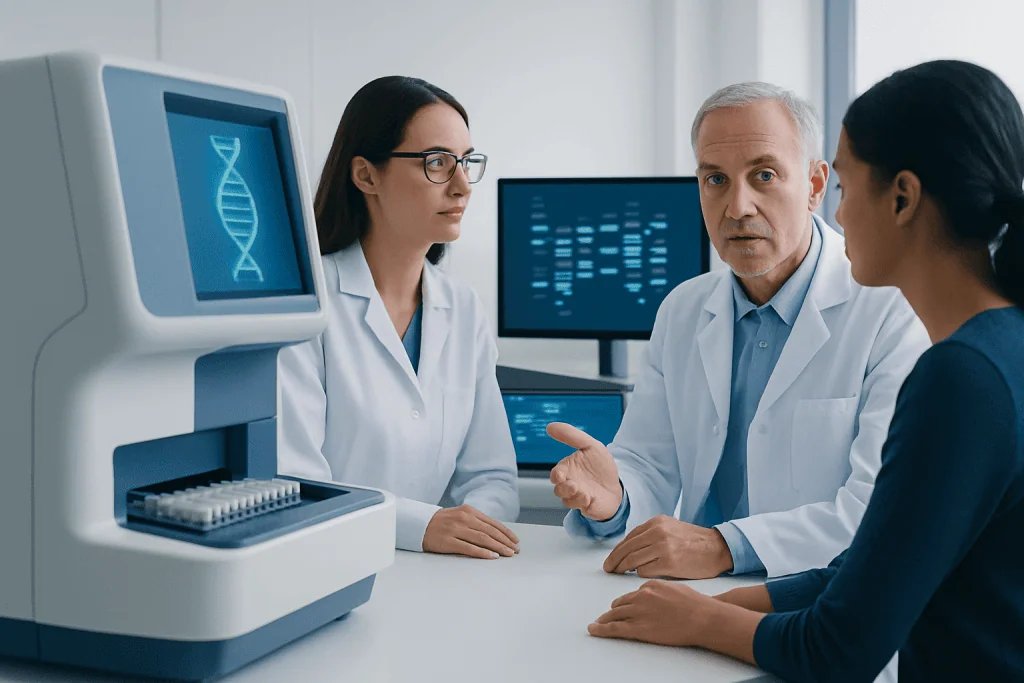
Genes are instructions that tell the body how to grow, repair tissues, and carry out everyday functions. A disease can happen when one gene does not work properly, when a chromosome is missing or extra, or when several genes and environmental factors interact. This is why inherited diseases and disorders range from relatively mild to complex and lifelong.
Doctors often describe inheritance patterns to explain risk within a family. Some conditions are autosomal dominant, meaning one altered copy of a gene can cause disease. Others are autosomal recessive, meaning a person usually needs to inherit two altered copies, one from each parent. X-linked conditions are related to genes on the X chromosome and may affect males and females differently.
Not everyone with the same genetic change has the same symptoms. One person may have severe disease, while another has mild signs or develops symptoms much later. This variation can depend on the exact mutation, age, sex, other health conditions, and environmental influences. Because of this, genetic results are only one part of the overall clinical picture.
Symptoms and warning signs

The symptoms of inherited diseases and disorders depend on which body system is affected. In infants and children, warning signs may include feeding difficulties, poor growth, developmental delay, unusual facial or skeletal features, repeated infections, muscle weakness, seizures, or jaundice. In adults, symptoms may include chronic fatigue, anemia, numbness, movement problems, breathing difficulties, hearing or vision changes, fertility issues, or early heart disease.
Some people first come to medical attention because of repeated unexplained problems, such as kidney stones, blood clots, persistent liver test abnormalities, or a family pattern of cancer or neurological disease. Others may feel completely well and only learn about a hereditary risk after a relative is diagnosed or after screening identifies a concern.
Symptoms can be occasional or progressive. They may worsen during illness, stress, fasting, or pregnancy in certain metabolic disorders. Common patterns that can raise suspicion include:
- Several relatives with the same or related condition
- Symptoms beginning at a young age
- Disease affecting more than one organ system
- Unusual reactions to medications or anesthesia
- Recurrent unexplained episodes, such as weakness, collapse, or severe pain
Because these signs overlap with many non-genetic conditions, they do not confirm an inherited disorder on their own. A careful medical evaluation is needed.
Causes and risk factors
The direct cause of inherited diseases and disorders is a change in DNA or chromosome structure. These changes can be inherited from a parent or can arise for the first time in the affected person. A strong family history increases the chance of a hereditary condition, but its absence does not rule one out.
Risk factors depend on the specific disorder. A person may be more likely to carry or develop a condition if there is known disease in close relatives, if both parents are carriers of the same recessive condition, or if there is shared ancestry associated with certain genetic traits. In some disorders, age can influence when symptoms start, even though the genetic change has been present since conception.
It is also important to separate inherited conditions from acquired diseases. For example, not every heart problem, blood disorder, or neurological symptom is genetic. However, some common health problems can have inherited forms. A doctor may consider hereditary causes when disease appears unusually early, is severe, or affects multiple family members. In that setting, related conditions such as leukemia or multiple sclerosis may need to be considered in a broader diagnostic workup if symptoms overlap, even though they are not classic inherited disorders in most cases.
Diagnosis and genetic testing
Diagnosing inherited diseases and disorders usually starts with a detailed personal and family history. Doctors often ask about symptoms across several generations, miscarriages, infant deaths, early-onset disease, ethnic background, and relatives with similar findings. A physical examination can reveal clues such as growth patterns, skin changes, muscle wasting, joint problems, or organ enlargement.
Further testing may include blood and urine tests, imaging, nerve or muscle studies, heart tests, hearing and vision assessments, and metabolic screening. Genetic testing can help confirm a suspected diagnosis, identify carriers, and guide family counseling. Depending on the situation, doctors may use single-gene tests, gene panels, chromosome analysis, or broader sequencing methods.
Genetic results should be interpreted carefully. A positive result may explain symptoms, but some findings are uncertain and need to be reviewed in the context of the person’s health and family history. This is why genetic counseling is often recommended before and after testing. Counselors and specialists can explain what the result means, what it does not mean, and whether relatives may also benefit from evaluation.
In some people, genetic testing does not immediately provide a final answer. Medicine is still discovering new disease-causing variants, and repeat review of previous results may become useful over time.
Treatment options and long-term care
Treatment for inherited diseases and disorders depends on the exact diagnosis and the organs involved. Some conditions have specific therapies that target the disease mechanism, while others are managed by treating symptoms, preventing complications, and supporting function and quality of life. Many people benefit from care by a multidisciplinary team that may include pediatricians, internists, neurologists, hematologists, cardiologists, metabolic specialists, dietitians, physiotherapists, and genetic counselors.
Common treatments can include medicines, nutritional therapy, vitamin or enzyme replacement, blood transfusions, pain control, respiratory support, rehabilitation, and surgery when needed. For selected disorders, advanced options such as bone marrow transplant may be part of care. Some people with organ failure related to a hereditary condition may need procedures such as liver transplant or kidney transplant.
Long-term monitoring is often just as important as active treatment. Regular follow-up can help detect complications early, track growth and development in children, adjust therapies, and support daily functioning. Mental health support, school planning, occupational therapy, and social services may also be valuable for patients and families living with chronic genetic disease.
Near the end of the care journey, some patients seek coordinated international evaluation. Acibadem International’s multidisciplinary specialists and JCI-accredited hospitals diagnose and treat a wide range of inherited conditions for international patients when expert assessment is needed.
Prevention, family planning, and self-care
Inherited diseases and disorders cannot always be prevented, because the genetic change is often present from conception. However, early detection and informed family planning can reduce complications and support better decision-making. Genetic counseling can help people understand recurrence risks, carrier testing, reproductive options, and whether screening is appropriate for relatives.
Self-care focuses on staying as healthy as possible within the limits of the condition. Depending on the diagnosis, this may include following a prescribed diet, avoiding certain medications or fasting, keeping vaccinations up to date, exercising safely, and attending regular follow-up appointments. Families are often encouraged to keep a written medical summary, including diagnoses, medications, allergies, and emergency instructions.
For people with inherited disorders that affect mobility, breathing, blood counts, or immunity, daily routines may need adjustment. Practical steps can include maintaining hydration, protecting against infections, managing fatigue, and seeking prompt care for warning signs. Reliable information and support groups can also help patients and caregivers feel more confident and less isolated.
When to seek medical care
Medical advice should be sought if a child has poor growth, developmental regression, repeated unexplained illness, seizures, unusual weakness, or if several family members have similar symptoms. Adults should also arrange evaluation if they develop unexplained neurological changes, anemia, severe pain episodes, early heart disease, fertility problems, or a strong family pattern of serious illness.
Urgent care is important for trouble breathing, loss of consciousness, severe dehydration, chest pain, stroke-like symptoms, sudden inability to walk, or signs of serious infection. These symptoms are not specific to inherited diseases, but they need immediate medical assessment.
A planned appointment is also worthwhile when there are questions about family risk, pregnancy planning, or whether genetic testing may be useful. Early evaluation can clarify diagnosis, guide treatment, and help relatives understand whether they may benefit from screening.
Frequently asked questions
What is the difference between inherited and genetic disorders?
A genetic disorder is caused by a change in genes or chromosomes. An inherited disorder is a genetic disorder that is passed from a parent to a child. Some genetic conditions are inherited, while others result from a new change that was not present in either parent.
Can inherited diseases and disorders appear later in life?
Yes. Some hereditary conditions cause symptoms in infancy or childhood, but others may not become noticeable until adolescence or adulthood. The age at onset depends on the specific disorder and how strongly it affects the body.
If no one in the family is affected, can a person still have an inherited disorder?
Yes. A person may have a recessive condition with no obvious family history, or the genetic change may be new in that individual. Sometimes a family history is present but was never recognized because earlier symptoms were mild or incorrectly diagnosed.
Does a positive genetic test always mean someone will get sick?
Not always. Some genetic findings clearly cause disease, while others only increase risk or have uncertain significance. A doctor or genetic counselor can explain how a result applies to the person's health, symptoms, and family history.
Are inherited diseases and disorders curable?
Some inherited conditions can be treated very effectively, but many are managed rather than cured. Care may focus on controlling symptoms, replacing missing substances, preventing complications, and improving daily function. New targeted therapies are expanding options for selected disorders.
Who should consider genetic counseling?
Genetic counseling may be helpful for people with a personal or family history of a suspected hereditary condition, couples planning a pregnancy, parents of a child with unexplained developmental or medical problems, and relatives of someone with a confirmed genetic diagnosis. Counseling helps explain risks, testing choices, and next steps.
References
- World Health Organization
- MedlinePlus Genetics
- National Human Genome Research Institute
- Centers for Disease Control and Prevention
- American College of Medical Genetics and Genomics
This article is for general information only and is not a substitute for professional medical advice. Please consult a qualified doctor about your individual situation.
Explore treatments in Turkey — costs, top hospitals & a free quote
JCI-accredited · board-certified surgeons · reply within 24h
Add us as a Preferred Source to see more of our trusted health content across Google Search, AI Overviews and Discover.