Injection Ozurdex: How It Works, Results and What to Expect

Ozurdex is a biodegradable dexamethasone implant injected into the vitreous of the eye. It is used for selected retinal conditions involving swelling or inflammation, including some cases of macular edema and non-infectious uveitis.
Key Takeaways
- Ozurdex is a biodegradable dexamethasone implant injected into the vitreous of the eye.
- It is used for selected retinal conditions involving swelling or inflammation, including some cases of macular edema and non-infectious uveitis.
- The procedure is usually performed in an outpatient eye clinic using local anesthetic drops.
- Vision may be temporarily blurry after treatment, and follow-up visits are important to monitor eye pressure and the retina.
- Repeat treatment may be considered, but timing is individualized according to response, eye findings and safety monitoring.
Injection Ozurdex is a minimally invasive eye treatment that delivers corticosteroid medicine directly into the vitreous, the gel inside the eye. It may reduce retinal swelling and inflammation in selected people, with effects that can last for several months and require regular ophthalmology follow-up.
Injection Ozurdex: an overview
Injection Ozurdex is an intravitreal treatment in which an ophthalmologist places a tiny, biodegradable implant inside the eye. The implant contains dexamethasone, a corticosteroid medicine that helps calm inflammation and reduce fluid-related swelling in the retina, the light-sensitive tissue at the back of the eye.
Unlike eye drops, the implant releases medicine gradually where it is needed. It is not a cure for the underlying eye condition, but it can help control disease activity and may improve or stabilize vision for some people. The decision to use it is made after a retinal examination and imaging tests that show the location and degree of swelling.
Ozurdex may be used for macular edema related to retinal vein occlusion, diabetic macular edema in appropriate circumstances, or non-infectious uveitis affecting the back of the eye. A specialist will determine whether a steroid implant, anti-VEGF injection, laser treatment, surgery or a combination approach is most suitable.
How does Ozurdex work?
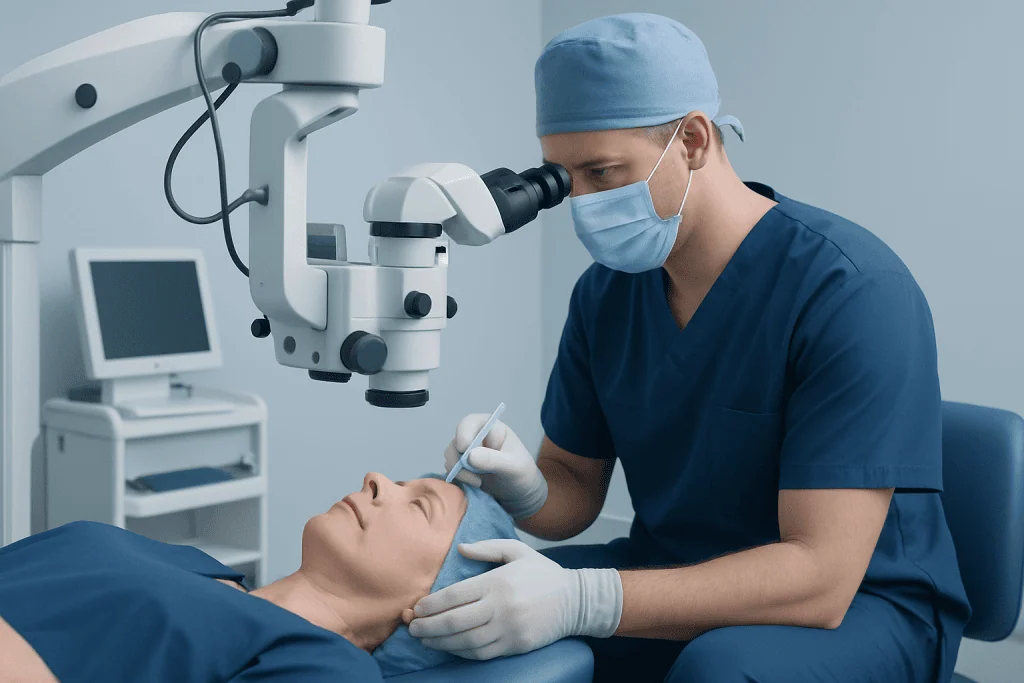
The injection of Ozurdex delivers a small rod-shaped implant into the vitreous, the clear gel that fills the inside of the eye. Dexamethasone is released slowly as the implant breaks down naturally. This local delivery helps reduce inflammatory signals and leakage from retinal blood vessels that can contribute to macular edema.
When fluid accumulates in or near the macula, the part of the retina responsible for central detail vision, reading, driving and recognizing faces can become more difficult. By reducing inflammation and leakage, treatment may decrease retinal thickness and support visual function. The degree and speed of improvement differ between individuals and depend on the cause of swelling and the health of the retina.
The usual Ozurdex injection dosage is one preloaded implant administered by an eye specialist into one eye at a time when treatment is indicated. It is not an injection that people administer themselves, and it should only be given in a properly prepared clinical setting.
Who may be a candidate for an Ozurdex injection?

A retina specialist or uveitis specialist may consider Ozurdex when retinal inflammation or macular swelling is affecting vision or creating a risk of vision loss. Candidates usually have detailed eye imaging, often including optical coherence tomography, to measure retinal fluid and thickness. The ophthalmologist also reviews prior treatments, response to treatment and the person’s overall medical history.
Steroid implants are not suitable for everyone. They may be avoided or used with particular caution in people with an active or suspected eye infection, uncontrolled glaucoma, a history of significant steroid-related rises in eye pressure, or certain structural problems involving the lens capsule. People who have had cataract surgery or who have an artificial lens may have different considerations from those who still have their natural lens.
Diabetes, prior eye surgery, glaucoma treatment and current eye drops should all be discussed before treatment. For people with retinal swelling due to diabetes, care may also involve monitoring related diabetic retinopathy and maintaining appropriate blood glucose, blood pressure and cholesterol management with their healthcare team.
What happens during the procedure?
The procedure is generally performed as an outpatient treatment and usually takes only a short time. Before injection, the eye is examined and cleaned with an antiseptic solution. Numbing eye drops or local anesthetic are used, and an eyelid holder may be placed to help keep the eye open comfortably.
The ophthalmologist injects the implant through the white part of the eye using a specially designed applicator. Most people feel pressure, brief discomfort or a momentary sensation rather than significant pain. The clinician checks the eye after the injection and provides individualized Ozurdex injection instructions for the hours and days ahead.
Patients should arrange transport home because vision can be blurred shortly after the procedure. The eye team may schedule an early review and later monitoring visits to assess vision, retinal fluid, the position of the implant when visible and intraocular pressure. Intravitreal injection treatment includes the clinical assessment and follow-up needed to use medicines inside the eye safely.
What to expect after an OZURDEX injection?
After an OZURDEX injection, mild redness, tearing, a scratchy sensation or blurred vision can occur for a short period. Some people notice moving spots or a small dark shape in their vision, which may relate to the implant or small air bubbles and often becomes less noticeable. The eye should not be rubbed or pressed.
Vision improvement is not always immediate. As inflammation and retinal fluid decrease, some people notice changes over days to weeks, while others may need longer or may experience mainly stabilization rather than a clear gain in vision. Follow-up imaging helps the specialist judge whether the retina is responding.
The doctor may advise avoiding swimming, hot tubs and activities that could introduce water or debris into the eye for a short time. Normal light activity is often possible soon afterward, but driving should wait until vision is clear enough to do so safely. Any prescribed drops should be used exactly as directed.
How long does an OZURDEX implant last?
The Ozurdex implant releases dexamethasone gradually and is designed to biodegrade inside the eye. Its clinical effect commonly lasts for several months, but the exact duration varies with the condition being treated, the level of inflammation or retinal leakage and each person’s response.
Some people experience meaningful improvement before the implant has completely dissolved, while others may have recurring fluid or inflammation as the medication effect lessens. Retinal scans and eye examinations, rather than symptoms alone, guide decisions about ongoing care.
The implant itself does not need to be removed. It gradually dissolves into substances that are naturally cleared by the body. In rare situations, particularly in eyes with certain prior lens or capsule conditions, an implant can move into the front part of the eye; this requires prompt assessment by an ophthalmologist.
How many times can you get OZURDEX?
Ozurdex can be given again when a specialist determines that repeat treatment is appropriate. There is no single fixed lifetime number of injections for every patient. The Ozurdex injection interval is individualized based on the return of retinal swelling or inflammation, vision, eye scans and potential side effects.
Repeat injections may be spaced by months, but the schedule should not be planned without assessment. Repeated exposure to corticosteroids can raise the likelihood of pressure-related complications and cataract progression in people who still have their natural lens. For this reason, each possible repeat injection involves a new benefit-risk discussion.
If the response is incomplete, short-lived or associated with side effects, the ophthalmologist may recommend a different medicine or another retinal treatment. Ongoing care is often tailored to the cause of macular edema, which may include conditions such as retinal vein occlusion or inflammatory eye disease.
What should I avoid while using OZURDEX?
Following the injection, people should avoid rubbing the treated eye and should follow the clinician’s instructions about keeping water, makeup, dust and potentially contaminated materials away from the eye during the early recovery period. Swimming pools and hot tubs are commonly avoided temporarily because they can increase exposure to irritants and germs.
It is also important not to skip follow-up appointments. Steroids can increase pressure inside the eye without causing obvious symptoms at first, so pressure checks are essential even when vision seems stable. Patients should tell their eye doctor about all eye medicines and any changes in their medical history.
People should not drive, operate machinery or make safety-critical decisions until temporary blurred vision has resolved. They should also avoid using non-prescribed eye drops unless their ophthalmologist confirms they are appropriate, as some products can irritate the eye or interfere with the treatment plan.
Benefits, risks and when to seek medical care
A potential benefit of injection Ozurdex is sustained local steroid treatment without daily eye drops. It may reduce retinal swelling and inflammation and can improve or preserve useful vision in appropriately selected patients. However, results vary, and regular monitoring remains necessary even when symptoms improve.
Possible risks include a temporary or persistent rise in eye pressure, cataract development or progression, eye bleeding, inflammation, retinal tear or detachment, and infection inside the eye. Serious complications are uncommon but require prompt care because they can threaten sight. The specialist will explain personal risks before treatment and monitor for complications afterward.
Urgent medical assessment is needed for increasing eye pain, worsening redness, rapidly declining vision, increasing sensitivity to light, a new curtain or shadow in vision, or a sudden increase in flashes or floaters. Acibadem International’s multidisciplinary specialists and JCI-accredited hospitals can assess and treat retinal and inflammatory eye conditions for international patients.
Frequently asked questions
Is an injection Ozurdex painful?
The eye is numbed before the injection, so most people experience pressure or brief discomfort rather than significant pain. Mild scratchiness or irritation afterward can occur. Severe pain or pain that becomes worse should be reported urgently to the eye clinic.
How often are Ozurdex injections given?
There is no standard schedule that fits everyone. The interval is based on the treated condition, retinal scan results, vision, response to prior treatment and eye pressure. A specialist decides whether and when repeat treatment is appropriate.
Can Ozurdex improve vision?
Ozurdex may improve vision when inflammation or retinal swelling is contributing to visual changes. In some cases, the main benefit is preventing further loss or stabilizing vision. The outcome depends on the underlying disease and whether there has already been lasting retinal damage.
Will I be able to see the Ozurdex implant?
Some people briefly notice a small moving spot, shadow or floater after treatment. This may be related to the implant or small air bubbles introduced during the procedure. It commonly becomes less noticeable, but sudden new floaters with flashes or a curtain-like shadow require urgent assessment.
Can Ozurdex cause glaucoma or cataracts?
Because Ozurdex contains a corticosteroid, it can increase eye pressure and may contribute to cataract development or progression, especially with repeated treatment. This does not happen to everyone, but it is why regular pressure checks and eye examinations are important. The ophthalmologist can discuss individual risk factors before treatment.
When should someone contact their doctor after an Ozurdex injection?
The treating clinic should be contacted promptly for worsening pain, increasing redness, a marked decrease in vision, discharge, new light sensitivity or new flashes and floaters. These symptoms may have several causes, but they should be assessed without delay. Routine follow-up should also be attended even if the eye feels comfortable.
References
- American Academy of Ophthalmology
- U.S. Food and Drug Administration
- National Eye Institute
- European Society of Retina Specialists
- Mayo Clinic
This article is for general information only and is not a substitute for professional medical advice. Please consult a qualified doctor about your individual situation.
Explore treatments in Turkey — costs, top hospitals & a free quote
JCI-accredited · board-certified surgeons · reply within 24h
Add us as a Preferred Source to see more of our trusted health content across Google Search, AI Overviews and Discover.
Check your numbers in seconds
BMI, calories, due date, blood pressure and 30+ more clinical calculators — free, instant, doctor-reviewed ranges.