Integrative Cancer Treatment: How It Works, Results and What to Expect
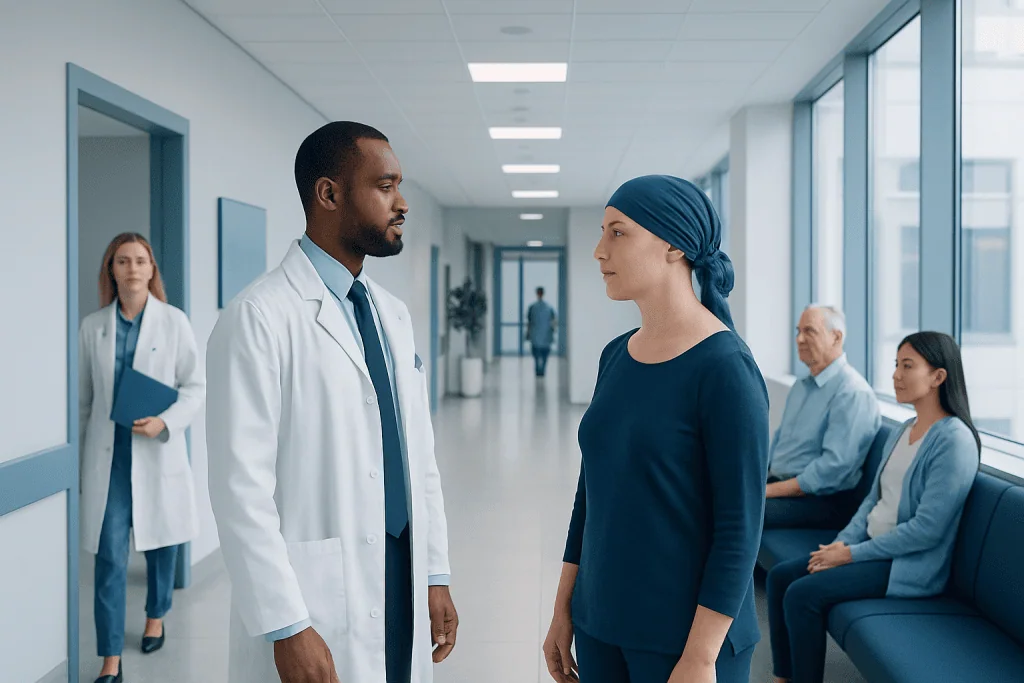
Integrative oncology uses complementary therapies alongside, not instead of, conventional cancer treatment. A coordinated care plan helps prevent interactions between supplements, herbs and cancer medicines.
Key Takeaways
- Integrative oncology uses complementary therapies alongside, not instead of, conventional cancer treatment.
- A coordinated care plan helps prevent interactions between supplements, herbs and cancer medicines.
- Nutrition support, exercise, symptom management and psychological care are common evidence-informed components.
- Response to cancer treatment is assessed through symptoms, examination, blood tests and imaging, depending on the cancer type.
- Urgent new symptoms during treatment should be discussed promptly with the oncology team.
Integrative cancer treatment combines standard treatments such as surgery, chemotherapy, radiotherapy and immunotherapy with selected supportive approaches that are evaluated for safety and evidence. It is designed to help a person manage symptoms, treatment side effects and emotional wellbeing; it does not replace oncology-led cancer treatment.
Overview: What Is Integrative Cancer Treatment?
Integrative cancer treatment is a coordinated approach that combines evidence-based cancer therapies with supportive care strategies. Standard treatments may include surgery, systemic therapies such as chemotherapy, targeted therapy, hormone therapy or immunotherapy, and radiotherapy. Supportive approaches may include nutrition care, physical activity guidance, psychological support, rehabilitation, sleep support, pain management and selected complementary therapies.
The aim is not to offer an alternative cure for cancer. Instead, integrative oncology aims to support the person as a whole while protecting the effectiveness and safety of medical cancer care. A plan should be individualized according to the cancer type and stage, treatment goals, symptoms, other health conditions, personal preferences and available evidence.
Some complementary approaches can be helpful for particular symptoms, such as anxiety, fatigue, nausea, pain or sleep difficulty. Others may be ineffective or may interfere with treatment. For this reason, every vitamin, herbal product, traditional remedy and wellness treatment should be discussed with the oncology team before use.
How Integrative Cancer Treatment Works
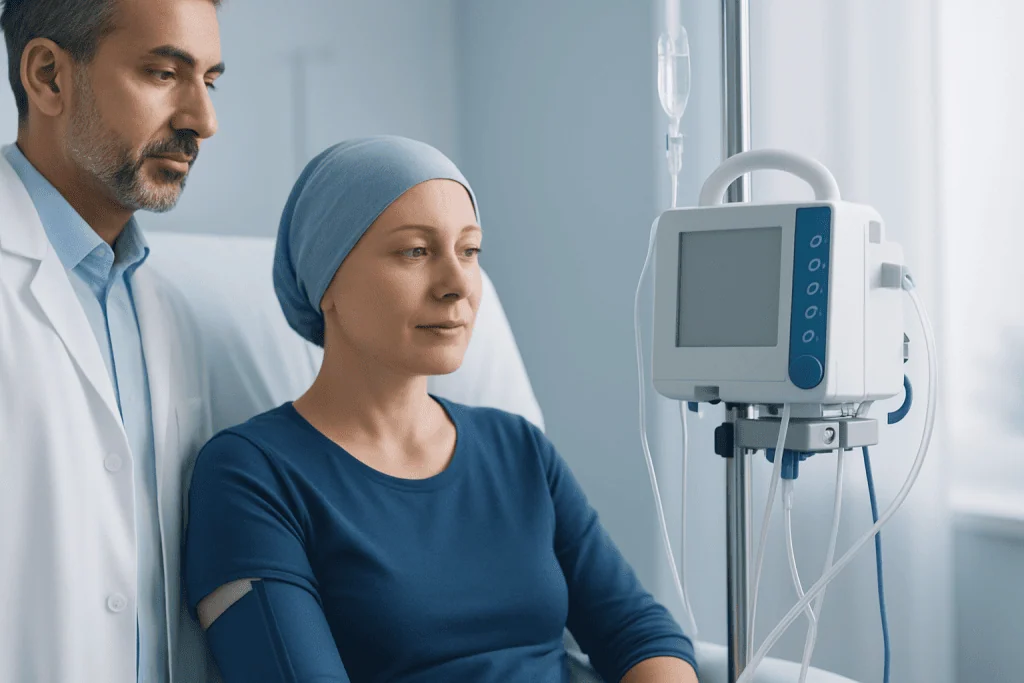
Integrative cancer treatment works through collaboration. The oncologist remains responsible for directing cancer treatment, while other professionals address practical and physical needs that can affect daily life. Depending on the situation, the team may include surgeons, radiation oncologists, medical oncologists, nurses, dietitians, physiotherapists, psychologists, palliative care clinicians, pharmacists and social workers.
The plan starts by identifying priorities. For one person, this may mean controlling nausea during chemotherapy. For another, it may involve preserving strength before surgery, addressing anxiety, improving sleep or managing pain. Interventions are selected based on the best available clinical evidence and are reviewed as treatment progresses.
Supportive care can be useful at any stage of cancer, including at diagnosis, during active treatment, after treatment and when cancer cannot be cured. Palliative care is one part of this approach: it focuses on symptom relief, communication and quality of life and can be provided alongside treatment intended to control cancer.
Where clinically appropriate, a coordinated cancer plan may include comprehensive cancer treatment alongside symptom-focused and rehabilitative care. The central principle is that complementary care should support—not delay, substitute for or contradict—recommended oncology treatment.
Who May Benefit and What to Expect Step by Step
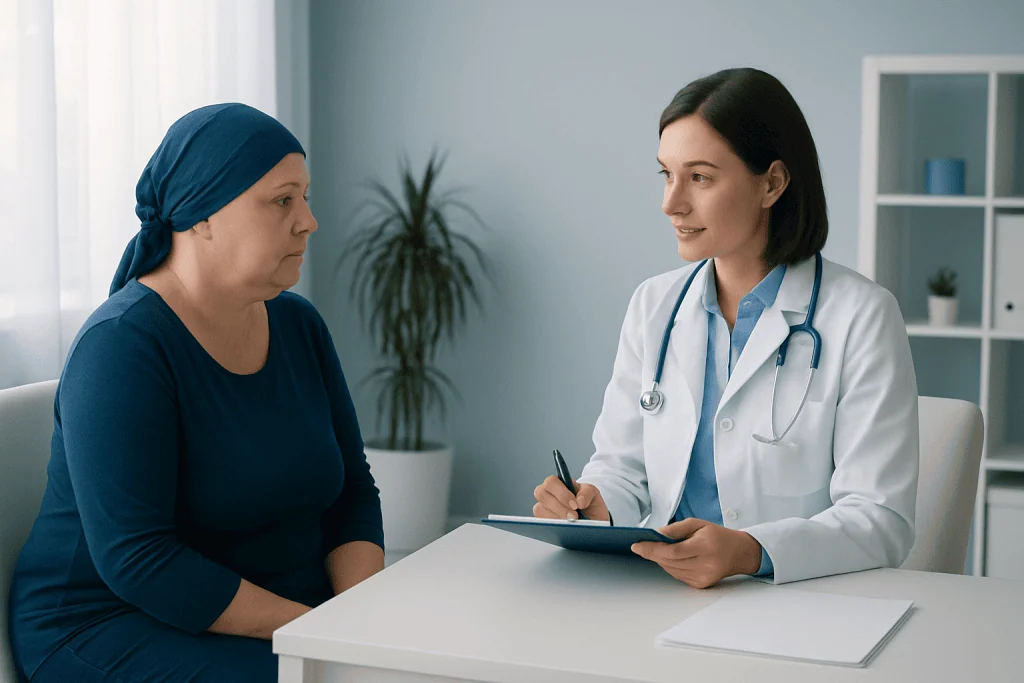
Most people with cancer can benefit from an assessment of supportive care needs. Integrative care may be particularly relevant for people experiencing treatment-related fatigue, appetite changes, nausea, pain, reduced mobility, sleep problems, emotional distress or difficulty returning to usual activities. It may also help people prepare physically and practically for a planned operation or intensive therapy.
The process usually begins with a detailed review of the diagnosis, pathology findings, scans, current treatment plan, medical history and medicines. The team should also ask about supplements, herbal remedies, special diets and therapies already being used. This discussion is important because products described as natural can still cause side effects or alter how medicines are absorbed or metabolized.
Next, the care team agrees on realistic goals and a plan. This may include referral to a dietitian for nutrition concerns, physiotherapy for strength and mobility, counseling or mindfulness-based support for distress, and medical management of symptoms. The person should understand the purpose of each recommendation, how it will be monitored and when it may need to change.
Follow-up is built into the approach. Needs often change after surgery, between chemotherapy cycles, during radiotherapy or in survivorship. A helpful plan is flexible and keeps communication open between all clinicians involved in care.
Benefits, Limits and Possible Risks
The potential benefits of integrative cancer treatment are mainly supportive. Evidence-based services can help improve symptom control, physical function, emotional wellbeing and quality of life. For example, individualized exercise can help many people manage fatigue and maintain function, while dietetic support may help address weight loss, swallowing difficulties or treatment-related bowel changes.
However, results differ between individuals and therapies. Complementary care does not reliably shrink tumors, eliminate cancer cells or replace treatments that have been shown to improve outcomes. Claims that a diet, supplement, infusion, detoxification program or unproven therapy can cure cancer should be approached with caution, especially if they recommend stopping medical treatment.
Risks can include medication interactions, bleeding risk, liver or kidney injury, infection from non-sterile products, nutritional deficiencies from restrictive diets and financial or emotional harm. Antioxidant supplements and herbal products can be especially important to review because their effects may vary according to the cancer medicine and treatment phase.
People should seek advice from their oncology pharmacist or treating clinician before taking any supplement or complementary therapy. A safe program is transparent, evidence-aware and coordinated with the medical cancer plan rather than delivered separately from it.
How Can I Tell If Cancer Treatment Is Working?
Whether cancer treatment is working is determined by the oncology team using several sources of information. These may include a physical examination, changes in symptoms, blood tests, tumor markers when they are appropriate for that cancer, and imaging such as CT, MRI, PET or ultrasound. The exact monitoring schedule depends on the cancer type, stage and treatment being given.
Feeling better can be encouraging, but symptoms alone do not always show whether a tumor has responded. Similarly, side effects do not prove that a treatment is working. Some treatments can cause temporary inflammation or changes on scans that require expert interpretation, particularly with certain immunotherapies.
Doctors may describe a response as complete, partial, stable disease or progression. These terms have specific meanings based on test results and are considered alongside the person’s overall health and treatment goals. It is reasonable for patients to ask what tests are being used, when results are expected and what the findings mean for the next step.
Monitoring also identifies side effects early. Reporting symptoms accurately helps the team adjust supportive medicines, rehabilitation plans or treatment timing when needed, while maintaining focus on safe and effective cancer control.
What Is the 62 Day Rule for Cancer?
The 62 day rule is a United Kingdom National Health Service waiting-time standard. It refers to the target for a person with an urgent suspected-cancer referral to begin their first definitive cancer treatment within 62 days of referral. It is a health-system performance measure rather than a clinical rule that applies universally to every country or every individual situation.
The time needed to reach a diagnosis and start treatment can vary. It may depend on the type of suspected cancer, the need for biopsies or specialized scans, laboratory testing, multidisciplinary review, a person’s general health and whether more than one treatment option needs to be considered.
For an individual, the most important question is whether investigations and treatment planning are moving forward appropriately and safely. Anyone who is worried about delays should contact the referring doctor or cancer team for an update, clarification of next steps and advice about symptoms that require more urgent attention.
What Is the Most Promising Cure for Cancer?
There is no single cure that works for every cancer. Cancer is a group of many different diseases, and the most effective treatment depends on the cancer’s site of origin, stage, biology, genetic features and the person’s overall health. Many cancers can be cured, especially when diagnosed at an early stage, using treatments selected for that specific cancer.
For some cancers, surgery may be the main curative treatment. Others may require radiotherapy, chemotherapy, targeted therapy, immunotherapy, hormone therapy or a carefully planned combination. Advances in precision medicine and immunotherapy have improved outcomes for some groups of patients, but they are not suitable or effective for everyone.
Integrative cancer treatment can improve supportive care, but it should not be presented as a cure. Decisions about curative treatment should be made with an oncology team after reviewing pathology, imaging and, when useful, molecular testing. Asking about the treatment goal—cure, long-term control or symptom relief—can help patients understand their plan clearly.
Does Insurance Pay for Integrative Oncology and When to Seek Medical Care?
Insurance coverage for integrative oncology varies widely by country, insurer, policy and service. Medically necessary oncology consultations, surgery, systemic treatment, radiotherapy and symptom management are commonly handled differently from complementary services. Nutrition counseling, rehabilitation, mental health care or acupuncture may be covered in some plans and excluded or limited in others.
Before starting a service, patients can ask the insurer whether it is covered, whether prior authorization is required, which clinicians are in network and what documentation is needed. The hospital billing or international patient team may also help explain practical questions, but the insurer makes the final coverage decision.
Medical care should be sought promptly for new or worsening symptoms during cancer treatment, including fever, chills, shortness of breath, chest pain, sudden confusion, uncontrolled vomiting, severe diarrhea, dehydration, unusual bleeding, rapidly worsening pain or signs of an allergic reaction. The oncology team should also be contacted before starting or stopping supplements, herbs or restrictive diets.
Acibadem International’s multidisciplinary specialists and JCI-accredited hospitals provide diagnosis and treatment planning for international patients, with supportive services coordinated around the individual cancer care plan.
Frequently asked questions
Is integrative cancer treatment the same as alternative medicine?
No. Integrative cancer treatment uses supportive approaches alongside standard, evidence-based cancer treatment. Alternative medicine is often used instead of conventional care, which can be unsafe if it delays or replaces treatments recommended by an oncology team.
Can supplements be taken during chemotherapy or radiotherapy?
Some supplements may be appropriate, but others can interact with treatment or increase side effects. A patient should provide the oncology team with a complete list of vitamins, herbs, teas, powders and other products before using them.
Can diet cure cancer?
No specific diet has been proven to cure cancer. Good nutrition can support strength, recovery and tolerance of treatment, but dietary advice should be individualized, especially if a person has weight loss, swallowing problems or digestive symptoms.
Is exercise safe during cancer treatment?
For many people, appropriately adapted activity is safe and beneficial during treatment. The type and intensity should be discussed with the oncology team, particularly after surgery or when there are bone problems, severe anemia, infection risk, dizziness or significant fatigue.
When should a person ask for palliative care?
Palliative care can be requested at any stage of cancer, not only at the end of life. It can help with symptoms, emotional support, communication about treatment choices and practical concerns while cancer-directed treatment continues.
Should a second opinion be considered for cancer treatment?
A second opinion can be helpful when the diagnosis is uncommon, treatment options are complex, major surgery is proposed or a person wants greater confidence in the plan. It should complement timely care, so medical records and test results should be shared efficiently with the reviewing team.
References
- National Cancer Institute
- American Society of Clinical Oncology
- National Center for Complementary and Integrative Health
- European Society for Medical Oncology
- World Health Organization
This article is for general information only and is not a substitute for professional medical advice. Please consult a qualified doctor about your individual situation.
Oncology care in Turkey — second opinion and treatment plan
JCI-accredited · board-certified surgeons · reply within 24h
Add us as a Preferred Source to see more of our trusted health content across Google Search, AI Overviews and Discover.