Ionic Foot Detox — Explained by Medical Evidence, Not Myths

There is no strong clinical evidence that ionic foot detox removes toxins from the body. Water color changes during a detox foot bath are usually caused by electrolysis, metal corrosion, and dissolved substances in the water.
Key Takeaways
- There is no strong clinical evidence that ionic foot detox removes toxins from the body.
- Water color changes during a detox foot bath are usually caused by electrolysis, metal corrosion, and dissolved substances in the water.
- The body already has built-in detox systems, mainly the liver, kidneys, lungs, skin, and digestive tract.
- Ionic foot detox may be unsafe for some people, including those with open wounds, pacemakers, diabetes-related foot problems, or pregnancy concerns.
- Persistent symptoms such as fatigue, swelling, pain, numbness, or skin changes should be evaluated by a qualified doctor rather than attributed to “toxins.”
Ionic foot detox is often marketed as a way to pull toxins out through the feet, but current medical evidence does not support that claim. In most cases, the color changes seen in the water are explained by the device, the salts used, and normal chemical reactions rather than toxins leaving the body.
What ionic foot detox really is
Ionic foot detox is a type of foot bath that is promoted as a way to remove toxins from the body through the soles of the feet. Users typically place their feet in warm salt water while an electrical device runs through the bath. Marketing claims may suggest benefits such as better energy, improved circulation, less inflammation, or cleansing of heavy metals and waste products.
From a medical perspective, these claims have not been convincingly proven. Studies supporting ionic foot detox are limited, low quality, or not independently verified. The best available explanation for what people see during the session is that the machine causes chemical reactions in the water, rather than extracting toxins from the body.
This matters because the word “detox” can sound scientific while remaining vague. In medicine, detoxification has a specific meaning: the body processes and eliminates substances mainly through the liver, kidneys, gastrointestinal tract, lungs, and skin. A foot bath does not replace these organs or provide an evidence-based shortcut for their work.
Why the water changes color
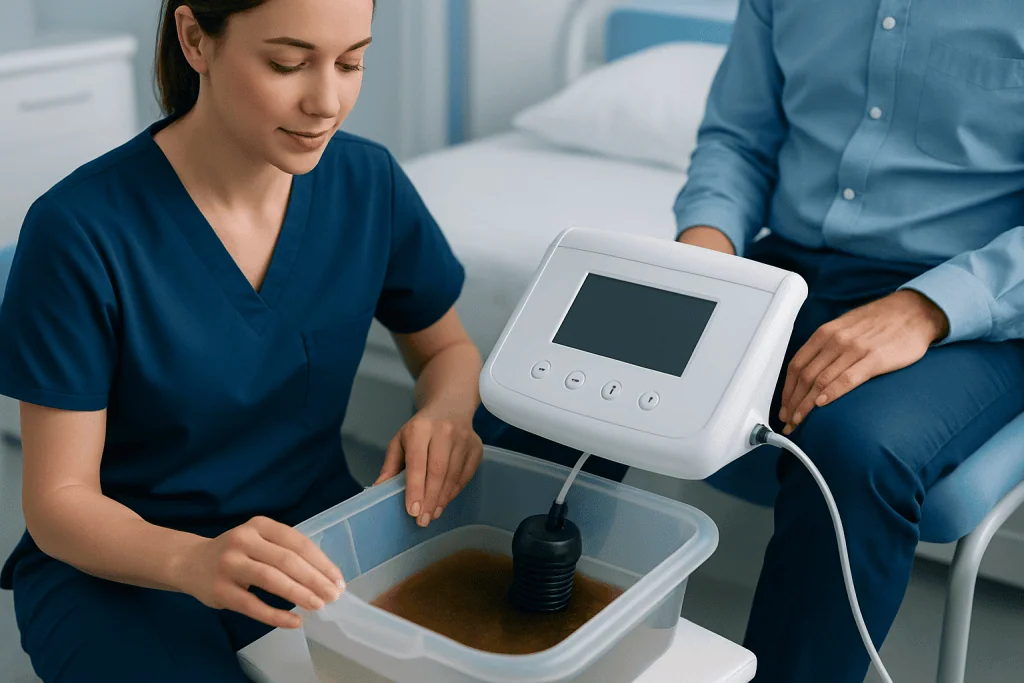
One of the main reasons people believe ionic foot detox is working is the dramatic change in water color during the session. The water may turn brown, orange, yellow, green, or black. This visual effect can be convincing, but it does not show that toxins have left the body.
The more likely explanation is electrolysis. When an electric current passes through salt water, it can split molecules and trigger reactions that release gases, alter dissolved minerals, and corrode metal parts in the device. If the foot bath uses metal electrodes or an array, rust-like particles and other byproducts can discolor the water even when no feet are in the bath.
Demonstrations have shown that similar color changes can occur with the machine running in plain water or salt water alone. In other words, the color of the bath is not a reliable measure of a person’s health status, toxin load, or treatment response. It is better understood as a result of chemistry than detoxification.
- Salt in the water improves electrical conductivity.
- Metal components may corrode and release particles.
- Minerals, skin oils, and debris can also affect the appearance of the water.
- Color changes do not identify specific toxins or diseases.
What the medical evidence says

Current medical evidence does not show that ionic foot detox removes meaningful amounts of toxins from the body. Claims about heavy metal removal, improved organ function, or measurable cleansing have not been supported by high-quality clinical trials. When products or wellness services make broad detox claims, it is reasonable to ask whether the results have been tested in controlled studies and confirmed by independent laboratories.
Some people report feeling relaxed or refreshed after a session. That experience may be real, but it does not prove detoxification. Warm water can be soothing, rest can reduce stress, and expectation can influence how a person feels. These effects are common with many wellness practices and are not the same as evidence that the body has eliminated toxins through the feet.
If symptoms such as fatigue, bloating, pain, headaches, or poor sleep are ongoing, they should not automatically be blamed on “toxins.” These concerns can have many causes, including thyroid disease, anemia, poor sleep quality, dehydration, infection, medication effects, anxiety, or chronic conditions. A proper medical assessment is more helpful than relying on an unproven detox method.
How the body actually removes waste and toxins
The body already has highly effective systems for processing and eliminating waste. The liver changes many substances into forms that can be excreted. The kidneys filter the blood and help remove waste in urine. The intestines move waste out through stool, while the lungs remove carbon dioxide. The skin also plays a role in temperature regulation and minor excretion through sweat, but it is not the main detox organ.
Because these systems work continuously, most healthy people do not need a special detox treatment. Good hydration, balanced nutrition, adequate sleep, regular physical activity, and avoiding excess alcohol or tobacco support normal body function much more reliably than a detox foot bath. If there is concern about true toxin exposure, such as heavy metals, chemicals, or medication overdose, the correct approach is urgent medical evaluation and laboratory testing.
In some cases, people seek foot detox because they are worried about liver or kidney health. Those organs deserve careful medical evaluation if symptoms are present. Depending on the person’s needs, doctors may recommend blood tests, urine tests, ultrasound, or specialist care, and in selected situations check-up and screening can help assess general health and risk factors.
Possible risks and who should avoid it
Ionic foot detox is often presented as harmless, but it is not suitable for everyone. Warm water exposure, electrical devices, shared equipment, and delayed diagnosis are practical concerns. The greatest risk may not be the foot bath itself, but the possibility that a person relies on it while a real medical problem goes untreated.
Skin irritation can occur, especially in people with eczema, dermatitis, cuts, blisters, fungal infections, or very sensitive skin. If the equipment is not cleaned properly, there may also be hygiene concerns. People with nerve damage in the feet may not notice excessive heat or irritation. This is especially relevant in conditions such as diabetes, where foot care and infection prevention are important.
Caution is also reasonable for people with pacemakers or other implanted electrical devices, pregnancy, severe circulatory problems, active foot ulcers, or serious kidney or heart disease. Those with leg swelling, burning pain, numbness, or color changes in the feet should seek medical advice rather than assume a detox bath is appropriate. For people who want support with healthy lifestyle habits, an evidence-based plan through medical check-up or physician-guided care is more reliable.
Evidence-based alternatives for feeling better
People are often drawn to ionic foot detox because they want more energy, better digestion, less swelling, improved sleep, or a general sense of wellness. Those goals are valid. The most dependable way to reach them is to identify the cause of symptoms and use treatments that have been properly studied.
For general wellness, the basics remain powerful: regular sleep, a diet rich in vegetables, fruits, fiber, and protein, enough fluids, stress management, and routine physical activity. If symptoms are persistent, doctors may look for issues such as anemia, thyroid disease, vitamin deficiencies, poor blood sugar control, sleep apnea, depression, or circulation problems. In some patients with concerns about leg discomfort or blood flow, assessment for varicose veins or other vascular conditions may be appropriate.
Simple foot care can also help people feel more comfortable without making unsupported detox claims. Warm water soaking without electrical devices, moisturizing dry skin, proper footwear, and treatment of fungal or skin conditions may improve day-to-day foot health. If there are signs of poor circulation, numbness, recurrent swelling, or nonhealing wounds, professional evaluation is the safer option.
When to seek medical care
A doctor should evaluate symptoms that are new, persistent, or worsening rather than attributing them to a buildup of toxins. This includes ongoing fatigue, unexplained weight change, swelling, shortness of breath, chest discomfort, severe headaches, dizziness, fever, abdominal pain, numbness, or skin changes. Foot-specific symptoms such as ulcers, redness, warmth, discharge, significant pain, or color change also need medical attention.
Medical care is especially important if a person has a chronic condition such as diabetes, kidney disease, liver disease, peripheral vascular disease, or neuropathy. In these situations, self-directed detox methods may delay diagnosis and increase the risk of complications. If there is concern about possible poisoning, heavy metal exposure, or medication overdose, urgent assessment is needed rather than a wellness treatment.
For international patients who want a careful assessment, Acibadem International’s multidisciplinary specialists and JCI-accredited hospitals diagnose and treat a wide range of symptoms and underlying conditions. The goal should be to understand the real cause of symptoms and choose evidence-based care, not to rely on unproven detox claims.
Frequently asked questions
Does ionic foot detox remove toxins from the body?
Current medical evidence does not show that ionic foot detox removes toxins in a meaningful or measurable way. The body’s main detox systems are the liver, kidneys, digestive tract, and lungs, not the feet.
Why does the water turn brown or change color during an ionic foot detox?
The color change is usually explained by electrolysis, dissolved salts, minerals in the water, and corrosion of metal parts in the device. It is not considered proof that toxins are leaving the body.
Can ionic foot detox help with fatigue, pain, or swelling?
Some people feel relaxed after a session, but that does not prove the treatment addresses the cause of symptoms. Fatigue, pain, and swelling can have many medical explanations, so persistent symptoms should be assessed by a doctor.
Is ionic foot detox safe for everyone?
No. People with open wounds, skin infections, diabetes-related foot problems, severe circulatory disease, implanted electrical devices, or pregnancy concerns should be cautious and seek medical advice first. Hygiene and skin irritation are also practical concerns.
What is a safer, evidence-based alternative to a detox foot bath?
A medical evaluation is the best starting point if someone has ongoing symptoms or wants to improve overall health. Healthy sleep, good hydration, balanced nutrition, exercise, and treatment of any underlying condition are more evidence-based approaches.
How can a person know if they have a real toxin exposure?
True toxin exposure is diagnosed through a history of contact, symptoms, physical examination, and sometimes blood or urine tests. If there is concern about heavy metals, chemicals, or overdose, prompt medical care is important.
This article is for general information only and is not a substitute for professional medical advice. Please consult a qualified doctor about your individual situation.
Explore treatments in Turkey — costs, top hospitals & a free quote
JCI-accredited · board-certified surgeons · reply within 24h
Add us as a Preferred Source to see more of our trusted health content across Google Search, AI Overviews and Discover.

More from the Health Library

Ep: An Evidence-Based Guide for Patients

Edamame: An Evidence-Based Guide for Patients

Chem 7: A Complete Medical Overview

Horseshoe Kidney: A Complete Medical Overview

Imiquimod: An Evidence-Based Guide for Patients