Iron Blood Test: What Low and High Levels Mean — and What to Do Next

A serum iron test measures the amount of iron circulating in the blood at the time of the test. Low iron levels may be linked to iron deficiency, blood loss, poor absorption, pregnancy, or long-term illness.
Key Takeaways
- A serum iron test measures the amount of iron circulating in the blood at the time of the test.
- Low iron levels may be linked to iron deficiency, blood loss, poor absorption, pregnancy, or long-term illness.
- High iron levels may occur with iron overload, liver disease, transfusions, supplements, or some forms of anemia.
- Iron results can vary by time of day, recent meals, supplements, and inflammation, so one result needs context.
- Doctors often order iron studies together, including ferritin, transferrin saturation, and TIBC, to clarify the cause.
Iron low high levels on a blood test do not diagnose a condition by themselves, but they can help show whether the body may be short of iron, handling iron abnormally, or affected by inflammation or liver disease. The next step is usually to interpret the result alongside ferritin, transferrin saturation, total iron-binding capacity, symptoms, and medical history.
Overview: What iron low high levels usually mean
Iron low high levels on a blood test usually mean the amount of iron circulating in the bloodstream is either below or above the laboratory’s expected range. Low levels can suggest iron deficiency, blood loss, reduced absorption, or chronic illness. High levels can suggest iron overload, recent iron intake, liver problems, or certain blood disorders.
Because serum iron changes throughout the day and can be affected by meals, supplements, and illness, it is not interpreted alone. Doctors usually review it together with ferritin, transferrin saturation, and total iron-binding capacity to understand whether the body’s iron stores are low, normal, or excessive.
This article explains what the test measures, what low and high results may mean, which factors can skew the result, and what usually happens next. It is designed to help patients understand the report, not to replace medical advice from a qualified clinician.
What the iron blood test measures
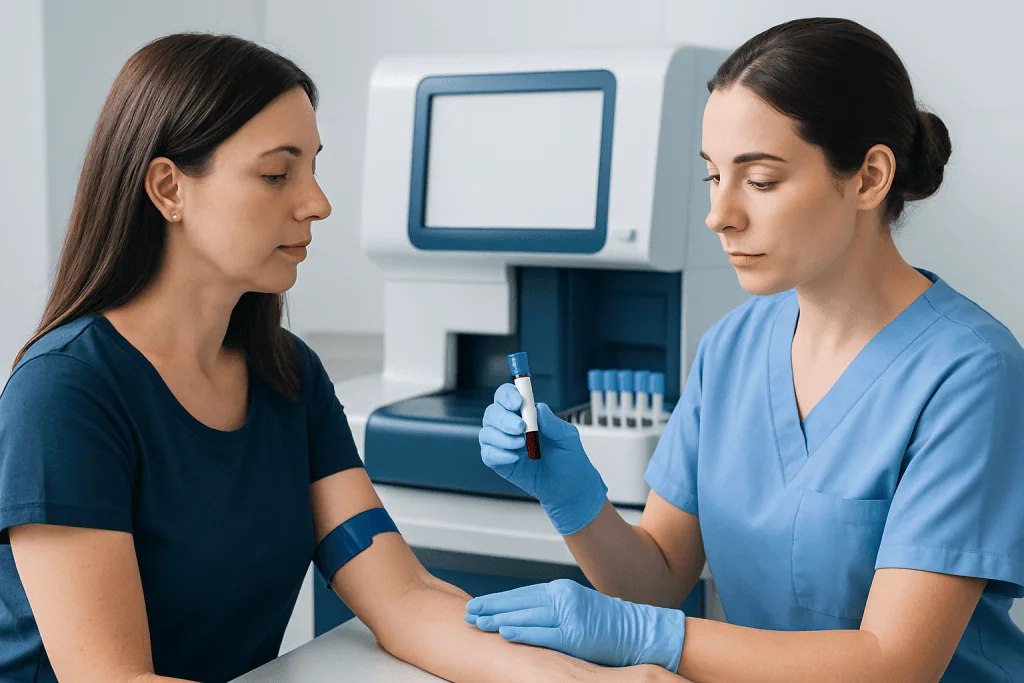
A serum iron test measures the amount of iron circulating in the liquid part of the blood. Most of this iron is attached to a protein called transferrin, which carries iron to tissues that need it, especially the bone marrow for red blood cell production.
Iron is essential for making hemoglobin, the protein in red blood cells that carries oxygen. It also supports muscle function, energy production, immune health, and brain function. If there is too little available iron, the body may struggle to make enough healthy red blood cells. If there is too much, iron can accumulate in tissues and may cause harm over time.
Serum iron is only one part of the picture. A doctor may pair it with ferritin, which reflects stored iron, and with tests that show how much transferrin is available or already carrying iron. If anemia is suspected, a complete blood count is often ordered as well, sometimes to evaluate possible anemia.
Reference range table: what is considered low, normal, or high

Reference ranges for serum iron vary by laboratory, age, sex, testing method, and whether the sample was taken fasting. For that reason, the most important range is the one printed on the individual laboratory report. A result just outside the range does not always mean disease, and a result inside the range does not always rule it out.
The table below shows a typical adult approach used by many laboratories. These values are examples only and should not replace the reporting range from the testing laboratory.
- Low: below the laboratory reference range
- Typical adult reference range: approximately 60 to 170 micrograms per deciliter (mcg/dL), though ranges vary
- High: above the laboratory reference range
Doctors rarely interpret serum iron by itself. If the result is low or high, the next step may include ferritin, transferrin saturation, total iron-binding capacity, a complete blood count, and sometimes liver tests. Where available, age-related guidance may also be helpful through a normal lab values by age hub, because normal expectations can differ in children, adults, and older adults.
Low iron levels: causes, symptoms, and next steps
Low serum iron can happen when the body does not have enough available iron or cannot use it normally. Common causes include iron deficiency from poor intake, heavy menstrual bleeding, blood loss from the stomach or intestines, pregnancy, or reduced absorption after gastrointestinal disease or surgery. Low levels may also occur during inflammation or chronic illness, even when total body iron is not truly depleted.
Possible symptoms depend on the severity and how long the problem has been present. Some people feel tired, weak, short of breath with activity, dizzy, pale, or notice headaches, brittle nails, or hair shedding. Others have no clear symptoms and learn about the issue only after routine blood work.
If the result is low, the next step is usually to confirm whether there is true iron deficiency. Doctors may order ferritin, transferrin saturation, TIBC, and a complete blood count. If blood loss is suspected, the evaluation may focus on menstrual bleeding, stomach irritation, ulcers, polyps, or bowel disease. Depending on the cause, treatment may include diet changes, oral iron, treatment of bleeding, or management of an underlying condition such as anemia. In some cases, specialists may recommend iron infusion treatment when oral iron is not tolerated or is unlikely to work well.
High iron levels: causes, symptoms, and next steps
High serum iron can occur for several reasons and does not automatically mean iron overload. A recent iron tablet, vitamin containing iron, or a non-fasting sample can raise the value. High levels may also be seen with liver disease, repeated blood transfusions, some hemolytic or sideroblastic anemias, and hereditary hemochromatosis, a condition in which the body absorbs too much iron over time.
Many people with mildly high iron have no symptoms. When symptoms do occur, they may be vague, such as fatigue, joint discomfort, abdominal discomfort, or skin darkening over time. If excess iron builds up in organs for years, it can affect the liver, heart, pancreas, and joints, which is why persistent high results deserve proper follow-up.
The next step after a high result is usually repeat testing, often in the morning and sometimes fasting, along with ferritin and transferrin saturation. If iron overload is suspected, the doctor may look for liver abnormalities, review supplements and transfusion history, and consider genetic testing in selected patients. Management depends on the cause and may involve stopping unnecessary supplements, monitoring, treating liver disease, or referral for specialist care such as hematology evaluation or gastroenterology assessment when liver involvement is a concern.
How the test is done and what results are used with it
The iron blood test is a standard blood draw, usually taken from a vein in the arm. Some clinicians prefer the sample to be collected in the morning because serum iron can change during the day. In certain situations, the patient may be asked to fast or to avoid iron supplements for a period before the test, but instructions differ, so the ordering clinician or laboratory guidance should be followed.
The blood sample is sent to a laboratory for analysis. Results are usually reported together with the laboratory’s reference range. If the value is abnormal, it is commonly interpreted with a complete blood count and with additional iron studies such as ferritin, transferrin saturation, and TIBC or UIBC.
These companion tests help answer different questions. Ferritin reflects stored iron, transferrin saturation estimates how much iron is bound to the transport protein, and TIBC shows how much iron-binding capacity is available. Looking at the pattern of these tests together often gives a clearer explanation than serum iron alone.
Factors that can skew iron test results
Serum iron is one of the more variable blood tests, so results can be influenced by timing and recent behavior. Levels often fluctuate across the day and may be higher or lower depending on when the sample was taken. A recent meal, iron supplement, multivitamin, or some medicines can also affect the result.
Inflammation, infection, recent surgery, liver disease, and pregnancy can change iron markers and make interpretation less straightforward. Blood transfusions can temporarily raise serum iron. In addition, results may differ slightly between laboratories because of different testing methods and reference ranges.
For these reasons, a doctor may repeat the test if the result does not fit the clinical picture. It is helpful for patients to mention supplements, recent illness, pregnancy, and any history of bleeding, transfusion, or digestive symptoms. A repeated test under standard conditions can make the result much more meaningful.
When to seek medical care
A routine low or high iron result is usually not an emergency, but it should be discussed with a doctor, especially if symptoms are present or the abnormality persists on repeat testing. Medical review is important if there is marked fatigue, shortness of breath, fainting, chest discomfort, unexplained weight loss, black or bloody stools, vomiting blood, jaundice, or severe abdominal pain.
Prompt care is also advisable for children, pregnant people, older adults, and anyone with known kidney disease, liver disease, cancer, inflammatory bowel disease, or a history of transfusions. These situations can make iron abnormalities more clinically important and may change the testing approach.
Near the end of the evaluation, some patients may benefit from multidisciplinary input. Acibadem International’s specialists in internal medicine, hematology, gastroenterology, and laboratory medicine at JCI-accredited hospitals diagnose and treat iron-related conditions for international patients when more detailed assessment is needed.
Frequently asked questions
Can a low iron blood test mean iron deficiency right away?
Not always. A low serum iron result can suggest iron deficiency, but it can also happen with inflammation, infection, or chronic disease. Doctors usually confirm the cause by checking ferritin, transferrin saturation, TIBC, and often a complete blood count.
Does a high iron result always mean hemochromatosis?
No. High serum iron can be caused by recent iron supplements, liver disease, transfusions, or some blood disorders as well as hereditary hemochromatosis. Persistent or clearly elevated results usually need repeat testing and a fuller iron panel before conclusions are made.
Should the iron blood test be done fasting?
Some clinicians prefer a fasting morning sample because serum iron can vary during the day and after meals. However, laboratory instructions differ, so it is best to follow the guidance given for that specific test. Patients should also ask whether to pause iron supplements before the blood draw.
What symptoms can happen with low iron levels?
Symptoms may include tiredness, weakness, shortness of breath on exertion, dizziness, headaches, pale skin, and reduced exercise tolerance. Some people notice no symptoms at all, especially if the change is mild. The severity often depends on whether anemia is also present.
What happens after an abnormal iron test result?
The next step is usually to review symptoms, supplements, bleeding history, diet, and medical conditions. A doctor may repeat the test and order ferritin, transferrin saturation, TIBC, a complete blood count, or liver tests. Treatment depends on the cause rather than the iron number alone.
Can iron levels change from day to day?
Yes. Serum iron can change with the time of day, recent food intake, supplements, inflammation, and other health factors. That is why one isolated result may not fully reflect a person’s iron status.
References
- World Health Organization
- National Heart, Lung, and Blood Institute
- MedlinePlus
- Merck Manual Professional Edition
- American Society of Hematology
This article is for general information only and is not a substitute for professional medical advice. Please consult a qualified doctor about your individual situation.
Explore treatments in Turkey — costs, top hospitals & a free quote
JCI-accredited · board-certified surgeons · reply within 24h
Add us as a Preferred Source to see more of our trusted health content across Google Search, AI Overviews and Discover.