Is It Safe to Be Around Someone after Radiation Therapy: How It Works, Results and What to Expect
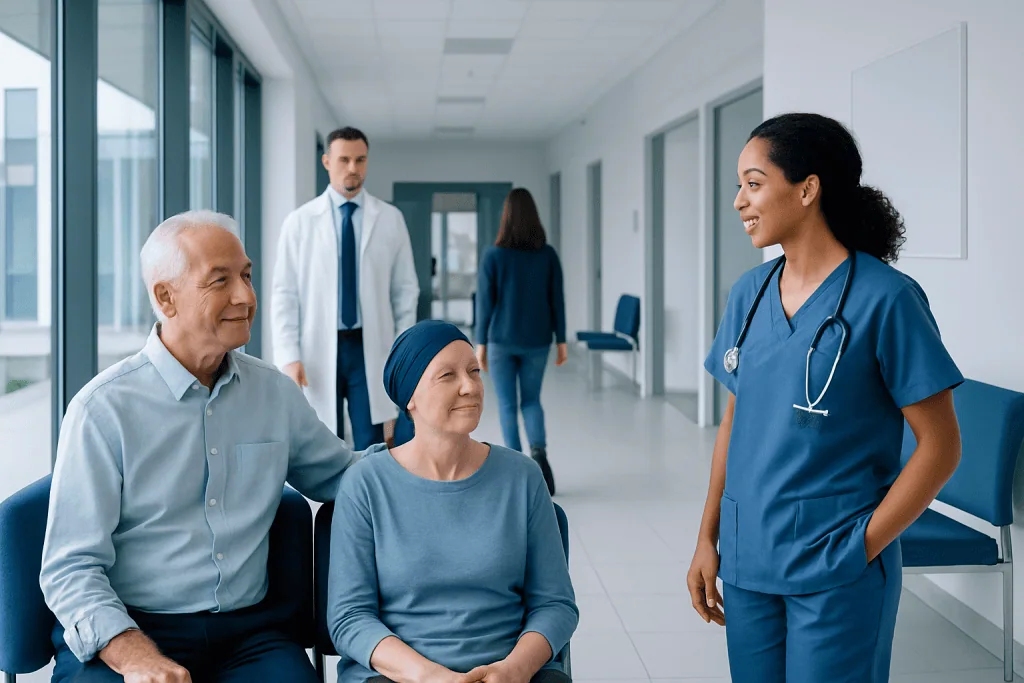
External-beam radiation therapy does not make a person radioactive. Most people can hug, share a home and spend time normally with someone receiving external radiation.
Key Takeaways
- External-beam radiation therapy does not make a person radioactive.
- Most people can hug, share a home and spend time normally with someone receiving external radiation.
- Internal radiation treatments, including some radioactive medicines, can require short-term precautions around others.
- The required precautions depend on the type of radioactive source, dose and whether it remains in the body.
- Radiation therapy side effects affect the patient but are not contagious to family members or caregivers.
- Questions about contact with children, pregnant people or caregivers should be discussed with the radiation oncology team.
Is it safe to be around someone after radiation therapy? In most cases, yes: people receiving external-beam radiation do not become radioactive and can safely be around family, friends, children and pets. Temporary distance precautions may be needed after certain internal radiation treatments, so the treating radiation oncology team should provide individual guidance.
Overview: Is It Safe to Be Around Someone After Radiation Therapy?
Is it safe to be around someone after radiation therapy? Usually, yes. A person treated with external-beam radiation therapy does not give off radiation after each appointment, so they can safely be around others, including partners, children, older adults and pets.
The main exception is some forms of internal radiation therapy. When radioactive material is placed inside the body or taken as a radioactive medicine, a person may temporarily emit small amounts of radiation. Their care team will explain whether precautions are needed, who should avoid close contact, and for how long.
Radiation therapy is a common cancer treatment that uses carefully planned energy to damage cancer cells and reduce their ability to grow. It may be used alone or alongside surgery, systemic treatments or other cancer care. Radiation therapy is planned individually by a radiation oncologist and a wider cancer care team.
How Radiation Therapy Works and Why Safety Advice Differs
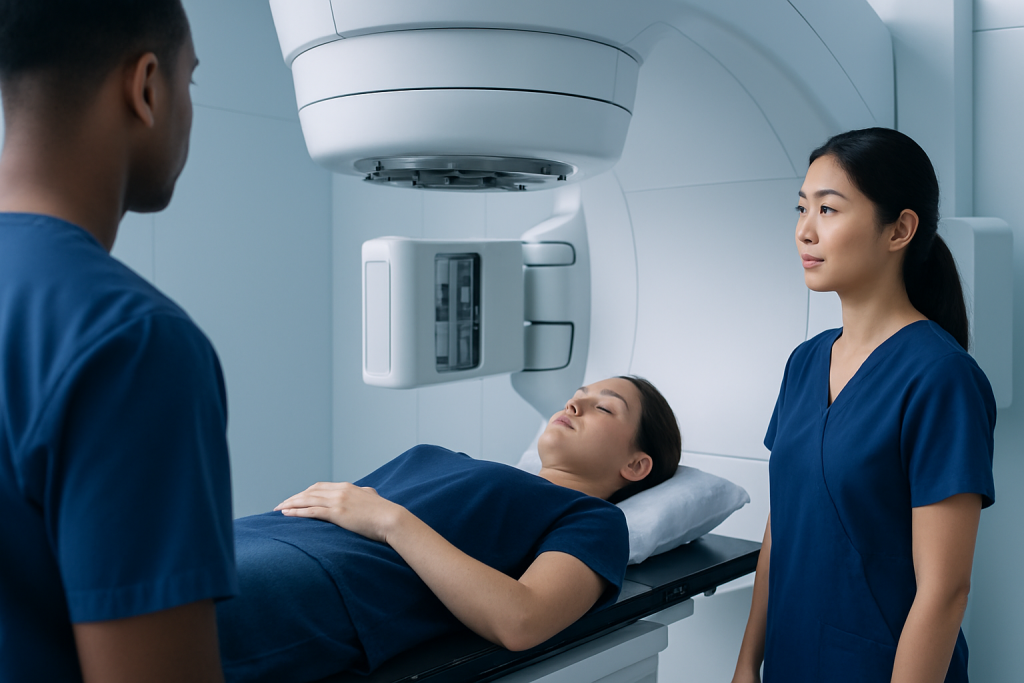
Radiation works by damaging the genetic material inside cells. Cancer cells are often less able than healthy cells to repair this damage, so repeated treatment sessions can shrink a tumor, control its growth or lower the risk of cancer returning after surgery. Healthy tissues near the treatment area may also be affected, which is why treatment planning aims to target the cancer while limiting exposure to surrounding organs.
External-beam radiation is delivered by a machine that directs radiation toward a defined area of the body. The radiation is present only while the machine is on; it does not stay in the patient afterward. This is why a person can travel home, sit with family and continue ordinary social contact after an external treatment session.
Internal radiation is different. It may involve a sealed radioactive source placed close to or inside a tumor, often called brachytherapy, or an unsealed radioactive substance that is swallowed or injected. Depending on the treatment, the radiation source may remain in place briefly, permanently at a low level, or leave the body gradually through natural processes. Safety instructions are therefore tailored to the specific treatment.
Candidacy and What Happens During Treatment
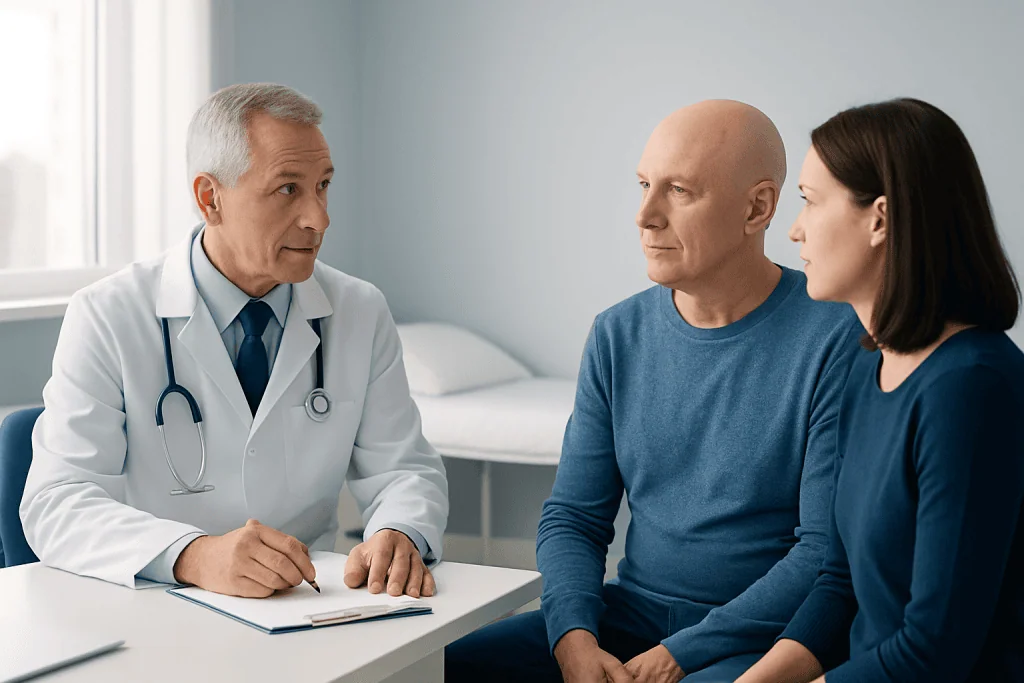
Radiation therapy may be recommended for many cancer types, either to cure cancer, reduce the chance of recurrence, relieve symptoms or support another treatment plan. Whether it is suitable depends on the cancer type, location, stage, previous treatments, general health and the person’s own goals and preferences.
Before treatment, the radiation oncology team performs planning. This commonly includes imaging, positioning measurements and sometimes small skin marks or a personalized support device to help the patient remain in the same position. The team calculates how to deliver the planned dose as accurately as possible while protecting nearby healthy tissue.
For external-beam treatment, the patient usually attends scheduled sessions over days or weeks. They lie still on a treatment table while the machine moves around them; the process is painless, and staff monitor from a nearby room. Internal procedures vary more widely and may involve a short outpatient visit, anesthesia, a hospital stay or special discharge instructions. Cancer care is typically coordinated among radiation oncologists, medical oncologists, surgeons, nurses and supportive-care professionals.
How Long Should You Stay Away From People After Radiation?
After external-beam radiation, there is generally no need to stay away from people. The patient is not radioactive once the session ends, and normal household contact is safe. They may need rest or support because fatigue, skin changes or other treatment effects can occur, but these effects cannot be passed to another person.
After internal radiation, the answer depends on the treatment. For temporary implanted sources, the patient may stay in a protected hospital room while the source is in place. Visitors may have limits on time and distance, especially if they are pregnant or are young children. Once the source is removed, the patient usually does not remain radioactive.
For certain radioactive medicines, precautions may continue at home for a limited period. Instructions can include sleeping separately, avoiding prolonged close contact, using good hand hygiene, flushing the toilet as directed and not sharing items that may be contaminated with saliva or other body fluids. The treating team will give a clear timeline based on the individual treatment and local safety standards.
Can You Get Sick From Being Around Someone on Radiation?
No, radiation therapy itself is not contagious. Being around someone receiving external-beam radiation will not expose another person to radiation and will not make them ill. Cancer is also not contagious through ordinary contact, including sharing a room, eating together or providing everyday care.
A patient may develop side effects such as tiredness, nausea, bowel changes, mouth soreness or skin irritation, depending on the area being treated. These are treatment effects in the patient, not an infection that others can catch. Emotional changes, changes in appetite and practical stress can also affect the household, so support from relatives and friends can be valuable.
Some people receiving cancer treatment may have a weakened immune system because of chemotherapy, the cancer itself or other medicines. In that situation, visitors should avoid close contact if they have fever, vomiting, diarrhea, a new rash or symptoms of a contagious infection. This precaution protects the patient from infection rather than protecting others from radiation.
Is It Safe to Hug Someone After Radiation Treatment?
It is safe to hug someone after external-beam radiation treatment. Physical affection, sitting close together and normal caregiving do not expose loved ones to radiation. For many people, maintaining connection and support during treatment is an important part of coping.
Hugging may need to be limited briefly after some internal radiation treatments. This is most relevant when a radioactive medicine is still leaving the body or when an implanted radiation source remains in place. The patient may be advised to keep a specified distance from others, particularly pregnant people and children, until the recommended period has passed.
Even when radiation safety does not restrict contact, the patient may prefer gentler hugs if the treated skin is tender or if surgery, fatigue or pain makes pressure uncomfortable. Asking what feels comfortable and following the clinical team’s instructions can help families provide safe, respectful support.
What Happens If You Are Exposed to a Radiation Person?
For someone who has had external-beam radiation, there is no meaningful radiation exposure to family members, friends or coworkers because the person does not retain radiation after treatment. Nothing special needs to be done after spending time with them, hugging them or sharing a home.
If a person is receiving internal radiation and has been given precautions, exposure risk is managed by following the recommended time, distance and hygiene guidance. Brief accidental contact is rarely a reason for panic, but the patient or family member should contact the radiation oncology department for specific advice if a restriction was not followed or if there is uncertainty about the treatment type.
Radioactive medicines can leave the body through urine, saliva, sweat, stool or vomit for a period of time. The care team’s instructions are designed to reduce unnecessary exposure from body fluids. They may also advise patients about travel, work, childcare and sleeping arrangements during the precaution period.
Recovery, Benefits, Risks and When to Seek Medical Care
Recovery after radiation varies with the treatment area, technique and whether other cancer treatments are being used. External-beam side effects often develop gradually during treatment and may continue for a short time afterward before improving. Fatigue is common, and skin in the treated area may become dry, sensitive or red. Internal radiation can have procedure-specific effects that the team will explain in advance.
The potential benefit of radiation therapy is targeted cancer control, either with curative intent or to relieve symptoms such as pain or pressure. Possible risks include irritation of nearby healthy tissue and longer-term effects that depend on the body area treated. The oncology team monitors response and side effects throughout follow-up, adjusting supportive care when needed.
Medical care should be sought promptly for a fever, severe or worsening pain, heavy bleeding, new shortness of breath, chest pain, inability to keep fluids down, confusion, severe diarrhea, or symptoms that feel urgent. Patients should also contact their treatment team for rapidly worsening skin reactions, signs of infection, unexpected swelling or any concern about instructions after internal radiation.
Acibadem International’s multidisciplinary specialists and JCI-accredited hospitals support international patients undergoing cancer diagnosis and radiation treatment, with care plans tailored to the cancer type and the person’s needs.
Frequently asked questions
Do you emit radiation after radiation therapy?
After external-beam radiation therapy, a person does not emit radiation after the treatment session. Some internal radiation treatments can temporarily result in radiation leaving the body, which is why specific precautions may be provided.
Can family members be in the same room after radiation therapy?
Yes, family members can be in the same room after external-beam radiation therapy without radiation safety concerns. If the patient has internal radiation, the clinical team will explain whether room-sharing, visitor time or distance should be limited temporarily.
Can children and pregnant people be around someone receiving radiation?
They can safely be around a person receiving external-beam radiation. Children and pregnant people may need additional distance or time precautions after certain internal radiation treatments, so individualized instructions should always be followed.
Do you need to wash clothes separately after radiation treatment?
Separate laundry is not needed after external-beam radiation therapy. After radioactive medicines or some internal treatments, the care team may recommend temporary hygiene measures for items that could be exposed to body fluids.
How long do internal radiation precautions last?
The duration varies by the radioactive material, dose and treatment method. Some precautions end when a temporary implant is removed, while others may continue for days after a radioactive medicine; the radiation oncology team provides the exact timeframe.
Should someone avoid a patient because they are tired or have skin changes from radiation?
No. Fatigue and skin changes caused by radiation are not contagious, and supportive contact is usually safe after external treatment. It may help to ask the patient what type of support and physical contact feels comfortable.
References
- American Cancer Society
- National Cancer Institute
- International Atomic Energy Agency
- Radiological Society of North America
- World Health Organization
This article is for general information only and is not a substitute for professional medical advice. Please consult a qualified doctor about your individual situation.
Radiation Therapy in Turkey — costs, top hospitals & a free quote
JCI-accredited · board-certified surgeons · reply within 24h
Add us as a Preferred Source to see more of our trusted health content across Google Search, AI Overviews and Discover.

Radiation Oncology
Precision radiotherapy and radiosurgery using advanced linear accelerators and image-guided techniques.
26 specialists in this unitMore from the Health Library


Related Specialists

Assoc. Prof. Dr. Levent Aydemir
Otorhinolaryngology
Dr. Esra Boyar
Gynecology & Obstetrics
Prof. Dr. Pınar Yalınay Dikmen
Neurology
Assoc. Prof. Dr. Özge Begüm Comba
Ophthalmology