Is Salmonella Contagious? Here Is What the Evidence Says

Salmonella can spread through contaminated food, water, surfaces, and contact with infected stool. Direct person-to-person spread is possible, especially when hand hygiene is poor after using the toilet or changing diapers.
Key Takeaways
- Salmonella can spread through contaminated food, water, surfaces, and contact with infected stool.
- Direct person-to-person spread is possible, especially when hand hygiene is poor after using the toilet or changing diapers.
- Most cases cause diarrhea, stomach cramps, and fever and get better within a few days.
- Young children, older adults, pregnant people, and those with weakened immune systems have a higher risk of complications.
- Medical care is important for severe dehydration, bloody diarrhea, persistent high fever, or symptoms that do not improve.
Yes, salmonella can be contagious, although many people catch it from contaminated food rather than direct person-to-person contact. Most infections improve with fluids and rest, but some people need medical assessment, especially if dehydration, high fever, or persistent symptoms develop.
Overview: Is Salmonella Contagious?
Yes, salmonella is contagious. In practical terms, this means the bacteria can pass from one person or source to another, usually through the fecal-oral route. However, many infections begin not from close contact with a sick person, but from eating contaminated food, drinking contaminated water, or touching contaminated surfaces and then touching the mouth.
The reassuring part is that most salmonella infections are limited to the intestines and improve without lasting problems. Typical illness causes diarrhea, stomach cramps, and fever for a few days. With rest and careful fluid replacement, many otherwise healthy people recover fully at home.
Still, contagion matters because salmonella can spread within households, childcare settings, care homes, and anywhere food is prepared. People may continue shedding the bacteria in their stool even after symptoms begin to improve, which is why handwashing and food safety are central to preventing further spread.
Doctors use the term salmonella infection to describe illness caused by Salmonella bacteria. While the overall outlook is often good, some people can become significantly dehydrated or develop infection outside the gut, so it helps to know when simple home care is enough and when medical review is wise.
How Salmonella Spreads
Salmonella spreads when bacteria from infected stool reach the mouth, usually indirectly. The most common route is contaminated food. Raw or undercooked eggs, poultry, meat, unpasteurized dairy products, and foods handled by someone who did not wash their hands properly can all carry the bacteria. Fresh produce can also become contaminated during growing, processing, or preparation.
Person-to-person spread is possible, although it is less common than foodborne spread. It can happen after using the toilet, changing a diaper, helping someone with toileting, or cleaning up after an ill person. If hands are not washed thoroughly, the bacteria can transfer to doorknobs, taps, toys, phones, kitchen surfaces, and food.
Animals can also be a source. Reptiles, chicks, ducklings, and some farm animals may carry salmonella even when they appear healthy. Touching these animals or their habitats and then touching the face or preparing food without washing hands can lead to infection.
- Common sources include undercooked poultry, eggs, and contaminated produce.
- Spread can occur through poor hand hygiene after toilet use or diaper changes.
- Shared bathrooms, kitchens, and high-touch surfaces can contribute to household transmission.
- Some pets and farm animals can carry salmonella without showing signs of illness.
Symptoms and What Most People Experience
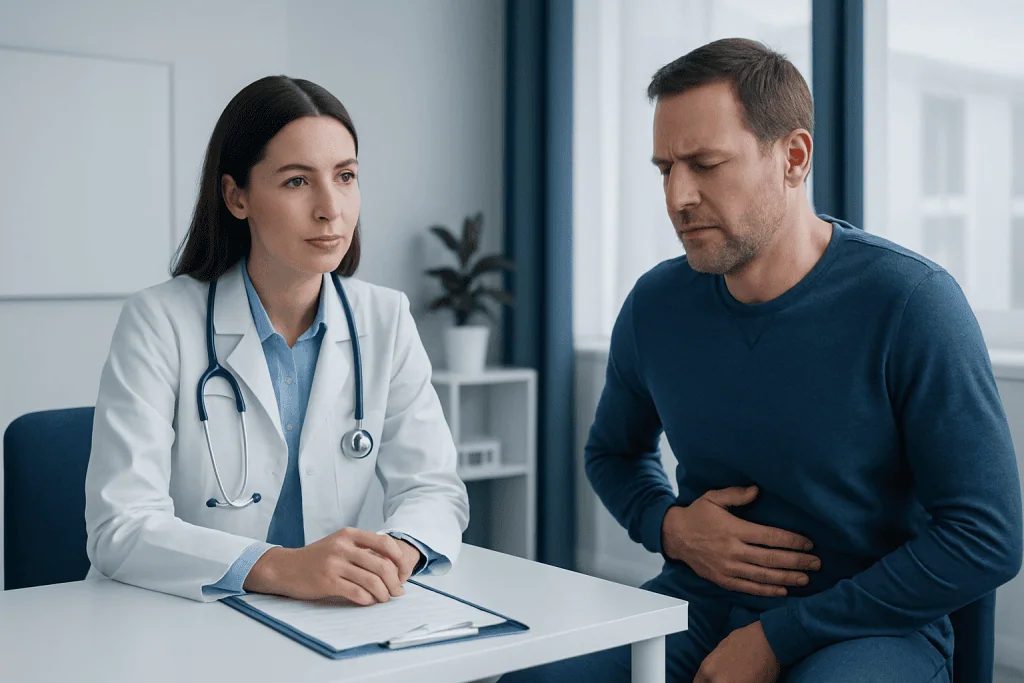
Symptoms usually begin within hours to a few days after exposure. Many people develop diarrhea, abdominal cramps, fever, nausea, and sometimes vomiting. Stools may be loose and frequent, and the stomach pain can range from mild discomfort to stronger cramping. Headache and tiredness are also common.
For many otherwise healthy adults, the illness is unpleasant but self-limited. Symptoms often improve within four to seven days, although bowel habits and energy levels may take a little longer to fully return to normal. Some people continue to shed the bacteria in stool for days or weeks after they feel better.
Children, older adults, pregnant people, and anyone with a weakened immune system may have a harder course. Dehydration can develop more quickly in these groups, and they are more likely to need professional advice. Severe or invasive infection is uncommon, but it can occur, especially when the bacteria move beyond the intestines into the bloodstream or other parts of the body.
Because symptoms overlap with other causes of gastroenteritis, including viral illness and other bacterial infections, a doctor may consider related conditions such as food poisoning when assessing the cause of diarrhea and fever.
Causes, Risk Factors, and Who Is More Vulnerable
The immediate cause of salmonella illness is infection with Salmonella bacteria. Exposure can happen in many everyday settings, but risk rises when food is not cooked thoroughly, kitchen tools are shared between raw and ready-to-eat foods, or hand hygiene is poor. Outbreaks are sometimes linked to restaurants, catered meals, travel, or contaminated packaged foods.
Certain factors increase the chance of becoming ill or developing complications. Reduced stomach acidity, some chronic illnesses, and medicines that affect immune function can make infection easier to acquire or harder to clear. Infants and very young children are more vulnerable because they dehydrate faster and may put contaminated hands or objects into their mouths.
People at higher risk of more serious disease include older adults, pregnant people, those receiving chemotherapy, transplant recipients, and people with immune system disorders. In these groups, what starts as diarrhea may need closer monitoring. A doctor may also think more broadly about gastroenteritis and other infections that can mimic salmonella symptoms.
Travel, contact with reptiles or farm animals, and eating high-risk foods all add to exposure risk. Good hygiene and safe food handling are especially important when caring for someone who is unwell or preparing meals for young children or medically vulnerable people.
When to Seek Medical Care
Most people do not need emergency treatment, but certain warning signs should prompt medical advice. A doctor should be contacted if diarrhea is severe, lasts more than a few days, or is accompanied by a high or persistent fever. Blood in the stool, severe abdominal pain, repeated vomiting, or signs of dehydration also need prompt attention.
Signs of dehydration include very little urine, marked thirst, dizziness, dry mouth, weakness, sunken eyes, or unusual sleepiness. In infants and young children, fewer wet diapers, no tears when crying, and listlessness can be important clues. These symptoms matter because dehydration, rather than the infection itself, is often the main reason people need medical support.
Medical review is also advisable sooner for infants, older adults, pregnant people, and anyone with a weakened immune system or significant chronic disease. If there is confusion, fainting, chest pain, difficulty breathing, or severe weakness, urgent assessment is appropriate.
The aim of seeking care is not to assume the worst, but to make sure treatable complications are recognized early. Most serious problems can be managed more safely when dehydration and infection severity are assessed before they progress.
How Doctors Diagnose Salmonella
Diagnosis begins with a clear history. A doctor will ask about the timing of symptoms, recent meals, travel, sick contacts, animal exposure, and whether there has been vomiting, blood in the stool, or reduced urine output. A physical examination often focuses on hydration, temperature, pulse, abdominal tenderness, and signs that the infection may be more severe than a routine stomach illness.
When symptoms are mild and improving, testing is not always necessary. But stool testing may be recommended if symptoms are severe, prolonged, bloody, or part of a suspected outbreak. These tests can identify salmonella and help distinguish it from other bacterial causes of diarrhea. In people who appear very unwell or are at higher risk, blood tests may be used to check hydration, kidney function, and signs of spread beyond the intestines.
Treatment decisions depend on the whole picture, not only on one test result. The most important early assessment is often whether the patient can keep fluids down and whether there are warning signs such as dehydration, high fever, or severe pain. If needed, doctors may arrange diagnostic imaging or further evaluation when abdominal findings suggest another cause of pain or a complication.
Where specialist digestive assessment is helpful, some patients may be referred for gastroenterology review, particularly if symptoms are prolonged, diagnosis is unclear, or there are underlying health conditions that affect care.
Treatment Options and Recovery
For most uncomplicated cases, treatment is supportive. The main priorities are replacing lost fluids and electrolytes, resting, and gradually returning to normal eating as tolerated. Small, frequent sips of water or oral rehydration solutions are often better tolerated than drinking large amounts at once, especially if nausea is present.
Antibiotics are not needed for every salmonella infection and may not be helpful in routine mild illness. Doctors consider them selectively, such as for severe disease, bloodstream infection, or people at higher risk of complications. This is one reason a medical assessment can be useful when symptoms are intense or prolonged.
Hospital care may be needed if dehydration is significant, vomiting prevents fluid intake, or there are signs of invasive infection. In that setting, treatment may include intravenous fluids and close monitoring. If abdominal symptoms are severe or diagnosis remains uncertain, evaluation may be coordinated through infectious diseases or other relevant specialties.
Near the end of recovery, people often feel better before they are fully back to normal. It is sensible to continue careful handwashing, avoid preparing food for others while still having diarrhea, and return gradually to regular meals. Acibadem International’s multidisciplinary specialists in JCI-accredited hospitals diagnose and treat infectious and digestive conditions for international patients when further evaluation is needed.
Prevention and Self-Care at Home
Prevention centers on hygiene and food safety. Hands should be washed with soap and water after using the toilet, changing diapers, touching animals, cleaning litter or enclosures, and before preparing or eating food. Alcohol-based hand gels can be helpful in some settings, but soap and water are especially important when hands are visibly soiled.
In the kitchen, raw meat and eggs should be kept separate from foods that are ready to eat. Cutting boards, knives, counters, and hands should be cleaned after handling raw animal products. Foods should be cooked thoroughly, refrigerated promptly, and prepared with pasteurized ingredients where appropriate.
At home, someone with diarrhea should ideally avoid preparing food for others until symptoms have resolved. Shared bathrooms and frequently touched surfaces such as taps, flush handles, and door handles should be cleaned regularly. Towels should not be shared, and diaper-changing areas should be cleaned carefully.
- Wash hands well and often, especially after toilet use and before meals.
- Cook poultry, meat, and eggs thoroughly.
- Avoid cross-contamination between raw and ready-to-eat foods.
- Be cautious around reptiles, chicks, and farm animals, especially for children.
- Replace fluids early if diarrhea or vomiting develops.
Frequently asked questions
Can salmonella spread from person to person?
Yes. Salmonella can spread from person to person when bacteria from stool get onto hands, surfaces, food, or objects and then reach another person's mouth. This is why careful handwashing after using the toilet or changing diapers is so important.
How long is someone with salmonella contagious?
A person is usually most likely to spread salmonella while they have diarrhea, but the bacteria can remain in stool after symptoms improve. This means good hygiene should continue during recovery. Some people may shed the bacteria for days or weeks.
Do all salmonella infections need antibiotics?
No. Many salmonella infections get better with fluids, rest, and time alone. Antibiotics are usually reserved for severe illness, invasive infection, or people at higher risk of complications.
What foods commonly cause salmonella infection?
Common sources include undercooked poultry, eggs, meat, unpasteurized dairy products, and contaminated produce. Cross-contamination in the kitchen can also spread the bacteria from raw foods to foods that are ready to eat.
When should a child with possible salmonella be seen by a doctor?
A child should be assessed if there are signs of dehydration, ongoing vomiting, blood in the stool, high fever, unusual sleepiness, or symptoms that are not improving. Infants and very young children can become dehydrated more quickly, so it is sensible to seek advice early.
Can pets give people salmonella?
Yes. Reptiles, chicks, ducklings, and some other animals can carry salmonella even when they seem healthy. Washing hands after touching animals, cages, or feeding areas helps reduce the risk.
References
- Centers for Disease Control and Prevention
- World Health Organization
- National Institute of Diabetes and Digestive and Kidney Diseases
- MedlinePlus
- National Health Service
This article is for general information only and is not a substitute for professional medical advice. Please consult a qualified doctor about your individual situation.
Explore treatments in Turkey — costs, top hospitals & a free quote
JCI-accredited · board-certified surgeons · reply within 24h
Add us as a Preferred Source to see more of our trusted health content across Google Search, AI Overviews and Discover.