Is surgery in turkey safe in Turkey: Hospitals, Safety & What to Expect

A safe surgical experience begins with verifying the hospital, surgeon credentials, procedure indication and planned level of care. JCI accreditation is one independent indicator of hospital quality systems, but patients should also review the specific surgical team and service.
Key Takeaways
- A safe surgical experience begins with verifying the hospital, surgeon credentials, procedure indication and planned level of care.
- JCI accreditation is one independent indicator of hospital quality systems, but patients should also review the specific surgical team and service.
- A proper preoperative assessment may identify reasons to postpone, modify or avoid a procedure.
- Recovery planning should include accommodation, a support person when appropriate, medication access, follow-up and safe timing for travel home.
- Patients should seek urgent medical care for severe or worsening symptoms after surgery, including breathing difficulty, chest pain, heavy bleeding or signs of infection.
Is surgery in Turkey safe in Turkey? It can be safe when care is provided by appropriately qualified clinicians in licensed hospitals with robust safety systems, clear communication and a realistic aftercare plan. Safety depends more on the procedure, patient health, hospital standards and continuity of care than on the destination alone.
Overview: What Determines Whether Surgery Is Safe?
Is surgery in Turkey safe in Turkey? It can be safe when a patient receives care in a licensed, well-equipped hospital from a suitably trained surgical and anaesthesia team, with thorough assessment before surgery and follow-up afterward. As in any country, no operation is entirely risk-free, and safety varies between facilities, procedures and individual patients.
Turkey is a destination for international patients seeking many types of planned care, from orthopaedic and cardiac procedures to cancer treatment, dental care and reconstructive surgery. The important question is not simply where surgery takes place, but whether the recommended operation is appropriate, whether the clinical setting can manage expected and unexpected needs, and whether the patient has a clear plan for recovery.
Patients should be wary of decisions based only on social media, package descriptions, fast scheduling or photographs. A reliable surgical pathway involves a medical review, informed consent, transparent discussion of alternatives and risks, and access to help if complications occur. For broader planning information, patients can review surgical safety and medical travel planning in Turkey.
Hospital Standards, Accreditation and Clinical Teams
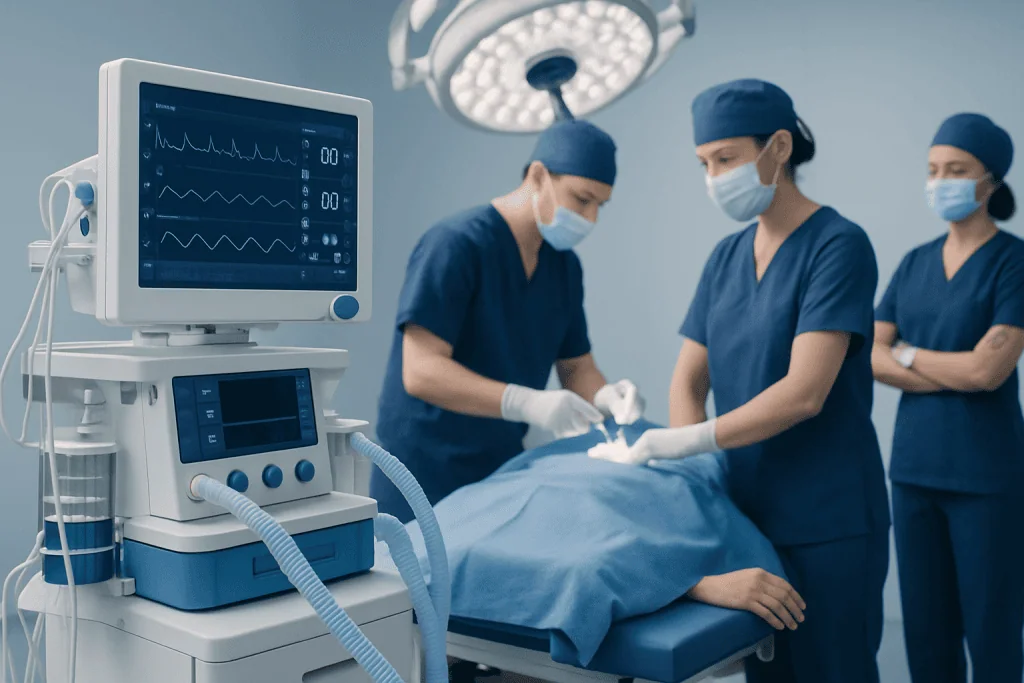
Hospital safety is supported by systems that reduce preventable harm. These include infection prevention procedures, safe surgery checklists, blood bank access where needed, medication safety, emergency response teams, intensive care capability and processes for reporting and learning from adverse events. The level of facilities required depends on the operation; a complex procedure should be performed in a setting able to provide the necessary imaging, laboratory testing and postoperative monitoring.
International accreditation can offer useful additional reassurance. Joint Commission International (JCI) accreditation assesses hospitals against recognized standards relating to patient safety, quality improvement, infection prevention, medication management and patient-centred care. Accreditation is not a promise of a particular outcome, but it is one meaningful factor to consider alongside national licensing and the hospital’s experience with the planned procedure.
Patients should ask who will perform the operation, who will provide anaesthesia, and who will be responsible for care after surgery. They can request information about the surgeon’s specialty training, professional registration, relevant experience and whether the clinician routinely performs the procedure. It is also helpful to confirm that interpreters or multilingual coordinators are available so that consent discussions and discharge instructions are understood.
- Verify the hospital’s licensing, accreditation status and physical location through official sources where possible.
- Ask whether the planned hospital has emergency, intensive care and specialist support appropriate to the procedure.
- Confirm the names and roles of the surgeon, anaesthetist and postoperative care team before travel.
Who May Be a Suitable Candidate for Surgery Abroad?

Suitability for surgery abroad depends on medical need, overall health, the complexity of the operation and the ability to complete recovery safely. A person considering planned surgery should have enough time for an independent consultation, appropriate tests and meaningful discussion with the treating team. Surgery should not be arranged solely on the basis of images or a brief questionnaire when an in-person examination or additional investigations are clinically needed.
Preoperative assessment commonly reviews current symptoms, past operations, allergies, medicines and supplements, smoking or nicotine use, previous anaesthetic problems, and conditions such as heart disease, diabetes, lung disease, kidney disease or bleeding disorders. Depending on the procedure and health history, this may include blood tests, imaging, heart assessment or consultation with another specialist.
Some people need extra planning or may be advised to postpone surgery. This can include people with an active infection, poorly controlled chronic disease, recent major illness, pregnancy where relevant, or a high risk of blood clots. Patients should share complete medical information honestly, including medicines obtained without prescription and recreational substance use, because this can affect anaesthesia and recovery.
Elective surgery also requires practical readiness. Patients should be able to remain locally for the recommended observation and review period, have appropriate accommodation, arrange assistance if mobility will be limited, and understand when it is safe to fly. A reputable clinical team will explain when travel is unsuitable or when treatment closer to home may be safer.
What to Expect: The Surgical Care Journey
Before travelling, patients should receive a written outline of the proposed procedure, expected benefits, important risks, alternatives, expected length of stay and follow-up arrangements. They should provide medical records, test results and imaging in advance where available. A preoperative review after arrival may lead the team to refine the plan or, occasionally, recommend delaying surgery if safety concerns arise.
On the day of surgery, staff confirm the patient’s identity, procedure, surgical site and consent. The anaesthesia team assesses immediate risks and discusses the planned anaesthetic. During the operation, the clinical team monitors vital signs and follows protocols designed to prevent infection, blood clots, medication errors and surgical-site mistakes.
After surgery, recovery begins in a monitored area before transfer to a ward or, for some operations, a higher-acuity unit. Nurses and doctors assess pain, nausea, wound condition, circulation, breathing, mobility and ability to drink or eat as appropriate. Patients receive instructions about medicines, wound care, activity, diet, warning signs and scheduled reviews.
Discharge should not be treated as the end of care. Patients need written documentation in a language they understand, including the procedure performed, implant details if relevant, medications, test findings and contact details for the treating team. These records are valuable for a local doctor or emergency clinician after the patient returns home.
Benefits, Risks and Recovery Timeline
The potential benefit of surgery is improvement in a diagnosed condition, function, symptoms or quality of life when the procedure is medically appropriate. For some conditions, surgery can be the most effective treatment; for others, medication, rehabilitation, monitoring or a less invasive procedure may be reasonable alternatives. Informed consent means understanding both the likely benefits and the limits of what an operation can achieve.
Risks vary widely by procedure and personal health. General surgical risks can include bleeding, infection, blood clots, reactions to anaesthesia, pain, delayed wound healing, scarring, nerve or organ injury, and the need for an additional procedure. Long flights and reduced movement can add to clot risk, so patients should follow individualized advice about mobility, hydration, compression garments or preventive medication when prescribed.
Recovery may range from a few days for minor procedures to weeks or months for major operations. The first phase typically focuses on observation, pain control, breathing exercises where advised, wound care and gentle movement. Later recovery may involve rehabilitation, activity restrictions and gradual return to work or travel. The surgeon should provide a procedure-specific timeline rather than a one-size-fits-all estimate.
Patients should not plan to fly soon after surgery without medical clearance. The safe interval depends on the operation, anaesthesia, wound status, mobility, clot risk and whether complications have occurred. Before leaving Turkey, patients should attend all recommended reviews and confirm how to contact the team if concerns arise after returning home.
Planning Accommodation, Travel and Follow-Up
Accommodation is part of safe recovery, particularly after procedures that affect mobility or require frequent follow-up. It should be close enough to the hospital for scheduled appointments and should provide a clean, comfortable environment with access to food, water, transport and communication. A companion may be useful for patients who need help after anaesthesia, have limited mobility or are caring for children.
Patients should bring an up-to-date medication list, copies of relevant records, contact details for their usual doctor and suitable travel insurance that addresses planned treatment and potential complications. They should clarify in advance whether translation, airport transfers, accommodation coordination, prescriptions, postoperative garments, physical therapy and emergency support are included in the care plan. Clear written information helps prevent misunderstandings.
Follow-up should be agreed before surgery. This may include in-person checks before departure, remote communication with the treating team and a plan for ongoing care with a clinician at home. Patients should ask who will manage a concern outside normal hours and how records will be shared if another doctor needs to provide care.
Acibadem International’s multidisciplinary specialists and JCI-accredited hospitals support diagnosis and treatment planning for international patients, including coordination around the clinical journey and follow-up needs. The appropriate setting and pathway should always be determined by the individual’s condition and the planned procedure.
When to Seek Medical Care
Anyone considering surgery should seek a qualified medical opinion if they have new, persistent or worsening symptoms, or if they are unsure whether surgery is necessary. A second opinion may be especially valuable before a major, irreversible or high-risk procedure. Patients should not stop prescribed medicines, including blood thinners, or start supplements in preparation for surgery without advice from their clinician.
After surgery, patients should contact the surgical team promptly for increasing pain that is not controlled by the plan, fever, worsening redness or drainage from a wound, persistent vomiting, new swelling, or difficulty passing urine when this is unexpected. Early assessment can often identify a problem before it becomes more serious.
Urgent emergency care is needed for chest pain, shortness of breath, coughing blood, fainting, sudden confusion, severe allergic symptoms, heavy or uncontrolled bleeding, a rapidly enlarging swelling, or one-sided leg pain and swelling. These symptoms can have several causes and require prompt medical evaluation, whether the patient is still in Turkey or has already travelled home.
Frequently asked questions
Is surgery in Turkey safe in Turkey for international patients?
Surgery can be safe for international patients when it is performed in an appropriately licensed hospital by qualified professionals and supported by careful assessment and follow-up. The safety of a particular operation depends on the patient's health, the complexity of the procedure, the clinical team and recovery arrangements. Patients should evaluate these details rather than relying on destination alone.
Does JCI accreditation mean a hospital is safe?
JCI accreditation indicates that a hospital has been assessed against international standards for quality and patient safety systems. It is a useful consideration, but it cannot eliminate all surgical risk or replace evaluation of the specific surgeon, procedure and patient's health. Patients should still ask detailed questions about their own care plan.
What questions should a patient ask before booking surgery abroad?
Patients should ask why the procedure is recommended, what alternatives are available, who will perform it, where it will take place and what risks are most relevant to them. They should also ask how long they need to remain locally, when they can fly, what follow-up is included and how complications will be managed. Written answers and a clear consent process are important.
How long should patients stay in Turkey after surgery?
The required stay varies substantially by procedure, recovery progress and individual health risks. Minor procedures may require a short local follow-up period, while major operations often require longer monitoring and repeat reviews. The operating surgeon should give individualized advice before travel and confirm fitness to fly.
Can a patient travel home if a complication develops after surgery?
Travel may not be appropriate if a patient has a suspected complication such as infection, bleeding, breathing symptoms, a blood clot or poor wound healing. The surgical team should assess the problem and advise whether treatment, observation or delayed travel is needed. If urgent symptoms occur after return home, the patient should seek local emergency care.
What records should patients take home after surgery in Turkey?
Patients should receive a discharge summary describing the diagnosis, procedure, anaesthesia, medicines, tests, implants or devices where relevant, and follow-up instructions. They should also have contact information for the treating team and guidance on warning signs. Sharing these records with their regular doctor can support continuity of care.
References
- World Health Organization
- Joint Commission International
- Centers for Disease Control and Prevention
- U.S. Centers for Disease Control and Prevention Yellow Book
- National Institute for Health and Care Excellence
This article is for general information only and is not a substitute for professional medical advice. Please consult a qualified doctor about your individual situation.
Explore treatments in Turkey — costs, top hospitals & a free quote
JCI-accredited · board-certified surgeons · reply within 24h
Add us as a Preferred Source to see more of our trusted health content across Google Search, AI Overviews and Discover.