Is surgery in turkey safe Recovery: Week-by-Week Timeline

Safety depends on the procedure, the patient’s health, the surgeon and anaesthesia team, hospital standards, and reliable aftercare planning. Patients should allow adequate time in Turkey for early postoperative monitoring before considering international travel.
Key Takeaways
- Safety depends on the procedure, the patient’s health, the surgeon and anaesthesia team, hospital standards, and reliable aftercare planning.
- Patients should allow adequate time in Turkey for early postoperative monitoring before considering international travel.
- Walking, wound care, pain control, nutrition and avoiding strenuous activity are important parts of safe recovery.
- Returning to work, driving, exercise and flying should be confirmed with the treating surgeon because timelines differ by operation.
- Urgent medical review is needed for symptoms such as chest pain, breathing difficulty, heavy bleeding, fainting, or rapidly worsening swelling.
Surgery in Turkey can be safe when it is performed by appropriately qualified teams in properly accredited facilities, with a clear plan for assessment, follow-up and recovery before travel. Recovery time varies substantially by procedure, health status and whether complications occur, so patients should follow their own surgical team’s instructions rather than a generic timetable.
Is surgery in Turkey safe during recovery?
Is surgery in Turkey safe recovery is possible when care is provided by qualified clinicians in an appropriately accredited hospital and the patient has a realistic, surgeon-led plan for the period after the operation. The quality of recovery is not determined by location alone. It depends on careful preoperative assessment, safe anaesthesia, infection prevention, clear discharge instructions, access to follow-up, and allowing enough time before travelling home.
Every operation carries some risk, whether it is performed locally or abroad. For people travelling for care, recovery also requires practical preparation: choosing a facility with appropriate standards, understanding who will provide care after discharge, sharing complete medical information, and arranging help with transport and accommodation. This article focuses on recovery planning; readers can explore the broader considerations in guidance on whether surgery in Turkey is safe.
A written plan should explain the expected recovery milestones, medicines, wound-care instructions, activity limits, warning signs and contact details for urgent concerns. Patients should receive copies of their operative report, discharge summary, test results and medication list to share with their usual doctor after returning home.
How surgical care and recovery are planned
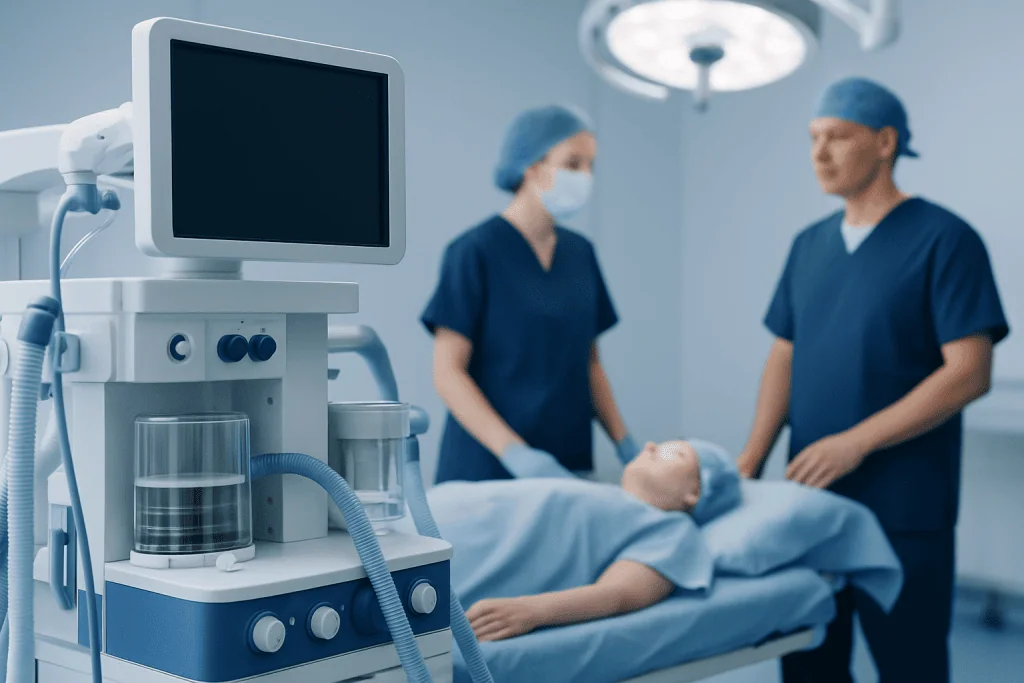
Safe surgery begins before the procedure itself. The clinical team reviews the person’s symptoms, diagnosis, medical history, previous operations, allergies, regular medicines and any health conditions that may affect anaesthesia or healing. Depending on the operation, this may include blood tests, imaging, heart or lung assessment, and specialist consultation.
The procedure then follows a planned pathway. On the day of surgery, the patient is checked in, consent is confirmed, the surgical site may be marked, and the anaesthesia team reviews safety information. During the operation, the team monitors vital signs and follows measures designed to reduce risks such as infection, bleeding and blood clots. Afterwards, the patient recovers in a monitored area before moving to a ward or being discharged for selected day procedures.
Recovery is an active part of treatment rather than simply time spent resting. It commonly includes managing pain and nausea, gradually resuming fluids and food, getting out of bed when advised, breathing exercises after some operations, and checking the incision or dressing. The details differ greatly between a minor procedure, cosmetic surgery, abdominal surgery, joint replacement, heart surgery and other treatments.
Before booking surgery abroad, patients should ask how preoperative assessment will be completed, who will be available after surgery, what follow-up is included, and how concerns will be managed after they return home. A responsible team will also explain when travel is not appropriate or when a procedure should be postponed for safety reasons.
Who may need extra recovery planning

Many adults can recover well after planned surgery when they are medically suitable and follow their care plan. However, suitability is individual. A clinician may recommend additional testing, a longer hospital stay, delayed travel or treatment closer to home if the expected risks are high.
Extra planning may be needed for people with heart, lung, kidney or liver disease; diabetes; sleep apnoea; reduced mobility; a history of blood clots; bleeding disorders; severe anaemia; immune suppression; or poorly controlled long-term conditions. Pregnancy, recent infection, smoking or nicotine use, and certain medicines can also affect surgical or healing risks.
Patients should disclose all prescription medicines, over-the-counter products, supplements and recreational substances. Some medicines may need adjustment before an operation, but they should never be stopped independently. The surgeon, anaesthetist and the doctor who prescribes the medicine should coordinate this decision.
It is also important to consider emotional and practical readiness. Patients benefit from having a trusted companion when possible, accessible accommodation, a reliable way to contact the care team, and enough time away from work or caregiving responsibilities. Rushing recovery to fit a travel schedule can increase avoidable stress and may not be safe.
Recovery timeline: what to expect week by week
First 24 to 72 hours: The immediate priorities are monitoring, pain and nausea control, hydration, safe movement and checking for early complications. Tiredness, soreness, bruising, swelling or mild wound discomfort can be expected after many procedures. Some people go home the same day, while others need several nights in hospital depending on the operation and their health.
Days 4 to 7: Patients often become more mobile but may still need assistance with daily tasks. Gentle walking is commonly encouraged because it supports circulation and reduces the risk of blood clots, but activity limits must be procedure-specific. Dressings, drains, sutures and compression garments should be managed only as instructed. Follow-up may include a wound assessment and review of pain, mobility and medications.
Weeks 2 to 4: Bruising and swelling often begin to improve, although they may last longer after some operations. Many patients can increase light activity and may return to desk-based work if their surgeon agrees. Jobs involving lifting, prolonged standing, driving or physical labour usually require more recovery time. Patients should not drive until they can safely control a vehicle, are no longer impaired by sedating pain medicine, and have received clinical advice.
Weeks 4 to 6 and beyond: Some people can gradually resume more normal routines, while deeper tissue healing continues for weeks or months. Exercise, swimming, contact sports, heavy lifting and sexual activity should be restarted only when the surgeon says it is safe. Major operations, bone surgery, abdominal procedures and reconstructive surgery often have longer rehabilitation periods and may require physiotherapy or repeated follow-up.
These are broad guideposts, not promises. The individual timeline can be shorter or longer depending on the operation, surgical technique, health conditions and healing progress. The treating surgeon’s plan always takes priority.
Travelling home, returning to work and exercise
Travel should be discussed before surgery, not arranged solely around a convenient flight date. Flying and long periods of sitting can increase the risk of blood clots for some patients, particularly after major surgery or when mobility is limited. The surgical team should advise when travel is appropriate and whether a person needs compression measures, medication, mobility breaks or another precaution.
Before leaving Turkey, patients should be medically stable, able to manage their pain plan, understand wound care and have an appropriate follow-up arrangement. They should carry important records in hand luggage, including the discharge summary, medication list, operative information and contact details for the treating team. Travel insurance should be reviewed in advance to understand its coverage for planned treatment and complications.
Returning to work depends on the demands of the role. Sedentary work may be possible earlier than jobs involving lifting, climbing, driving, exposure to infection, or demanding concentration while pain medicines are still needed. Employers may require medical documentation, and patients should plan for flexibility if their recovery takes longer than expected.
Gentle movement is often beneficial, but “no pain, no gain” is not a safe recovery rule. Exercise should increase gradually. New or worsening pain, swelling, wound problems, dizziness or shortness of breath are reasons to stop activity and seek medical advice.
Benefits, risks and practical self-care
The potential benefit of a planned operation is improvement in the condition being treated, symptoms, function or quality of life. Surgery may also provide diagnostic information or prevent a condition from worsening. However, benefits should be weighed against the potential risks of the specific procedure and the additional logistics of receiving care outside one’s home country.
Possible surgical risks include pain, bruising, bleeding, infection, delayed wound healing, scarring, reactions to anaesthesia, blood clots and the need for further treatment. Risks vary substantially by operation and patient factors. A surgeon should explain the relevant risks, expected results, alternatives and recovery commitment during informed consent.
At home or in accommodation, patients can support recovery by taking medicines exactly as prescribed, attending planned reviews, keeping the wound clean and dry as directed, drinking enough fluids, eating nourishing meals, avoiding smoking and nicotine, and following limits on alcohol and strenuous activity. A support person can help with meals, medication reminders, transport and observing for concerning changes.
Patients should avoid comparing their progress with photos or recovery stories online. Healing is individual, and swelling or fatigue can fluctuate. Keeping follow-up appointments and raising questions early is usually more helpful than trying to manage uncertainty alone.
- Follow the written postoperative instructions from the treating team.
- Do not alter prescribed medicines without medical advice.
- Walk or perform recommended exercises at the advised level.
- Keep all medical records for follow-up at home.
- Ask before flying, driving, returning to work or restarting sport.
When to seek medical care
Patients should contact their surgical team promptly for increasing redness, warmth, swelling, discharge or unpleasant odour from a wound; a fever; pain that is worsening rather than improving; persistent vomiting; inability to keep fluids down; or concerns about a dressing, drain or medication. Early assessment can help determine whether symptoms are part of normal healing or need treatment.
Emergency medical care is needed for chest pain, shortness of breath, coughing blood, fainting, confusion, severe or uncontrolled bleeding, sudden one-sided leg swelling or pain, signs of a severe allergic reaction, or a rapidly worsening condition. People should use local emergency services rather than waiting for a routine appointment.
After returning home, patients should arrange review with a qualified local clinician if recommended by the operating team or if any concern develops. It is helpful to bring the operative and discharge records. Acibadem International’s multidisciplinary specialists and JCI-accredited hospitals diagnose and treat international patients, with care plans that include appropriate postoperative follow-up.
Frequently asked questions
How long should someone stay in Turkey after surgery?
The appropriate stay depends on the type and extent of surgery, the person’s health and how recovery is progressing. The treating surgeon should provide individualized advice about follow-up and the earliest safe time to travel. Major operations generally require more in-person recovery time than minor procedures.
Can someone fly soon after surgery?
Flying may not be appropriate immediately after surgery, especially after major operations or when mobility is reduced. Long periods of sitting can contribute to blood clot risk in some people. A surgeon should confirm when air travel is safe and explain any precautions needed.
When can a patient return to work after surgery?
Return-to-work timing depends on the operation, the person’s healing and the physical demands of the job. Some people may return to desk work in a relatively short period, while work involving lifting, driving or physical exertion often requires longer. Patients should obtain guidance from their surgical team rather than relying on a standard timetable.
When is it safe to start exercising after surgery?
Gentle walking may be recommended early after many procedures, but structured exercise and strenuous activity should be restarted gradually. The timing depends on the tissues involved, wound healing and any rehabilitation needs. Pain, swelling or wound changes during activity should be discussed with a clinician.
What documents should a patient take home after surgery abroad?
Patients should receive a discharge summary, operative report when available, medication list, test results, imaging information and follow-up instructions. They should also have contact details for the treating team and information about warning symptoms. These records help a local clinician provide safe care if follow-up is needed.
What symptoms after surgery require urgent help?
Urgent assessment is needed for chest pain, breathing difficulty, fainting, severe bleeding, coughing blood, sudden leg swelling or severe pain, or signs of a serious allergic reaction. Worsening wound redness, fever, drainage or uncontrolled pain should also be reported promptly. Patients should seek emergency services locally for severe symptoms.
References
- World Health Organization
- Centers for Disease Control and Prevention
- American College of Surgeons
- International Society of Travel Medicine
- National Health Service
This article is for general information only and is not a substitute for professional medical advice. Please consult a qualified doctor about your individual situation.
Explore treatments in Turkey — costs, top hospitals & a free quote
JCI-accredited · board-certified surgeons · reply within 24h
Add us as a Preferred Source to see more of our trusted health content across Google Search, AI Overviews and Discover.