Is surgery in turkey safe Risks & Side Effects Explained by Surgeons

Safety depends more on the hospital, surgical team, patient selection, and aftercare plan than on the country alone. Every operation carries risks, including anesthesia reactions, bleeding, infection, blood clots, scarring, and unsatisfactory results.
Key Takeaways
- Safety depends more on the hospital, surgical team, patient selection, and aftercare plan than on the country alone.
- Every operation carries risks, including anesthesia reactions, bleeding, infection, blood clots, scarring, and unsatisfactory results.
- A trustworthy provider explains benefits, limitations, alternatives, expected recovery, and possible complications without pressure.
- Patients should allow adequate time in the destination country for review and early recovery before flying home.
- Urgent symptoms after surgery, such as chest pain, breathing difficulty, heavy bleeding, fever, or worsening pain, require prompt medical assessment.
Surgery in Turkey can be safe when it is performed in a properly licensed hospital by qualified specialists, with thorough preoperative assessment, informed consent, and a realistic plan for recovery and follow-up. However, surgical travel does not remove the usual risks of anesthesia, infection, bleeding, blood clots, and procedure-specific complications, and travel can make aftercare more complex.
Is surgery in Turkey safe?
Surgery in Turkey can be safe when it takes place in a licensed, appropriately equipped hospital and is delivered by qualified surgeons, anesthesiologists, nurses, and supporting specialists. A safe experience also requires an individual medical assessment, transparent consent, infection-control standards, emergency capability, and an arranged plan for follow-up care. The question is not only where surgery is performed, but whether the specific procedure is suitable for the person and whether the care pathway meets accepted clinical standards.
All surgery has risks, whether it is performed close to home or abroad. These may include bleeding, infection, blood clots, anesthesia-related problems, delayed wound healing, pain, scarring, and procedure-specific complications. International travel may add practical concerns, including language barriers, limited time for in-person review, flying during recovery, and coordinating care if a problem develops after returning home.
Patients considering treatment abroad can use the broader guidance in is surgery in Turkey safe to understand how hospital standards, surgeon credentials, communication, and aftercare contribute to safe decision-making. No clinic or surgeon can guarantee a particular result, but careful preparation can reduce avoidable risk.
How to assess safety before choosing surgery abroad
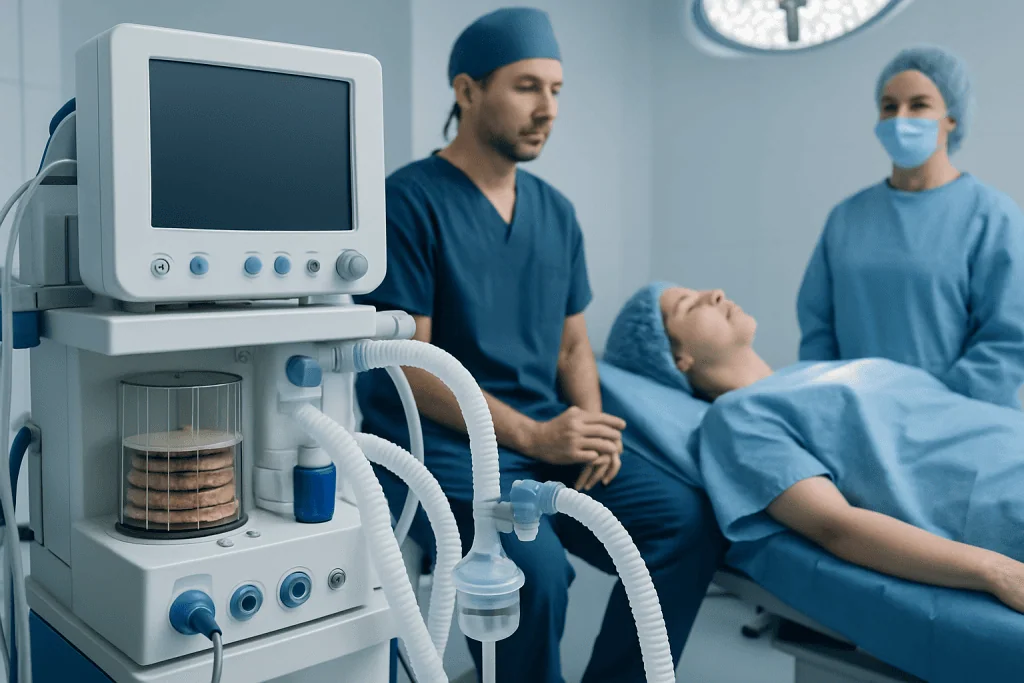
Patients should begin by confirming that the hospital and clinicians are properly licensed under the relevant national regulations. It is reasonable to ask who will perform the operation, who will provide anesthesia, what relevant specialty training they have, and whether the hospital can manage complications if they arise. International accreditation may provide additional reassurance about systems and processes, but it should not replace an individual review of the team and facility.
A reliable consultation includes a detailed health history, current medicines and supplements, allergies, previous operations, smoking or nicotine use, and relevant tests. The surgeon should explain why the procedure is or is not appropriate, discuss non-surgical alternatives when relevant, and identify factors that may increase risk. A provider should not promise an outcome or advise surgery without considering the patient’s medical circumstances.
Good communication is a safety issue. Patients should receive clear information in a language they understand about the procedure, expected recovery, costs and what they include, possible complications, contact arrangements, and what happens if additional care is needed. They should feel able to take time, ask questions, and decline treatment without being pressured.
- Ask for the full name and qualifications of the surgeon and anesthesia professional.
- Confirm where the operation and overnight care, if needed, will take place.
- Request a written treatment plan and informed-consent information before travel.
- Ask how emergencies, revisions, complications, and follow-up will be managed.
Who may be a suitable candidate for surgical travel

Suitability for surgery abroad depends on the planned operation, the person’s health, and the ability to remain locally long enough for safe early recovery. Many people can travel for planned treatment after appropriate assessment, but surgery may need to be postponed or reconsidered for those with unstable heart or lung disease, poorly controlled diabetes, active infection, significant bleeding risk, or other conditions that require closer monitoring.
Smoking and nicotine products can raise the risk of wound problems, infection, and poor healing. Certain medicines, including blood thinners, diabetes medicines, immune-suppressing medicines, and some supplements, may need specific management around surgery. Only the treating clinical team should advise changes to prescribed medication, ideally in coordination with the patient’s usual doctor.
Patients should also consider the practical requirements. They need enough time away from work and home responsibilities, a safe place to recover, access to a responsible adult if required, and a plan for travel restrictions. Major procedures, combined procedures, and operations with a higher clotting risk may require a longer stay and more intensive follow-up than minor outpatient treatments.
What the surgical care process should involve
Safe surgical care is a process rather than a single operation. It usually begins with consultation and medical screening, followed by confirmation of the diagnosis or treatment goal, discussion of alternatives, and informed consent. Depending on the procedure, blood tests, imaging, heart assessment, pregnancy testing, or consultation with another specialist may be appropriate.
On the day of surgery, the team should verify the patient’s identity, planned procedure, consent, allergies, and relevant medical information. An anesthesia assessment helps determine the safest form of anesthesia and monitoring. During the operation, sterile technique, surgical safety checks, monitoring, and trained recovery staff are essential components of care.
After surgery, patients are monitored for pain, nausea, bleeding, breathing concerns, circulation changes, and other early complications. Before discharge, they should receive written instructions on wound care, medicines, activity limits, diet where relevant, warning signs, and scheduled review. For procedures requiring ongoing monitoring, a surgeon should assess recovery before the patient travels home.
Patients should retain copies of operative notes, discharge summaries, imaging, laboratory results, implant details where relevant, and medication lists. These documents can help a local clinician provide informed care later if needed.
Benefits, risks and side effects to understand
The potential benefit of surgery depends on the procedure. Surgery may improve symptoms, function, appearance, quality of life, or treat a diagnosed medical condition. In some cases, traveling can provide access to specialized expertise or coordinated care. Benefit should always be balanced against the individual’s health needs, the expected degree of improvement, and the possibility that the result may differ from expectations.
Common short-term effects after many operations include tiredness, swelling, bruising, discomfort, reduced mobility, temporary numbness, and changes in appetite or sleep. These effects often improve gradually, but recovery varies substantially by procedure and person. Pain that is severe, worsening, or not controlled with the prescribed plan should be assessed.
Important potential complications include infection, excessive bleeding or a collection of blood under the skin, wound separation, fluid collection, blood clots in the legs or lungs, reactions to anesthesia, nerve injury, organ injury in some procedures, delayed healing, and the possible need for further treatment. Cosmetic and reconstructive operations may also involve asymmetry, visible scars, changes in sensation, or dissatisfaction with the appearance. These outcomes should be discussed honestly before consent.
Long flights and long periods of immobility can increase the risk of venous thromboembolism in some people, especially soon after major surgery. The surgical team should give individualized advice on when it is safe to fly, movement, hydration, compression garments if appropriate, and any prescribed clot-prevention measures. Patients should not schedule travel based solely on convenience.
Recovery, follow-up and safer travel planning
Recovery begins immediately after surgery and may continue for weeks or months, depending on the operation. The first days generally focus on pain control, mobility, eating and drinking safely, wound care, and watching for early complications. Swelling, fatigue, and reduced activity can last longer than expected, even after procedures that appear minor.
Patients should plan to remain near the surgical team until they have had the recommended postoperative reviews and are medically cleared for travel. Before leaving, they should know how to contact the hospital, where to seek emergency care, and how to arrange remote or local follow-up. A clinician at home may be able to provide ongoing care, but this should be discussed before travel because not every practitioner can take over another team’s postoperative plan.
Travel insurance should be reviewed carefully before booking. Policies may exclude planned treatment abroad or complications connected with it. Patients should also carry their medical documents, keep prescribed medicines in hand luggage when flying, avoid alcohol or unapproved medicines during recovery, and follow the team’s activity and wound-care instructions.
Acibadem International’s multidisciplinary specialists and JCI-accredited hospitals support diagnosis and treatment planning for international patients, including coordinated surgical follow-up arrangements where appropriate. A qualified team can explain whether a planned procedure and travel schedule are medically suitable for the individual.
When to seek medical care
Patients should contact their surgical team promptly if they develop increasing redness, warmth, swelling, wound drainage, persistent vomiting, new numbness or weakness, worsening pain, or a fever. These symptoms do not always mean a serious complication, but early assessment can help prevent problems from progressing.
Emergency medical care is needed for chest pain, shortness of breath, coughing up blood, fainting, confusion, sudden one-sided leg swelling or pain, uncontrolled bleeding, a rapidly expanding swelling, blue or pale skin around an operated area, or signs of a severe allergic reaction such as facial swelling or difficulty breathing. Patients should use local emergency services rather than waiting for a routine appointment.
After returning home, it is important to tell any doctor or emergency clinician about the recent operation, the date and type of procedure, anesthesia received if known, and all medicines being taken. Bringing the discharge summary and operative information can support timely, appropriate care.
Frequently asked questions
Is it safe to have surgery in Turkey?
It can be safe when surgery is performed by qualified professionals in a licensed, well-equipped hospital, following a thorough assessment and clear aftercare plan. Safety cannot be judged by location alone, and every operation has potential risks. Patients should verify the credentials of the hospital and surgical team and ensure they understand follow-up arrangements.
What are the main risks of surgery abroad?
The medical risks are similar to surgery anywhere and include infection, bleeding, anesthesia complications, blood clots, wound problems, and procedure-specific complications. Traveling may add challenges with communication, continuity of care, early review, and flying before recovery is complete. These issues should be planned for before treatment.
How long should a patient stay in Turkey after surgery?
The appropriate length of stay depends on the procedure, anesthesia, personal health, and recovery progress. Patients should remain until the surgical team has completed recommended early reviews and considers travel medically appropriate. The surgeon should provide individualized travel advice before booking return flights.
Can a patient fly after surgery?
Some patients can fly after a suitable recovery period, but the timing varies widely. Flying too soon after some operations can increase discomfort and may raise the risk of complications such as blood clots. The operating surgeon should provide specific advice based on the procedure and the patient’s risk factors.
What questions should be asked before booking surgery in Turkey?
Patients should ask who will perform the surgery, where it will take place, what qualifications and emergency facilities are available, and how complications are managed. They should also ask about medical screening, expected recovery, time before travel, written aftercare instructions, and arrangements for follow-up after returning home. Clear, non-pressured answers are an important part of informed consent.
What symptoms after surgery require urgent attention?
Urgent assessment is needed for chest pain, breathing difficulty, fainting, coughing blood, uncontrolled bleeding, severe or rapidly worsening pain, sudden leg swelling, or signs of a serious allergic reaction. Fever, increasing wound redness, pus-like drainage, or persistent vomiting should also be reported promptly to the surgical team. When in doubt, patients should seek medical advice rather than waiting.
References
- World Health Organization
- Centers for Disease Control and Prevention
- International Society of Aesthetic Plastic Surgery
- U.S. Centers for Medicare & Medicaid Services
- National Health Service
This article is for general information only and is not a substitute for professional medical advice. Please consult a qualified doctor about your individual situation.
Explore treatments in Turkey — costs, top hospitals & a free quote
JCI-accredited · board-certified surgeons · reply within 24h
Add us as a Preferred Source to see more of our trusted health content across Google Search, AI Overviews and Discover.