Ivy Rehab Grant Ave: An Evidence-Based Patient Guide

Physical therapy is individualized rehabilitation that can help improve movement, strength, confidence and daily function after injury, surgery or pain-related limitations. A good physical therapy plan combines clinical evidence, the therapist’s expertise and the patient’s goals, preferences and response to care.
Key Takeaways
- Physical therapy is individualized rehabilitation that can help improve movement, strength, confidence and daily function after injury, surgery or pain-related limitations.
- A good physical therapy plan combines clinical evidence, the therapist’s expertise and the patient’s goals, preferences and response to care.
- Initial visits are usually longer than follow-up appointments because they include a history, movement assessment and treatment plan.
- Recovery timelines vary widely according to the diagnosis, symptom duration, surgery status, overall health and consistency with the home program.
- New weakness, numbness, loss of bladder or bowel control, severe swelling or sudden chest symptoms need prompt medical assessment.
Ivy Rehab Grant Ave is a search term commonly used by people looking for outpatient physical therapy services in the Grant Avenue area. The most useful way to assess any physical therapy clinic is to look beyond its name and reviews: care should begin with a thorough assessment, set meaningful goals and use treatments supported by clinical evidence and the person’s needs.
Ivy Rehab Grant Ave: what patients should know
Ivy Rehab Grant Ave is generally searched by people seeking local physical therapy for pain, injury recovery, post-operative rehabilitation or difficulty returning to everyday movement. A clinic listing alone cannot determine whether care will be right for a particular person. The quality of physical therapy depends on a careful assessment, clear communication, appropriate referrals when needed and a plan that changes as the person progresses.
Physical therapy is not a single procedure. It is a structured rehabilitation process that may include education, guided exercise, hands-on techniques, balance or mobility training, activity modification and a home exercise plan. The goal is usually to improve function, such as walking comfortably, using stairs, returning to work, playing a sport or carrying out daily activities with greater confidence.
Searches for ivy rehab grant, ivy rehab grant and academy, ivy rehab physical therapy grant and ivy rehab physical therapy grant reviews may reflect a wish to compare location, services and patient experiences. Reviews can offer useful practical information about scheduling and communication, but they do not replace an individualized clinical assessment. A person should feel able to ask how goals will be measured, what treatment options are recommended and when a physician review may be needed.
How evidence-based physical therapy works
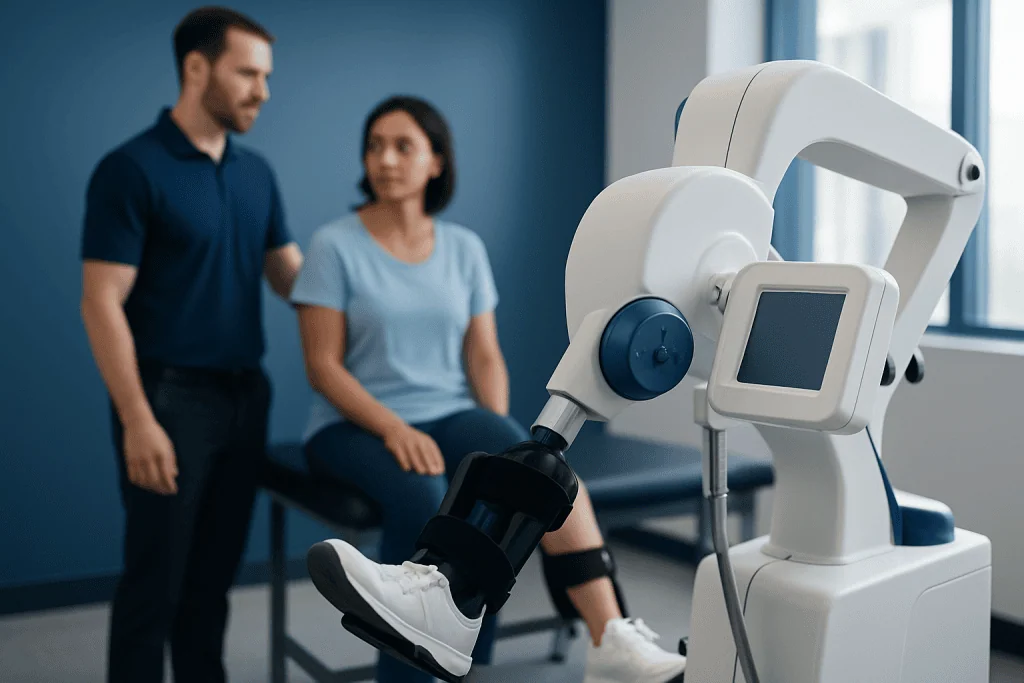
Evidence-based physical therapy brings together three important elements: the best available research, the clinician’s professional judgment and the patient’s values, circumstances and goals. Research may support specific exercise approaches, education strategies or rehabilitation pathways for particular problems, but treatment still needs to be tailored. Two people with the same diagnosis can have different mobility, pain levels, work demands and recovery priorities.
At the first appointment, a physical therapist typically discusses symptoms, medical history, medications, prior injuries, daily activities and personal goals. The assessment may include observation of movement, joint range of motion, strength, balance, walking, posture and functional tasks. The therapist also looks for signs that indicate a person should be assessed by a physician or another specialist before continuing rehabilitation.
A plan is then developed with measurable objectives. For example, a patient may work toward standing for a defined period, climbing stairs with less difficulty or returning to a preferred exercise. Progress is reviewed over time. If symptoms are not improving as expected, the clinician should reconsider the working diagnosis, modify the program or recommend further medical evaluation.
- Education helps patients understand pacing, safe activity and realistic recovery expectations.
- Therapeutic exercise can build strength, endurance, flexibility, coordination and confidence in movement.
- Functional training focuses on tasks that matter to the individual, including work, home and recreational activities.
- Home exercises support progress between visits and should be feasible, clearly explained and reviewed regularly.
Is Ivy Rehab physical therapy good?

Whether Ivy Rehab physical therapy is good for an individual cannot be determined from a clinic name, online ratings or a general guide. The appropriate choice depends on the patient’s condition, access needs, insurance arrangements, therapist expertise, communication style and whether the clinic can coordinate care with the referring clinician or surgeon when necessary.
Useful indicators of high-quality physical therapy include a detailed first assessment, shared goal-setting, an explanation of the likely benefits and limitations of treatment, regular reassessment and a home program that matches the person’s abilities. The therapist should welcome questions and explain why a particular exercise or technique is being used. Care should not rely on passive treatments alone when active rehabilitation is appropriate.
For concerns involving persistent back, neck, joint or muscle symptoms, patients may also benefit from a medical diagnosis and coordinated musculoskeletal care. Information about back pain and osteoarthritis can help people understand common conditions that may require an individualized rehabilitation plan.
How long is a typical PT session?
A typical physical therapy session often lasts about 30 to 60 minutes, although the exact length depends on the clinic, the condition being treated, the stage of recovery and the treatments planned. The first appointment is commonly longer because it includes a detailed history, physical assessment, discussion of goals and initial education.
Follow-up visits may include a brief symptom review, reassessment of selected measures, guided exercise, movement practice and updates to the home program. Some people need regular appointments early in rehabilitation, while others benefit from fewer visits with a greater emphasis on self-management. The frequency should be based on clinical need rather than a fixed schedule alone.
Time in therapy is only one part of recovery. A manageable home program, appropriate day-to-day activity and follow-up with the broader healthcare team can be equally important. Patients should tell the therapist if exercises substantially worsen symptoms, feel unsafe or cannot realistically fit into daily life.
What is evidence-based practice in physical therapy?
Evidence-based practice in physical therapy means making clinical decisions using current, trustworthy research alongside professional expertise and the individual patient’s preferences and circumstances. It does not mean that every patient receives identical treatment. Instead, it helps therapists choose approaches with reasonable evidence of benefit and avoid unnecessary or ineffective care.
For many musculoskeletal problems, evidence-informed rehabilitation emphasizes staying safely active, gradually building capacity and addressing barriers to movement. Hands-on techniques or supportive modalities may sometimes be used for short-term symptom relief, but they are usually most helpful when integrated into an active plan that improves function.
Patients can take part in evidence-based care by asking practical questions: What problem is this treatment intended to address? How will progress be measured? What can be done independently at home? What changes would prompt reassessment or referral? Clear answers help ensure that treatment remains focused on goals that matter to the person.
Procedure pathway: candidacy, appointment steps and recovery
Physical therapy may be appropriate for people recovering from an injury, managing persistent pain, preparing for or recovering from surgery, rebuilding balance or mobility, or returning to work and sport. A person may be referred by a doctor, surgeon or other clinician, or may arrange an assessment directly where local rules allow. However, physical therapy is not a substitute for urgent medical assessment when warning symptoms are present.
The process usually starts with an evaluation, followed by a diagnosis-informed treatment plan. In each session, the therapist checks symptoms and function, guides appropriate activities and adjusts the level of challenge. Exercises often progress from gentle mobility and control work toward strength, endurance, balance and task-specific activity. The plan should include education about what to do on days between sessions.
Recovery has no universal timetable. A recent uncomplicated strain may improve in weeks, while rehabilitation after major surgery, neurological illness or longstanding pain can take months and may involve several specialties. Progress is often uneven; a temporary increase in muscle soreness after new activity can occur, but severe or persistent worsening should be discussed promptly.
Potential benefits include better mobility, strength, physical confidence and independence. Risks are generally low when treatment is individualized, but can include temporary soreness, fatigue or aggravation of symptoms if activity advances too quickly. Some people may need physical therapy and rehabilitation as part of a wider plan involving orthopedics, pain management, neurology or post-surgical care.
Is Ivy Rehab Theraplay?
Ivy Rehab and Theraplay should not be assumed to be the same service simply because their names may appear in related searches. “Theraplay” can refer to different organizations, programs or therapeutic approaches depending on the context and location. Patients should verify the exact provider name, address, clinical service and appointment type directly through official contact details before scheduling.
It is also helpful to distinguish physical therapy from other forms of therapy. Physical therapists focus on movement, function, pain-related limitations and rehabilitation. Occupational therapists often focus on daily living skills, upper-limb function and adaptations, while speech-language therapists address communication, swallowing and related concerns. Some clinics provide more than one discipline, but each has a distinct role.
For a complex recovery, coordinated rehabilitation can be valuable. Following orthopedic surgery, for example, a surgeon may recommend orthopedic rehabilitation to restore safe movement and function. The appropriate pathway depends on the diagnosis, procedure and person’s recovery goals.
When to seek medical care
People should arrange medical assessment when pain or reduced movement is persistent, recurrent, worsening or interfering with sleep, work or everyday activities. A clinician can help identify whether symptoms are likely to respond to rehabilitation alone or whether imaging, medication, specialist input or another treatment is appropriate. This is particularly important after a significant injury, surgery or a sudden change in symptoms.
Urgent medical care is needed for symptoms such as sudden chest pain, trouble breathing, fainting, new facial drooping, trouble speaking, sudden severe weakness, loss of bladder or bowel control, numbness in the groin area, a severely deformed limb, or a hot, swollen joint with fever. These signs can have causes that require prompt assessment rather than routine physical therapy.
Patients can prepare for a rehabilitation appointment by bringing relevant scan reports, surgical instructions, medication information and a short description of their symptoms and goals. Acibadem International’s multidisciplinary specialists and JCI-accredited hospitals can assess and treat rehabilitation needs for international patients, including coordinated care when a musculoskeletal or neurological condition requires broader evaluation.
Frequently asked questions
What should a first physical therapy appointment include?
A first appointment usually includes a discussion of symptoms, medical history, daily activities and personal goals. The therapist assesses movement, strength, balance or other relevant functions and explains a proposed plan. The patient should have an opportunity to ask questions and discuss any concerns.
Do I need a referral for physical therapy?
Referral requirements vary by country, state, insurer and clinic. Some people can see a physical therapist directly, while others need a referral from a doctor or surgeon. It is sensible to confirm local requirements and insurance rules before booking.
How many physical therapy sessions will I need?
The number of sessions varies according to the condition, its severity, recovery stage and response to treatment. Some people need only a few visits and a home program, while others benefit from longer rehabilitation. A therapist should review progress regularly and discuss whether the plan remains appropriate.
Can physical therapy make pain worse at first?
Mild muscle soreness or temporary symptom fluctuation can happen when activity levels change, especially early in a strengthening program. Pain that is severe, persistent, rapidly worsening or associated with new weakness, numbness, swelling or fever should be reported promptly. The therapist may need to adjust the program or arrange medical review.
What should I look for in physical therapy reviews?
Reviews may provide practical insight into communication, scheduling, cleanliness and patient experience. They cannot show whether a clinic is clinically appropriate for a specific diagnosis. It is best to combine reviews with questions about therapist qualifications, assessment methods, goal-setting and coordination with other clinicians.
Can I continue exercise while having physical therapy?
In many cases, remaining active in a modified and safe way is part of rehabilitation. The type and intensity of exercise should be tailored to the condition, symptoms and stage of recovery. A physical therapist or doctor can advise which activities to continue, limit or avoid temporarily.
References
- American Physical Therapy Association
- National Institute for Health and Care Excellence
- Centers for Disease Control and Prevention
- World Health Organization
This article is for general information only and is not a substitute for professional medical advice. Please consult a qualified doctor about your individual situation.
Explore treatments in Turkey — costs, top hospitals & a free quote
JCI-accredited · board-certified surgeons · reply within 24h
Add us as a Preferred Source to see more of our trusted health content across Google Search, AI Overviews and Discover.