Kidney function test: Symptoms, Causes, and Treatment — Complete Patient Guide

A kidney function test usually includes blood tests such as creatinine and eGFR, and often urine tests for protein or albumin. These tests help detect kidney disease early, sometimes before noticeable symptoms appear.
Key Takeaways
- A kidney function test usually includes blood tests such as creatinine and eGFR, and often urine tests for protein or albumin.
- These tests help detect kidney disease early, sometimes before noticeable symptoms appear.
- Abnormal results can be linked to dehydration, infection, medicines, diabetes, high blood pressure, or kidney disorders.
- One abnormal result does not always mean permanent kidney damage; results need medical interpretation in context.
- People with diabetes, hypertension, older age, or a family history of kidney disease may need regular testing.
A kidney function test is a group of blood and urine tests used to show how well the kidneys filter waste, balance fluids, and support overall health. These tests do not diagnose every kidney problem on their own, but they are an important starting point for finding kidney disease, monitoring long-term conditions, and guiding treatment.
What is a kidney function test?
A kidney function test is not just one test. It is a group of blood and urine tests that help a doctor understand how well the kidneys are working. The kidneys remove waste from the blood, help control fluid and mineral balance, and support blood pressure and red blood cell regulation. When kidney function changes, these tests can often show it before symptoms become obvious.
Common blood tests include serum creatinine and estimated glomerular filtration rate, or eGFR. Creatinine is a waste product made by muscles, and healthy kidneys remove it from the body. eGFR is a calculation based on creatinine and other factors, and it gives an estimate of how well the kidneys are filtering blood. A doctor may also check blood urea nitrogen, electrolytes, and other markers depending on the situation.
Urine testing is also important. A urine albumin or protein test can reveal small amounts of protein leaking into the urine, which may be an early sign of kidney damage. In some cases, a urine test is more helpful than a blood test for finding early changes. Together, blood and urine results give a clearer picture than either one alone.
Why these tests are done and what they can show
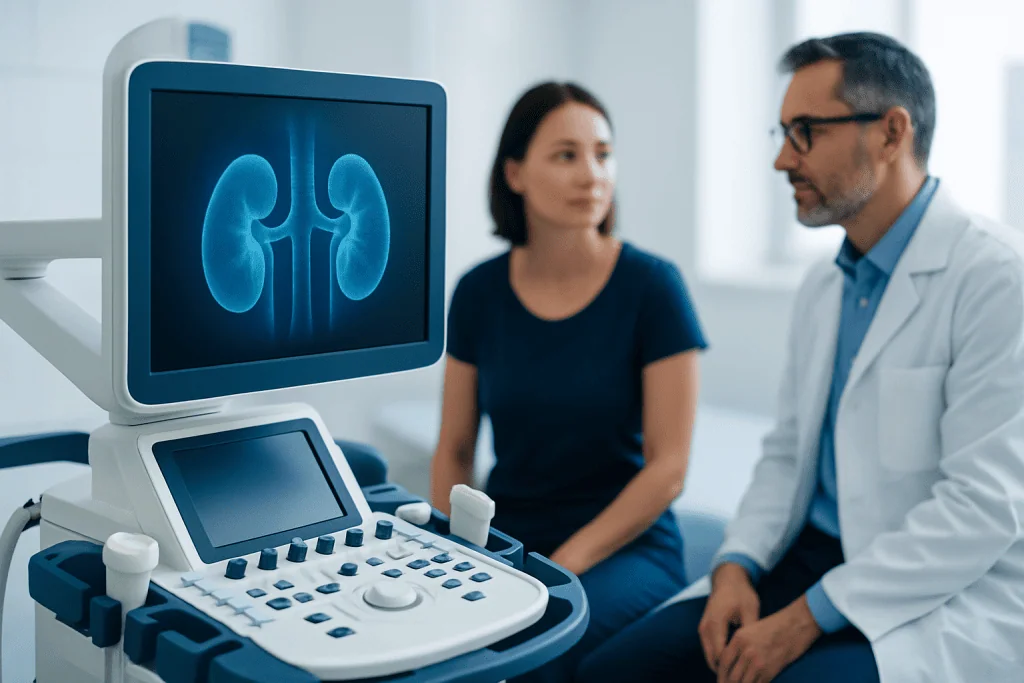
Kidney function tests are commonly done during routine checkups, before surgery, when starting certain medications, or when a person has symptoms that may be linked to kidney problems. They are also used to monitor people who already have kidney disease or conditions that increase kidney risk, such as diabetes or high blood pressure.
These tests can help identify several types of problems. They may suggest reduced filtering function, fluid imbalance, protein loss in the urine, or changes caused by infection, obstruction, dehydration, or medication effects. They can also help doctors decide whether more evaluation is needed, such as imaging, repeat blood work, or referral to a kidney specialist.
It is important to remember that a kidney function test does not always point to one specific diagnosis right away. For example, a temporary rise in creatinine can happen after dehydration, strenuous exercise, or use of certain medicines. That is why doctors interpret results along with symptoms, medical history, blood pressure, and sometimes additional tests related to kidney diseases.
Symptoms and signs that may lead to testing

Many people with early kidney problems have no symptoms at all. This is one reason kidney function testing is so valuable. Changes in kidney function may be found during routine care long before a person feels unwell. Early detection can allow treatment of reversible causes and slow the progression of chronic kidney disease.
When symptoms do occur, they can be quite general and may overlap with many other health conditions. Common symptoms that may prompt testing include swelling in the legs, ankles, feet, or around the eyes; tiredness; nausea; loss of appetite; changes in urination; and difficulty concentrating. Some people notice foamy urine, darker urine, or needing to urinate more often at night.
Doctors may also order kidney tests when there are signs such as high blood pressure, blood in the urine, unexplained shortness of breath from fluid overload, or persistent flank discomfort. Infections, kidney stones, and urinary blockage can also affect kidney function, sometimes suddenly. Symptoms are not always severe, so even mild or vague changes should be discussed with a qualified clinician when they persist.
Causes and risk factors behind abnormal results
Abnormal kidney function test results can happen for many reasons. Some causes are temporary and reversible, while others reflect long-term kidney disease. Dehydration, vomiting, diarrhea, severe infection, and certain medicines can reduce kidney function for a short time. Nonsteroidal anti-inflammatory drugs, some antibiotics, contrast dyes, and other medications may affect the kidneys in susceptible people.
Chronic conditions are among the most common reasons for ongoing kidney damage. Diabetes and high blood pressure can gradually harm the small blood vessels in the kidneys. Autoimmune diseases, inherited kidney disorders, repeated urinary tract problems, and enlarged prostate with urinary blockage can also play a role. In some cases, poor kidney function develops after reduced blood flow to the kidneys due to heart or circulation problems.
Risk factors that make testing more important include older age, obesity, smoking, family history of kidney disease, cardiovascular disease, and belonging to a group with higher rates of diabetes or hypertension. A doctor may recommend regular monitoring if a person has one or more of these risks. If there is concern about blood flow problems to the kidneys, further evaluation may include imaging or a vascular procedure such as renal artery angioplasty and stenting in selected cases.
How kidney function is diagnosed and interpreted
Diagnosis starts with medical history, physical examination, and laboratory testing. Blood tests often include creatinine, eGFR, blood urea nitrogen, sodium, potassium, bicarbonate, and sometimes calcium or phosphorus. Urine studies may include a dipstick test, urine albumin-to-creatinine ratio, microscopic analysis, or a 24-hour urine collection when more detail is needed.
Doctors do not rely on a single number alone. eGFR should be interpreted over time, because trends are often more informative than one isolated value. A mildly reduced result may be less concerning in one setting and more significant in another, depending on age, symptoms, hydration status, and existing illness. Protein or albumin in the urine is especially important because it can point to kidney damage even when eGFR is still preserved.
If results are abnormal, additional tests may be needed to find the cause. These can include ultrasound, CT, or MRI to look for obstruction or structural changes, and in selected patients a kidney biopsy. When treatment planning requires a clearer view of anatomy, doctors may use urology diagnostic procedures or imaging studies to evaluate the urinary tract and kidneys more closely.
Treatment options and ongoing management
Treatment depends on why the kidney function test is abnormal. If the cause is dehydration, treatment may be as simple as fluid replacement and managing the underlying illness. If a medication is contributing, a doctor may stop it, change the dose, or choose a safer alternative. Infections, urinary obstruction, and kidney stones need prompt treatment to protect kidney function.
For chronic kidney disease, the main goals are to slow progression, manage symptoms, and reduce complications. This often includes controlling blood pressure, managing diabetes carefully, limiting exposure to kidney-harming drugs, and treating swelling or mineral imbalances when present. Dietary guidance may also help, especially around salt, protein, and fluid intake, but recommendations should be individualized rather than copied from general advice online.
Some people need specialist care from a nephrologist or urologist. Procedures may be needed when there is a blockage, recurrent stone disease, or structural urinary tract problem, including kidney stone treatment when stones are affecting urine flow or causing repeated symptoms. Near the end of the diagnostic and treatment pathway, patients seeking coordinated care may choose centers such as Acibadem International, where multidisciplinary specialists in JCI-accredited hospitals diagnose and treat kidney-related conditions for international patients.
Prevention, self-care, and when to seek medical care
Good kidney health often starts with managing overall health. Drinking enough fluid for individual needs, controlling blood pressure, managing blood sugar, maintaining a balanced diet, staying physically active, and avoiding smoking all support kidney function. It is also wise to use over-the-counter pain relievers carefully and only as directed, especially in people with known kidney risk.
Regular checkups are important for people with diabetes, hypertension, heart disease, or a family history of kidney problems. Routine kidney function testing can identify changes early, when treatment is often most effective. People should also tell their doctor about supplements or herbal products, because some can affect the kidneys or interact with prescribed medicines.
Medical care should be sought promptly for symptoms such as very little urine, sudden swelling, severe flank pain, fever with urinary symptoms, blood in the urine, vomiting with dehydration, or new confusion. Urgent evaluation is also important if a person with known kidney disease feels suddenly worse or has rapidly rising blood pressure. Early assessment can help prevent complications and guide the right next steps.
Frequently asked questions
What does a kidney function test check for?
A kidney function test checks how well the kidneys filter waste from the blood and whether they are leaking protein into the urine. It can also show clues about dehydration, infection, blockage, or long-term kidney disease.
Is one abnormal kidney function test always serious?
No. A single abnormal result does not always mean permanent kidney damage. Temporary factors such as dehydration, illness, exercise, or certain medications can affect the results, so a doctor may repeat the test or order additional studies.
What are the most common kidney function tests?
The most common tests are serum creatinine, eGFR, and urine albumin or protein testing. Doctors may also order blood urea nitrogen and electrolyte tests to get a broader view of kidney health.
Do people need to fast before a kidney function test?
Not always. Many kidney blood and urine tests do not require fasting, but some lab panels may come with special instructions. It is best to follow the guidance given by the doctor or laboratory.
Can kidney problems exist without symptoms?
Yes. Early kidney disease often causes no obvious symptoms, which is why testing is important in people at risk. Routine blood and urine tests can detect changes before they become more advanced.
Who should have regular kidney function testing?
People with diabetes, high blood pressure, heart disease, older age, obesity, or a family history of kidney disease may benefit from regular testing. A doctor can advise how often tests are needed based on overall health and risk level.
References
- National Kidney Foundation
- National Institute of Diabetes and Digestive and Kidney Diseases
- Centers for Disease Control and Prevention
- Kidney Disease: Improving Global Outcomes
- Mayo Clinic
This article is for general information only and is not a substitute for professional medical advice. Please consult a qualified doctor about your individual situation.
Explore treatments in Turkey — costs, top hospitals & a free quote
JCI-accredited · board-certified surgeons · reply within 24h
Add us as a Preferred Source to see more of our trusted health content across Google Search, AI Overviews and Discover.
Check your numbers in seconds
BMI, calories, due date, blood pressure and 30+ more clinical calculators — free, instant, doctor-reviewed ranges.