Kidney Transplant in Turkey: What International Patients Should Know

A kidney transplant replaces a failed kidney with a healthy donor kidney and can improve quality of life for suitable patients. Not everyone with kidney disease is a candidate right away; careful medical evaluation is essential.
Key Takeaways
- A kidney transplant replaces a failed kidney with a healthy donor kidney and can improve quality of life for suitable patients.
- Not everyone with kidney disease is a candidate right away; careful medical evaluation is essential.
- Living donor and deceased donor transplants follow strict compatibility, safety, and ethical standards.
- Recovery includes lifelong anti-rejection medicines, regular monitoring, and healthy daily habits.
- International patients should plan for medical records, travel timing, caregiver support, and follow-up care.
Kidney transplant in Turkey may be an option for international patients with advanced kidney failure who are considering treatment abroad. Understanding eligibility, donor evaluation, surgery, recovery, and long-term follow-up can help patients prepare with confidence.
Overview: What a Kidney Transplant Involves
A kidney transplant is an operation in which a healthy kidney from a donor is placed into a person whose kidneys are no longer working well enough to meet the body’s needs. It is most often considered for people with end-stage kidney disease or severe chronic kidney failure. For many suitable patients, transplantation can offer greater independence and a better quality of life than long-term dialysis.
International patients may look into kidney transplant in Turkey for several reasons, including access to experienced transplant teams, comprehensive evaluation, and coordinated care in one place. The process usually includes detailed testing before surgery, donor assessment, the transplant operation itself, and close follow-up afterward. Because transplantation is a major treatment decision, each step is carefully planned and individualized.
A transplant does not “cure” kidney disease in the usual sense. Instead, it replaces lost kidney function with a donor kidney that can take over many essential tasks, such as filtering waste, balancing fluids, and helping control blood pressure. After surgery, the transplanted kidney needs ongoing protection through lifelong medical follow-up and anti-rejection medicines.
Who May Be a Candidate for Kidney Transplant
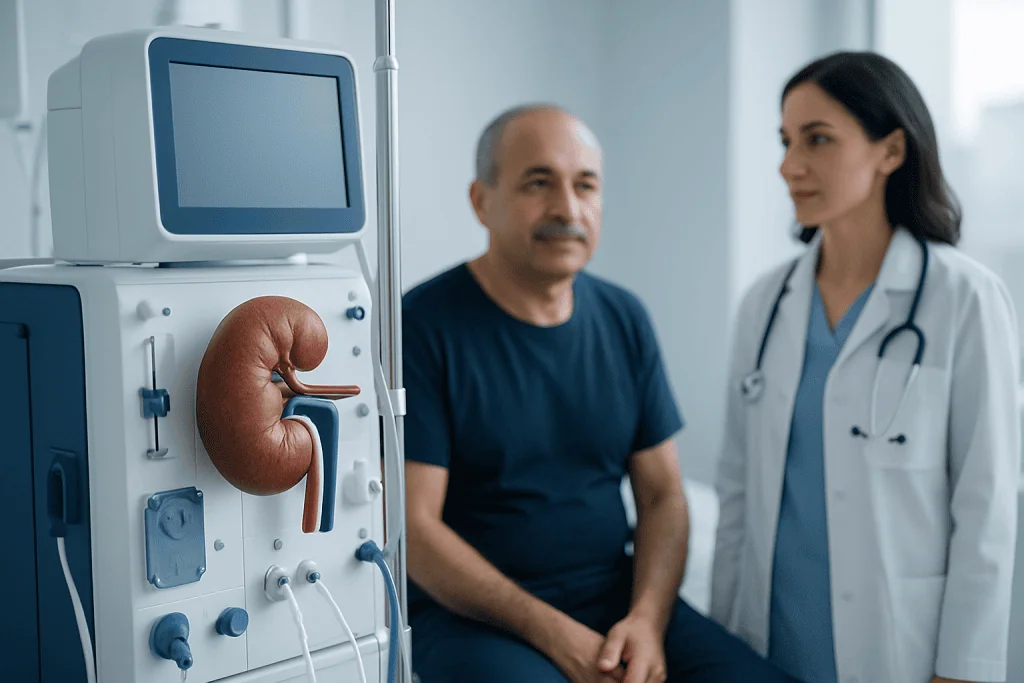
People with advanced kidney failure may be evaluated for a transplant if dialysis is no longer the best long-term option or if a transplant is expected to improve survival and daily functioning. Common reasons for kidney failure include diabetes, high blood pressure, inherited kidney disease, autoimmune conditions, and long-standing kidney damage from other causes. A person does not need to wait until they feel extremely unwell before discussing transplant evaluation.
Doctors look at overall health as well as kidney disease. They consider heart and lung function, infection risks, cancer history, weight, medication adherence, and emotional readiness for lifelong treatment. The goal is to make sure the surgery is safe and that the new kidney has the best possible chance to work well.
Some conditions may delay or prevent transplantation until they are better controlled. These can include active infections, uncontrolled cancer, severe heart disease, or difficulty following the treatment plan. In many cases, these issues do not automatically rule out transplant forever, but they do need careful management first.
For people comparing treatment options, transplant evaluation may happen alongside care for chronic kidney disease. The transplant team often works with nephrologists, surgeons, cardiologists, infectious disease specialists, and other experts to decide whether transplantation is the right path.
Donor Types and Compatibility

There are two main sources of donor kidneys: living donors and deceased donors. A living donor may be a relative, spouse, friend, or in some settings another approved donor who meets ethical and medical requirements. Living donor kidney transplant can offer advantages such as shorter waiting time and the ability to schedule surgery in a planned way.
Deceased donor transplantation depends on organ availability and legal allocation systems. Waiting times can vary, and organs must be matched and transported quickly. For both living and deceased donation, transplant centers follow strict protocols to protect donors and recipients and to ensure that the process is ethically sound.
Compatibility testing is a key part of preparation. Blood group matching, tissue typing, crossmatch testing, and screening for infections help doctors estimate the chance of rejection and choose the safest option. A donor being willing is not enough on its own; the donor must also be medically fit and psychologically prepared.
Patients should understand that donor safety is a priority. Living donors go through their own separate evaluation and must be free to make an informed decision without pressure. If donation is suitable, the donor surgery may be performed using robotic surgery or other minimally invasive approaches when appropriate, depending on the center and the donor’s anatomy.
Evaluation and Diagnosis Before Surgery
Before a kidney transplant, patients undergo a detailed medical workup. This typically includes blood tests, urine tests, imaging of the kidneys and urinary tract, heart evaluation, infection screening, and assessment of other organs. Doctors also review previous treatments, dialysis history, and the cause of kidney failure.
Imaging and specialist consultations help identify issues that could affect surgery or recovery. Some patients may need additional testing for blood vessels, bladder function, or hidden infections. If the kidneys have been damaged by another condition, doctors may also review related findings to make sure the transplant plan is safe and complete.
The team also evaluates practical readiness. This includes whether the patient can take medicines reliably, attend regular appointments, understand warning signs, and arrange caregiver support. For international patients, medical records from the home country are especially helpful, including dialysis summaries, medication lists, imaging reports, vaccination history, and previous biopsy results.
Depending on the person’s needs, the assessment may involve kidney transplantation planning together with urology, cardiology, endocrinology, and infectious disease care. This coordinated approach helps reduce avoidable risks before surgery and supports safer long-term outcomes.
The Surgery and Hospital Recovery
During kidney transplant surgery, the donor kidney is usually placed in the lower abdomen rather than in the original kidney position. In many cases, the patient’s own kidneys are left in place unless there is a specific reason to remove them, such as infection, severe enlargement, or uncontrolled symptoms. The donor kidney’s blood vessels are connected to the recipient’s blood vessels, and the ureter is connected to the bladder so urine can drain normally.
After surgery, the hospital team monitors urine output, blood pressure, kidney function, fluid balance, and signs of bleeding, clotting, or infection. Some transplanted kidneys start working quickly, while others may take a little time. If needed, temporary dialysis may still be required early after surgery until the new kidney begins functioning well.
Patients start anti-rejection medicines immediately. These medicines are essential because the immune system naturally recognizes the donor kidney as foreign. The transplant team explains how and when to take each medicine, what side effects to watch for, and why doses should never be missed without medical advice.
Hospital stay and early recovery vary from person to person. Many patients are encouraged to walk soon after surgery, gradually resume eating, and practice breathing exercises. Before discharge, the team usually reviews wound care, follow-up appointments, laboratory testing, infection precautions, and warning symptoms that need urgent attention.
Long-Term Treatment, Self-Care, and Follow-Up
Life after kidney transplant requires ongoing commitment. Anti-rejection medicines are taken for life, even when the patient feels well. Regular blood tests help check kidney function and medicine levels, while clinic visits allow doctors to watch for rejection, infection, high blood pressure, diabetes, bone health problems, and other long-term concerns.
Healthy daily habits support the transplanted kidney. Patients are usually advised to stay well hydrated as recommended by their doctor, limit excess salt, avoid smoking, maintain a healthy weight, and stay physically active within medical guidance. Food safety and infection prevention are also important, especially in the early months when immune suppression is strongest.
Some medicines, supplements, and over-the-counter pain relievers can harm the kidney or interact with transplant drugs. For that reason, patients should check with their transplant team before starting anything new. Vaccination planning should also be discussed with a doctor, since some vaccines may be recommended while others may not be suitable after transplant.
Long-term care may also include management of related conditions such as kidney failure complications that existed before transplant. When complex follow-up is needed, centers such as Acibadem International may provide multidisciplinary care in JCI-accredited hospitals for international patients undergoing transplant assessment and treatment.
Planning a Kidney Transplant Journey in Turkey
For international patients, planning involves more than the operation itself. Travel timing, visa arrangements, accommodation, translation support, financial planning, and the length of stay after surgery all need careful organization. Patients should also clarify who will provide follow-up once they return home and how test results will be shared between teams.
Bringing complete medical documentation can make evaluation more efficient. Useful records often include recent blood test results, dialysis reports, transplant evaluations already performed, medication lists, allergy information, imaging CDs or reports, and summaries from kidney specialists. Having a family member or trusted caregiver present may also help during discussions and recovery.
It is important to ask practical questions before choosing a center. Patients may want to understand the evaluation steps, donor assessment process, expected hospital course, infection precautions, follow-up schedule, and who to contact in an emergency. Clear communication matters as much as surgical expertise.
In some cases, the transplant pathway may include related urologic or vascular procedures, and broader planning around organ transplantation services can be helpful. The safest approach is always one that respects legal rules, ethical standards, donor welfare, and the patient’s long-term medical needs.
When to Seek Medical Advice
Anyone with advanced kidney disease should speak with a nephrologist early about whether transplant evaluation may be appropriate. Early referral can allow more time to optimize health, review donor options, and prepare emotionally and practically. It may also reduce the period a patient spends on dialysis before transplantation, depending on individual circumstances.
After a transplant, patients should contact a doctor promptly if they develop fever, chills, reduced urine output, pain over the transplant area, sudden swelling, shortness of breath, vomiting, diarrhea, or trouble taking medicines. These symptoms do not always mean rejection, but they do need prompt evaluation. Quick attention can help protect the new kidney.
Patients considering treatment abroad should also seek advice if they are unsure about eligibility, donor questions, travel safety, or continuity of care at home. A qualified transplant team can explain what is medically suitable and what steps should come first. Individual guidance is especially important because transplant decisions depend on the whole person, not only on kidney test results.
Frequently asked questions
Is kidney transplant better than dialysis?
For many suitable patients, a kidney transplant can offer more freedom, better energy, and improved quality of life compared with long-term dialysis. However, it is not the right choice for everyone, and it requires lifelong medicines and close follow-up. A nephrologist and transplant team can help compare the benefits and risks for the individual patient.
Can international patients receive a kidney transplant in Turkey?
International patients may be evaluated for kidney transplant in Turkey, but eligibility depends on medical findings, legal requirements, and donor suitability. Transplant centers must follow national laws and ethical rules regarding organ donation and transplantation. Patients should always confirm what documentation and approvals are needed before making travel plans.
How long does recovery take after a kidney transplant?
Early recovery usually begins in the hospital over days to a couple of weeks, but full recovery takes longer. Many people need several weeks to gradually regain strength and settle into a medication routine. Regular blood tests and clinic visits are especially important in the first months after surgery.
What are the risks after kidney transplant surgery?
Possible risks include infection, bleeding, blood clots, side effects of medicines, delayed kidney function, and rejection of the donor kidney. These risks are monitored closely with blood tests, examinations, and imaging when needed. Careful follow-up and taking medicines exactly as prescribed can help lower many complications.
How is a living donor checked for safety?
A living donor goes through a separate medical and psychological evaluation to make sure donation is as safe as possible. Doctors assess kidney function, general health, anatomy, infection status, and emotional readiness. Donation only proceeds if the donor is suitable and gives informed consent freely.
Will a transplanted kidney last forever?
A transplanted kidney may work well for many years, but it does not usually last forever. How long it lasts can vary based on donor type, compatibility, overall health, rejection episodes, and how consistently medicines are taken. Lifelong follow-up helps identify problems early and protect kidney function as long as possible.
References
- World Health Organization
- National Kidney Foundation
- Kidney Disease: Improving Global Outcomes
- American Society of Transplantation
- National Institute of Diabetes and Digestive and Kidney Diseases
This article is for general information only and is not a substitute for professional medical advice. Please consult a qualified doctor about your individual situation.
Kidney Transplant in Turkey — costs, top hospitals & a free quote
JCI-accredited · board-certified surgeons · reply within 24h
Add us as a Preferred Source to see more of our trusted health content across Google Search, AI Overviews and Discover.
Check your numbers in seconds
BMI, calories, due date, blood pressure and 30+ more clinical calculators — free, instant, doctor-reviewed ranges.

Organ Transplantation
Kidney, liver and bone-marrow transplantation programs with dedicated coordination.
4 specialists in this unit