Knee knock disease: A Complete Medical Guide for Patients
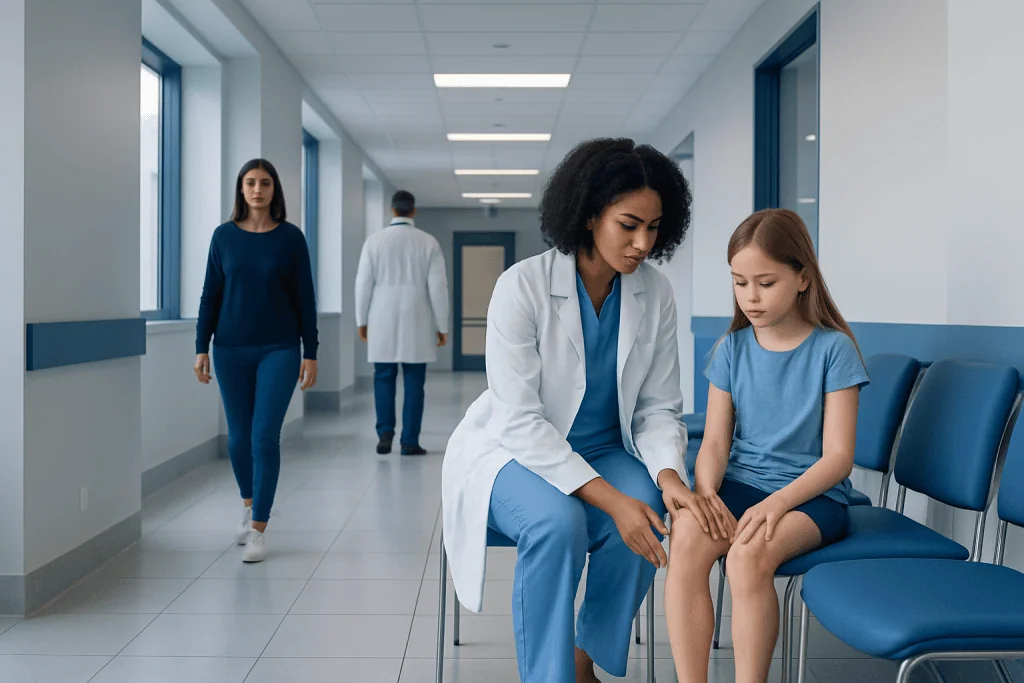
Knee knock disease is another name for knock knees, medically called genu valgum. Mild knock knees are common in early childhood and often improve naturally with growth.
Key Takeaways
- Knee knock disease is another name for knock knees, medically called genu valgum.
- Mild knock knees are common in early childhood and often improve naturally with growth.
- Medical review is important if the condition is severe, one-sided, painful, worsening, or still present later in childhood or adulthood.
- Evaluation may include a physical exam, gait assessment, and standing X-rays to measure alignment.
- Treatment depends on the cause and may range from observation and supportive care to surgery in selected cases.
Knee knock disease, also called knock knees or genu valgum, describes a leg alignment in which the knees angle inward and may touch while the ankles stay apart. It is often a normal stage of growth in young children, but persistent, severe, or symptomatic cases may need medical evaluation and treatment.
What Is Knee Knock Disease?
Knee knock disease refers to an inward angling of the legs in which the knees come closer together or touch while the ankles remain apart. Doctors usually call this genu valgum, and many people know it simply as knock knees. In children, this alignment can be part of normal development, especially during the preschool years, and often corrects itself over time.
The term can sound concerning, but knee knock disease is not always a disease in the sense of a dangerous illness. It is a description of how the legs are aligned. The key question is whether the alignment is within the expected range for age or whether it reflects an underlying bone, joint, growth, or metabolic problem.
In some people, knock knees are mild and cause no symptoms beyond cosmetic concern. In others, the altered alignment changes how body weight passes through the hips, knees, and ankles. Over time, that can contribute to discomfort, fatigue with walking, instability, or uneven wear in the knee joint.
Knee knock disease may be seen in children, teenagers, or adults. In adults, it is more likely to reflect long-standing alignment, joint degeneration, prior injury, or another structural issue. If knee alignment is linked to joint damage, a doctor may also assess for related problems such as knee pain.
How Knock Knees Affect the Body
The knees are meant to carry weight in a balanced way when standing and walking. When the legs angle inward, body weight may shift more toward the outer part of the knee or create extra stress across the joint. This does not always cause symptoms, but in more pronounced cases it can affect posture, walking pattern, and comfort during activity.
Some people with knee knock disease develop a gait in which the knees rub or the feet appear farther apart than expected. Others notice that shoes wear unevenly, balance feels less steady, or running becomes awkward. Children may tire more quickly than peers, while adults may describe chronic knee strain after standing or exercise.
Alignment changes can also influence nearby joints. The hips, ankles, and lower back sometimes compensate for the altered position of the legs. This is one reason a full assessment often looks beyond the knees alone and considers the entire lower-limb alignment, muscle strength, and walking mechanics.
Not every person with knock knees will develop joint damage. Still, if alignment is significant or progressive, orthopedic assessment can help clarify whether monitoring is enough or whether treatment may help protect joint function over time. In selected cases, doctors may also consider orthopedic evaluation and treatment as part of care planning.
Symptoms and Signs to Watch For
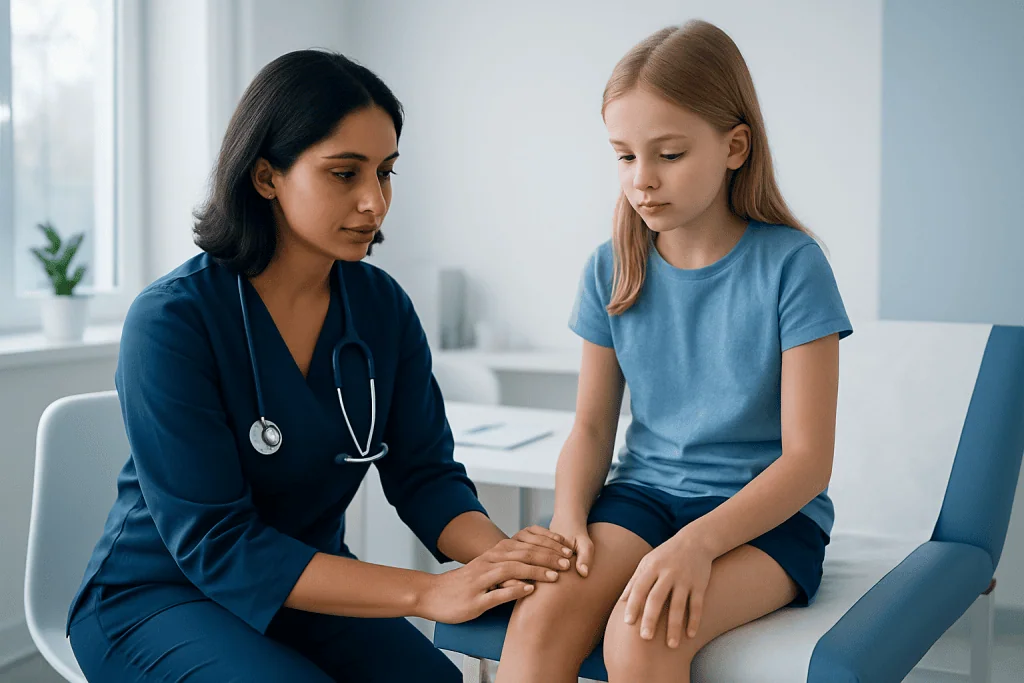
The most obvious sign of knee knock disease is the appearance of the legs: the knees move inward while the ankles stay apart when standing. In many children, this is noticed by parents during growth and may not be accompanied by any pain or limitation. Mild cases are often discovered simply by observation.
Symptoms are more important when they affect function. A person may have knee pain, especially after activity, frequent tripping, trouble running, or a feeling that the legs are not moving in a straight line. Some people notice stiffness, reduced endurance, or discomfort in the hips or ankles rather than the knees themselves.
Features that deserve closer medical attention include:
- Knock knees that are severe or worsening
- One leg appearing different from the other
- Pain, limping, or frequent falls
- Difficulty walking, running, or keeping up with normal activities
- Persistence beyond the usual age when childhood knock knees improve
- Associated short stature, bone pain, or signs of nutritional or metabolic illness
In adults, symptoms may include joint pain, swelling, and reduced mobility, especially if the alignment contributes to cartilage wear or arthritis. If there is ongoing pain or joint degeneration, assessment for underlying osteoarthritis may be appropriate.
Causes and Risk Factors
The cause of knee knock disease depends on age and the overall clinical picture. In young children, the most common cause is normal development. Many children pass through a period of physiologic genu valgum as the legs naturally change shape with growth. This usually improves without treatment.
When knock knees are more pronounced, persistent, or unusual, doctors look for other causes. These may include bone growth disorders, rickets related to vitamin D or mineral problems, previous injury to a growth plate, skeletal dysplasia, obesity, or joint conditions that affect alignment. Less commonly, infections or neurologic conditions can influence how the legs develop.
In adolescents and adults, knee knock disease may result from long-term alignment differences, prior fractures, ligament instability, or cartilage loss within the knee. Weight-bearing forces over many years can make the problem more noticeable. Some adults seek help because the alignment has become painful or because arthritis has started to limit activity.
Risk factors vary by cause but may include a family history of skeletal alignment differences, nutritional deficiency, rapid growth, obesity, previous trauma, and certain chronic illnesses. Because treatment depends on identifying the underlying reason, persistent or symptomatic knock knees should be assessed rather than assumed to be harmless.
How Doctors Diagnose Knee Knock Disease
Diagnosis begins with a careful history and physical examination. The doctor asks when the alignment was first noticed, whether it is getting better or worse, and whether there is pain, limping, tripping, or reduced activity. In children, growth history and developmental milestones are also important.
During the exam, the clinician observes standing posture, leg symmetry, knee position, ankle distance, hip rotation, and walking pattern. Measurements may be taken to estimate the degree of valgus alignment. The doctor will also check for signs that suggest another problem, such as unequal leg length, joint laxity, bone tenderness, or abnormal growth.
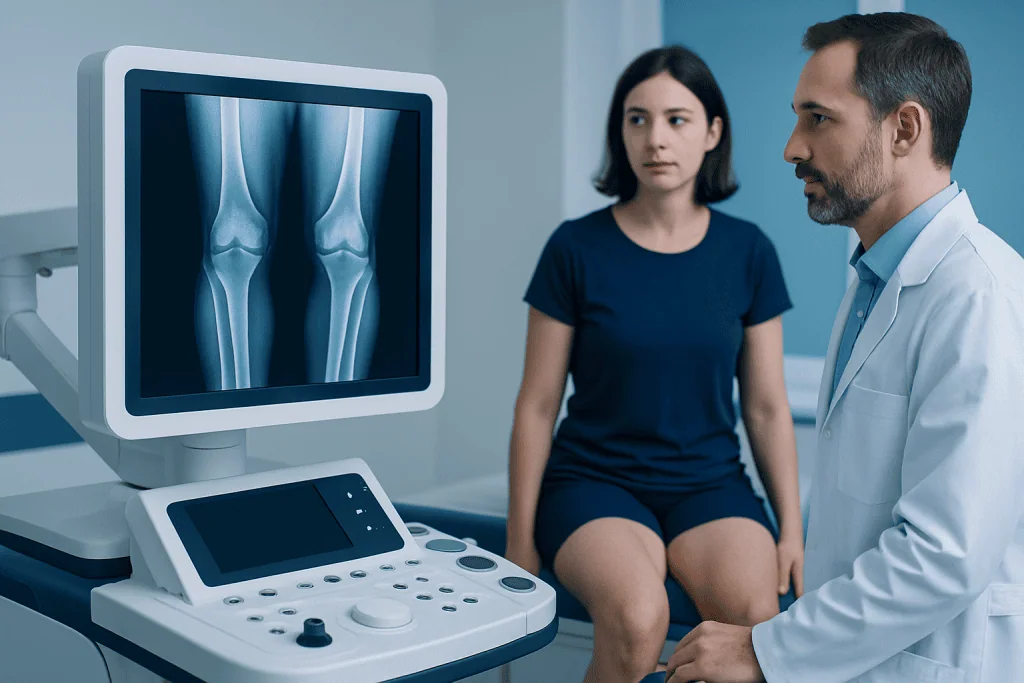
Imaging is not always needed for mild, age-appropriate cases in children. However, standing X-rays are often useful when the deformity is severe, asymmetrical, painful, or persistent. These images help show where the alignment change comes from and whether the femur, tibia, or knee joint is primarily involved. Blood tests may be ordered if a metabolic bone disorder such as vitamin D deficiency or rickets is suspected.
For patients with pain, instability, or concerns about joint surfaces, clinicians may also evaluate soft tissues and cartilage. In selected situations, further testing or consultation with specialists in pediatrics, endocrinology, rehabilitation, or orthopedics can help guide management. When surgery is being considered, advanced diagnostic imaging may be part of preoperative planning.
Treatment Options and What Recovery May Involve
Treatment for knee knock disease depends on age, severity, symptoms, and cause. Many young children with physiologic knock knees need only observation and periodic follow-up. Reassurance is often the most appropriate first step when the alignment fits a normal growth pattern and the child has no pain or functional problems.
If an underlying condition is present, treating that cause becomes the priority. For example, correcting vitamin D deficiency, improving nutrition, or managing a bone or hormonal disorder may help support healthier growth. Supportive measures such as weight management, physical therapy, and exercises to improve strength, balance, and walking mechanics may also reduce strain on the knees, although exercise alone does not usually change bone alignment significantly.
Surgery is considered when the deformity is significant, persists beyond expected growth correction, causes symptoms, or threatens long-term joint function. In growing children, guided growth procedures may help redirect bone growth gradually. In adolescents or adults with more established deformity, osteotomy may be used to realign the leg. If severe joint damage is present in adults, options may overlap with knee replacement planning in selected cases.
Recovery depends on the treatment chosen. Observation involves regular reassessment. Physical therapy focuses on mobility, muscle support, and movement quality. After surgery, follow-up imaging, rehabilitation, and temporary activity restrictions are usually part of care. Near the end of the care pathway, some international patients choose centers such as Acibadem International, where multidisciplinary specialists in JCI-accredited hospitals diagnose and treat lower-limb alignment conditions.
Daily Management, Prevention, and When to Seek Medical Care
There is no single way to prevent all cases of knee knock disease because many are related to normal growth or structural factors that cannot be fully controlled. Still, supporting bone and joint health is helpful. Children benefit from a balanced diet, enough vitamin D and calcium, regular physical activity, and routine pediatric visits. Adults may reduce stress on the knees by maintaining a healthy weight, staying active, and addressing pain or instability early.
At home, practical self-care may include choosing supportive footwear, avoiding activities that trigger pain, and following a clinician-guided exercise plan if one is recommended. Parents should avoid trying unproven braces, forceful positioning, or internet remedies without medical advice. If concerns relate mainly to appearance, it is still reasonable to ask a doctor whether the alignment falls within the normal range for age.
Medical care should be sought if knock knees are severe, one-sided, getting worse, associated with pain, limping, frequent falls, or reduced participation in normal activities. Evaluation is also important if the condition persists beyond early childhood, starts after an injury, or appears together with short stature, bone pain, or signs of nutritional deficiency. Adults should seek review for persistent knee pain, swelling, or progressive deformity.
Prompt assessment can clarify whether the condition simply needs monitoring or whether treatment could improve comfort and joint protection. For people whose symptoms include functional limitation or chronic pain, referral for physical therapy and rehabilitation or orthopedic assessment may form part of a personalized plan.
Frequently asked questions
Is knee knock disease normal in children?
Yes, mild knock knees are often a normal stage of growth in young children. In many cases, the alignment improves naturally as the child gets older. A doctor should assess it if it is severe, uneven, painful, or persists later than expected.
What is the medical name for knee knock disease?
The medical term is genu valgum. It describes a position in which the knees angle inward while the ankles remain farther apart. Doctors may use the terms genu valgum and knock knees interchangeably.
Can adults have knee knock disease?
Yes, adults can have knock knees. In adults, it may reflect a long-standing alignment pattern, previous injury, or joint wear such as arthritis. If it causes pain or affects walking, medical evaluation is recommended.
Do exercises fix knock knees?
Exercises can improve strength, balance, and movement patterns, which may reduce discomfort and support better function. However, exercise alone usually does not correct a true bone alignment problem. The best approach depends on the person's age, severity, and underlying cause.
When is surgery needed for knock knees?
Surgery is usually reserved for significant cases that do not improve, cause pain, affect function, or threaten long-term joint health. The type of surgery depends on whether the patient is still growing and where the deformity is located. An orthopedic specialist can explain the expected benefits and recovery.
How is knee knock disease diagnosed?
Doctors diagnose it through a physical examination, observation of walking, and measurements of leg alignment. Standing X-rays may be used when the condition is severe, asymmetrical, painful, or persistent. Additional tests may be needed if a metabolic or growth-related cause is suspected.
References
- American Academy of Orthopaedic Surgeons
- American Academy of Pediatrics
- National Institute of Arthritis and Musculoskeletal and Skin Diseases
- MedlinePlus
- National Health Service
This article is for general information only and is not a substitute for professional medical advice. Please consult a qualified doctor about your individual situation.
Joint and spine care in Turkey — expert assessment & treatment
JCI-accredited · board-certified surgeons · reply within 24h
Add us as a Preferred Source to see more of our trusted health content across Google Search, AI Overviews and Discover.

More from the Health Library


Related Specialists

Gülçin Selen Akgün
Physical Medicine & Rehabilitation
Dr. Gizem Kaplan
Gynecology & Obstetrics
Dr. Türker Egesel
Gastroenterology
Prof. Dr. Serdar Beken
Neonatal Intensive Care Unit