Lacunar Stroke: An Evidence-Based Guide for Patients

Lacunar stroke happens when a tiny deep brain artery becomes blocked. Symptoms can be sudden and may include weakness, numbness, clumsiness, or speech difficulty.
Key Takeaways
- Lacunar stroke happens when a tiny deep brain artery becomes blocked.
- Symptoms can be sudden and may include weakness, numbness, clumsiness, or speech difficulty.
- High blood pressure is the most important long-term risk factor.
- Brain imaging and a medical exam help confirm the diagnosis and rule out other stroke types.
- Treatment focuses on urgent stroke care, preventing another stroke, and rehabilitation when needed.
A lacunar stroke is a type of ischemic stroke that affects the small arteries deep inside the brain. Although the area of damage is often small, it still needs urgent medical care because early treatment can reduce complications and improve recovery.
Overview: what a lacunar stroke means
A lacunar stroke is a type of ischemic stroke caused by blockage of one of the brain’s small penetrating arteries. These tiny vessels supply deep brain structures that help control movement, sensation, coordination, and other essential functions. Because the affected area is often small, a lacunar stroke may look different from a large-vessel stroke, but it is still a true stroke and should be treated as a medical emergency.
In many patients, lacunar stroke is linked to long-term changes in the walls of small blood vessels, often related to high blood pressure, diabetes, aging, and smoking. Doctors may also use the term “lacunar infarct” to describe the small area of brain tissue injury left behind by the blocked vessel. This type of stroke is closely related to stroke in general, but it has its own patterns of symptoms, causes, and recovery considerations.
An important point for patients and families is that “small” does not mean harmless. Even a deep, small stroke can affect walking, hand use, speech clarity, balance, or thinking. Prompt evaluation helps doctors confirm the diagnosis, start appropriate treatment, and reduce the risk of another stroke.
Symptoms and how it may present
Lacunar stroke symptoms usually begin suddenly. The exact pattern depends on which deep brain pathway has been affected. Some people notice weakness on one side of the body, while others develop numbness, clumsiness of a hand, facial drooping, slurred speech, or difficulty walking. Symptoms may be mild at first, but they should never be ignored.
Unlike some larger strokes, lacunar strokes may not always cause dramatic changes such as severe confusion, visual field loss, or loss of consciousness. Instead, they can present with more focused problems. Common clinical patterns include pure motor weakness, pure sensory loss, or a combination of weakness and coordination trouble affecting one side of the body.
Examples of symptoms that may occur include:
- Sudden weakness of the face, arm, or leg, especially on one side
- Sudden numbness or reduced feeling on one side
- Slurred speech or difficulty speaking clearly
- Clumsy hand movements or poor coordination
- Unsteady walking or balance problems
- Sudden difficulty performing routine tasks
Because stroke symptoms can overlap with other neurological conditions, self-diagnosis is not reliable. Any sudden neurological change should be assessed urgently. If symptoms are temporary and then improve, the episode may still represent a transient ischemic attack or an evolving stroke, and medical evaluation is still needed.
Causes and risk factors

The immediate cause of a lacunar stroke is blockage of a small artery deep in the brain. In many cases, the vessel has been damaged gradually over time by chronic high blood pressure. This can lead to thickening and narrowing of the vessel wall, reducing blood flow until a blockage occurs. Diabetes can contribute to similar small-vessel damage.
Other vascular risk factors may also increase the chance of lacunar stroke. These include high cholesterol, smoking, obesity, physical inactivity, chronic kidney disease, older age, and a history of cardiovascular disease. Some patients have more than one of these factors, which raises overall stroke risk.
While lacunar strokes are most commonly associated with small vessel disease, doctors still evaluate for other possible causes of ischemic stroke when appropriate. For example, heart rhythm problems such as atrial fibrillation, disease in larger neck or brain arteries, or less common blood vessel disorders may need to be considered depending on the patient’s age, symptoms, imaging results, and medical history.
Risk often rises when vascular conditions are not well controlled over time. For this reason, long-term prevention matters just as much as emergency treatment. A careful review of blood pressure, blood sugar, cholesterol, smoking status, sleep, exercise, and medicines is a central part of stroke care.
How doctors diagnose lacunar stroke
Diagnosis begins with a medical history and neurological examination. Doctors ask when symptoms started, whether they were sudden, and whether they are improving or worsening. A focused exam checks strength, sensation, speech, coordination, eye movements, and walking. Because treatment decisions can depend on timing, noting the exact time the person was last known well is very important.
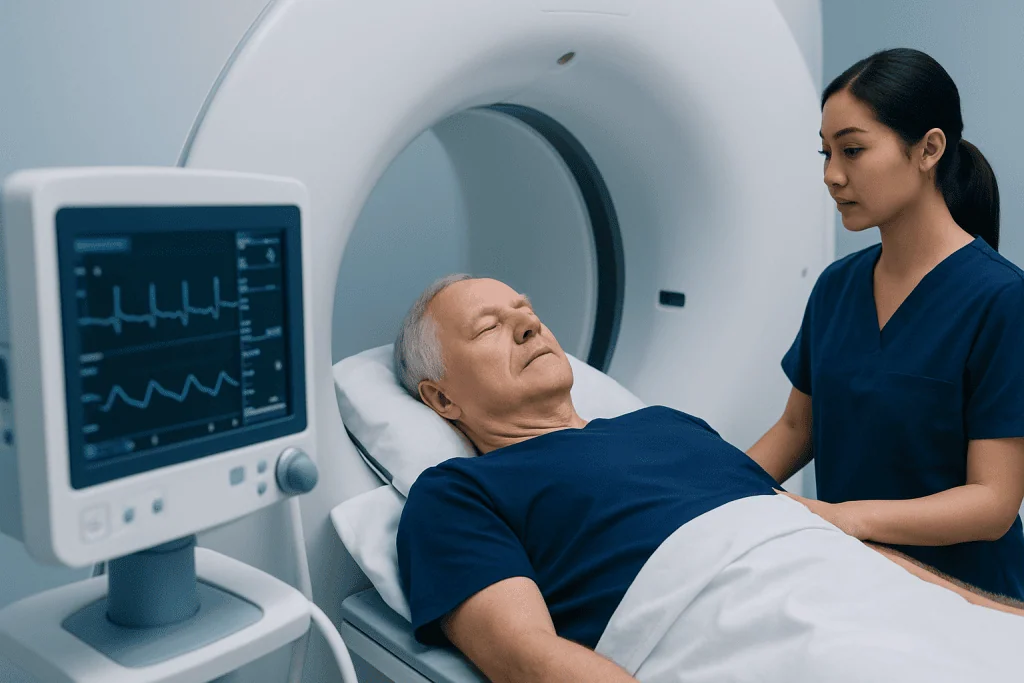
Brain imaging is essential. A head CT scan is often the first test in emergency settings because it helps rule out bleeding quickly. An MRI, especially diffusion-weighted imaging, is often more sensitive for detecting a small deep ischemic stroke and may better show a lacunar infarct. Some patients also need vascular imaging of the brain or neck and heart-related tests to look for stroke sources.
Blood tests can help identify contributing factors such as abnormal glucose levels, cholesterol problems, infection, or clotting issues. Doctors may also assess blood pressure patterns and, when indicated, perform an electrocardiogram or heart rhythm monitoring. These tests help distinguish a likely small-vessel lacunar stroke from other causes that may require different preventive treatment.
If symptoms suggest a more complex stroke picture, specialist assessment in neurology care or a dedicated stroke service may be recommended. Accurate diagnosis guides both urgent treatment and the plan to prevent recurrence.
Treatment and recovery planning
Treatment for lacunar stroke starts with emergency stroke evaluation. If a person arrives within the appropriate time window and meets safety criteria, clot-dissolving treatment may be considered for ischemic stroke. In some cases, additional hospital care is needed to monitor swallowing, blood pressure, heart rhythm, blood sugar, and any early complications. The treatment plan depends on timing, imaging findings, symptom severity, and the person’s overall health.
After the immediate phase, care usually focuses on preventing another stroke. This may include antiplatelet medication, cholesterol-lowering therapy, and close control of blood pressure and diabetes when present. The best treatment strategy varies by individual, so medication decisions should always be made by the treating physician rather than assumed from general information online.
Recovery from lacunar stroke can be good, especially when symptoms are recognized quickly and rehabilitation starts early. However, some patients continue to have weakness, balance problems, reduced dexterity, fatigue, or subtle thinking changes. Structured rehabilitation may involve physical therapy and rehabilitation to improve walking, strength, coordination, and daily function, as well as speech or occupational therapy when needed.
In centers with multidisciplinary stroke expertise, patients may also be assessed for related neurological conditions and longer-term vascular prevention. Acibadem International’s multidisciplinary specialists and JCI-accredited hospitals diagnose and treat stroke for international patients, including follow-up rehabilitation and risk-factor management.
Prevention and self-care after lacunar stroke
Preventing a second stroke is one of the most important goals after a lacunar stroke. For many patients, the single most effective long-term step is careful blood pressure control. Taking prescribed medicines consistently, attending follow-up appointments, and checking blood pressure as advised can make a meaningful difference.
Healthy daily habits also support recovery and prevention. These include stopping smoking, limiting alcohol if advised, following a balanced eating pattern, staying physically active within the limits recommended by a doctor, maintaining a healthy weight, and managing diabetes or cholesterol. Good sleep and treatment of sleep-related breathing problems, when present, may also help vascular health.
Self-care after stroke should also include attention to emotional and cognitive recovery. Some people feel anxious, low in mood, mentally slower, or easily fatigued after a stroke, even when the physical effects seem limited. Discussing these changes with a doctor is worthwhile because support, rehabilitation, and practical strategies can help.
Patients who have had a lacunar stroke may also be told they have cerebral small vessel disease or be evaluated for related neurological findings over time. In selected situations, further assessment in a brain and nerve check-up can help organize follow-up and prevention planning.
When to seek medical care
Urgent medical care is needed for any possible stroke symptom, even if it lasts only a few minutes or seems mild. Sudden one-sided weakness, numbness, facial drooping, trouble speaking, severe imbalance, or sudden unexplained neurological change should be treated as an emergency. Calling emergency services right away is safer than waiting to see whether symptoms pass.
Medical review is also important after discharge if new symptoms appear, medicines cause side effects, blood pressure remains high, or recovery is not progressing as expected. Follow-up appointments help adjust treatment, review risk factors, and connect patients with rehabilitation or specialist care.
Non-urgent concerns still deserve attention. A person who has had a lacunar stroke should speak with a qualified doctor about driving, returning to work, exercise, travel, and the warning signs of recurrence. If swallowing, speech, mood, or memory changes develop, further evaluation may be helpful.
Frequently asked questions
Is a lacunar stroke a real stroke even though it is small?
Yes. A lacunar stroke is a true ischemic stroke caused by blockage of a small artery deep in the brain. Even when the injured area is small, it can still affect movement, sensation, speech, balance, or thinking and needs prompt medical care.
Can lacunar stroke symptoms go away on their own?
Some symptoms may improve quickly, but this does not make the event safe to ignore. Temporary improvement can occur with a transient ischemic attack or an evolving stroke, and both require urgent evaluation because early treatment may reduce future harm.
What is the main cause of lacunar stroke?
The most common underlying cause is long-term damage to small brain arteries, especially from high blood pressure. Diabetes and other vascular risk factors can also contribute to narrowing or blockage of these tiny vessels.
How is a lacunar stroke different from other strokes?
Lacunar strokes affect small deep arteries rather than larger vessels. They often cause more focused symptoms, such as one-sided weakness or numbness, without some of the broader signs seen in larger strokes, but the diagnosis still requires urgent medical assessment.
Can people recover well after a lacunar stroke?
Many people make a meaningful recovery, particularly when treatment begins early and risk factors are managed carefully afterward. Recovery depends on the location of the stroke, symptom severity, overall health, and access to rehabilitation when needed.
What helps prevent another lacunar stroke?
Controlling blood pressure is especially important. Doctors may also recommend medicines to reduce clotting risk or lower cholesterol, along with lifestyle changes such as stopping smoking, eating well, staying active, and managing diabetes.
References
- American Heart Association
- American Stroke Association
- National Institute of Neurological Disorders and Stroke
- Centers for Disease Control and Prevention
- World Stroke Organization
This article is for general information only and is not a substitute for professional medical advice. Please consult a qualified doctor about your individual situation.
Explore treatments in Turkey — costs, top hospitals & a free quote
JCI-accredited · board-certified surgeons · reply within 24h
Add us as a Preferred Source to see more of our trusted health content across Google Search, AI Overviews and Discover.
Check your numbers in seconds
BMI, calories, due date, blood pressure and 30+ more clinical calculators — free, instant, doctor-reviewed ranges.