Laser Light in Eye: How It Works, Results and What to Expect
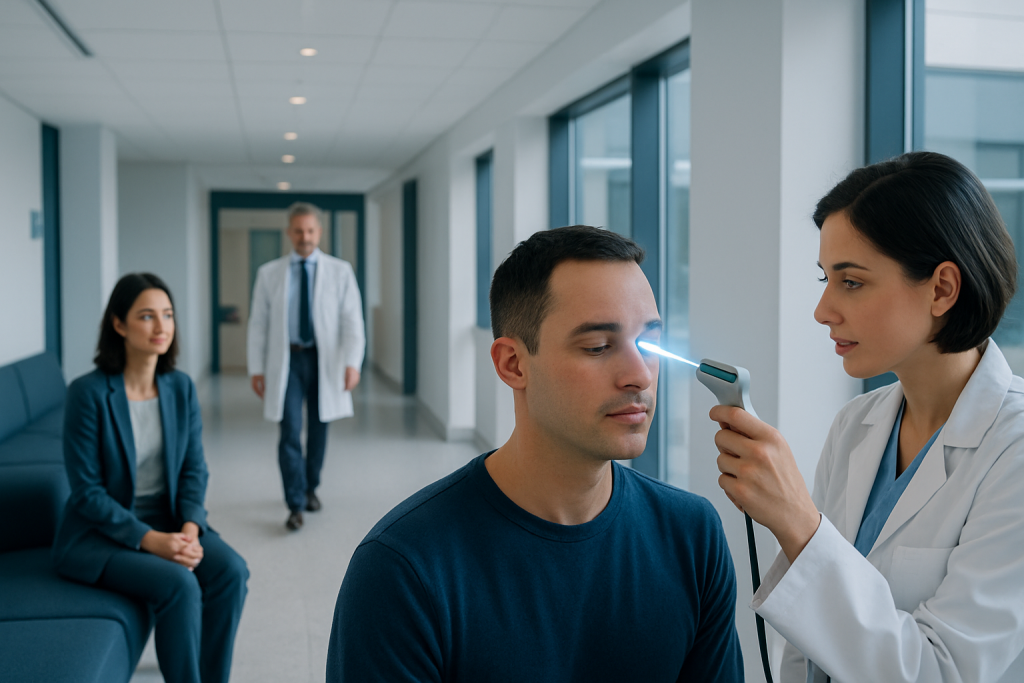
Laser eye surgery uses precisely calibrated light to reshape the cornea and reduce dependence on glasses or contact lenses. LASIK, PRK and SMILE are different procedures, and the best option depends on corneal health, prescription and lifestyle.
Key Takeaways
- Laser eye surgery uses precisely calibrated light to reshape the cornea and reduce dependence on glasses or contact lenses.
- LASIK, PRK and SMILE are different procedures, and the best option depends on corneal health, prescription and lifestyle.
- Most people recover useful vision quickly, but final visual stability and surface healing can take weeks to months.
- Dry eyes, glare and halos are common temporary effects; serious complications are uncommon but possible.
- Accidental laser light exposure with new blurred vision, a blind spot or flashes should be evaluated urgently.
Laser light in eye procedures usually refer to carefully controlled laser eye surgery, which reshapes the cornea to improve vision in suitable people. A medical laser is very different from accidental laser light exposure, which may injure the retina and needs prompt assessment if symptoms occur.
Overview: What Does Laser Light in Eye Mean?
Laser light in eye can describe two very different situations. In laser eye surgery, an ophthalmologist uses a highly controlled medical laser to reshape the clear front surface of the eye, called the cornea, so that light focuses more accurately on the retina. This may reduce reliance on glasses or contact lenses for nearsightedness, farsightedness or astigmatism.
In contrast, accidental laser light exposure may occur from a laser pointer, industrial equipment, entertainment device or other source. A powerful beam can cause laser light in eye damage, particularly if it reaches the retina at the back of the eye. The appropriate response depends on the type of exposure, its intensity and whether visual symptoms are present.
Laser eye surgery is elective and begins with a detailed eye assessment. It is not the same as laser light eye therapy, a broad phrase sometimes used for therapeutic laser treatments for certain retinal conditions. Each laser procedure has a distinct purpose, and an eye specialist can explain whether any treatment is appropriate.
How Laser Eye Surgery Works
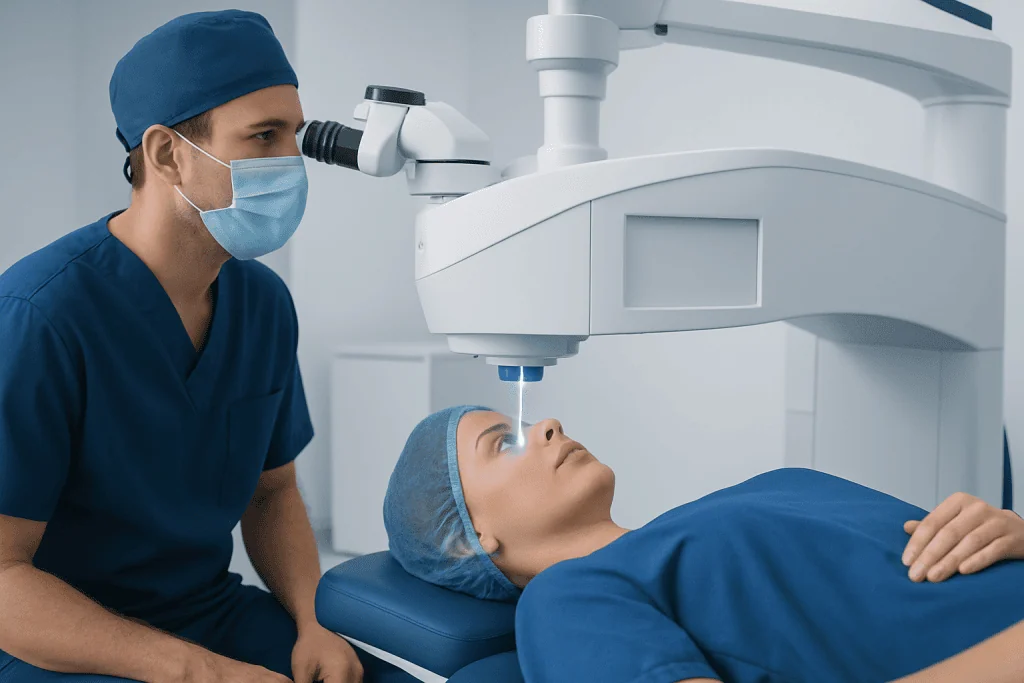
The cornea contributes much of the eye’s focusing power. When its curve does not match the length and optics of the eye, light may focus in front of, behind or unevenly on the retina. This produces refractive errors such as myopia, hyperopia and astigmatism. Excimer lasers remove microscopic amounts of corneal tissue, while femtosecond lasers can create precise corneal layers or small incisions.
In LASIK, a thin corneal flap is created, tissue beneath it is reshaped with an excimer laser, and the flap is repositioned. In PRK, the surface cell layer is removed before laser reshaping; it regrows during healing. SMILE uses a femtosecond laser to create a small lens-shaped piece of tissue within the cornea, which is removed through a small incision.
The aim is clearer uncorrected distance vision, but outcomes vary with the starting prescription, age, healing response and eye health. Laser surgery does not prevent normal age-related changes such as presbyopia, which can make near tasks more difficult from the 40s onward. Some people may still need reading glasses or occasional distance correction.
Who May Be a Candidate for Laser Eye Surgery?
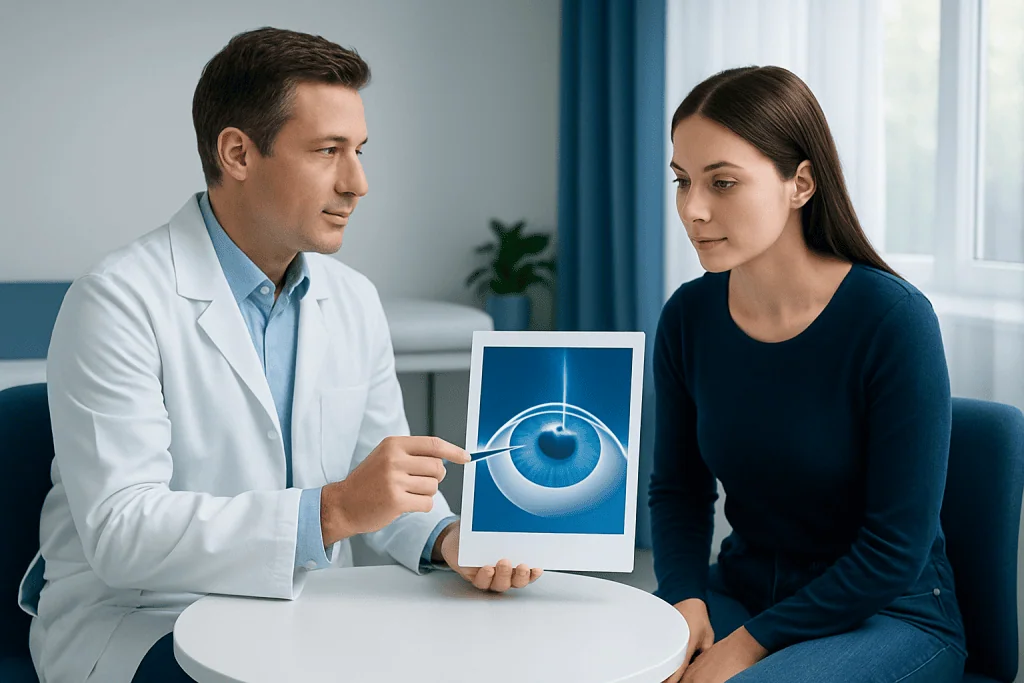
Suitable candidates are usually adults with a stable glasses or contact lens prescription, healthy corneas and realistic expectations. Before treatment, an ophthalmologist measures refraction, corneal thickness and shape, pupil size, tear production and overall eye health. Contact lens use may need to be paused before testing because lenses can temporarily alter corneal measurements.
Laser eye surgery may not be recommended for everyone. Reasons to defer or avoid treatment can include an unstable prescription, significant dry eye disease, very thin or irregular corneas, keratoconus, uncontrolled diabetes, certain autoimmune conditions, active eye infection, cataracts or glaucoma that requires specific management. Pregnancy and breastfeeding can also cause temporary vision changes, so assessment is commonly postponed.
People with corneal irregularity need especially careful evaluation because reshaping an already weakened cornea may not be safe. An ophthalmologist may discuss alternatives, including glasses, contact lenses, implantable lenses, or treatment for the underlying condition. Evaluation for keratoconus is important when corneal scans suggest this possibility.
What Happens During a Laser Eye Procedure?
On the day of surgery, the care team confirms measurements and reviews the plan. Numbing eye drops are used, so the procedure should not be painful, although a person may feel pressure or notice lights and sounds. A device gently holds the eyelids open, and the laser tracks eye movement for accurate treatment.
The active laser treatment is brief, but the full visit is longer because of preparation and post-procedure checks. The exact steps depend on whether LASIK, PRK or SMILE is selected. Afterward, vision may be hazy at first, and the eye can feel watery, gritty or sensitive to light.
Patients generally need someone else to take them home and should avoid rubbing their eyes. The ophthalmology team provides written aftercare instructions, prescribed drops where appropriate and follow-up appointments. Anyone considering refractive correction can discuss laser eye surgery options after a comprehensive eye examination.
How Long Does It Take to Recover From a Laser Eye Procedure?
Recovery differs by procedure and individual healing. After LASIK or SMILE, many people notice functional vision within a day or two, though fluctuations in sharpness, glare and dryness can continue for several weeks. Work and driving may be possible soon after treatment only when the surgeon confirms that vision meets the required standard.
PRK has a slower early recovery because the corneal surface must heal. Discomfort, light sensitivity and blurred vision are more common during the first few days, and useful vision often returns gradually over days to weeks. Fine visual changes can continue for several months after any corneal laser procedure.
During recovery, patients should use eye drops exactly as directed, attend follow-up visits and avoid eye rubbing. Swimming, hot tubs, dusty environments, eye makeup and contact sports may need to be avoided temporarily. Protective eyewear may be advised for sleep or sport during the early healing period.
What Is the Downside of Laser Eye Surgery?
The main downside of laser eye surgery is that it is a permanent change to corneal tissue, even though further correction may sometimes be possible. Not everyone achieves complete freedom from glasses, and some people need spectacles for reading, night driving or particular activities. A small residual prescription or later age-related visual change may also lead to consideration of enhancement treatment.
Temporary dry eye symptoms, fluctuating vision, glare, halos and starbursts around lights are among the more common effects, especially in low-light settings. These often improve as the eye heals, but in some people they can persist. PRK has a longer recovery period than LASIK, while LASIK has flap-related considerations that do not apply to surface procedures or SMILE.
Less common but potentially serious complications include infection, inflammation, delayed healing, corneal haze after PRK, irregular corneal shape, loss of best-corrected vision or problems related to the flap. Careful screening, experienced surgical care and follow-up reduce risk but cannot eliminate it. A balanced consent discussion should cover the likely benefits, alternatives and individual risk factors.
What Is the Fail Rate of Laser Eye Surgery?
There is no single fail rate for laser eye surgery because “failure” can mean different things: not reaching a desired prescription result, needing glasses for some activities, requiring an enhancement, developing a complication or being dissatisfied with visual quality. Results depend on the procedure used, the degree of refractive error, corneal characteristics and how the eye heals.
Modern laser procedures are designed to provide predictable outcomes for carefully selected patients, but no refractive surgery can promise perfect vision. Some people remain mildly short-sighted, far-sighted or astigmatic after treatment, while others may experience a later shift in prescription. An enhancement may be considered only after the eye has healed and measurements are stable.
Asking the surgeon about results in people with similar prescriptions and eye measurements can be more useful than relying on a single general percentage. The consultation should also explain what the team considers a successful outcome and what follow-up or further treatment may be considered if the result is not as expected.
Is It Worth Getting Eye Laser Surgery and When to Seek Medical Care?
Whether eye laser surgery is worth it is personal. It may be valuable for someone who is an appropriate candidate, wants less dependence on glasses or contact lenses and accepts the possibility of side effects or ongoing need for visual correction. Others may prefer glasses or contact lenses because they are non-surgical and easily adjustable as vision changes.
Urgent eye assessment is appropriate after laser eye exposure if there is reduced or distorted vision, a new central blur or blind spot, flashes, persistent afterimages, pain, marked light sensitivity or a sudden change in color vision. Laser eye exposure symptoms can occasionally be delayed, so a person should not assume that a painless exposure was harmless, especially after exposure to a high-powered or unknown laser.
After planned surgery, patients should contact their eye team promptly for worsening pain, increasing redness, discharge, a sudden drop in vision, injury to the eye or symptoms that are more severe than expected. Acibadem International’s multidisciplinary specialists and JCI-accredited hospitals assess and treat eye conditions for international patients, including people seeking individualized refractive surgery evaluation.
Frequently asked questions
Can laser light in the eye cause permanent damage?
Accidental exposure to a sufficiently powerful laser can damage the retina and may cause lasting visual changes. The risk depends on the laser type, power, distance, duration of exposure and whether the beam entered the eye directly. New vision changes after exposure should be assessed urgently by an eye professional.
Is laser eye surgery painful?
Numbing drops are used, so most people do not feel pain during the procedure. They may notice pressure, bright lights or temporary discomfort. Burning, tearing, grittiness and light sensitivity are more likely after surgery, particularly during the first days after PRK.
How long does laser eye surgery take?
The laser portion is usually very brief, while preparation, safety checks and recovery instructions make the appointment longer. The exact timing varies by procedure and whether one or both eyes are treated. The surgeon can provide a realistic schedule during the preoperative visit.
Can vision get worse after laser eye surgery?
Vision can fluctuate during healing, and temporary blurring is expected in the early recovery period. In uncommon cases, complications or an unexpected healing response can affect visual quality or best-corrected vision. Prompt follow-up for concerning symptoms helps identify problems early.
Will reading glasses still be needed after laser eye surgery?
Many people develop presbyopia with age, regardless of whether they have had laser eye surgery. This normal change reduces near focusing ability and commonly leads to a need for reading glasses in midlife. Some treatment plans may use monovision, but this is not suitable for everyone.
What should someone do after accidental laser eye exposure?
They should stop exposure immediately and avoid looking into the laser again. If there is blurred vision, a spot in vision, distortion, flashes, persistent afterimages or any concern about a high-powered laser, urgent eye assessment is recommended. It is helpful to share information about the source of the laser if it is available.
References
- American Academy of Ophthalmology
- U.S. Food and Drug Administration
- National Eye Institute
- Royal College of Ophthalmologists
This article is for general information only and is not a substitute for professional medical advice. Please consult a qualified doctor about your individual situation.
Explore treatments in Turkey — costs, top hospitals & a free quote
JCI-accredited · board-certified surgeons · reply within 24h
Add us as a Preferred Source to see more of our trusted health content across Google Search, AI Overviews and Discover.