Leaking intestines symptoms: A Complete Medical Guide for Patients

“Leaking intestines” usually refers to increased intestinal permeability, not a single disease. Commonly reported symptoms include bloating, gas, abdominal discomfort, diarrhea, and food-related digestive complaints.
Key Takeaways
- “Leaking intestines” usually refers to increased intestinal permeability, not a single disease.
- Commonly reported symptoms include bloating, gas, abdominal discomfort, diarrhea, and food-related digestive complaints.
- These symptoms overlap with many conditions, so self-diagnosis is not reliable.
- Evaluation may include a medical history, physical exam, blood or stool tests, and sometimes endoscopy.
- Treatment focuses on the underlying cause, such as infection, inflammation, medication effects, or another digestive condition.
- Prompt medical review is important if symptoms are persistent, severe, or accompanied by weight loss, bleeding, or fever.
Leaking intestines symptoms is a common search term, but the symptoms people associate with it—such as bloating, diarrhea, abdominal discomfort, and food-related symptoms—are not specific to one diagnosis. In medical care, these concerns are assessed in the broader context of intestinal barrier function, digestive disorders, diet, medications, and overall health.
Overview: what “leaking intestines” means
Leaking intestines symptoms usually refers to problems that people believe are linked to a “leaky gut.” In medical terms, this idea relates to intestinal permeability, or how easily substances pass through the lining of the intestines. The intestinal barrier normally allows nutrients and fluids to be absorbed while helping keep harmful microbes, toxins, and large particles from entering the bloodstream.
When this barrier is altered, permeability may increase. Researchers study this process in several digestive and inflammatory conditions, but it is important to know that “leaky gut” is not a stand-alone diagnosis used to explain every digestive complaint. Many symptoms commonly attributed to it are shared by common conditions such as irritable bowel syndrome, food intolerance, infection, medication side effects, and inflammatory bowel disease.
For patients, the practical question is not only whether the gut barrier may be affected, but why symptoms are happening. A careful medical assessment helps distinguish temporary irritation from a more specific digestive disorder that may need treatment.
Possible symptoms patients may notice
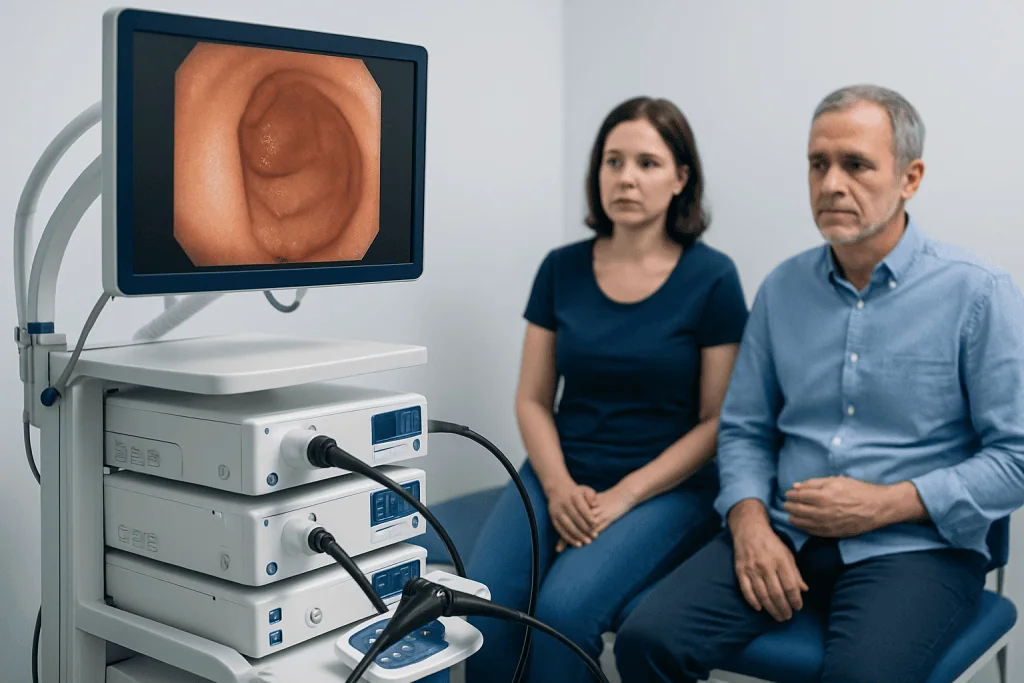
There is no single symptom that proves a person has increased intestinal permeability. Instead, people often report a cluster of digestive complaints. These may come and go, may be linked to meals, or may occur during periods of stress, illness, or changes in routine.
Symptoms that may be discussed in connection with leaking intestines include:
- Bloating or abdominal fullness
- Excess gas
- Abdominal pain or cramping
- Diarrhea or loose stools
- Constipation in some cases
- Food-related digestive discomfort
- Nausea or a sense of indigestion
- Fatigue that accompanies ongoing digestive symptoms
Some people also describe symptoms outside the digestive system, such as feeling generally unwell, changes in appetite, or skin flare-ups. However, these are even less specific and can be related to many other causes. Because symptoms overlap so widely, it is safer to think of leaking intestines symptoms as a starting point for evaluation rather than a final answer.
If abdominal pain, altered bowel habits, and bloating are persistent, a doctor may consider whether the pattern fits a recognized condition such as irritable bowel syndrome or another gastrointestinal disorder.
What can affect the intestinal barrier

The intestinal lining is influenced by many factors, including diet, infections, inflammation, medications, and the balance of bacteria in the gut. Short-term changes in gut function can happen during acute illness, after antibiotic use, or with a gastrointestinal infection. In some people, the barrier may also be affected by chronic inflammatory conditions.
Several medical issues are known to be associated with abnormal intestinal permeability or irritation of the gut lining. These include celiac disease, inflammatory bowel disease, chronic infections, and some autoimmune or metabolic disorders. Certain medicines, especially frequent use of nonsteroidal anti-inflammatory drugs, may irritate the digestive tract in some individuals.
Lifestyle factors can also contribute to digestive symptoms, even when they are not the main cause. These may include heavy alcohol use, highly processed diets, sleep disruption, and ongoing stress. Stress does not mean symptoms are “just psychological”; rather, the gut and nervous system communicate closely, and stress can affect motility, sensitivity, and bowel patterns.
Food intolerance may play a role too. Lactose intolerance, poorly absorbed carbohydrates, or sensitivity to certain foods can mimic what many people call leaking intestines symptoms. This is one reason careful diagnosis matters before making major dietary restrictions.
Conditions that can look similar
Because the symptoms are nonspecific, doctors usually look first for more clearly defined conditions. A person with bloating and diarrhea may have infection, celiac disease, malabsorption, inflammatory bowel disease, microscopic colitis, medication side effects, or a functional bowel disorder. Recurrent upper abdominal discomfort may relate more to reflux or gastritis than to the intestines themselves.
In some patients, symptoms are driven by bowel inflammation. In others, the issue is how the bowel moves or how sensitive it is to normal digestion. That distinction matters because treatment differs. For example, an inflammatory process may require targeted therapy, while a functional disorder may respond more to diet, symptom relief, and stress management strategies.
Doctors also consider red-flag features that suggest a condition other than simple digestive sensitivity. Unintentional weight loss, blood in the stool, persistent fever, anemia, night symptoms that wake a person from sleep, or a strong family history of bowel disease all deserve closer evaluation.
How doctors evaluate leaking intestines symptoms
There is no single routine office test that confirms the popular concept of “leaky gut” for every patient. Instead, diagnosis begins with a medical history. A doctor may ask when symptoms started, whether they are linked to meals, stress, travel, antibiotics, or specific foods, and whether there are warning signs such as bleeding or weight loss.
A physical examination may be followed by selected tests based on symptoms. These can include blood tests to look for anemia, inflammation, infection, nutritional problems, or celiac-related markers; stool tests for infection or inflammation; and breath testing for some types of carbohydrate malabsorption. Imaging or endoscopic evaluation may be recommended when symptoms are persistent or unexplained.
In some cases, direct examination of the digestive tract is the best next step. Procedures such as colonoscopy or endoscopy can help identify inflammation, ulcers, bleeding sources, celiac-related changes, or other abnormalities. These tests are not needed for everyone, but they can be important when red flags are present or symptoms do not improve.
Patients are often tempted to order broad food sensitivity panels or begin highly restrictive diets on their own. It is usually better to discuss these decisions with a qualified doctor or dietitian, because many commercial tests are not designed to diagnose the true cause of gastrointestinal symptoms.
Treatment options and supportive care
Treatment depends on the cause. If symptoms are related to infection, treatment focuses on the infection. If an inflammatory condition is present, therapy is aimed at reducing inflammation and protecting the bowel. If the main issue is a functional condition or food intolerance, the plan may center on diet changes, symptom management, and support for long-term bowel health.
Doctors may recommend a stepwise approach. This can include reviewing medications that may irritate the gut, treating constipation or diarrhea, addressing reflux or indigestion if present, and correcting dehydration or nutritional deficiencies. When a specific disease is identified, treatment may involve a gastroenterology team and more specialized care, including gastroenterology evaluation and treatment.
Dietary support is often helpful, but it should be practical and safe. Rather than cutting out many foods at once, a clinician may suggest a symptom diary, a structured trial of eliminating a suspected trigger, or guidance from a dietitian. The aim is to reduce symptoms while maintaining adequate nutrition.
Near the end of the diagnostic process, some international patients may choose specialized care centers. Acibadem International’s multidisciplinary specialists and JCI-accredited hospitals diagnose and treat digestive conditions for international patients when more detailed evaluation is needed.
Prevention and self-care habits that may help
Not all digestive symptoms can be prevented, but everyday habits can support gut health and reduce irritation. A balanced eating pattern rich in fiber, fruits, vegetables, and adequate fluids supports normal bowel function for many people. Eating regular meals, chewing well, and avoiding large late-night meals may also help some symptoms.
Other helpful habits include limiting excess alcohol, avoiding smoking, and reviewing unnecessary long-term use of medicines that may irritate the gastrointestinal tract. People should not stop prescribed medicines on their own, but it is reasonable to ask a doctor whether any treatment could be contributing to symptoms.
Sleep, stress management, and regular physical activity also matter. Gentle exercise can support bowel motility, while stress-reduction practices may ease symptom flares in people whose digestive tract is particularly sensitive. If symptoms persist despite healthy habits, ongoing self-treatment should not replace medical assessment.
When to seek medical care
A doctor should be consulted if leaking intestines symptoms last more than a few weeks, return often, or interfere with eating, sleep, work, or daily life. Persistent bloating, abdominal pain, diarrhea, or unexplained digestive changes deserve evaluation, especially if they are new or worsening.
Medical care is more urgent if symptoms are accompanied by blood in the stool, black stools, fever, repeated vomiting, dehydration, unintentional weight loss, trouble swallowing, severe abdominal pain, or signs of anemia such as unusual fatigue or shortness of breath. These features do not always mean a serious illness, but they should not be ignored.
Children, older adults, pregnant people, and anyone with an immune system condition should seek advice sooner when gastrointestinal symptoms are ongoing. Early evaluation can help identify treatable causes and prevent complications.
Frequently asked questions
Is leaky gut a real medical diagnosis?
“Leaky gut” is a popular term rather than a single formal diagnosis used for all patients. In medicine, the related concept is increased intestinal permeability, which can occur in some digestive and inflammatory conditions. Symptoms still need proper evaluation because many other disorders can cause the same complaints.
What are the most common leaking intestines symptoms?
People often describe bloating, gas, abdominal discomfort, diarrhea, constipation, and food-related digestive upset. These symptoms are common but nonspecific, meaning they do not point to one diagnosis on their own. A doctor looks at the full pattern, duration, and any warning signs.
Can diet alone fix leaking intestines symptoms?
Diet changes may help some people, especially when symptoms are related to food intolerance or bowel sensitivity. However, diet alone is not the answer if there is infection, inflammation, celiac disease, medication-related irritation, or another medical condition. Restrictive diets are best planned with professional guidance.
How do doctors test for the cause of these symptoms?
Doctors usually begin with a history and physical exam, then choose tests based on the symptoms. These may include blood tests, stool tests, breath tests, and sometimes endoscopy or colonoscopy. The goal is to identify a defined cause rather than rely on a vague label.
Can stress make leaking intestines symptoms worse?
Yes, stress can worsen digestive symptoms in many people. The gut and nervous system are closely connected, so stress may affect bowel movement, sensitivity, and comfort. Even so, persistent symptoms should still be medically assessed rather than attributed to stress alone.
When should someone worry about digestive symptoms?
Medical advice is important if symptoms are persistent, recurrent, or disruptive to daily life. More urgent assessment is needed for blood in the stool, black stools, fever, dehydration, severe pain, unexplained weight loss, repeated vomiting, or symptoms of anemia. These signs deserve timely professional evaluation.
References
- National Institute of Diabetes and Digestive and Kidney Diseases
- American Gastroenterological Association
- World Gastroenterology Organisation
- National Health Service
- Mayo Clinic
This article is for general information only and is not a substitute for professional medical advice. Please consult a qualified doctor about your individual situation.
Persistent digestive symptoms? Get evaluated in Turkey
JCI-accredited · board-certified surgeons · reply within 24h
Add us as a Preferred Source to see more of our trusted health content across Google Search, AI Overviews and Discover.