Leg Length Discrepancy Treatment in Adults: How It Works, Results and What to Expect
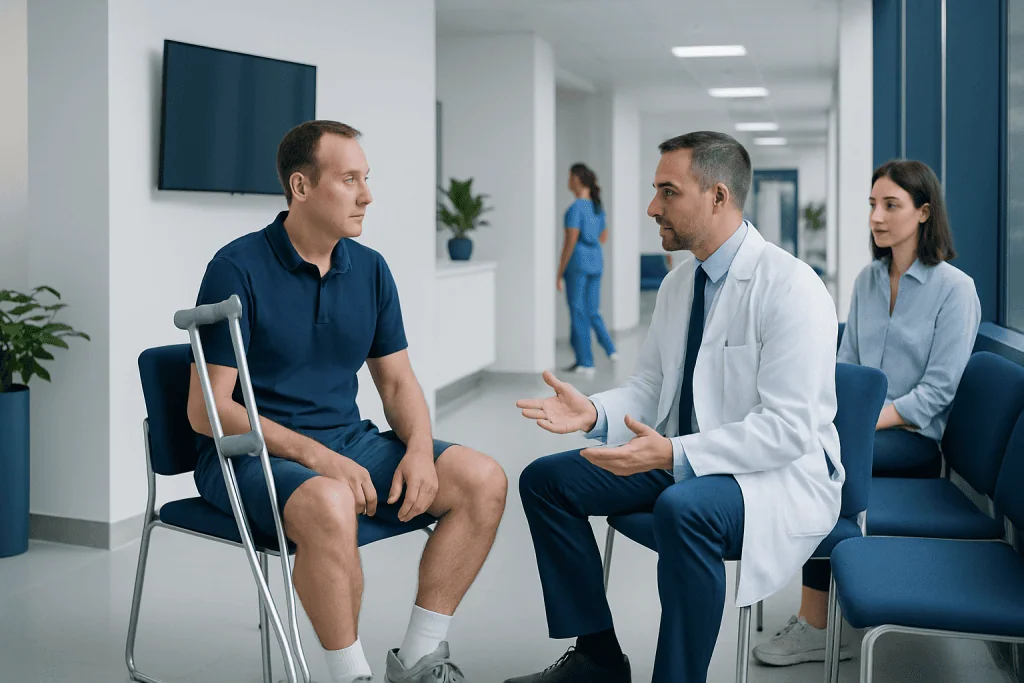
A small leg-length difference is common and may not need treatment if it causes no symptoms. Assessment should distinguish a true bone-length difference from an apparent difference caused by pelvic position, joint problems or muscle tightness.
Key Takeaways
- A small leg-length difference is common and may not need treatment if it causes no symptoms.
- Assessment should distinguish a true bone-length difference from an apparent difference caused by pelvic position, joint problems or muscle tightness.
- Shoe lifts, appropriate footwear and physiotherapy can improve comfort and walking for many adults.
- Surgery may be considered for larger or symptomatic discrepancies after detailed orthopedic evaluation.
- Recovery after limb lengthening requires gradual bone healing, regular follow-up and consistent rehabilitation.
Leg length discrepancy treatment in adults is tailored to the size and cause of the difference, as well as its effect on walking, pain and daily life. Many adults benefit from a shoe lift, targeted rehabilitation or treatment of an underlying condition, while selected patients may consider corrective surgery or limb lengthening.
Overview: treatment choices for adults
Leg length discrepancy treatment in adults depends on whether one leg is truly shorter in bone length or appears shorter because of a problem involving the pelvis, hip, knee, foot, spine or muscles. The main aim is not always to make both legs exactly the same length; it is to improve comfort, balance, walking and function while addressing the underlying cause where possible.
For mild discrepancies with few or no symptoms, observation or a simple in-shoe lift may be enough. When symptoms are persistent, treatment may include a custom shoe modification, physiotherapy, medication or care for an associated joint or spine condition. For selected adults with a larger discrepancy or substantial functional limitations, an orthopedic limb reconstruction team may discuss surgical equalization, including limb lengthening or shortening procedures.
A careful assessment is important because back pain, hip discomfort, limping and fatigue can have several causes. A measured leg-length difference does not automatically explain every symptom, and treatment decisions should be based on the whole clinical picture.
How serious is leg length discrepancy?
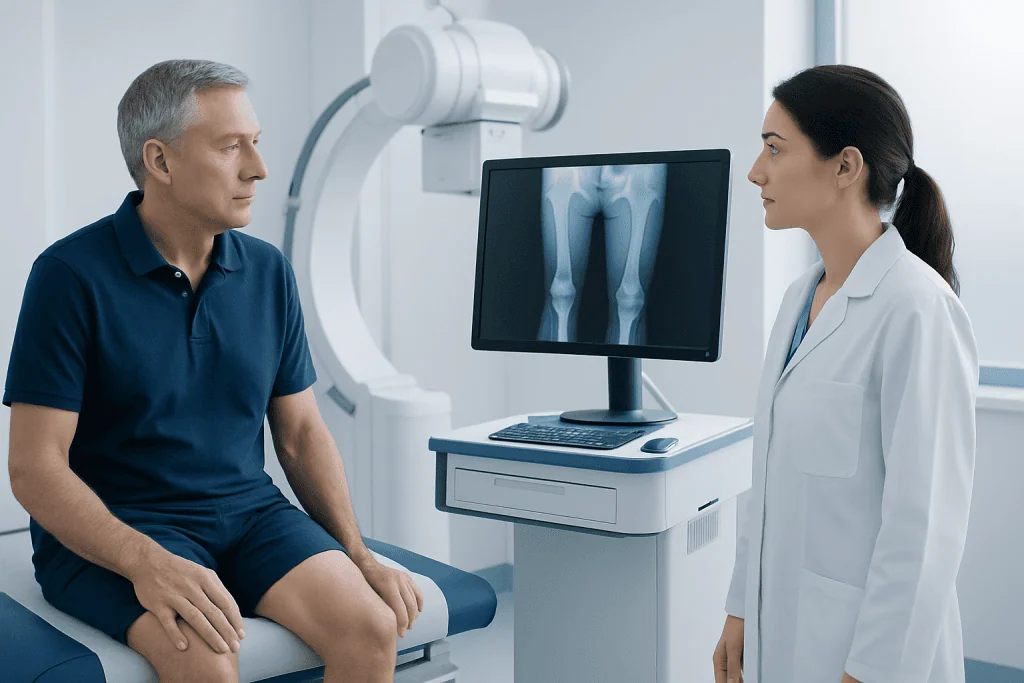
Leg length discrepancy is often not serious, particularly when the difference is small and a person walks comfortably without pain. Many people have minor differences in leg length and do not know about them. The practical importance is determined by symptoms, gait changes, activity level, the cause of the discrepancy and whether the difference is changing over time.
A more noticeable discrepancy may contribute to a limp, uneven loading of the hips or knees, pelvic tilt, muscle fatigue, lower-back discomfort, or difficulty with standing and walking for long periods. It may also affect confidence and participation in work, sport or everyday activities. However, these symptoms should be evaluated rather than assumed to result solely from leg length.
Prompt assessment is particularly important when one leg seems to become shorter suddenly, after a fracture or joint surgery, or alongside severe pain, swelling, weakness, numbness, fever or inability to bear weight. These features may indicate a problem that needs timely medical attention.
Causes, assessment and candidacy for treatment
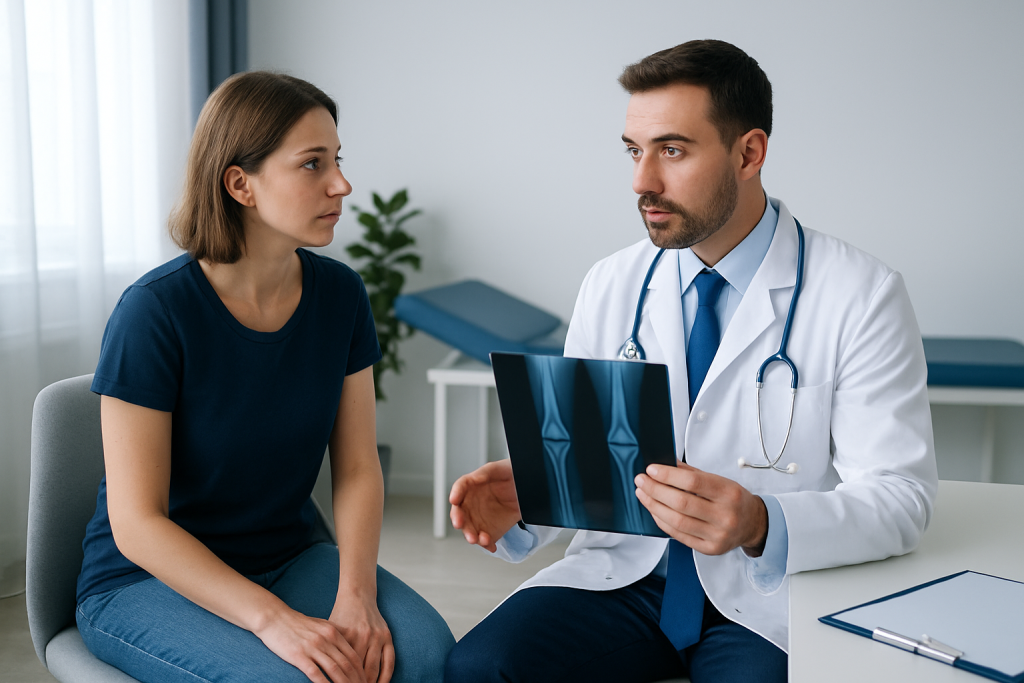
True leg length discrepancy can be present from childhood or develop after an injury, fracture, infection, bone disease, hip or knee replacement, or surgery affecting bone growth or alignment. An apparent discrepancy may result from scoliosis, pelvic obliquity, hip contracture, knee deformity, flatfoot, muscle weakness or tightness. Identifying which type is present helps avoid treatment that does not address the source of the problem.
Assessment commonly begins with a history of symptoms, injury, surgery, medical conditions and activity goals. The clinician observes standing posture and walking, examines joint movement and muscle strength, and may use measured blocks under the shorter side to assess comfort and pelvic leveling. Standing X-rays or low-dose imaging may be used to measure bone lengths and alignment accurately.
Adults who are candidates for surgical correction generally have a meaningful, confirmed discrepancy that causes functional limitations or significant symptoms despite nonsurgical measures. They also need adequate bone and soft-tissue health, the ability to participate in rehabilitation and follow-up, and a clear understanding that treatment is a lengthy process. Smoking, poorly controlled diabetes, active infection, poor circulation and some bone-health concerns may increase risk and need to be addressed before surgery.
How treatment works: nonsurgical and surgical options
Nonsurgical care is usually the first approach. A heel lift may fit inside a shoe for a smaller difference, while a full-sole lift or external shoe build-up can be more appropriate for a larger correction. The lift is often introduced gradually so the body can adapt. A podiatrist, orthotist or orthopedic clinician can help ensure that the footwear modification is stable and properly fitted.
Physiotherapy can improve strength, flexibility, balance and gait efficiency. It may be especially useful when muscle tightness, altered movement patterns or joint symptoms contribute to an apparent discrepancy. If arthritis, hip disease, spinal alignment concerns or a prior injury are involved, treatment also focuses on that condition. Some adults benefit from an individualized combination of shoe modification and rehabilitation rather than surgery.
Surgical options are individualized. Lengthening the shorter bone may be performed with an internal lengthening nail or an external fixation device, depending on anatomy and clinical needs. In other situations, shortening the longer limb or correcting an angular deformity may be considered. These procedures are planned by orthopedic limb reconstruction specialists using detailed imaging and alignment measurements.
For people considering an operative approach, limb lengthening surgery is discussed as part of a broader plan that includes bone healing, physical therapy and long-term monitoring. The appropriate procedure, if any, cannot be determined from the size of the discrepancy alone.
Step by step: what happens during leg lengthening surgery
Before surgery, the team confirms measurements, reviews medical fitness for anesthesia, checks bone and vascular health, and discusses the desired correction and expected rehabilitation. Patients may be advised to optimize nutrition, manage chronic conditions and stop smoking. Planning also considers employment, home support and access to regular physiotherapy.
During surgery, the surgeon makes a controlled division in the bone, called an osteotomy, and places the selected lengthening device. With an internal nail, a small implanted mechanism gradually lengthens the bone. With external fixation, a frame outside the limb is connected to the bone with pins or wires. The method is chosen according to the bone involved, deformity, previous surgery and other individual factors.
After a brief initial healing period, gradual distraction begins. The device slowly separates the bone segments in small increments, allowing new bone to form in the gap. This lengthening phase is closely monitored with examinations and X-rays. Physical therapy helps preserve joint movement, muscle flexibility and strength while the limb is lengthened.
Once the planned length is reached, the consolidation phase begins. The new bone gradually hardens and strengthens. Follow-up appointments remain essential because the speed of lengthening and recovery may need adjustment based on imaging, pain, joint movement and bone healing.
How long does it take to recover from leg length discrepancy surgery?
Recovery varies substantially by the type of surgery, the amount of correction, the bone being treated, overall health and rehabilitation progress. A shoe lift or minor footwear modification typically requires little recovery beyond an adjustment period. In contrast, limb lengthening is a months-long process that includes surgery, gradual lengthening, bone consolidation and rehabilitation.
After limb lengthening surgery, patients usually begin guided movement and physiotherapy early, although weight-bearing instructions differ depending on the device and the surgeon’s plan. The active lengthening stage may last weeks to months. New bone then needs additional time to consolidate before unrestricted activity can be considered.
Regular X-rays and clinical reviews guide decisions about walking aids, weight-bearing and return to work, driving, sport or travel. Some people return to desk-based tasks earlier than physically demanding work, but exact timing should come from the treating team. Rehabilitation is not optional: consistent exercises and appointments are central to protecting joint motion and supporting a good result.
Recovery can feel demanding both physically and emotionally. Patients should discuss pain management, practical support, work planning and mental well-being before surgery, and contact their care team if pain worsens unexpectedly or rehabilitation becomes difficult.
Benefits, risks and expected walking results
Potential benefits of successful correction include improved symmetry, reduced limping, better balance, easier shoe fitting and less strain during standing or walking. For some people, treating a clinically important discrepancy can improve participation in daily activities. Results depend not only on bone length but also on hip, knee, ankle and spine function, muscle conditioning and the presence of other orthopedic conditions.
All surgery carries risks. With limb lengthening or other reconstructive procedures, possible complications include infection, bleeding, blood clots, delayed or incomplete bone healing, device-related problems, nerve or blood-vessel irritation, joint stiffness, muscle tightness, persistent pain, malalignment and the need for additional procedures. External devices can also cause pin-site irritation or infection. The surgical team explains individual risks and the measures used to reduce them.
Can you ever walk normally after leg lengthening surgery? Many patients can regain a comfortable, functional walking pattern after healing and rehabilitation, but no outcome can be guaranteed. Walking recovery may take time because muscles, tendons, joints and coordination must adapt alongside bone healing. Good adherence to physiotherapy, follow-up and weight-bearing guidance supports the best possible functional recovery.
What shoes to wear and when to seek medical care
What shoes to wear when one leg is shorter than the other? Stable, supportive shoes with a firm heel counter and adequate space for an insert are often helpful. An in-shoe heel lift can suit a smaller discrepancy, while a full-length sole modification or external shoe lift may be needed when more correction is required. A professionally fitted solution is preferable to stacking generic inserts, which can create pressure points, instability or an uncomfortable change in foot position.
Footwear should be reviewed if it causes new pain, numbness, blisters, ankle instability or worsening limping. People should also avoid making major height changes without clinical advice, especially if they have diabetes, reduced sensation in the feet, circulation problems, arthritis or a history of falls. Physiotherapy may help the body adapt to a prescribed lift.
When to seek medical care: Adults should arrange medical assessment for a new or worsening limp, persistent back, hip, knee or foot pain, a suspected difference after fracture or surgery, or difficulty walking that affects daily life. Urgent care is appropriate for sudden severe pain, marked swelling, fever, inability to bear weight, a cold or pale foot, new weakness or numbness, or symptoms following a significant injury.
Acibadem International’s multidisciplinary orthopedic, rehabilitation and imaging specialists at JCI-accredited hospitals can assess and treat limb-length concerns for international patients. A qualified orthopedic clinician can help determine whether monitoring, a shoe modification, rehabilitation or reconstructive treatment is the most appropriate next step.
Frequently asked questions
Can a shoe lift correct leg length discrepancy in adults?
A shoe lift can help compensate for a true or apparent discrepancy and may reduce limping or discomfort. It does not change bone length, but it can improve functional alignment. The amount of lift should be based on a professional assessment and introduced gradually when appropriate.
Do all adults with uneven leg lengths need surgery?
No. Many adults do not need surgery, particularly when the difference is small or does not cause meaningful symptoms. Conservative options such as observation, footwear modification and physiotherapy are often considered first. Surgery is reserved for selected people after detailed evaluation.
How is a true leg length difference measured?
A clinician may use a physical examination with leveling blocks under the shorter side and observe posture and walking. Standing X-rays or other imaging can measure the bones and assess alignment more precisely. This helps distinguish true bone shortening from an apparent difference caused by the pelvis, joints or soft tissues.
Is leg lengthening surgery painful?
Discomfort is expected after surgery and during rehabilitation, but pain management is individualized and closely monitored by the care team. Muscle tightness and soreness can occur during the lengthening phase, which is why physiotherapy and regular review are important. Severe, sudden or worsening pain should be reported promptly.
Can leg length discrepancy cause back pain?
A discrepancy may alter posture and walking mechanics and can contribute to lower-back discomfort in some people. However, back pain is common and has many possible causes, so a measured discrepancy should not automatically be assumed to be the sole explanation. A clinical assessment can evaluate both the leg-length issue and other possible contributors.
What happens if leg length discrepancy is left untreated?
If it is mild and symptom-free, no treatment may be necessary. When a discrepancy causes limping, pain or reduced activity, symptoms may persist or affect movement patterns over time. Medical review can identify whether simple measures could improve comfort and function.
References
- American Academy of Orthopaedic Surgeons
- Hospital for Special Surgery
- National Institute of Arthritis and Musculoskeletal and Skin Diseases
- OrthoInfo
- International Center for Limb Lengthening
This article is for general information only and is not a substitute for professional medical advice. Please consult a qualified doctor about your individual situation.
Joint and spine care in Turkey — expert assessment & treatment
JCI-accredited · board-certified surgeons · reply within 24h
Add us as a Preferred Source to see more of our trusted health content across Google Search, AI Overviews and Discover.

More from the Health Library



Related Specialists

Prof. Dr. Taner Güneş
Orthopedic Surgery & Traumatology
Dr. Sinem Bostan Kayaoğlu
Gynecology & Obstetrics
Dr. Ayça Sözen
Pediatrics
Dr. Atiye Ayral
Physical Medicine & Rehabilitation