

Leukemia: Symptoms, Blood Tests, and Treatment Options

Leukemia affects the bone marrow and blood cells, and it can be acute or chronic depending on how quickly it develops. Common symptoms include tiredness, frequent infections, easy bruising or bleeding, fever, night sweats, and unexplained weight loss.
Key Takeaways
- Leukemia affects the bone marrow and blood cells, and it can be acute or chronic depending on how quickly it develops.
- Common symptoms include tiredness, frequent infections, easy bruising or bleeding, fever, night sweats, and unexplained weight loss.
- A complete blood count is often the first blood test that suggests leukemia, but diagnosis usually requires additional tests such as a blood smear, flow cytometry, genetic testing, and bone marrow examination.
- Treatment depends on the leukemia type, genetic features, age, general health, and whether the disease is newly diagnosed or has returned.
- Modern treatment may include chemotherapy, targeted therapy, immunotherapy, stem cell transplantation, and supportive care to manage symptoms and treatment effects.
Leukemia is a cancer of the blood-forming tissues, including the bone marrow and blood cells. Understanding symptoms, blood tests, and treatment options can help patients seek timely medical advice and feel more prepared for care.
Overview
Leukemia is a cancer that begins in the blood-forming cells of the bone marrow, the soft inner part of many bones where blood cells are made. In leukemia, abnormal white blood cells grow and multiply in an uncontrolled way. These cells may crowd out healthy red blood cells, white blood cells, and platelets, which can lead to symptoms such as fatigue, infections, bruising, and bleeding.
There are several types of leukemia. The main categories are acute lymphoblastic leukemia (ALL), acute myeloid leukemia (AML), chronic lymphocytic leukemia (CLL), and chronic myeloid leukemia (CML). “Acute” leukemias usually develop quickly and need prompt treatment, while “chronic” leukemias often progress more slowly and may be monitored before treatment is started in selected cases.
Leukemia can occur at any age, although some types are more common in children and others are more common in adults. A diagnosis can feel overwhelming, but advances in blood testing, genetic analysis, targeted medicines, and supportive care have made treatment more personalized. The care plan is based on the exact leukemia type and the patient’s overall health, not on the name of the condition alone.
Leukemia Symptoms
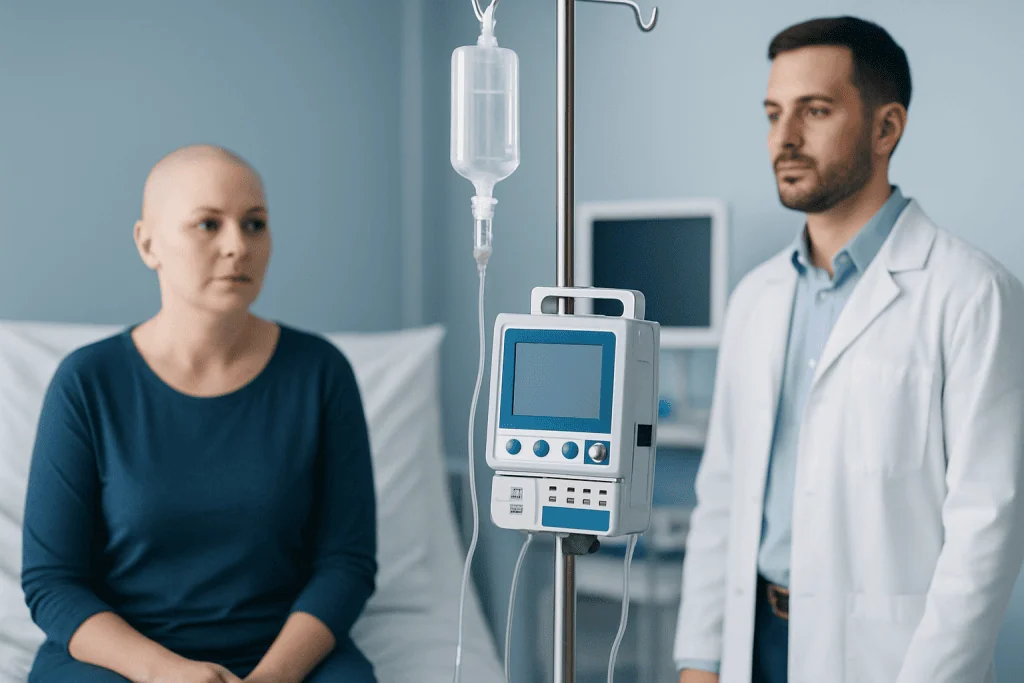
Leukemia symptoms can be subtle at first and may resemble common illnesses such as viral infections, anemia, or general exhaustion. Symptoms occur because abnormal leukemia cells interfere with normal blood cell production. Some people are diagnosed after a routine blood test before they notice any symptoms.
Possible leukemia symptoms include:
- Persistent tiredness, weakness, or shortness of breath with activity
- Frequent or unusual infections
- Fever, chills, or night sweats
- Easy bruising, nosebleeds, bleeding gums, or tiny red or purple spots on the skin
- Pale skin, dizziness, or headaches related to anemia
- Unexplained weight loss or loss of appetite
- Bone or joint pain
- Swollen lymph nodes, enlarged spleen, or a feeling of fullness in the abdomen
Not everyone with leukemia has all of these symptoms, and having one or more symptoms does not mean a person has leukemia. However, symptoms that persist, worsen, or occur together should be discussed with a doctor. Early evaluation helps identify the cause, whether it is leukemia or another treatable condition.
Causes and Risk Factors

Leukemia develops when blood-forming cells acquire changes in their DNA that affect how they grow, divide, and mature. In most people, the exact cause is not known. These genetic changes are usually acquired during life rather than inherited from a parent, although rare inherited syndromes can increase risk.
Risk factors vary by leukemia type and may include previous chemotherapy or radiation therapy, high-dose radiation exposure, certain genetic conditions, some bone marrow disorders, smoking, and long-term exposure to certain industrial chemicals such as benzene. A family history may slightly increase risk for some chronic leukemias, but most people with leukemia do not have a strong family history.
It is important to understand that having a risk factor does not mean a person will develop leukemia, and many people diagnosed with leukemia have no clear risk factor. Leukemia is not contagious and cannot be spread from one person to another. A medical evaluation focuses on identifying the leukemia type and biology, because these details guide treatment decisions more than risk factors do.
Blood Tests and Diagnosis
A complete blood count, often called a CBC, is usually the first test that raises concern for leukemia. It measures red blood cells, white blood cells, platelets, hemoglobin, and related values. In leukemia, results may show very high or very low white blood cell counts, low red blood cells, low platelets, or abnormal immature cells called blasts.
A peripheral blood smear may be performed to look at blood cells under a microscope. If leukemia is suspected, further tests help confirm the diagnosis and classify the disease. These may include flow cytometry to identify cell markers, bone marrow aspiration and biopsy to examine marrow cells directly, and cytogenetic or molecular tests to look for chromosome changes and gene mutations.
Additional tests may be used depending on the leukemia type and symptoms. These can include blood chemistry tests to assess organ function, clotting tests, imaging when enlarged organs or lymph nodes are suspected, and sometimes lumbar puncture to check the fluid around the brain and spinal cord. The goal is to create a complete picture of the disease so the treatment plan can be as precise and safe as possible.
Understanding Leukemia Types
Leukemia is classified by how quickly it progresses and by which blood cell line is affected. Acute leukemias involve immature cells and usually require treatment soon after diagnosis. Chronic leukemias involve more mature abnormal cells and may develop over months or years.
Acute lymphoblastic leukemia, or ALL, affects lymphoid cells and is the most common leukemia in children, though adults can also develop it. Acute myeloid leukemia, or AML, affects myeloid cells and is more common in adults, but it can occur at any age. Both ALL and AML require careful, time-sensitive treatment planning.
Chronic lymphocytic leukemia, or CLL, usually affects older adults and may be found during routine blood testing. Some people with early CLL do not need immediate treatment and are monitored closely. Chronic myeloid leukemia, or CML, is strongly associated with a specific genetic change known as the Philadelphia chromosome, and targeted therapies have become central to its management.
Treatment Options
Leukemia treatment depends on the exact type of leukemia, test results, genetic features, age, general health, symptoms, and personal preferences. In some slow-growing chronic leukemias, treatment may not begin immediately if the person feels well and the disease is stable. This approach is called active surveillance or watchful waiting, and it includes regular examinations and blood tests.
Common treatment options include chemotherapy, targeted therapy, immunotherapy, and stem cell transplantation. Chemotherapy uses medicines to destroy rapidly dividing cells and is often used for acute leukemias. Targeted therapy acts on specific cancer-related proteins or genetic changes, such as treatments used in CML and selected cases of AML, ALL, or CLL. Immunotherapy helps the immune system recognize or attack leukemia cells and may include monoclonal antibodies or other specialized treatments.
A stem cell transplant, also called a bone marrow transplant, may be recommended for some patients with higher-risk disease or relapsed leukemia. It replaces diseased or damaged bone marrow with healthy blood-forming stem cells, usually after intensive treatment. Radiation therapy is less common but may be used in specific situations, such as preparation for transplant or treatment of leukemia in certain body areas.
Supportive care is an essential part of leukemia treatment. It may include antibiotics for infections, transfusions for low blood counts, medicines to reduce nausea, fertility counseling when appropriate, nutritional support, and careful monitoring for treatment side effects. The treatment team regularly reviews test results and adjusts care to balance effectiveness, safety, and quality of life.
Prevention, Self-Care, and Living With Leukemia
There is no guaranteed way to prevent most types of leukemia, because many cases occur without a known cause. General health measures may still support well-being, including not smoking, following workplace safety guidance around chemicals, maintaining recommended vaccinations when approved by the treating doctor, and attending regular medical check-ups.
For people living with leukemia, infection prevention is often important, especially when white blood cell counts are low or treatment weakens the immune system. Patients may be advised to wash hands regularly, avoid close contact with people who are ill, follow food safety guidance, and report fever promptly. These recommendations should be individualized because precautions can vary depending on blood counts and treatment stage.
Emotional support is also part of good leukemia care. Patients may benefit from asking questions, bringing a family member or friend to appointments, keeping a written list of medicines and test results, and discussing work, travel, fertility, nutrition, or exercise concerns with the care team. Gentle physical activity, rest, and balanced meals may help some patients feel stronger, but plans should be adapted to medical advice.
When to See a Doctor
A doctor should be consulted if symptoms such as persistent fatigue, unexplained bruising or bleeding, recurrent infections, ongoing fever, night sweats, swollen lymph nodes, bone pain, or unexplained weight loss do not improve or have no clear cause. These symptoms can be related to many conditions, but a simple blood test can often provide important clues.
People already diagnosed with leukemia should contact their medical team urgently if they develop fever, heavy bleeding, shortness of breath, chest pain, severe weakness, confusion, or signs of infection. During treatment, even symptoms that seem minor may need quick assessment because blood counts and immune defenses can change rapidly.
International patients who need evaluation or ongoing care can be assessed by multidisciplinary specialists at Acibadem International’s JCI-accredited hospitals, where hematology, oncology, diagnostics, transplantation, and supportive care teams work together. Any treatment decision should be made after consultation with qualified doctors who can review the patient’s diagnosis, test results, and overall health.
Frequently asked questions
What is the first blood test for leukemia?
A complete blood count, or CBC, is usually the first blood test that may suggest leukemia. It checks red blood cells, white blood cells, platelets, and hemoglobin levels. Abnormal results do not confirm leukemia by themselves, but they help doctors decide whether further testing is needed.
Can leukemia symptoms come and go?
Some symptoms, such as tiredness, low-grade fever, or swollen lymph nodes, may fluctuate. However, leukemia-related symptoms often persist, recur, or gradually worsen. Any unexplained symptoms that continue should be reviewed by a doctor.
Is leukemia always treated with chemotherapy?
No. Chemotherapy is important for many acute leukemias, but treatment may also include targeted therapy, immunotherapy, stem cell transplantation, or active surveillance in selected chronic leukemias. The best approach depends on the leukemia type and detailed test results.
Does a high white blood cell count mean leukemia?
Not necessarily. A high white blood cell count can occur with infections, inflammation, medicines, stress, and other medical conditions. If the pattern is unusual or persistent, doctors may order a blood smear, repeat CBC, or additional specialized tests.
What is the difference between acute and chronic leukemia?
Acute leukemia develops quickly and involves immature blood cells, so treatment usually needs to begin promptly. Chronic leukemia often progresses more slowly and involves more mature abnormal cells. Some chronic leukemias may be monitored for a period before treatment is started.
Can children get leukemia?
Yes. Leukemia can occur in children, and acute lymphoblastic leukemia is the most common type in childhood. Children are treated by pediatric oncology teams using protocols designed for their age, leukemia type, and overall health.
Is leukemia contagious?
No. Leukemia is not contagious and cannot be caught from or passed to another person. It develops from changes in blood-forming cells within the body.
References
- World Health Organization
- National Cancer Institute
- American Cancer Society
- European Society for Medical Oncology
- National Comprehensive Cancer Network
This article is for general information only and is not a substitute for professional medical advice. Please consult a qualified doctor about your individual situation.
Leukemia in Turkey — costs, top hospitals & a free quote
JCI-accredited · board-certified surgeons · reply within 24h
Add us as a Preferred Source to see more of our trusted health content across Google Search, AI Overviews and Discover.

Medical Oncology Department
Medical treatment of cancer with chemotherapy, immunotherapy and targeted therapies under a multidisciplinary tumor board.
60 specialists in this unitMore from the Health Library



Related Specialists

Prof. Dr. Ferda Özdemir
Physical Medicine & Rehabilitation
Prof. Dr. K. Fehmi Narter
Urology
Dt. Kumru Çöteli
Dentistry
Prof. Dr. Tayfun Karahasanoğlu
General Surgery