Life Expectancy After Prostate Removal: A Complete Medical Overview

A prostatectomy does not usually shorten life expectancy; it is commonly performed with curative intent for localized prostate cancer. The pathology report after surgery, including surgical margins, Gleason Grade Group, and lymph node findings, helps clarify an individual prognosis.
Key Takeaways
- A prostatectomy does not usually shorten life expectancy; it is commonly performed with curative intent for localized prostate cancer.
- The pathology report after surgery, including surgical margins, Gleason Grade Group, and lymph node findings, helps clarify an individual prognosis.
- Regular PSA monitoring is essential because a rising PSA may be the earliest sign that prostate cancer has returned.
- Urinary leakage and erectile dysfunction can affect quality of life after surgery, but treatments and rehabilitation may help.
- Long-term health after prostate removal also benefits from physical activity, a balanced diet, preventive care, and management of other medical conditions.
Life expectancy after prostate removal is often close to normal, particularly when a radical prostatectomy removes prostate cancer that is confined to the prostate. Outlook depends less on the operation itself and more on the cancer’s stage and biology, pathology findings, treatment response, age, and overall health.
Life Expectancy After Prostate Removal: The Main Answer
Life expectancy after prostate removal is frequently similar to that of men of the same age who do not have prostate cancer, especially when surgery removes cancer that has not spread beyond the prostate. Radical prostatectomy is usually offered as a potentially curative treatment for localized prostate cancer, rather than as a procedure that is expected to reduce lifespan.
However, no single life-expectancy figure applies to everyone. The most useful information comes from the individual cancer assessment: PSA level before treatment, biopsy Grade Group, imaging results, findings in the removed prostate and lymph nodes, and PSA results during follow-up. Age, heart health, lung health, diabetes, smoking status, and other conditions also have an important influence on long-term survival.
It is also helpful to separate life expectancy from quality of life. Surgery can affect bladder control and sexual function, particularly during the first months of recovery. These effects may be significant, but they are different from cancer survival and can often be addressed with rehabilitation, medicines, devices, counseling, or further treatment when appropriate.
What Prostate Removal Involves
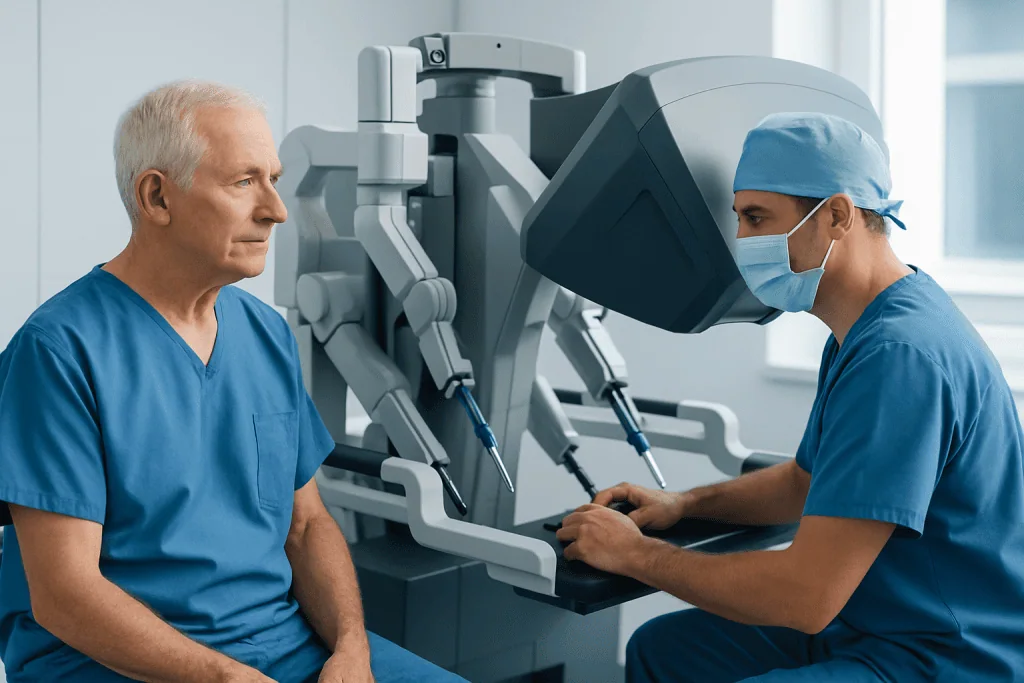
Prostate removal, medically called a prostatectomy, may be performed for different reasons. A radical prostatectomy removes the whole prostate gland, the seminal vesicles, and sometimes nearby lymph nodes. It is most often used to treat prostate cancer that appears confined to the prostate or has limited local extension.
The procedure may be carried out through open surgery, laparoscopic surgery, or robot-assisted laparoscopic surgery. The approach can influence incision size and early recovery, but long-term cancer outcomes depend primarily on the features of the cancer and the completeness of treatment rather than on the surgical approach alone.
In some cases, only part of the prostate is removed to relieve urinary blockage caused by benign enlargement. This is not the same as radical prostatectomy and does not treat prostate cancer in the same way. Anyone discussing prognosis should confirm which operation was performed and the reason it was recommended.
After radical prostatectomy, the prostate is examined in detail by a pathologist. This final report may provide more accurate information than the original biopsy because it shows the extent and grade of cancer throughout the removed gland.
What Most Influences Long-Term Outlook

The stage of prostate cancer is one of the strongest influences on outlook. Cancer that is localized within the prostate generally has a more favorable outlook than cancer that has grown into nearby tissues, spread to lymph nodes, or spread to distant organs. Surgery may still form part of treatment for selected people with more advanced disease, but additional therapies may be needed.
The pathology report describes features that help the care team estimate the chance of recurrence. These may include the Gleason Grade Group, whether cancer reaches the edge of the removed tissue (a positive surgical margin), extension beyond the prostate capsule, seminal vesicle involvement, and lymph node involvement. A positive margin does not automatically mean that cancer will return, but it may lead to closer PSA monitoring or discussion of additional treatment.
PSA, or prostate-specific antigen, should become very low or undetectable after the prostate has been removed. A PSA that later rises on repeat testing can indicate biochemical recurrence. This does not always mean that cancer has spread or that life expectancy will be shortened; early salvage treatment, often radiotherapy with or without hormone therapy, can be effective for many patients.
General health remains relevant after cancer treatment. Cardiovascular disease and other chronic conditions may have a greater effect on long-term lifespan than successfully treated localized prostate cancer. Maintaining routine medical care is therefore an important part of survivorship.
Recovery, Side Effects, and Quality of Life
Physical recovery after prostatectomy varies. Many people return gradually to daily activities over several weeks, while full recovery from fatigue and adjustment to urinary or sexual changes can take months or longer. The surgical team provides individualized guidance on catheter care, wound healing, activity, driving, work, and follow-up appointments.
Urinary incontinence is common soon after catheter removal because the bladder and pelvic floor need time to adapt. Leakage often improves over time, and pelvic floor muscle training can be helpful. If bothersome incontinence continues, a urologist can assess the cause and discuss options such as specialized physiotherapy, medication in selected circumstances, sling surgery, or an artificial urinary sphincter.
Erectile dysfunction can occur because nerves and blood vessels involved in erections lie close to the prostate. Recovery depends on pre-surgery erections, age, other health conditions, cancer extent, and whether nerve-sparing surgery was possible. Treatment may include oral medicines, vacuum erection devices, penile injections, urethral therapies, or penile implants, alongside sexual counseling when desired.
Removal of the prostate causes infertility because semen is no longer ejaculated, although orgasm may still be possible. People who may want biological children in the future can ask about sperm banking before treatment. Emotional changes, concerns about body image, and changes in intimacy are also common topics for follow-up care and deserve supportive, open discussion.
Follow-Up Care and PSA Monitoring
Follow-up is central to protecting long-term health after prostate removal. The care team typically checks PSA at regular intervals after surgery and then continues testing over the years. The exact schedule differs according to pathology findings, PSA results, age, and local clinical guidance.
A single detectable or changing PSA result is interpreted carefully. Doctors generally confirm a concerning rise with repeat testing and consider the PSA trend, the time since surgery, and the original cancer features. If recurrence is suspected, imaging may be considered to help identify where cancer is located and guide treatment planning.
Possible treatment after recurrence may include salvage radiotherapy, hormone therapy, or other systemic treatments, depending on the situation. Decisions are individualized and may involve urology, radiation oncology, medical oncology, pathology, radiology, and specialist nursing. The aim is to balance cancer control with urinary, bowel, sexual, bone, and overall health.
People should keep a personal record of their pathology report, PSA values, medicines, and treatment history. This can make it easier to coordinate care if they move, travel, or see a new doctor. Acibadem International’s multidisciplinary specialists and JCI-accredited hospitals diagnose and treat prostate conditions for international patients.
Supporting Health After Surgery
There is no proven diet or supplement that can guarantee prevention of prostate cancer recurrence. Nevertheless, health-supporting habits can improve energy, heart health, bone strength, mood, and general wellbeing after treatment. A clinician can tailor advice for people with other medical conditions or those receiving additional cancer therapy.
A practical long-term plan may include regular physical activity suited to recovery, strength and balance exercises, adequate sleep, stress management, and a dietary pattern rich in vegetables, fruits, whole grains, beans, and lean protein sources. Limiting smoking and avoiding or reducing alcohol can also support general health. Weight management may be useful when recommended by a healthcare professional.
Pelvic floor exercises should be performed using correct technique. A pelvic health physiotherapist can teach an individualized program and assess persistent leakage or pelvic symptoms. People receiving hormone therapy may also need monitoring and advice related to bone density, body composition, blood sugar, cholesterol, and cardiovascular health.
- Attend scheduled PSA tests and follow-up visits.
- Discuss persistent urinary, sexual, emotional, or sleep concerns rather than trying to manage them alone.
- Continue age-appropriate screening and care for blood pressure, cholesterol, diabetes, vaccinations, and other health needs.
- Ask before taking herbal products or supplements, as they may interact with medicines or affect treatment plans.
When to Seek Medical Care
Contact the surgical or urology team promptly during early recovery if there is fever, worsening pain, redness or discharge around an incision, heavy bleeding, inability to pass urine after catheter removal, severe abdominal swelling, chest pain, shortness of breath, or one-sided leg swelling. These symptoms can have several causes and should be assessed without delay.
Outside the immediate recovery period, arrange a medical review for new bone pain that does not settle, unexplained weight loss, persistent fatigue, worsening urinary symptoms, visible blood in the urine, or any concern about a rising PSA. These symptoms do not necessarily mean cancer has returned, but timely assessment is sensible.
It is also appropriate to seek care for ongoing incontinence, erectile dysfunction, low mood, anxiety, or relationship difficulties. These are common and treatable aspects of recovery, not issues a person needs to accept without support. A qualified doctor can explain what is expected after surgery and recommend the next steps based on individual circumstances.
Frequently asked questions
Does prostate removal reduce life expectancy?
For many people with localized prostate cancer, prostate removal does not reduce life expectancy and is intended to cure the cancer. Individual outlook depends on cancer stage, grade, pathology findings, PSA follow-up, age, and other health conditions.
What is the life expectancy after radical prostatectomy for prostate cancer?
There is no single number because outcomes vary widely between individuals. When cancer is confined to the prostate and successfully removed, many people have long-term survival comparable with peers of the same age and general health.
Can prostate cancer return after the prostate is removed?
Yes, prostate cancer can sometimes recur after surgery, even when the prostate has been completely removed. Regular PSA testing is designed to detect a possible recurrence early, often before symptoms develop, so that further treatment can be considered.
How long does it take to recover after prostate removal?
Early physical recovery usually takes weeks, but recovery of bladder control and erections can take several months or longer. The pace varies according to the person’s age, health, surgical details, and pre-treatment urinary and sexual function.
Can a person live normally without a prostate?
Yes. The prostate is not required for day-to-day survival, and most people can return to work, exercise, travel, and usual activities after recovery. However, urinary control, erections, fertility, and ejaculation may change, and support is available for these concerns.
What PSA level is expected after radical prostatectomy?
Because prostate tissue has been removed, PSA is expected to fall to a very low or undetectable level after recovery. The doctor will interpret results using the laboratory method, timing of the test, and changes over time rather than relying on one result alone.
References
- American Cancer Society
- National Cancer Institute
- European Association of Urology
- American Urological Association
- National Comprehensive Cancer Network
This article is for general information only and is not a substitute for professional medical advice. Please consult a qualified doctor about your individual situation.
Oncology care in Turkey — second opinion and treatment plan
JCI-accredited · board-certified surgeons · reply within 24h
Add us as a Preferred Source to see more of our trusted health content across Google Search, AI Overviews and Discover.

More from the Health Library



Related Specialists

Prof. Dr. Erkan Özcan
Psychiatry
Prof. Dr. Serap Gençer
Infectious Diseases & Clinical Microbiology
Dr. Nargız Ibrahımlı
Aesthetic Plastic & Reconstructive Surgery
Prof. Dr. Gülcihan Özkan
Pulmonary Medicine