Liver Cancer: Symptoms, Causes, and Treatment Options
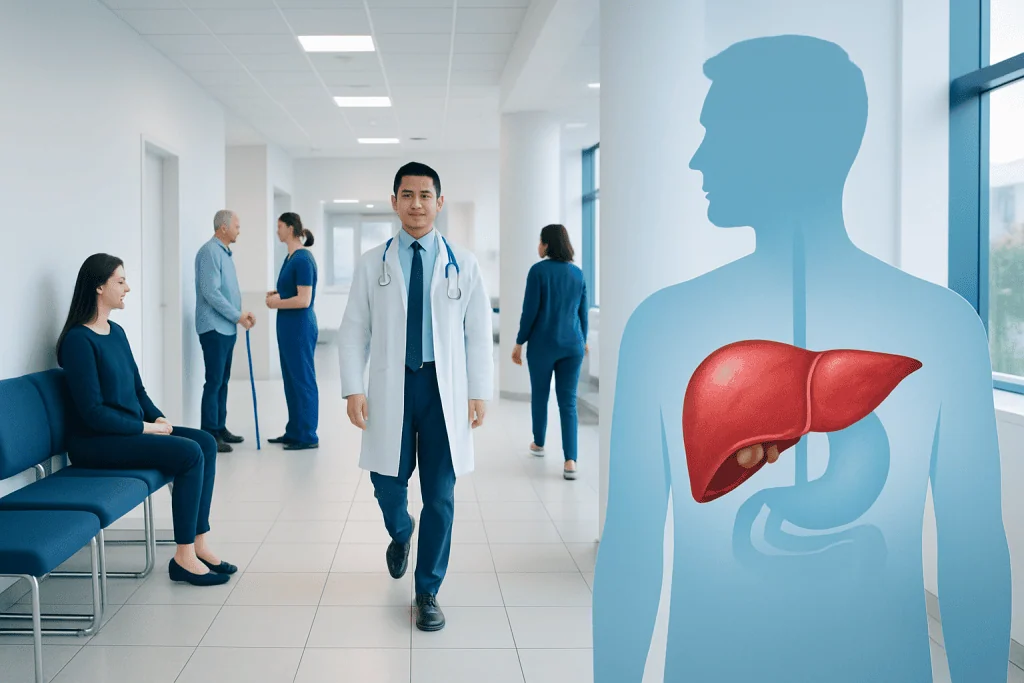
Liver cancer often causes few symptoms in its early stages. Long-term liver disease, cirrhosis, hepatitis B, and hepatitis C are major risk factors.
Key Takeaways
- Liver cancer often causes few symptoms in its early stages.
- Long-term liver disease, cirrhosis, hepatitis B, and hepatitis C are major risk factors.
- Diagnosis usually combines blood tests with imaging such as ultrasound, CT, or MRI, and sometimes biopsy.
- Treatment depends on the tumor type, stage, liver function, and overall health.
- Prevention includes hepatitis vaccination, limiting alcohol, managing fatty liver disease, and regular follow-up for people at higher risk.
Liver cancer is a malignant growth that begins in the liver, most often in liver cells called hepatocytes. Symptoms can be mild or absent early on, so timely evaluation of ongoing abdominal discomfort, weight loss, jaundice, or unexplained fatigue is important.
Overview: What liver cancer is
Liver cancer is a cancer that starts in the tissues of the liver. The most common type is hepatocellular carcinoma, which begins in the main liver cells. Other, less common primary liver cancers can arise from bile ducts or blood vessels within the liver. The liver may also be affected by cancers that spread from other organs, but these are not considered primary liver cancer.
The liver performs many essential functions, including filtering blood, processing nutrients, helping with digestion, and supporting normal blood clotting. Because the liver has a large reserve capacity, liver cancer may develop silently for some time before symptoms become noticeable. This is one reason why regular monitoring is important for people with chronic liver disease.
Liver cancer is often linked with underlying liver damage rather than appearing in a completely healthy liver. Conditions such as cirrhosis, chronic viral hepatitis, and metabolic liver disease can gradually increase risk over time. Understanding these connections helps guide both prevention and early diagnosis.
Symptoms and early warning signs
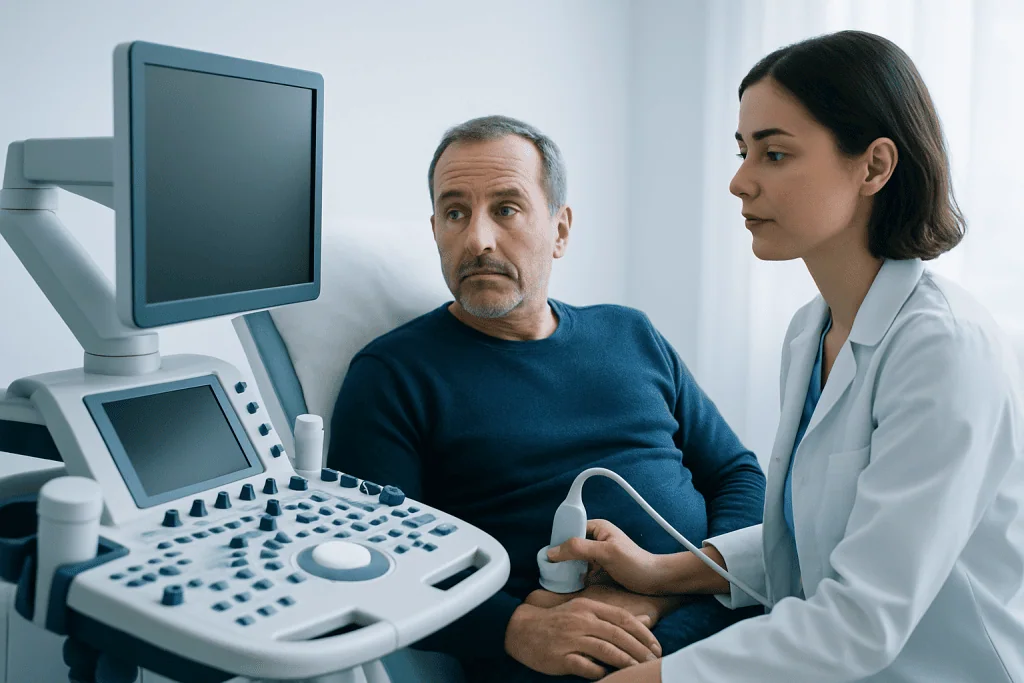
Liver cancer symptoms can be vague at first and may overlap with many non-cancerous liver conditions. Some people notice no symptoms in the early stages, and the cancer is found during imaging or blood tests performed for another reason or during routine follow-up for chronic liver disease.
When symptoms do appear, they may include pain or fullness in the upper right abdomen, unintentional weight loss, reduced appetite, ongoing fatigue, nausea, or a feeling of early fullness after eating. Some people develop a lump under the ribs on the right side or persistent abdominal swelling due to fluid buildup.
Signs that suggest the liver is not working normally may also occur, especially if there is underlying cirrhosis. These can include jaundice, dark urine, pale stools, itching, easy bruising, or swelling in the legs. A doctor can help determine whether these symptoms are related to liver cancer, primary liver cancer, or another liver condition.
- Upper right abdominal pain or pressure
- Unexplained weight loss
- Loss of appetite
- Fatigue and weakness
- Jaundice
- Abdominal swelling or bloating
Causes and risk factors
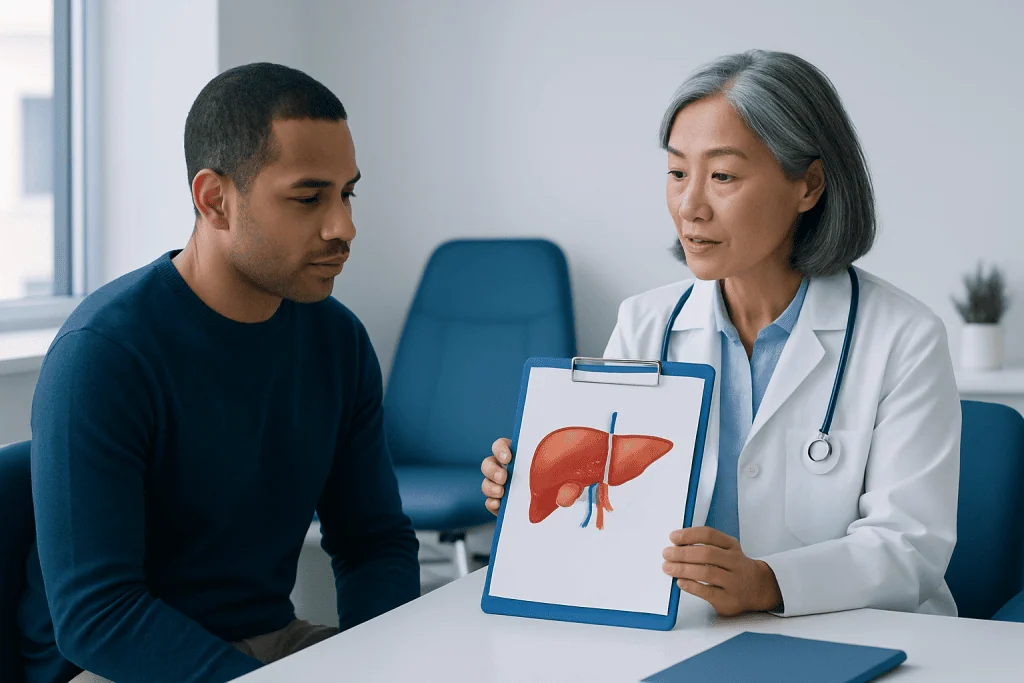
Liver cancer develops when cells in the liver acquire genetic changes that allow them to grow abnormally and avoid normal controls. In many people, these changes happen in the setting of long-standing inflammation or scarring in the liver. Cirrhosis is one of the strongest risk factors, regardless of whether it is caused by viral hepatitis, alcohol-related liver disease, or nonalcoholic fatty liver disease.
Chronic infection with hepatitis B or hepatitis C can significantly raise the risk of liver cancer. Hepatitis B may lead to liver cancer even before cirrhosis develops, while hepatitis C more often increases risk after years of inflammation and scarring. Other contributors include heavy alcohol use, obesity, type 2 diabetes, certain inherited liver diseases, and exposure to aflatoxins, which are toxins produced by some molds in contaminated food.
Risk also rises with age and is more common in some populations because of differences in hepatitis prevalence and liver disease patterns. Having risk factors does not mean a person will definitely develop cancer, but it does mean that screening and liver health follow-up may be important. For some people, related conditions such as cirrhosis shape both the risk and the treatment plan.
How liver cancer is diagnosed
Diagnosis begins with a medical history, physical examination, and a review of symptoms and liver disease risk factors. Blood tests may assess liver function, clotting, and markers such as alpha-fetoprotein, although no single blood test can confirm or exclude liver cancer on its own. Doctors also evaluate for viral hepatitis and signs of reduced liver reserve.
Imaging is central to diagnosis. Ultrasound may be used for screening or as a first test, while contrast-enhanced CT or MRI can provide more detail about the number, size, and blood supply of liver lesions. In many cases, characteristic imaging findings in a person with cirrhosis are enough to make the diagnosis without a biopsy.
If imaging results are unclear, a biopsy may be recommended to examine tissue under a microscope. After diagnosis, staging helps determine how advanced the cancer is and whether it remains confined to the liver. Doctors also assess liver function carefully, because treatment choices depend not only on the tumor but also on how well the liver is working. Advanced imaging such as MRI or PET-CT may be used in selected cases to clarify the extent of disease.
Treatment options and how doctors choose
Liver cancer treatment is individualized. Doctors consider the type of liver cancer, the number and size of tumors, whether blood vessels are involved, whether the cancer has spread, and how healthy the remaining liver tissue is. A person with a small tumor and preserved liver function may be offered a very different treatment plan from someone with advanced disease or significant cirrhosis.
Potential treatments include surgery to remove part of the liver, liver transplantation for carefully selected patients, local ablation techniques that destroy tumors with heat or other methods, and treatments delivered directly to the liver through its blood supply. Radiation therapy may be used in some situations, and systemic treatment may include targeted therapies or immunotherapy for more advanced disease. These decisions are often made by a multidisciplinary team.
Supportive care is also an important part of treatment. Managing pain, nutrition, fatigue, fluid retention, and liver-related symptoms can improve comfort and quality of life at every stage. In some patients, surgery or transplant may offer the best chance of long-term control, while others may benefit from local treatments, chemotherapy, or liver transplantation as part of a broader care plan.
Follow-up after treatment usually includes repeat imaging and blood tests to monitor response and look for recurrence. Because underlying liver disease often remains present, long-term liver care continues to matter even when the tumor has been treated successfully.
Prevention, screening, and self-care
Not all cases of liver cancer can be prevented, but many risks can be reduced. Hepatitis B vaccination is an effective preventive step, and testing and treatment for hepatitis B or hepatitis C can lower long-term liver damage. Avoiding excessive alcohol use, maintaining a healthy weight, and managing diabetes may also help protect the liver.
People with cirrhosis or other high-risk liver conditions may need regular screening, usually with ultrasound and sometimes blood tests at intervals advised by their doctor. Screening does not prevent cancer, but it can help detect tumors earlier, when more treatment options may be available. Anyone with chronic liver disease should ask a specialist whether routine surveillance is recommended.
Self-care supports overall liver health but does not replace medical treatment. Helpful measures may include taking medicines only as directed, avoiding unapproved supplements that may affect the liver, eating a balanced diet, staying physically active as tolerated, and keeping follow-up appointments. If care is needed internationally, Acibadem International’s multidisciplinary specialists in JCI-accredited hospitals diagnose and treat liver cancer for international patients.
When to seek medical care
Medical evaluation is important if symptoms such as jaundice, persistent upper abdominal pain, unexplained weight loss, loss of appetite, or ongoing fatigue do not improve. A person should also seek care if abdominal swelling, vomiting, increasing weakness, or a new lump in the upper abdomen develops. These symptoms do not always mean cancer, but they should not be ignored.
People who already have cirrhosis, hepatitis B, hepatitis C, or fatty liver disease should not wait for severe symptoms before checking in with a doctor. Routine follow-up can help identify changes early, sometimes before symptoms begin. Prompt assessment is especially important if there is a noticeable change from the person’s usual baseline health.
Urgent medical attention may be needed for confusion, severe jaundice, black stools, vomiting blood, or sudden severe abdominal pain, as these can suggest serious liver-related complications. A qualified healthcare professional can determine the cause and recommend the safest next steps.
Frequently asked questions
What is the most common type of liver cancer?
The most common primary liver cancer is hepatocellular carcinoma. It begins in the main cells of the liver and is often linked with chronic liver disease or cirrhosis.
Can liver cancer develop without symptoms?
Yes. Liver cancer may cause no symptoms in its early stages, especially when tumors are small. This is why screening can be important for people with cirrhosis or chronic hepatitis.
Is liver cancer the same as cancer that has spread to the liver?
No. Primary liver cancer starts in the liver itself, while secondary or metastatic cancer spreads to the liver from another organ such as the colon, lung, or breast. The diagnosis and treatment approach can be different.
Who is at highest risk for liver cancer?
People with cirrhosis, chronic hepatitis B, chronic hepatitis C, alcohol-related liver disease, or nonalcoholic fatty liver disease are at higher risk. Obesity, diabetes, and certain inherited liver conditions may also increase risk.
Can liver cancer be cured?
Some cases can be treated with curative intent, especially when the cancer is found early and the person is eligible for surgery, ablation, or liver transplantation. Outcomes depend on the stage of the cancer and the health of the liver.
How is liver cancer usually treated?
Treatment may include surgery, liver transplantation, local ablation, artery-based treatments, radiation therapy, targeted therapy, or immunotherapy. Doctors choose treatment based on tumor stage, liver function, and the person’s overall health.
References
- World Health Organization
- American Cancer Society
- National Cancer Institute
- American Association for the Study of Liver Diseases
- European Society for Medical Oncology
This article is for general information only and is not a substitute for professional medical advice. Please consult a qualified doctor about your individual situation.
Liver Cancer in Turkey — costs, top hospitals & a free quote
JCI-accredited · board-certified surgeons · reply within 24h
Add us as a Preferred Source to see more of our trusted health content across Google Search, AI Overviews and Discover.

Medical Oncology Department
Medical treatment of cancer with chemotherapy, immunotherapy and targeted therapies under a multidisciplinary tumor board.
60 specialists in this unitMore from the Health Library



Related Specialists

Prof. Dr. Erhan Serin
Orthopedic Surgery & Traumatology
Dr. Fatma Erbay Apaydın
Infectious Diseases & Clinical Microbiology
Ceren Keser
Physical Medicine & Rehabilitation
Prof. Dr. Arzu Ertürk
Pulmonary Medicine