Liver Cancer Treatment Success Rate: How It Works, Results and What to Expect

There is no single liver cancer treatment success rate that applies to every person. Early-stage liver cancer may be treated with surgery, ablation or liver transplantation with curative intent.
Key Takeaways
- There is no single liver cancer treatment success rate that applies to every person.
- Early-stage liver cancer may be treated with surgery, ablation or liver transplantation with curative intent.
- Treatment planning considers tumor size and number, spread, liver function, general health and personal goals.
- Advanced liver cancer can often be managed with systemic medicines, targeted local treatments or both.
- Regular follow-up is essential because liver cancer can recur even after apparently successful treatment.
Liver cancer treatment success rate varies widely because outcomes depend on the cancer type and stage, whether it can be completely treated, underlying liver health and a person’s response to therapy. When liver cancer is found early, surgery, ablation or liver transplantation may offer curative treatment; at later stages, treatment can often control the cancer, relieve symptoms and help people live longer.
Overview: what does liver cancer treatment success rate mean?
A liver cancer treatment success rate is not one fixed number. In clinical practice, “success” can mean eliminating all visible cancer, preventing or delaying growth, shrinking tumors enough to make another treatment possible, extending life, or improving comfort and daily functioning. The meaning is therefore different for a small tumor that can be removed and for cancer that has spread outside the liver.
The most common primary liver cancer in adults is hepatocellular carcinoma (HCC). Outcomes are shaped not only by the cancer itself but also by the condition of the remaining liver. Many people with HCC have cirrhosis or chronic liver disease, which can limit which treatments are safe and affect recovery.
A multidisciplinary team usually reviews imaging, blood tests, liver reserve and overall health before recommending care. This approach helps match treatment intensity to the likely benefit while protecting liver function and quality of life.
How liver cancer treatment works
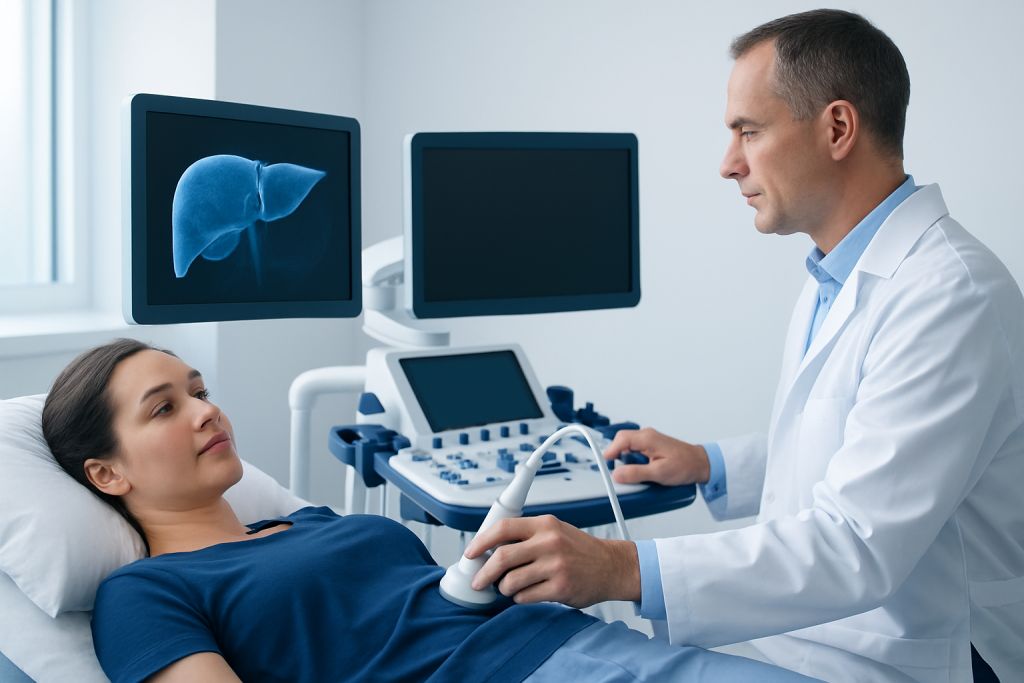
Liver cancer care uses local and whole-body treatments. Local treatments focus directly on tumors in the liver. They include surgery to remove part of the liver, liver transplantation, thermal ablation that destroys tumors with heat or cold, radiation-based approaches and catheter procedures that block a tumor’s blood supply while delivering treatment.
Systemic treatment circulates through the bloodstream and is generally used when cancer is not suitable for curative local treatment, has spread, or continues to grow after local therapy. Depending on the situation, options may include immunotherapy, targeted therapy, chemotherapy for selected tumor types, or combinations of these medicines.
Some people receive more than one type of treatment. For example, a local procedure may control liver tumors while systemic treatment addresses cancer elsewhere. Care plans may change over time as scan findings, liver function and treatment response evolve.
- Curative-intent treatment: aims to remove or destroy all known cancer.
- Disease-control treatment: aims to slow growth, reduce tumor burden or delay progression.
- Supportive care: manages symptoms, nutrition, emotional wellbeing and complications of liver disease at every stage.
Who may be a candidate for treatment?
Candidacy is individualized. Doctors consider the number, size and location of tumors; whether blood vessels are involved; whether cancer has spread; and whether the liver can safely tolerate a procedure. They also assess performance status, other medical conditions and a person’s treatment preferences.
Early-stage tumors confined to the liver may be candidates for resection, ablation or transplantation. Resection is more likely to be considered when there is enough healthy liver tissue remaining. Transplantation may be an option for carefully selected people with cancer limited to the liver and significant underlying liver disease.
For tumors that cannot be removed, liver-directed procedures may be considered when liver function is sufficiently preserved. Systemic medicines may be appropriate for more advanced disease or when local approaches are unlikely to control the cancer alone. A treatment recommendation should always be based on an up-to-date specialist assessment.
What happens during treatment and recovery?
The steps depend on the planned therapy. Evaluation commonly includes contrast-enhanced CT or MRI, blood tests to assess liver function and clotting, review of hepatitis status and discussion at a tumor board. The team explains the purpose of treatment, alternatives, likely effects on liver function and the monitoring plan.
For surgery, the surgeon removes the tumor with a margin of surrounding tissue when this can be done safely. Hospital recovery may involve pain control, early movement, breathing exercises and repeated blood tests. Full recovery varies, but energy and activity generally return gradually over several weeks to months.
Ablation and catheter-based treatments are usually performed through image guidance, sometimes with sedation or anesthesia. Recovery is often shorter than after major surgery, although temporary tiredness, discomfort, feverish feelings or changes in liver blood tests can occur. Follow-up imaging is needed to confirm whether the treated area has responded as intended.
Systemic treatments are delivered in cycles or at scheduled intervals, with regular blood tests and clinical reviews. Side effects differ by medicine and may include fatigue, appetite changes, skin reactions, diarrhea, blood-pressure changes or immune-related inflammation. Prompt reporting of new symptoms helps the team identify and treat side effects early.
Benefits, limitations and possible risks
When liver cancer is detected at an early stage and the liver can support treatment, surgery, ablation and transplantation can offer the possibility of long-term cancer control or cure. Even when cure is not realistic, treatment can reduce tumor activity, delay progression and help preserve quality of life for many people.
No treatment is without risk. Surgery can involve bleeding, infection, bile leakage, blood clots and reduced liver function. Ablation can cause pain, bleeding, infection or injury to nearby structures. Catheter and radiation-based therapies may temporarily worsen liver function or cause fatigue, nausea or abdominal discomfort. Systemic medicines have medication-specific risks that require monitoring.
Liver cancer can recur after successful initial therapy, either in the liver or elsewhere. This does not necessarily mean earlier care failed; recurrence can reflect underlying liver disease or cancer biology. Scheduled scans, blood tests and ongoing management of hepatitis, cirrhosis or other liver conditions are important parts of long-term care.
How long does a person usually live with liver cancer?
Life expectancy with liver cancer varies greatly, so an individual estimate cannot be made from the diagnosis alone. The strongest influences include cancer stage, tumor biology, treatment response, liver function, whether cirrhosis is present, overall health and access to treatments suitable for that person.
People whose cancer is found early and treated with curative intent may live for many years, although continued surveillance is needed. For more advanced cancer, modern systemic and liver-directed treatments can sometimes control disease for meaningful periods, but results remain highly individual.
The treating oncology and liver team is best placed to discuss prognosis after reviewing imaging, pathology where available, liver tests and response to treatment. It can be helpful to ask what the goal of treatment is, what changes would alter the plan and how symptoms will be supported.
Does liver cancer spread quickly?
Liver cancer does not spread at the same speed in every person. Some tumors grow slowly enough to be monitored or treated over time, while others behave more aggressively. Growth can depend on the cancer subtype, molecular features, blood-vessel involvement, liver inflammation and a person’s underlying liver disease.
HCC may grow within the liver, invade nearby blood vessels or spread to lymph nodes, lungs, bones or other organs. Regular imaging is important because symptoms may not appear while a tumor is enlarging. For people at high risk, such as those with cirrhosis or certain chronic hepatitis infections, surveillance can help find cancer at an earlier, more treatable stage.
A scan showing progression should be discussed promptly with the care team. Progression does not always mean there are no further options; it may lead to a different local procedure, systemic medicine, clinical trial consideration or a focus on symptom-directed care.
How long does it take for liver cancer to get to stage four?
There is no predictable timetable for liver cancer to reach stage four. Staging is determined by features such as tumor extent, vascular invasion, spread beyond the liver and, in some systems, liver function. Some cancers are already advanced when detected because early liver cancer often causes few or no symptoms.
In other cases, cancer remains confined to the liver for a prolonged period. The pace of change differs considerably between individuals, and scans at regular intervals are more informative than trying to estimate progression from a general timeline.
People with chronic liver disease should follow the surveillance schedule recommended by their clinician. Prompt evaluation of new symptoms and attendance at planned imaging appointments may allow changes to be detected earlier.
Is liver cancer 100% curable?
No cancer treatment can promise a 100% cure rate. However, some people with early liver cancer can be treated with curative intent, particularly when tumors can be completely removed, destroyed with ablation or treated through liver transplantation in carefully selected circumstances.
Even after apparently complete treatment, cancer can return. Follow-up usually includes periodic imaging and blood tests, along with treatment of underlying liver disease to reduce ongoing liver injury. Avoiding alcohol when advised, maintaining a balanced diet and taking prescribed antiviral or liver medicines can support overall liver health.
For advanced liver cancer, the emphasis is often on controlling cancer and maintaining wellbeing rather than cure. Palliative and supportive care can be provided alongside anticancer treatment and should be introduced whenever symptoms, stress or practical needs require attention.
When to seek medical care
Anyone with known cirrhosis, chronic hepatitis B or hepatitis C, significant fatty liver disease, or a previous liver cancer diagnosis should keep scheduled liver follow-up appointments. These conditions can raise liver cancer risk, and surveillance is often recommended even when a person feels well.
Medical assessment is important for persistent upper abdominal discomfort or swelling, unexplained weight loss, ongoing loss of appetite, worsening tiredness, jaundice, new nausea or a noticeable decline in general health. These symptoms have many possible causes and do not necessarily indicate cancer, but they deserve evaluation.
Urgent care is needed for vomiting blood, black stools, confusion, severe abdominal pain, fainting, rapidly increasing abdominal swelling or marked jaundice. These can be signs of serious liver-related complications. Acibadem International’s multidisciplinary specialists and JCI-accredited hospitals diagnose and treat liver cancer for international patients.
Frequently asked questions
What determines liver cancer treatment success rate?
The main factors are the cancer stage, number and location of tumors, involvement of blood vessels or other organs, and the health of the remaining liver. Age alone is less important than overall fitness, liver function and whether a person can safely receive the recommended treatment.
Can early liver cancer be cured?
Early liver cancer may be treated with curative intent using surgery, ablation or liver transplantation in appropriate candidates. Cure cannot be guaranteed because recurrence remains possible, so ongoing surveillance is necessary after treatment.
Which treatment is best for liver cancer?
There is no single best treatment for everyone. A specialist team selects treatment based on tumor features, liver function, general health and personal goals, and may recommend a combination or sequence of therapies.
Does treatment for liver cancer always require surgery?
No. Some people are treated with ablation, catheter-based therapies, radiation or systemic medicines rather than surgery. The choice depends on whether surgery is safe, likely to be effective and consistent with the person’s liver reserve.
Can liver cancer return after treatment?
Yes, liver cancer can recur after surgery, ablation or other successful treatment. Recurrence may occur in the liver or elsewhere, which is why regular scans and blood tests are a standard part of follow-up.
What questions should a person ask their liver cancer team?
Useful questions include the cancer stage, treatment goal, available alternatives, expected benefits, possible side effects and how treatment may affect liver function. People may also ask how response will be monitored and what supportive services are available.
References
- World Health Organization
- National Cancer Institute
- American Cancer Society
- European Association for the Study of the Liver
- American Association for the Study of Liver Diseases
This article is for general information only and is not a substitute for professional medical advice. Please consult a qualified doctor about your individual situation.
Liver Cancer in Turkey — costs, top hospitals & a free quote
JCI-accredited · board-certified surgeons · reply within 24h
Add us as a Preferred Source to see more of our trusted health content across Google Search, AI Overviews and Discover.

Medical Oncology Department
Medical treatment of cancer with chemotherapy, immunotherapy and targeted therapies under a multidisciplinary tumor board.
60 specialists in this unitMore from the Health Library


Related Specialists

Dt. Oya Albayrak Taş
Dentistry
Assoc. Prof. Dr. Levent Aydemir
Otorhinolaryngology
Dr. Ridvan Acar
Emergency Service
Fzt. Ezgi Nur Çiçek
Physical Medicine & Rehabilitation