Liver Transplant: When It Is Needed and How Patients Are Evaluated

Liver transplant is usually considered for end-stage liver disease, acute liver failure, certain liver cancers, and selected inherited or metabolic liver conditions. Evaluation includes blood tests, imaging, heart and lung assessment, cancer and infection screening, nutrition review, and psychosocial support assessment.
Key Takeaways
- Liver transplant is usually considered for end-stage liver disease, acute liver failure, certain liver cancers, and selected inherited or metabolic liver conditions.
- Evaluation includes blood tests, imaging, heart and lung assessment, cancer and infection screening, nutrition review, and psychosocial support assessment.
- The MELD or PELD score helps prioritize many patients for deceased donor liver transplantation, but the full decision is individualized.
- Patients may receive a liver from a deceased donor or, in suitable cases, part of a liver from a healthy living donor.
- Long-term success depends on regular follow-up, immunosuppressive medicines, infection prevention, and healthy lifestyle habits.
A liver transplant may be recommended when the liver can no longer perform its essential functions or when selected liver cancers cannot be treated safely in other ways. Careful evaluation helps transplant teams understand medical need, surgical risk, donor options, and the support a patient will need before and after transplantation.
Overview
A liver transplant is an operation that replaces a severely diseased or failing liver with a healthy liver from a donor. The liver is essential for many functions, including processing nutrients, producing bile, helping blood clot, storing energy, and clearing toxins from the body. When liver disease becomes advanced and other treatments can no longer keep the body stable, transplantation may offer the best chance for improved survival and quality of life.
Transplantation is not the first treatment for most liver conditions. Doctors usually begin with medicines, lifestyle changes, procedures to manage complications, and treatment of the underlying cause, such as viral hepatitis or alcohol-related liver disease. A transplant is considered when these measures are no longer enough, or when the liver condition is expected to progress despite appropriate care.
Because donor organs are limited and surgery is complex, every potential candidate is evaluated carefully. The goal is to confirm that transplant is medically appropriate, that the patient can safely undergo major surgery, and that there is a practical plan for lifelong follow-up after the operation.
When a Liver Transplant Is Needed

The most common reason for liver transplant is end-stage liver disease, also called decompensated cirrhosis. Cirrhosis means that healthy liver tissue has been replaced by scar tissue over time. When cirrhosis becomes decompensated, the liver can no longer keep up with the body’s needs and complications begin to appear.
Transplant may also be needed for acute liver failure, a rapid and severe loss of liver function in a person who may not have had previous liver disease. This situation requires urgent specialist care. In selected patients, liver transplant is also used to treat liver cancer, especially hepatocellular carcinoma, when the tumor meets accepted criteria and has not spread outside the liver.
Some inherited or metabolic diseases may also lead to transplant when they seriously affect the liver or the whole body. These can include certain bile duct diseases, autoimmune liver diseases, genetic conditions that cause abnormal protein or metal accumulation, and rare disorders in children. The exact indication depends on the diagnosis, disease stage, overall health, and expected benefit from transplant.
Signs that advanced liver disease may be present include fluid buildup in the abdomen, repeated bleeding from enlarged veins in the digestive tract, confusion related to liver disease, severe itching, jaundice, worsening kidney function, muscle loss, or frequent hospital admissions. These signs do not always mean a transplant is immediately needed, but they are important reasons to seek evaluation by a liver specialist.
Causes and Risk Factors for Advanced Liver Disease
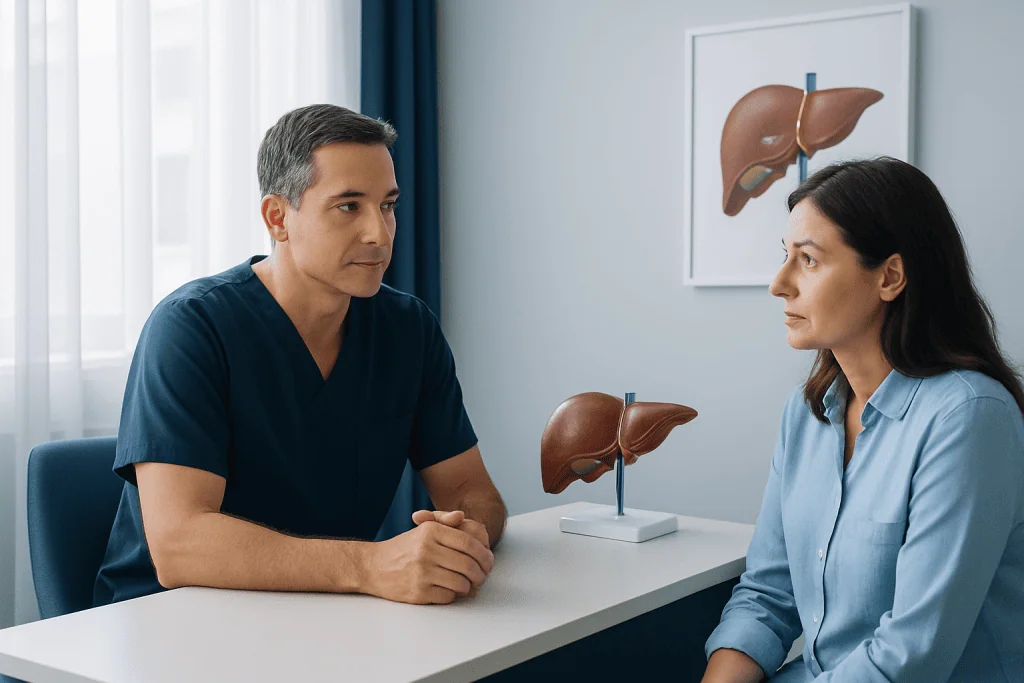
Many different conditions can lead to liver failure over time. Common causes include chronic hepatitis B or C, alcohol-related liver disease, fatty liver disease associated with metabolic risk factors, autoimmune hepatitis, primary biliary cholangitis, primary sclerosing cholangitis, and inherited liver diseases. Some people have more than one cause contributing to liver damage.
Risk factors that can increase the chance of progressive liver disease include long-term heavy alcohol use, obesity, type 2 diabetes, high blood pressure, abnormal cholesterol levels, untreated viral hepatitis, and exposure to certain toxins or medicines. Family history may be relevant for genetic liver conditions. In children, causes may include biliary atresia, metabolic disorders, or congenital liver conditions.
Identifying the cause matters because some liver diseases can be slowed, stabilized, or treated even before transplant becomes necessary. For example, antiviral therapy may control hepatitis, weight management and diabetes care may help fatty liver disease, and avoiding alcohol is essential for alcohol-related liver disease. Treating the cause can improve transplant readiness and may sometimes delay or prevent the need for transplantation.
How Patients Are Evaluated for Liver Transplant
Liver transplant evaluation is a structured process performed by a multidisciplinary team. The team usually includes transplant hepatologists, transplant surgeons, anesthesiologists, radiologists, cardiologists, infectious disease specialists, nurses, dietitians, social workers, psychologists or psychiatrists, and transplant coordinators. Each specialist looks at a different part of the patient’s health and preparation.
Medical testing commonly includes liver and kidney blood tests, clotting tests, blood type, viral hepatitis and HIV testing, infection screening, and tumor markers when cancer is suspected. Imaging tests such as ultrasound, CT, or MRI evaluate liver anatomy, blood vessels, bile ducts, and possible tumors. Some patients need endoscopy to check for enlarged veins, bone health testing, dental evaluation, or additional cancer screening based on age and risk.
Heart and lung assessment is important because transplant surgery places stress on the body. Depending on the patient’s age, symptoms, and medical history, testing may include an electrocardiogram, echocardiogram, stress testing, pulmonary function testing, or specialist consultation. Kidney function, diabetes control, nutritional status, frailty, and muscle strength are also reviewed because they influence surgical risk and recovery.
The evaluation also includes psychosocial and practical readiness. Patients are asked about mental health, substance use history, medication adherence, family or caregiver support, transportation, and the ability to attend frequent follow-up appointments. This part of the assessment is not meant to judge the patient; it helps the team create a safe plan for long-term care after transplant.
Scoring, Listing, and Donor Options
For many adults, urgency for deceased donor liver transplant is guided by the MELD score, which is calculated from blood tests that reflect liver and kidney function and blood clotting. In children, a related system called PELD may be used. Higher scores generally indicate a greater risk from liver disease and may increase priority on the waiting list, although additional rules and exception points may apply for certain conditions such as selected liver cancers.
Being placed on a transplant waiting list means the team has decided that transplant is appropriate and that the patient meets medical and program requirements. However, listing does not mean surgery will happen immediately. Waiting time depends on blood type, body size, medical urgency, donor availability, national or regional allocation rules, and whether living donor transplant is possible.
There are two main donor pathways. In deceased donor liver transplant, the liver comes from a person who has died and whose organs are suitable for donation. In living donor liver transplant, a healthy person donates a portion of their liver to the recipient. The liver has a unique ability to regenerate, but living donation still involves major surgery for the donor and requires a separate, careful evaluation to protect donor safety.
Some patients are not suitable candidates at a particular moment because of conditions that make surgery too risky or reduce expected benefit. These may include uncontrolled infection, certain active cancers outside transplant criteria, severe heart or lung disease, or ongoing substance use that has not yet been addressed. In many cases, the team works with the patient to treat reversible issues and reassess candidacy later.
Treatment Journey and Life After Transplant
During liver transplant surgery, the diseased liver is removed and the donor liver is connected to the recipient’s blood vessels and bile duct. After surgery, patients are monitored closely in the hospital while the new liver begins to function, medicines are adjusted, and the team watches for early complications. Recovery time varies depending on the person’s health before transplant, the complexity of surgery, and how quickly strength returns.
After transplant, patients take immunosuppressive medicines to reduce the risk of rejection. These medicines are essential, but they require regular monitoring because they can affect infection risk, kidney function, blood pressure, blood sugar, and other body systems. Patients should not stop or change transplant medicines unless their transplant team instructs them to do so.
Long-term follow-up includes blood tests, clinic visits, imaging when needed, vaccination planning, cancer screening, and management of conditions such as diabetes, high blood pressure, or bone thinning. If the original liver disease can recur, such as viral hepatitis, autoimmune disease, fatty liver disease, or alcohol-related liver disease, the team will create a plan to reduce that risk.
Most patients also need support in rebuilding daily routines. Gradual physical activity, balanced nutrition, safe food handling, sun protection, and avoiding tobacco are important parts of recovery. Emotional adjustment is also normal after transplant, and patients are encouraged to discuss mood changes, anxiety, sleep problems, or concerns about returning to work or travel with their care team.
Prevention and Self-Care Before Transplant
Patients with advanced liver disease can take practical steps to stay as well as possible while being evaluated or waiting for transplant. These steps are not a substitute for medical care, but they can improve readiness for surgery and reduce avoidable complications. The most important advice is to follow the treatment plan provided by the liver specialist and attend scheduled appointments.
Self-care often includes taking medicines exactly as prescribed, avoiding alcohol completely when advised, checking with a doctor before using herbal products or over-the-counter medicines, and maintaining recommended vaccinations. Nutrition is especially important because advanced liver disease can cause muscle loss even when body weight appears stable. A dietitian may recommend adequate protein, sodium restriction for fluid retention, or other individualized changes.
Patients should also report new symptoms early, including fever, worsening abdominal swelling, black stools, vomiting blood, increasing confusion, reduced urination, severe weakness, or new jaundice. Family members and caregivers play an important role because they may notice confusion or behavior changes before the patient does. Having a written medication list, emergency contacts, and transplant center contact information can help during urgent situations.
When to See a Doctor
Anyone diagnosed with cirrhosis or chronic liver disease should have regular follow-up with a qualified doctor, even if they feel well. Referral to a liver specialist is especially important if complications develop, blood tests worsen, imaging shows liver cancer, or hospital visits become more frequent. Early referral does not mean a transplant will definitely be needed; it allows time to evaluate options and plan care carefully.
Urgent medical attention is needed for symptoms such as vomiting blood, black or tarry stools, severe confusion, fainting, high fever, severe abdominal pain, or rapid worsening of jaundice. These symptoms can be related to complications of liver disease and should be assessed promptly by medical professionals.
Patients considering international care should ask about the transplant program’s experience, donor policies, infection prevention practices, accreditation, follow-up planning, and communication with doctors at home. Acibadem International’s multidisciplinary specialists and JCI-accredited hospitals diagnose and treat liver diseases, including transplant care for international patients, with evaluation tailored to each patient’s medical situation.
Frequently asked questions
Who is usually considered for a liver transplant?
Liver transplant is usually considered for people with end-stage liver disease, acute liver failure, selected liver cancers, or certain inherited and metabolic liver conditions. The decision depends on the severity of liver disease, overall health, expected benefit, and whether other treatments are still effective.
What is the MELD score and why does it matter?
The MELD score is a calculation based on blood tests that helps estimate the medical urgency of liver disease in many adults. It is used in deceased donor liver allocation systems, but it is not the only factor considered. Diagnosis, complications, cancer criteria, and local allocation rules may also affect priority.
Can a family member donate part of their liver?
In some cases, a healthy adult family member or another compatible donor may be evaluated for living donor liver transplant. The donor must undergo a separate medical, surgical, and psychological assessment. Donor safety is a central part of the decision, and not every willing person is medically suitable.
What tests are done before a liver transplant?
Evaluation usually includes blood tests, liver imaging, heart and lung tests, infection screening, cancer screening, nutrition assessment, and review of kidney function. Patients also meet members of the transplant team to discuss medicines, caregiver support, mental health, and follow-up needs.
How long does it take to get a liver transplant?
Waiting time varies widely and depends on medical urgency, blood type, body size, donor availability, and allocation rules. Some patients may wait a short time, while others may wait longer. Living donor transplant may be an option for selected patients and donors, but it requires careful evaluation.
Will liver disease come back after transplant?
Some liver diseases can recur after transplant, while others are cured by replacing the liver. The risk depends on the original condition and factors such as viral control, alcohol abstinence, weight management, and immune system activity. Regular follow-up helps detect and manage recurrence early.
What lifestyle changes are important after liver transplant?
Patients need to take immunosuppressive medicines exactly as prescribed and attend regular follow-up visits. Healthy nutrition, safe exercise, infection prevention, sun protection, avoiding tobacco, and limiting alcohol as advised are important. Any new medicine or supplement should be discussed with the transplant team first.
References
- American Association for the Study of Liver Diseases
- European Association for the Study of the Liver
- United Network for Organ Sharing
- National Institute of Diabetes and Digestive and Kidney Diseases
- World Health Organization
This article is for general information only and is not a substitute for professional medical advice. Please consult a qualified doctor about your individual situation.
Explore treatments in Turkey — costs, top hospitals & a free quote
JCI-accredited · board-certified surgeons · reply within 24h
Add us as a Preferred Source to see more of our trusted health content across Google Search, AI Overviews and Discover.
Check your numbers in seconds
BMI, calories, due date, blood pressure and 30+ more clinical calculators — free, instant, doctor-reviewed ranges.