Longest Surviving Bone Marrow Transplant Recipient: Procedure, Recovery and Results

Some bone marrow transplant recipients live for decades, but outcomes vary widely between individuals. A bone marrow transplant replaces damaged or diseased blood-forming cells with healthy stem cells.
Key Takeaways
- Some bone marrow transplant recipients live for decades, but outcomes vary widely between individuals.
- A bone marrow transplant replaces damaged or diseased blood-forming cells with healthy stem cells.
- The first 30 and 100 days require close monitoring for infections, graft-versus-host disease and blood-count recovery.
- Long-term recovery can include returning to work, family life and physical activity, while continuing regular follow-up.
- Transplant suitability and results depend on the diagnosis, health status, donor availability and transplant approach.
There is no single universally verified answer to who is the longest surviving bone marrow transplant recipient, because records differ by country, disease, transplant type and follow-up methods. Many transplant recipients now live for decades, and long-term outcomes depend on the original condition, donor match, complications and ongoing specialist care.
Overview: longest survival after bone marrow transplant
The phrase “longest surviving bone marrow transplant recipient” does not have one definitive, globally accepted answer. Bone marrow transplantation has been performed for many decades, and some recipients of early transplants have lived for several decades afterward. Individual survival stories are encouraging, but they cannot predict the outlook for a particular person.
A bone marrow transplant, also called a hematopoietic stem cell transplant, gives healthy blood-forming stem cells to a person whose own marrow is not working properly or has been affected by disease or intensive treatment. The stem cells may come from the patient’s own body (autologous transplant) or from a donor (allogeneic transplant).
Today, transplant outcomes are shaped by improved donor matching, infection prevention, supportive medicines and closer monitoring. The best way to understand an individual outlook is to discuss the underlying diagnosis, transplant type and personal health factors with a transplant hematology team.
How a bone marrow transplant works and who may need one
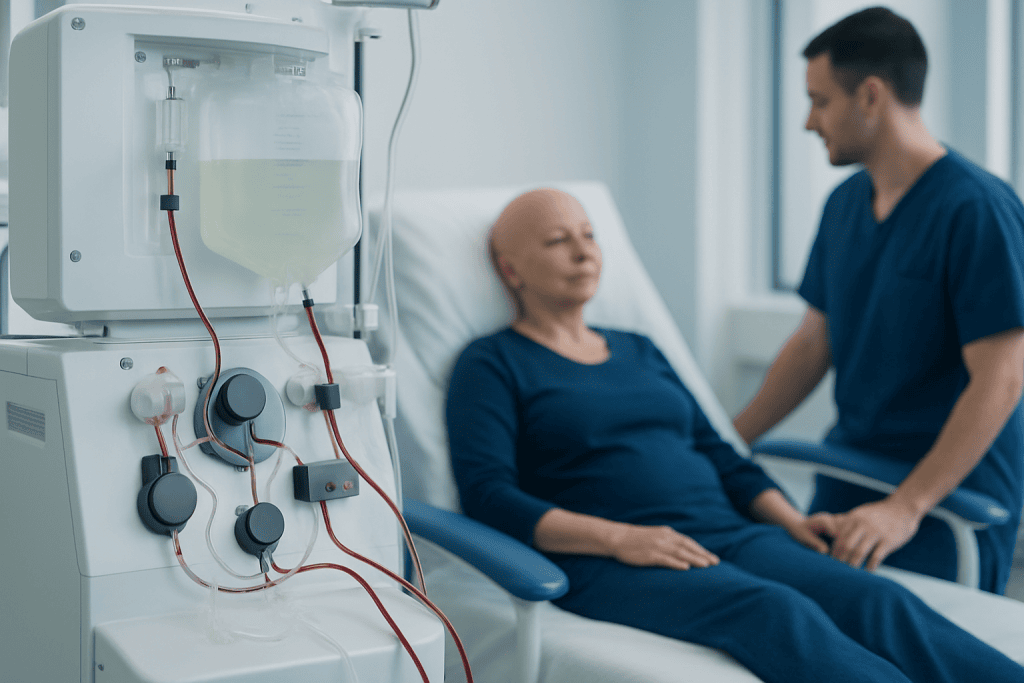
Bone marrow is the soft tissue inside bones that produces red blood cells, white blood cells and platelets. A transplant works by establishing a new supply of blood-forming stem cells. These cells travel through the bloodstream to the bone marrow spaces, where they can settle, grow and begin producing new blood cells. This process is known as engraftment.
Transplants may be considered for blood cancers such as leukemia, lymphoma and multiple myeloma, as well as certain bone marrow failure disorders, inherited blood conditions and immune disorders. The role of transplant differs by condition: it may be used to replace marrow damaged by high-dose treatment, reduce the risk of disease returning or provide a functioning immune and blood-forming system from a donor.
Suitability is assessed carefully. The team considers the disease type and stage, response to earlier treatment, age, organ function, infection status, general fitness, donor availability and the person’s goals. A transplant is a major treatment, so the potential benefits must be weighed against short- and long-term risks.
For people being assessed for this approach, bone marrow transplant treatment involves coordinated care from hematology, oncology, infectious disease, nursing, nutrition, rehabilitation and other relevant specialties.
The procedure: preparation, infusion and engraftment

Before transplant, patients undergo detailed testing. This often includes blood tests, imaging when needed, heart and lung assessments, infection screening and an evaluation of kidney and liver function. For allogeneic transplant, donor testing and compatibility assessment are also essential. Stem cells can be collected from circulating blood, bone marrow or, in selected circumstances, stored cord blood.
Most patients receive conditioning treatment before the infusion. Conditioning may involve chemotherapy, radiation therapy or both. It aims to reduce remaining diseased cells, make room in the marrow and, for donor transplants, suppress the immune system enough to help donor cells establish themselves. The intensity of conditioning is tailored to the diagnosis and a person’s overall health.
The stem cell infusion itself is usually given through a central venous catheter, much like a blood transfusion. It does not involve surgery to place cells into the bones. Afterward, the patient is monitored closely while blood counts fall and then recover. Engraftment often begins within weeks, although timing varies with the stem cell source, transplant type and clinical circumstances.
During this period, patients may need transfusions, preventive medicines, nutrition support and treatment for side effects. For donor transplants, medicines are also used to lower the chance of graft-versus-host disease, a condition in which donor immune cells attack healthy tissues.
What happens 30 days after a stem cell transplant?
At around 30 days after a stem cell transplant, many people are still in the early recovery phase. Blood cell production may be starting to recover, but immunity remains weak. Frequent blood tests and appointments help the transplant team monitor engraftment, medication effects, kidney and liver function, nutrition and signs of infection.
Common challenges in the first month can include tiredness, poor appetite, nausea, mouth soreness, diarrhea, skin changes and low blood counts. These effects may result from conditioning treatment, medications, infections or the transplant itself. They should be reported promptly because some require treatment or adjustments to care.
For an allogeneic transplant, clinicians watch carefully for early graft-versus-host disease. Symptoms can affect the skin, digestive system or liver and may include rash, persistent diarrhea, abdominal symptoms or jaundice. Not every symptom indicates graft-versus-host disease, but early assessment is important.
Patients are generally advised to follow infection-prevention guidance closely, take prescribed medicines consistently, avoid crowded or high-risk exposure settings when instructed, and contact their transplant team before taking supplements or non-prescribed medicines.
What happens 100 days after a bone marrow transplant?
The first 100 days after a bone marrow transplant are often considered a particularly important monitoring period. By this point, many patients have achieved engraftment and may be spending more time at home, but the immune system is still rebuilding. Recovery is not complete simply because blood counts improve.
At approximately day 100, the team may perform blood tests and, for some conditions, bone marrow testing or imaging to assess disease status and donor-cell engraftment. The exact tests depend on the original diagnosis and transplant type. Medication plans, including infection prevention and immune-suppressing treatment, are reviewed and adjusted when appropriate.
Possible issues during this stage include infections, delayed immune recovery, medication side effects, recurrence of the original disease and acute or evolving chronic graft-versus-host disease. Fatigue and reduced stamina are also common. Regular follow-up allows concerns to be identified early rather than waiting for symptoms to become severe.
The 100-day milestone is meaningful, but it is not a finish line. Longer-term follow-up remains essential to support immune recovery, vaccinations, screening for late effects and a safe return to everyday activities.
What is life like after a bone marrow transplant?
Life after a bone marrow transplant can gradually become more normal, but the pace differs from person to person. Many people return to valued activities, relationships, school or work over time. However, recovery may involve physical, emotional and practical adjustments, particularly during the first year.
Fatigue can persist even after blood counts improve. Strength, appetite, sleep and concentration often return gradually. A rehabilitation plan may include gentle physical activity, nutrition support and strategies for managing energy. Emotional support can also be valuable, since uncertainty, anxiety and changes in family or work roles are common after intensive treatment.
People who have received donor cells may need immune-suppressing medicines for a prolonged period and regular monitoring for chronic graft-versus-host disease. Long-term care may also include vaccinations once the transplant team confirms it is safe, as prior immunity may have been reduced by conditioning treatment.
Survivorship care is individualized. It may include monitoring for hormone changes, bone health, heart or lung effects, fertility concerns, secondary cancers and the possibility of disease recurrence. The aim is not only survival, but also supporting health, function and quality of life over the years ahead.
How long do bone marrow transplants last?
A successful bone marrow transplant is intended to provide lasting blood-cell production. In an allogeneic transplant, donor stem cells can remain in the marrow and produce blood cells for the rest of a person’s life. In an autologous transplant, the patient’s own collected stem cells restore marrow function after intensive treatment, but the long-term outlook depends largely on how the original disease responds.
It is more accurate to think of transplant durability in terms of long-term disease control and stable engraftment rather than a fixed number of years. Some patients remain well for decades. Others may experience relapse, graft failure, chronic graft-versus-host disease or treatment-related complications that affect their outcome.
Factors associated with results include the reason for transplant, disease status at transplant, donor compatibility, stem cell source, conditioning regimen, age, overall health and complications after treatment. Statistics can describe groups of patients but cannot accurately determine one individual’s future.
Ongoing specialist follow-up is important even for people who feel well years later. It helps manage late effects, maintain preventive care and investigate new symptoms in the context of transplant history.
Risks, benefits and when to seek medical care
The potential benefit of transplant is the opportunity to restore healthy blood-cell formation, treat certain otherwise difficult conditions or achieve long-term disease control. For some people, it may offer the best chance of cure. At the same time, it carries significant risks, including infections, bleeding, organ effects, infertility, relapse, graft failure and graft-versus-host disease after donor transplantation.
Patients should contact their transplant team urgently for fever or chills, new shortness of breath, chest pain, confusion, severe or persistent vomiting or diarrhea, inability to drink fluids, unusual bleeding, a rapidly spreading rash, jaundice, severe abdominal pain or a sudden decline in well-being. The exact temperature threshold and emergency plan should be confirmed with the individual treatment team.
Scheduled follow-up should not be delayed, even when recovery appears to be going well. New symptoms may be related to infection, medication effects, graft-versus-host disease or another issue that can be easier to manage when recognized early.
Acibadem International’s multidisciplinary specialists and JCI-accredited hospitals provide assessment, transplantation and follow-up care for international patients when a bone marrow transplant is clinically appropriate.
Frequently asked questions
Who is the longest surviving bone marrow transplant recipient?
There is no single, universally verified record for the longest surviving bone marrow transplant recipient. Early successful recipients and many later recipients have lived for decades, but published records may not capture every long-term survivor. A person’s outlook depends on their diagnosis, transplant type, donor match and follow-up care.
Can a person live a normal life after a bone marrow transplant?
Many people return to active and fulfilling lives after recovery, including work, education, travel and family activities. Recovery can take months to more than a year, and some people need ongoing care for late effects or graft-versus-host disease. The transplant team can give individualized guidance on activities and precautions.
How long does it take for the immune system to recover after a bone marrow transplant?
Immune recovery usually takes many months and can take longer after a donor transplant or when immune-suppressing medicines are needed. Blood counts may recover sooner than full immune function. Preventive medicines, hygiene measures and a planned vaccination schedule are commonly part of recovery.
Is a bone marrow transplant the same as a stem cell transplant?
These terms are often used interchangeably because both involve blood-forming stem cells. Stem cells may be collected directly from bone marrow or from blood after mobilization, rather than from marrow alone. The treatment goal and major recovery considerations are similar.
What are the most important first signs of complications after transplant?
Fever, chills, breathing difficulty, persistent diarrhea, vomiting, rash, jaundice, unusual bleeding and marked weakness should be discussed with the transplant team promptly. Symptoms may have several causes, including infection, medication effects or graft-versus-host disease. Patients should follow the emergency instructions provided by their own transplant center.
Can bone marrow transplant complications occur years later?
Yes, some effects can develop or continue long after early recovery, particularly after donor transplantation. These may include chronic graft-versus-host disease, hormonal changes, bone health concerns, organ effects and a small risk of later cancers. Lifelong or long-term follow-up helps identify and manage these concerns.
References
- World Health Organization
- National Cancer Institute
- European Society for Blood and Marrow Transplantation
- American Society of Hematology
- Centers for Disease Control and Prevention
This article is for general information only and is not a substitute for professional medical advice. Please consult a qualified doctor about your individual situation.
Bone Marrow Transplant in Turkey — costs, top hospitals & a free quote
JCI-accredited · board-certified surgeons · reply within 24h
Add us as a Preferred Source to see more of our trusted health content across Google Search, AI Overviews and Discover.

Organ Transplantation
Kidney, liver and bone-marrow transplantation programs with dedicated coordination.
4 specialists in this unit