

Loose Skin After Major Weight Loss: What to Expect After Bariatric Surgery

Loose skin after weight loss depends on age, genetics, weight history, amount of weight lost, smoking, sun exposure and overall skin elasticity. Skin may continue to adjust for many months, but significant excess skin often remains after major weight loss.
Key Takeaways
- Loose skin after weight loss depends on age, genetics, weight history, amount of weight lost, smoking, sun exposure and overall skin elasticity.
- Skin may continue to adjust for many months, but significant excess skin often remains after major weight loss.
- Strength training, balanced nutrition, hydration and skin care can improve comfort and body shape, but they cannot remove large skin folds.
- Body contouring surgery may be considered after weight is stable and nutrition is optimized, usually with specialist assessment.
- Medical advice is important if skin folds cause rashes, infections, wounds, pain or major emotional distress.
Loose skin after major weight loss is common, especially after bariatric surgery, because skin may not fully shrink back after years of stretching. It is usually not dangerous, but it can affect comfort, hygiene, body image and daily activities, and several supportive and medical options are available.
Overview
Loose skin after weight loss is a normal and understandable concern for many people who have lost a large amount of weight. After years of stretching, the skin’s collagen and elastin fibers may not contract enough to match the body’s new shape. This can lead to soft folds or hanging skin on the abdomen, arms, thighs, breasts, back, buttocks, face or neck.
People who undergo bariatric surgery may notice loose skin more clearly because weight loss can be substantial and relatively rapid. The issue does not mean that weight loss was unsuccessful. In fact, it often reflects a major health achievement, but it may still create practical and emotional challenges that deserve care and support.
Loose skin is not usually a medical emergency. However, skin folds can trap moisture and friction, sometimes leading to irritation, rashes, odor, fungal infections or sores. A patient-friendly plan may include nutrition, exercise, skin care, monitoring, and in selected cases, body contouring surgery once weight and health are stable.
Why Loose Skin Happens After Major Weight Loss
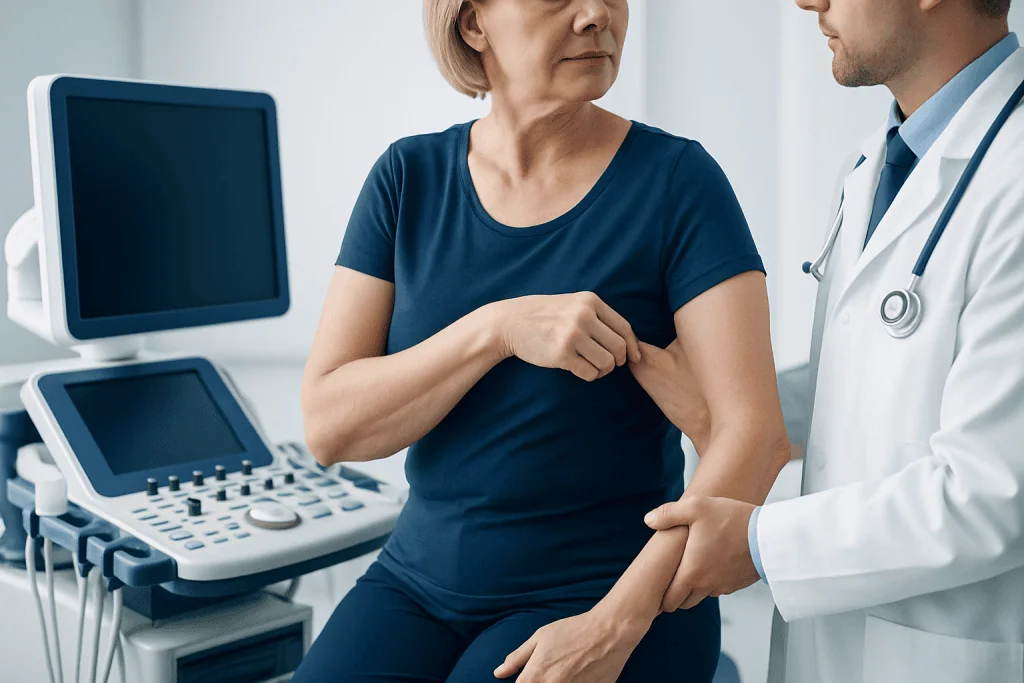
Skin is a living organ that stretches as the body changes. During weight gain, the skin expands to cover increased body volume. If the skin has been stretched for a long time, or if weight loss is large, the support structure in the skin may be less able to recoil completely. This is why two people who lose the same amount of weight may have very different degrees of loose skin.
Several factors influence skin elasticity. These include age, genetics, the amount of weight lost, how long a person lived with excess weight, smoking history, sun exposure, pregnancy history, and general nutrition. Younger skin often has more elasticity, but age alone does not predict the outcome. A person’s overall health, muscle mass and skin quality also matter.
The speed of weight loss may play a role, but it is not the only reason for loose skin. After procedures such as gastric sleeve surgery or gastric bypass, the body may lose weight faster than skin can adapt. Even with gradual weight loss, significant excess skin may remain if the starting weight was high or the skin was stretched for many years.
What to Expect Over Time

Loose skin often becomes more noticeable as weight decreases and fat under the skin is reduced. In the first months after bariatric surgery, the body is changing quickly, and it can be difficult to judge the final skin outcome. Many specialists recommend waiting until weight has been stable for a period of time before considering surgical skin removal, because the body shape can continue to change.
Some mild looseness may improve over months as the skin gradually adapts and muscle tone improves. However, large folds of excess skin usually do not disappear completely with creams, supplements or exercise. It is helpful for patients to have realistic expectations: healthy habits can improve comfort, strength and appearance, but they cannot fully reverse stretched skin structure.
The emotional experience is also important. Some patients feel proud of their weight loss but disappointed that loose skin remains. Others feel discomfort in clothing, during exercise or in social situations. These feelings are common and valid. Support from bariatric teams, psychologists, dietitians and surgeons can help patients adjust to their changing body and make informed choices.
Common Areas and Possible Symptoms
Loose skin can appear in different areas depending on weight distribution and individual anatomy. The abdomen is one of the most common areas, sometimes forming an apron-like fold. The upper arms may develop hanging skin, often called “bat wings.” The inner thighs, breasts, chest, back and buttocks may also change after major weight loss.
For many people, loose skin is mainly a cosmetic or comfort concern. For others, it can cause physical symptoms. Skin folds may rub together during walking or exercise, making movement uncomfortable. Moisture can collect in folds, especially in warm weather, increasing the risk of irritation or infection. Bra straps, waistbands and compression garments may also press into skin folds and cause discomfort.
- Persistent redness, itching or burning in skin folds
- Recurrent fungal or bacterial infections
- Open sores, bleeding or unpleasant odor
- Back, neck or shoulder discomfort related to heavy folds
- Difficulty exercising, walking or finding comfortable clothing
- Emotional distress, low confidence or avoidance of social activities
These symptoms should be discussed with a qualified doctor. Documentation of recurrent rashes or infections may also be useful if a patient later explores reconstructive options, because some procedures may be considered medically necessary when excess skin causes ongoing health problems.
Self-Care, Nutrition and Exercise
Self-care cannot remove major excess skin, but it can protect skin health and improve comfort. Gentle cleansing and careful drying of skin folds help reduce moisture. Some patients benefit from breathable clothing, moisture-wicking fabrics or properly fitted support garments. A doctor or dermatologist may recommend specific treatments if rashes, yeast infections or dermatitis occur.
Nutrition is especially important after bariatric procedures because the body needs adequate protein, vitamins and minerals for healing, muscle maintenance and skin health. Patients should follow their bariatric team’s plan for meals and supplements. Crash dieting or inadequate protein can worsen fatigue, hair shedding, muscle loss and poor wound healing. Hydration also supports general health, although drinking more water alone will not tighten large skin folds.
Exercise can improve function and body composition. Strength training helps build or preserve muscle, which may make the body look firmer and support joints during daily activity. Walking, swimming, cycling and resistance exercises are often introduced gradually after medical clearance. A physiotherapist or exercise specialist can help create a safe plan, particularly for patients with joint pain, hernias, balance issues or limited mobility.
Treatment Options for Excess Skin
Non-surgical treatments, such as massage, radiofrequency, ultrasound-based skin tightening or topical products, may provide modest improvements for mild looseness in some people. Their effects are usually limited when there is a large amount of hanging skin after major weight loss. Patients should be cautious about treatments that promise dramatic tightening without surgery, and they should discuss options with a qualified clinician.
Body contouring surgery is the main medical option for removing significant excess skin. Procedures may include abdominoplasty or panniculectomy for the abdomen, arm lift, thigh lift, breast lift, lower body lift or other tailored approaches. These operations are different from weight loss surgery; they reshape the body after weight has been lost. They may improve hygiene, movement and clothing fit, but they also involve scars, recovery time and surgical risks.
Specialists usually assess whether weight is stable, nutrition is adequate, medical conditions are controlled and the patient has realistic expectations. Many patients who had gastric bypass or sleeve gastrectomy are advised to wait until the rapid weight loss phase has ended before elective body contouring. The timing varies, so decisions should be individualized.
Planning may involve a bariatric surgeon, plastic and reconstructive surgeon, dietitian, dermatologist and mental health professional. At Acibadem International, multidisciplinary specialists in JCI-accredited hospitals evaluate and treat international patients with obesity, bariatric surgery needs and post-weight-loss concerns, using individualized assessment rather than a one-size-fits-all approach.
Prevention: Can Loose Skin Be Avoided?
Loose skin cannot always be prevented, especially after very large weight loss. Skin elasticity is partly determined by genetics, age and long-term stretching, which are not fully controllable. However, healthy habits may reduce skin irritation, support muscle tone and improve the overall result after weight loss.
Patients preparing for bariatric surgery can ask their team about expected body changes, nutrition, exercise and long-term follow-up. Maintaining recommended protein intake, taking prescribed supplements, avoiding smoking, protecting skin from excessive sun exposure and building strength gradually may all support healthier skin and tissue. These steps are valuable even if they do not eliminate excess skin.
It is also helpful to set expectations early. Major weight loss is a process, not a single event. The body may change quickly at first and then more slowly. Patients who understand that loose skin may occur are often better prepared emotionally and practically, and they can seek help sooner if skin problems affect daily life.
When to See a Doctor
A doctor should be consulted if loose skin causes repeated rashes, itching, pain, odor, open wounds, bleeding, drainage or signs of infection. Patients should also seek advice if skin folds make it difficult to exercise, walk, maintain hygiene or perform daily activities. Early treatment of irritation can prevent symptoms from becoming more uncomfortable.
Medical review is also important before trying strong creams, antiseptics or over-the-counter antifungal treatments repeatedly, especially after bariatric surgery. Some skin problems need a specific diagnosis, and persistent rashes may have more than one cause. A dermatologist, bariatric physician or primary care doctor can guide safe treatment.
Patients considering body contouring should ask for assessment after their weight has stabilized and nutritional status has been checked. The best timing depends on the individual’s health, weight trend, goals and surgical risk. A qualified specialist can explain realistic outcomes, scars, recovery, possible complications and whether procedures should be staged over time.
Frequently asked questions
Is loose skin after bariatric surgery normal?
Yes. Loose skin after bariatric surgery is common because weight loss can be significant and the skin may not fully shrink back. It is not a sign that the surgery failed; it is a normal body response after major weight reduction.
Will loose skin tighten on its own over time?
Mild looseness may improve gradually over months, especially with stable weight, good nutrition and strength training. Large folds of excess skin are less likely to disappear completely without surgery. The final result varies from person to person.
Can exercise remove loose skin?
Exercise cannot remove excess skin, but it can improve muscle tone, strength and body shape. Resistance training may make some areas look firmer and can improve comfort and mobility. Patients should start gradually and follow medical advice after bariatric surgery.
Do creams or collagen supplements tighten loose skin?
Moisturizers can improve skin comfort and dryness, but they cannot remove large folds of loose skin. Collagen or skin-tightening products may have limited effects, and evidence for dramatic tightening is not strong. Patients should be cautious with expensive products that promise major results.
When can someone consider skin removal surgery after weight loss?
Body contouring is usually considered after weight has been stable and nutrition is adequate. Many patients wait until the rapid weight loss phase has ended, but timing is individualized. A plastic or reconstructive surgeon can assess health, goals, risks and the best procedure plan.
Can loose skin cause medical problems?
It can. Skin folds may trap sweat and moisture, leading to friction, rashes, fungal infections, sores or discomfort during movement. Recurrent irritation, wounds or infections should be evaluated by a doctor.
How can patients cope emotionally with loose skin?
It is common to feel mixed emotions after major weight loss, including pride, frustration or self-consciousness. Speaking with a bariatric team, counselor or support group can help patients adjust to body changes. Medical and surgical options can also be discussed when the time is appropriate.
References
- American Society for Metabolic and Bariatric Surgery
- National Institute of Diabetes and Digestive and Kidney Diseases
- American Academy of Dermatology Association
- American Society of Plastic Surgeons
- National Institute for Health and Care Excellence
This article is for general information only and is not a substitute for professional medical advice. Please consult a qualified doctor about your individual situation.
Bariatric Surgery in Turkey — costs, top hospitals & a free quote
JCI-accredited · board-certified surgeons · reply within 24h

Related Treatments
Related Conditions
More from the Health Library



Related Specialists
Prof. Dr. Tayfun Karahasanoğlu
General Surgery
Prof. Dr. Güralp Onur Ceyhan
General Surgery
Prof. Dr. Volkan Özben
General Surgery
Assoc. Prof. Dr. Halil Kara
General Surgery