Loose Skin — Explained by Medical Evidence, Not Myths
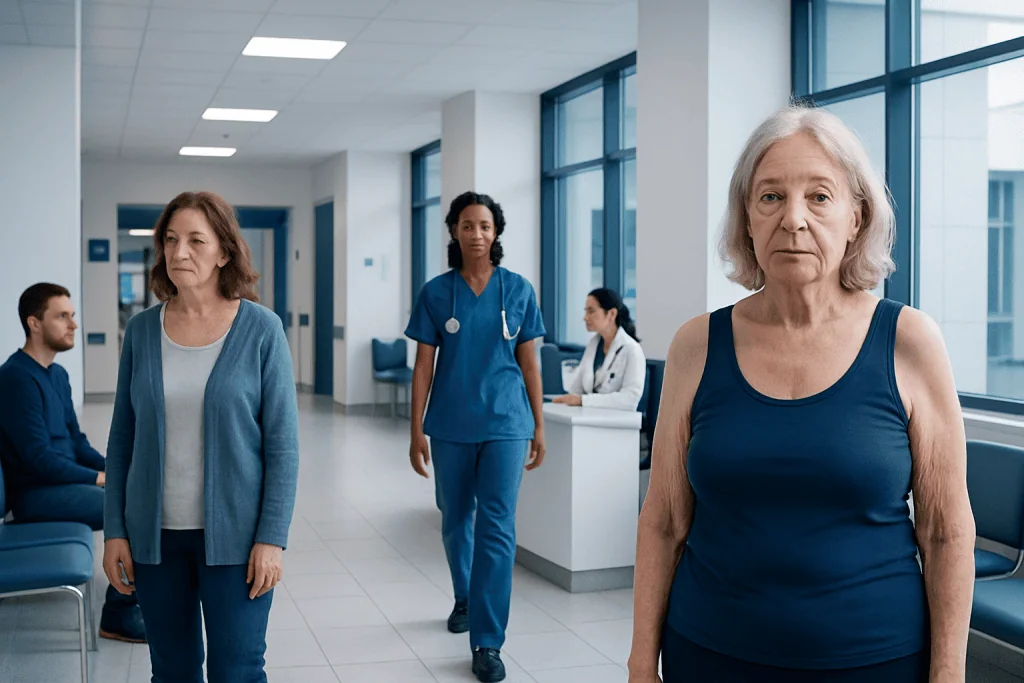
Loose skin develops when collagen and elastin fibers provide less support or when body volume decreases faster than skin can adapt. Aging, sun exposure, smoking, pregnancy, genetics, and substantial weight loss can all contribute to skin laxity.
Key Takeaways
- Loose skin develops when collagen and elastin fibers provide less support or when body volume decreases faster than skin can adapt.
- Aging, sun exposure, smoking, pregnancy, genetics, and substantial weight loss can all contribute to skin laxity.
- Lifestyle measures can improve overall skin health and muscle tone, but they cannot reliably remove a significant amount of excess skin.
- Non-surgical procedures may produce modest tightening for selected people; surgery is the most definitive option for substantial excess skin.
- A clinician should assess loose skin associated with rashes, sores, infection, pain, or a new unexplained change in the body.
Loose skin is usually a harmless result of reduced skin elasticity or a change in body volume, such as after weight loss, pregnancy, or normal aging. Skin care, exercise, and stable weight may support skin health, while medical or surgical treatments can be considered when excess skin causes discomfort or affects quality of life.
Loose Skin: What It Means
Loose skin, also called skin laxity, occurs when the skin does not fully conform to changes in the body beneath it. It may appear as fine creasing, a less firm texture, or folds of extra skin. This is common with normal aging and after changes such as pregnancy or weight loss, and it is not usually a sign of illness.
Healthy skin is supported by collagen, elastin, and other structures in the dermis, its deeper layer. Collagen helps provide strength, while elastin allows skin to stretch and return toward its usual shape. Over time, or after prolonged stretching, these fibers can become less abundant or less organized. The skin may then be less able to retract.
The amount of loose skin varies widely. It depends on a person’s age, genetic factors, skin tone, sun exposure history, smoking status, the amount and speed of weight change, and how long the skin was stretched. Some people notice mild laxity in the face, neck, arms, abdomen, thighs, or breasts; others develop more substantial skin folds after major weight loss.
Why Loose Skin Develops
Aging is one of the most common causes of loose skin. Beginning gradually in adulthood, the body produces less collagen and elastin, and skin may become thinner and drier. Changes in facial fat, muscle, and bone structure also affect the way skin is supported, which is why laxity can become more noticeable over time.
Weight loss can uncover excess skin, especially when a person has carried a higher body weight for years or loses a large amount of weight. Losing weight can bring important health benefits, but fat tissue may decrease faster than stretched skin can contract. Loose skin is particularly common after major weight loss achieved through lifestyle changes, medicines, or bariatric procedures.
Pregnancy can stretch abdominal skin and tissues, and hormonal changes may influence connective tissue. Some improvement often occurs in the months after delivery, but the degree differs from person to person. Other contributors include repeated weight cycling, chronic sun exposure, smoking, poor nutrition, dehydration, and inherited differences in skin structure.
Loose skin should not be confused with localized fat. Both can change body contours, but fat is tissue stored beneath the skin, whereas loose skin is primarily a change in the skin envelope itself. A medical examination can help distinguish these concerns and identify whether a skin, hormonal, nutritional, or weight-related issue also needs attention.
Common Areas and Effects on Daily Life

Loose skin may occur anywhere, although it is commonly noticed on the upper arms, abdomen, inner thighs, buttocks, breasts, face, jawline, and neck. After substantial weight loss, the lower abdomen may form an overhanging fold, sometimes called a pannus. The appearance and degree of folding can change with posture and movement.
For many people, the main concern is cosmetic or emotional. Body changes can affect confidence, clothing choices, comfort in social settings, or adjustment after a major health journey. These concerns are valid, and discussing them openly with a qualified clinician can help a person make informed decisions without pressure to pursue a procedure.
In some cases, skin folds cause practical symptoms. Moisture and friction can lead to chafing, itching, odor, or recurrent rashes. Difficulty keeping deep folds clean and dry can occasionally contribute to skin breakdown or infection. Excess abdominal skin may also interfere with exercise, walking, personal hygiene, or finding comfortable clothing.
It is useful to have realistic expectations. Mild laxity may be less noticeable with time, particularly after pregnancy or gradual weight change. However, skin that has been significantly stretched for a long period may not return completely to its earlier contour without a procedure that removes excess tissue.
How Clinicians Assess Loose Skin
Loose skin is usually assessed through a medical history and physical examination. A clinician may ask about recent weight changes, pregnancy, previous surgery, skin symptoms, sun exposure, smoking, medications, and any medical conditions that affect healing. They will examine the area for the amount and location of skin laxity, rashes, scars, and signs of infection.
Tests are not routinely needed for ordinary skin laxity. However, blood tests or further evaluation may be appropriate when rapid unintentional weight loss, fatigue, digestive symptoms, changes in appetite, or other concerning symptoms are present. These symptoms may point to a separate medical issue that deserves assessment.
For people considering a procedure after weight loss, clinicians generally look for a stable weight and overall good health. They may review nutritional status, diabetes control, smoking or nicotine use, medications that affect bleeding, and plans for future pregnancy. These factors can influence safety, healing, scars, and the durability of a result.
A consultation should focus on the person’s goals as well as physical findings. The clinician can explain what is realistically achievable, discuss whether the concern is primarily excess skin, remaining fat, reduced muscle tone, or a combination, and outline reasonable next steps.
What Can Help: Evidence-Based Options
Healthy habits cannot remove a large amount of excess skin, but they can support skin health and body composition. Maintaining a stable weight, eating enough protein and a varied nutrient-rich diet, staying physically active, sleeping adequately, avoiding smoking, and protecting skin from ultraviolet radiation are sensible long-term measures. Hydration supports general health, although drinking extra water has not been shown to tighten substantial loose skin.
Resistance training can build muscle under the skin and improve strength, posture, and body contour. It may make mild laxity less noticeable in some areas, but it does not replace lost collagen or remove redundant skin. Over-the-counter creams and supplements are often marketed as tightening solutions; evidence that they meaningfully correct significant loose skin is limited. Retinoid-containing topical products may improve some fine texture changes when medically appropriate, but they should be used with professional guidance, especially during pregnancy or breastfeeding.
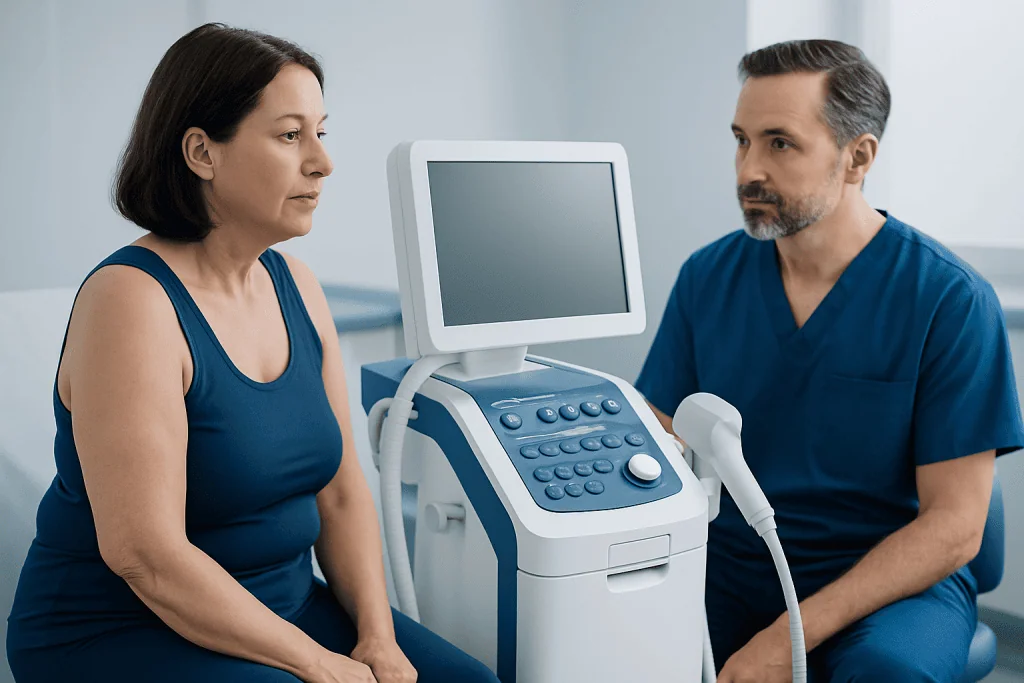
Non-surgical options may be considered for mild to moderate laxity in selected individuals. Depending on the area and skin type, these can include energy-based procedures that use radiofrequency, ultrasound, or certain laser technologies to encourage collagen remodeling. Results are generally gradual and modest, more than one session may be needed, and these treatments do not remove large skin folds. A qualified dermatologist or plastic surgeon can explain benefits, limitations, side effects, and suitability.
For substantial excess skin, body-contouring surgery is the most effective way to remove and reshape tissue. Procedures vary by location and may include an abdominal contouring operation, arm lift, thigh lift, breast lift, or removal of an overhanging abdominal fold. Surgery involves scars, anesthesia, recovery time, and risks such as bleeding, infection, fluid collections, wound-healing problems, and changes in sensation. Careful evaluation and informed consent are essential.
Prevention and Everyday Skin Care
Not all loose skin can be prevented, since aging, pregnancy, and genetics are natural influences. Still, protecting skin from avoidable damage may help preserve its quality over time. Daily sun protection, including shade, protective clothing, and broad-spectrum sunscreen, reduces ultraviolet damage that contributes to collagen breakdown and premature skin aging.
Avoiding smoking and nicotine products is important for skin and overall health. Nicotine can impair circulation and wound healing, while smoking is associated with premature skin aging. People planning any skin-tightening procedure or surgery should follow their clinician’s advice about stopping nicotine well in advance and throughout recovery.
When weight loss is a goal, gradual, sustainable changes are often easier to maintain and support overall wellbeing. The ideal pace differs based on health needs, starting weight, medicines, and medical conditions. A doctor or registered dietitian can help develop a safe plan that protects nutritional intake and muscle mass.
For skin folds, gentle cleansing followed by thorough drying can reduce moisture-related irritation. Breathable clothing and barrier products recommended by a clinician may help prevent friction. Persistent rash should not be treated only with cosmetic products, because fungal, bacterial, or inflammatory skin conditions may need specific treatment.
When to Seek Medical Care
Medical care is advisable when loose skin causes recurrent rashes, open areas, bleeding, painful chafing, foul odor, drainage, fever, or signs of infection such as increasing warmth and redness. A clinician can identify the cause and recommend appropriate skin treatment. Prompt assessment is especially important for people with diabetes, reduced immunity, or circulation problems.
A person should also speak with a doctor about sudden or unexplained changes in skin appearance, rapid unintentional weight loss, persistent fatigue, weakness, digestive symptoms, or a new lump beneath the skin. Loose skin alone is usually benign, but these accompanying symptoms may require a broader health evaluation.
Those considering a non-surgical treatment or surgery should consult an appropriately qualified specialist rather than relying on unregulated products or procedures. An individualized assessment can clarify expected results, recovery needs, scar placement, and the potential risks in light of the person’s medical history.
Acibadem International’s multidisciplinary specialists and JCI-accredited hospitals assess skin concerns and body-contouring needs for international patients, with care plans guided by individual health circumstances and treatment goals.
Frequently asked questions
Can loose skin tighten naturally after weight loss?
Some natural tightening can occur, particularly after smaller or gradual weight changes and in younger skin. The process may take months, but substantial excess skin often does not fully retract because collagen and elastin have been stretched or reduced. A stable weight gives the skin time to adapt before considering a procedure.
Does exercise get rid of loose skin?
Exercise cannot remove excess skin itself. Strength training can build muscle, improve function, and enhance contour beneath the skin, which may make mild laxity less noticeable. It also supports weight maintenance and overall health.
Do collagen supplements help loose skin?
Some research suggests collagen peptides may modestly improve skin hydration or elasticity in certain settings, but they are not proven to remove significant loose skin or skin folds. Supplements can interact with individual health needs and should not replace balanced nutrition or medical care. A clinician can advise whether a supplement is appropriate.
Which treatments work best for loose skin?
The most suitable option depends on the amount of laxity, the body area, skin quality, health status, and personal goals. Non-surgical energy-based treatments may offer modest improvement for mild laxity. Surgery is generally the most definitive treatment for substantial excess skin, but it requires recovery and leaves scars.
How long should someone wait after weight loss before skin removal surgery?
Clinicians commonly prefer weight to be stable before body-contouring surgery, because further significant weight loss or weight regain can change the result. The appropriate timing varies with the method of weight loss, nutritional health, medical conditions, and future pregnancy plans. A plastic surgeon can provide individualized guidance.
Is loose skin after pregnancy permanent?
Abdominal skin and tissues may improve gradually after pregnancy, especially during the months after delivery. The extent of change depends on factors such as genetics, age, number of pregnancies, skin stretching, and abdominal muscle changes. Persistent loose skin or separation of abdominal muscles can be assessed by a healthcare professional.
References
- American Academy of Dermatology
- American Society of Plastic Surgeons
- National Institute on Aging
- Mayo Clinic
- Cleveland Clinic
This article is for general information only and is not a substitute for professional medical advice. Please consult a qualified doctor about your individual situation.
Medical weight-loss options in Turkey — costs & eligibility
JCI-accredited · board-certified surgeons · reply within 24h
Add us as a Preferred Source to see more of our trusted health content across Google Search, AI Overviews and Discover.