Loss of Sensation of Taste — Explained by Medical Evidence, Not Myths

Many people who feel they have lost taste actually have a reduced sense of smell, which strongly influences flavor perception. Common triggers include viral illnesses, nasal and sinus conditions, certain medicines, dry mouth, smoking, and dental or oral problems.
Key Takeaways
- Many people who feel they have lost taste actually have a reduced sense of smell, which strongly influences flavor perception.
- Common triggers include viral illnesses, nasal and sinus conditions, certain medicines, dry mouth, smoking, and dental or oral problems.
- A true complete loss of taste is called ageusia; reduced taste is called hypogeusia, and distorted taste is called dysgeusia.
- Treatment depends on the underlying cause and may include managing nasal disease, reviewing medicines, improving oral health, or treating nutritional deficiencies.
- Urgent assessment is important if taste loss occurs with stroke-like symptoms, serious head injury, trouble swallowing, or breathing difficulty.
Loss of sensation of taste can happen when the taste buds, nerves, mouth, or sense of smell are affected. It is often temporary, especially during respiratory infections or nasal congestion, but an ongoing or sudden unexplained change should be assessed by a healthcare professional.
Overview: What Does Loss of Sensation of Taste Mean?
Loss of sensation of taste describes a reduced, absent, or altered ability to detect basic tastes such as sweet, salty, sour, bitter, and savory. A complete inability to taste is uncommon and is known as ageusia. More often, a person has hypogeusia, meaning reduced taste, or dysgeusia, meaning that foods taste unusual, metallic, bitter, or unpleasant.
Taste is not the same as flavor. Flavor is created when taste signals from the tongue combine with smell, texture, temperature, and sensations such as spiciness. Because smell contributes so much to flavor, nasal congestion or a smell disorder can make food seem almost tasteless even when the taste buds are still functioning normally.
In many cases, the change improves once a cold, allergy flare, sinus problem, or mouth condition settles. However, persistent symptoms deserve medical attention because they can affect nutrition, appetite, enjoyment of food, and sometimes safety, such as the ability to notice spoiled food.
How Taste and Smell Work Together
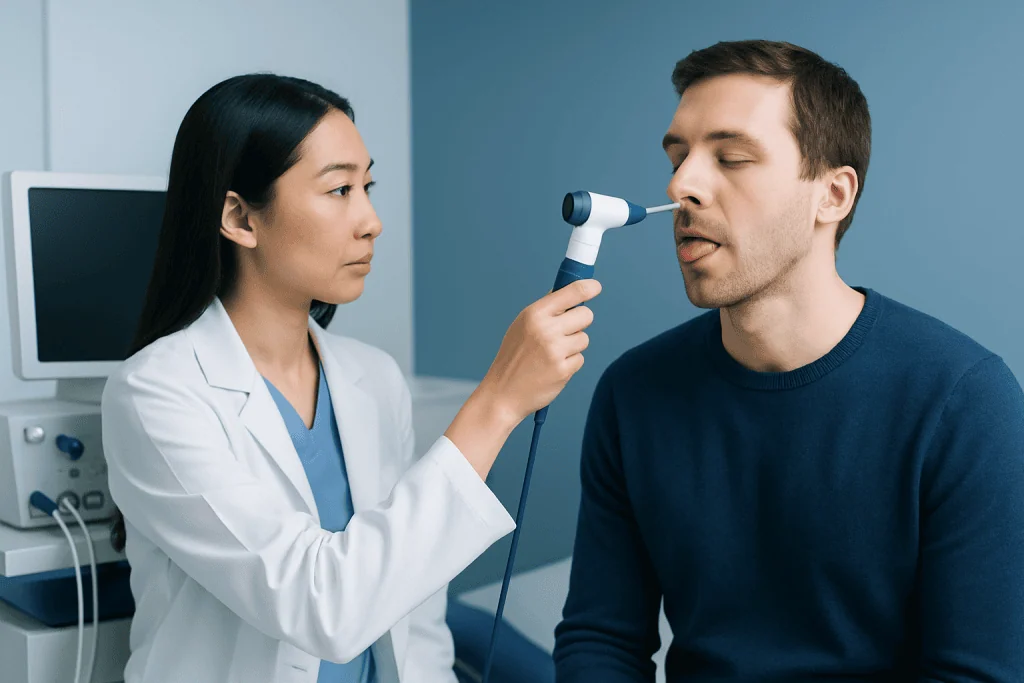
Taste receptor cells are mainly located in taste buds on the tongue, but they are also present in parts of the mouth and throat. These cells detect basic tastes and send signals through several cranial nerves to the brain. The brain then interprets the signals in combination with information from the nose and mouth.
When a person chews, aroma molecules travel from the back of the mouth into the nasal passages. This process, called retronasal smell, is why foods seem less flavorful when the nose is blocked. A person may still recognize sweetness in sugar or saltiness in a soup, while being unable to identify the food’s characteristic flavor.
Changes in smell and taste can therefore overlap but require different evaluation. Someone who can detect sugar, salt, lemon, or coffee as basic tastes but cannot recognize aromas may primarily have a smell problem. A clinician may ask practical questions or use formal smell and taste testing to help distinguish the two.
Common Causes and Risk Factors

Upper respiratory infections are among the most common causes of temporary taste changes. Colds, influenza, COVID-19, and other viral infections may affect the nasal lining, smell pathways, or taste perception. Allergic rhinitis, sinus inflammation, nasal polyps, and other causes of nasal blockage can also reduce flavor perception by limiting airflow to smell receptors.
Conditions inside the mouth may contribute. Dry mouth, gum disease, oral infections, poorly fitting dental appliances, tongue inflammation, and reduced saliva production can all interfere with taste. Smoking and frequent alcohol use may affect the mouth and smell system as well. Reduced taste can also become more common with aging, although a significant new change should not automatically be attributed to age.
Some medicines can alter taste as a side effect. Examples include certain antibiotics, antihistamines, blood pressure medicines, antidepressants, and medicines used in cancer treatment. A clinician should review all prescription medicines, over-the-counter products, and supplements before any changes are made. In some situations, zinc, vitamin B12, or other nutritional deficiencies may play a role, particularly when dietary intake is limited or absorption is impaired.
Less commonly, taste loss may follow head injury, ear or dental procedures, radiation treatment involving the head and neck, or neurological conditions that affect sensory pathways. Risk is also higher for people with chronic nasal disease, poor oral health, smoking exposure, or conditions that cause dry mouth.
What a Medical Assessment May Include
A healthcare professional will usually begin by asking when the symptom started, whether it was sudden or gradual, and whether it followed an infection, injury, dental procedure, new medicine, or change in nasal symptoms. It is helpful to describe whether food is completely tasteless, has less flavor, or tastes distorted. Associated symptoms such as loss of smell, congestion, facial pain, dry mouth, mouth sores, headache, numbness, or weakness are also important.
The examination may include the nose, sinuses, mouth, tongue, teeth, gums, ears, and nervous system. Depending on the findings, a clinician may recommend blood tests to look for nutritional deficiencies or other health issues, review current medicines, or arrange assessment by an ear, nose, and throat specialist. Formal smell or taste testing may be useful when symptoms are persistent or the cause is unclear.
Imaging is not needed for most temporary cases. It may be considered when there are concerning neurological symptoms, a significant head injury, a suspected structural nasal problem, or an unexplained persistent change. Evaluation is individualized, with the aim of finding a treatable cause while avoiding unnecessary tests.
Treatment Options and Recovery
There is no single treatment for loss of sensation of taste because management depends on the cause. When nasal congestion, allergies, or sinus inflammation are responsible, treating the underlying nasal condition may help restore normal flavor perception. A clinician may recommend appropriate allergy treatment, nasal care, or specialist evaluation for ongoing obstruction.
If a medicine is suspected, the prescribing clinician can assess whether the timing and pattern fit a medication side effect. It is important not to stop prescribed treatment without professional guidance. A change in medicine, dose, or timing may be considered only when it is clinically appropriate.
Dental treatment, management of oral infections, improved saliva support, and attention to oral hygiene can help where mouth health is contributing. Correcting a confirmed nutritional deficiency may also improve symptoms. If altered taste follows a viral illness and is linked to smell loss, smell training may be recommended by a clinician; this structured approach involves regular exposure to selected scents over time.
Recovery can be gradual. Some people notice improvement over days or weeks, while others recover more slowly, particularly after certain viral illnesses or nerve injury. For complex or persistent symptoms, coordinated assessment by primary care, dental, ENT, and neurology professionals may be useful. Acibadem International’s multidisciplinary specialists and JCI-accredited hospitals assess and treat taste and smell concerns for international patients when specialist care is needed.
Practical Self-Care and Food Safety
Good oral care can support comfort and taste perception. This includes brushing teeth and tongue gently, flossing or using interdental cleaning when appropriate, attending regular dental visits, and staying hydrated. People with dry mouth should discuss persistent symptoms with a clinician or dentist, especially if there are mouth sores, dental decay, or difficulty eating.
To make meals more appealing, people may focus on texture, color, temperature, and naturally aromatic ingredients if these are tolerated. Herbs, citrus, vinegar, and mild spices can add interest, but excessive salt or sugar should not be used to compensate for reduced taste. Anyone following a medical diet should continue to follow their clinician’s dietary advice.
Food safety deserves extra attention when smell or taste is reduced. Checking expiry dates, storage conditions, and food appearance is safer than relying on smell alone. Smoke alarms and gas detectors should be maintained, since an impaired sense of smell may make it harder to notice smoke or a gas leak.
- Avoid smoking and seek support to stop if needed.
- Do not start zinc or other supplements in high doses without medical advice.
- Keep a brief symptom record, including recent infections, medicines, nasal symptoms, and food changes.
When to Seek Medical Care
Medical advice is appropriate when loss of taste lasts longer than a few weeks, keeps returning, begins without an obvious explanation, or affects appetite, weight, hydration, or quality of life. A doctor should also assess a persistent metallic, bitter, or foul taste, particularly if it is accompanied by oral pain, dental problems, dry mouth, or nasal symptoms.
Urgent medical assessment is needed if taste loss occurs with sudden weakness or numbness on one side of the body, facial drooping, difficulty speaking, confusion, severe sudden headache, vision changes, or poor balance. These may be signs of a neurological emergency. Prompt care is also important after a significant head injury or when there is trouble breathing, swallowing, or maintaining hydration.
For children, older adults, and people receiving cancer treatment or taking multiple medicines, a change in taste may have a greater impact on nutrition. Early discussion with a qualified healthcare professional can help identify practical ways to maintain adequate food and fluid intake while the cause is being evaluated.
Frequently asked questions
Is loss of sensation of taste the same as loss of smell?
No. Taste detects basic qualities such as sweet, salty, sour, bitter, and savory, while smell detects aromas. Because smell is a major part of flavor, loss of smell often makes foods seem tasteless even when basic taste remains intact.
Can a cold cause loss of taste?
Yes. Colds and other respiratory infections can cause nasal congestion and inflammation that reduce smell and make food taste bland. Symptoms often improve as the infection and congestion resolve, although recovery may sometimes take longer.
Can medications cause an altered taste?
Yes. Some prescription medicines, over-the-counter products, and supplements can cause reduced or unusual taste as a side effect. A person should speak with the prescribing clinician before stopping or changing any medication.
How long does loss of taste usually last?
The duration depends on the cause. Taste changes from a blocked nose or minor infection may improve within days to weeks, while recovery after a viral illness, nerve injury, or certain treatments can take longer. Persistent symptoms should be reviewed by a healthcare professional.
Should someone take zinc for loss of taste?
Zinc can help only when a true zinc deficiency is contributing to the symptom. Taking unnecessary or high-dose zinc may cause side effects and can interfere with other nutrients, so supplementation should be guided by a clinician.
When is loss of taste an emergency?
It is an emergency when it occurs with possible stroke symptoms, such as facial drooping, one-sided weakness or numbness, speech difficulty, confusion, or sudden severe headache. Urgent care is also needed after serious head trauma or if there is trouble breathing or swallowing.
References
- National Institute on Deafness and Other Communication Disorders
- American Academy of Otolaryngology–Head and Neck Surgery
- Centers for Disease Control and Prevention
- National Health Service
- World Health Organization
This article is for general information only and is not a substitute for professional medical advice. Please consult a qualified doctor about your individual situation.
Explore treatments in Turkey — costs, top hospitals & a free quote
JCI-accredited · board-certified surgeons · reply within 24h
Check your numbers in seconds
BMI, calories, due date, blood pressure and 30+ more clinical calculators — free, instant, doctor-reviewed ranges.