Low creatinine levels Explained: Normal Ranges, High and Low Results, and When to Act

Low creatinine levels are often linked to lower muscle mass rather than a kidney problem. A single low result is not enough to diagnose a condition; symptoms, age, sex, body size, and other lab values matter.
Key Takeaways
- Low creatinine levels are often linked to lower muscle mass rather than a kidney problem.
- A single low result is not enough to diagnose a condition; symptoms, age, sex, body size, and other lab values matter.
- Common reasons include pregnancy, aging, malnutrition, muscle loss, and some chronic illnesses.
- Doctors may repeat the test or review kidney function, liver health, diet, and muscle status if the result is unexpected.
- Medical advice is important if low creatinine occurs with weakness, weight loss, swelling, jaundice, or other concerning symptoms.
Low creatinine levels usually are not a sign of kidney failure on their own. Most often, they relate to lower muscle mass, pregnancy, aging, poor nutrition, or certain long-term health conditions, and the result needs to be interpreted in context.
Overview: what low creatinine levels usually mean
Low creatinine levels usually mean the body is producing less creatinine than average, most often because there is less muscle mass. In many people, this is not dangerous by itself. A low result can be seen with healthy aging, smaller body size, pregnancy, or a temporary change in diet and hydration.
Creatinine is a waste product made when muscles use energy. The kidneys filter it out of the blood, which is why creatinine is commonly measured in blood and urine tests. Although high creatinine often raises concern about kidney function, low creatinine levels are different and usually point more toward body composition, nutrition, or an underlying health condition than to kidney damage itself.
The “normal” range can vary between laboratories and depends on factors such as age, sex, muscle mass, and the testing method used. For that reason, a low value should never be interpreted in isolation. Doctors look at the number together with estimated kidney function, medical history, medications, and symptoms.
How creatinine is measured and what counts as normal
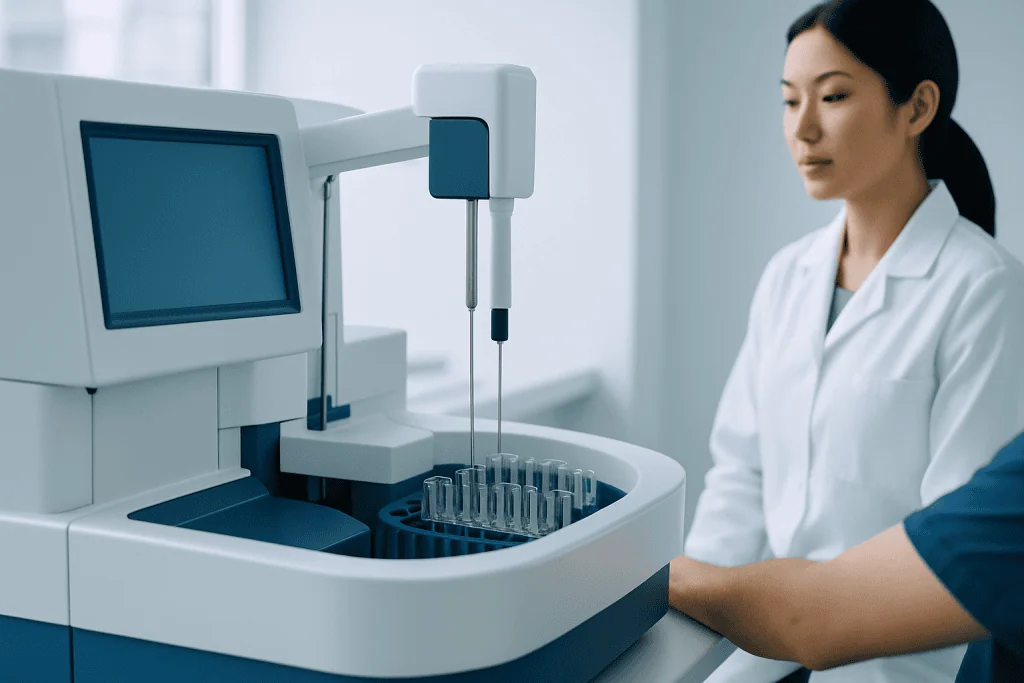
Creatinine is most often checked with a blood test, sometimes as part of a basic or comprehensive metabolic panel. It may also be measured in urine, especially when a clinician wants a fuller picture of kidney filtration or protein loss. The same creatinine value can mean different things in different people, so individual context matters.
In general, adults with greater muscle mass tend to have higher baseline creatinine, while children, older adults, and people with smaller body frames tend to have lower levels. Pregnancy can also lower measured creatinine because blood flow through the kidneys increases. Laboratories report a reference range, but that range is only a guide and not a diagnosis.
Doctors often review creatinine together with other markers, such as estimated glomerular filtration rate (eGFR), blood urea nitrogen, electrolytes, liver-related tests, and sometimes urine studies. If kidney disease is a concern, they may also evaluate for kidney failure or related kidney conditions rather than relying on one low creatinine result alone.
Common causes of low creatinine levels

The most common cause of low creatinine levels is reduced muscle mass. This may happen naturally with aging, after a period of inactivity, during recovery from illness, or in people who are very lean. Because creatinine comes from muscle metabolism, less muscle usually means less creatinine enters the bloodstream.
Other common causes include pregnancy, low protein intake, and malnutrition. Some people with long-term illnesses may develop muscle wasting, which can lower creatinine over time. Liver disease may also contribute because the liver helps produce creatine, the substance muscles later convert to creatinine. In some cases, fluid overload can dilute blood test results and make creatinine appear lower.
Less commonly, low creatinine levels may be seen with certain neuromuscular conditions or severe chronic disease. The result does not by itself identify the cause, which is why clinicians assess appetite, weight changes, exercise level, body composition, and overall health. If there are signs of muscle loss or weakness, the doctor may also consider evaluation through neurology care when appropriate.
- Healthy aging or small body size
- Pregnancy
- Low muscle mass or muscle loss
- Poor nutrition or low protein intake
- Chronic illness causing wasting
- Liver disease or fluid overload
Symptoms and what the test cannot tell on its own
Low creatinine levels themselves usually do not cause symptoms. Instead, any symptoms are usually related to the underlying reason for the result. For example, a person with low muscle mass may notice weakness, fatigue, or reduced exercise tolerance. Someone with poor nutrition may have unintentional weight loss, poor appetite, or slower recovery from illness.
If liver disease is contributing, symptoms may include abdominal swelling, jaundice, easy bruising, or persistent fatigue. If a chronic disease is leading to muscle wasting, there may be a gradual decline in strength or daily function. During pregnancy, a lower creatinine level can be a normal finding and often causes no symptoms at all.
It is also important to understand what a low creatinine result cannot do. It cannot, by itself, confirm kidney disease, rule out kidney disease, or diagnose a nutritional disorder. Because low muscle mass can make kidney function look better than it truly is on some calculations, clinicians may use additional tests when accuracy is important.
How doctors evaluate an unexpected low result
When low creatinine levels are unexpected, the first step is often to review the full clinical picture. A doctor may ask about recent illness, dietary intake, weight changes, pregnancy, exercise habits, medications, and any symptoms of weakness or chronic disease. They may also look at trends over time, since a stable low value can mean something very different from a sudden drop.
Depending on the situation, further testing may include a repeat blood test, urine testing, liver function tests, nutritional assessment, or imaging if another condition is suspected. If symptoms suggest kidney or urinary tract disease, more specialized evaluation may be needed, including urology evaluation or nephrology assessment where available and appropriate.
In selected cases, clinicians use other markers of kidney function, such as cystatin C, because creatinine-based estimates can be less reliable in people with very low muscle mass. The goal is not simply to “treat the number,” but to find out whether the value is normal for that person or a clue to a broader health issue.
Treatment and self-care: what happens next
There is no single treatment for low creatinine levels because the result itself is usually not the problem. Care focuses on the underlying cause. If the low level reflects normal pregnancy, older age, or naturally low muscle mass in an otherwise healthy person, no specific treatment may be needed beyond routine follow-up.
If poor nutrition or weight loss is contributing, a clinician may recommend improving overall calorie and protein intake, addressing digestive problems, or working with a dietitian. If illness-related muscle loss is present, supervised physical activity or rehabilitation may help rebuild strength. If liver, kidney, endocrine, or neurological disease is suspected, treatment is directed at that condition.
Self-care should remain balanced and safe. It is not advisable to start supplements or high-protein regimens without medical guidance, especially for people with kidney, liver, or metabolic conditions. A doctor can help decide whether lifestyle changes are enough or whether further evaluation is necessary.
When to seek medical care
A low creatinine result is worth discussing with a doctor if it is new, clearly below the laboratory range, or does not fit the person’s health history. Medical review is especially important when the result appears alongside fatigue, muscle weakness, unintentional weight loss, swelling, jaundice, poor appetite, or a major change in physical function.
People who are pregnant, older adults with frailty, and those living with chronic disease may benefit from closer interpretation of creatinine because standard formulas can be less precise in these groups. Anyone with known kidney or liver disease should also review abnormal results with their clinician rather than assuming the number is harmless.
Urgent care may be needed if there are severe symptoms such as confusion, shortness of breath, major swelling, very low urine output, or signs of serious illness. For international patients who need coordinated assessment, Acibadem International’s multidisciplinary specialists in JCI-accredited hospitals diagnose and treat kidney, liver, and metabolic conditions with individualized evaluation.
Frequently asked questions
Are low creatinine levels dangerous?
Usually, no. Low creatinine levels are often related to lower muscle mass, pregnancy, or body size rather than a serious medical emergency. The result becomes more important when it is new, unexplained, or accompanied by symptoms such as weakness, weight loss, or swelling.
Can low creatinine mean kidney disease?
Low creatinine does not usually point to kidney failure by itself. In fact, kidney problems more often cause creatinine to rise. However, very low muscle mass can make kidney function estimates less accurate, so a doctor may use additional tests if there is concern.
What is the normal creatinine range?
There is no single universal normal value for everyone. Reference ranges vary by laboratory and are influenced by age, sex, muscle mass, and pregnancy status. The best interpretation comes from a clinician who can compare the result with the person’s overall health and prior tests.
Can dehydration cause low creatinine levels?
Dehydration is more often associated with higher, not lower, creatinine levels because the blood becomes more concentrated. A low result is more likely to reflect low muscle mass, pregnancy, nutritional issues, or dilution from increased body fluids. Laboratory interpretation should always consider the wider clinical picture.
How can creatinine be increased if it is low?
The goal is not usually to raise the number itself, but to address the reason behind it. If low creatinine is due to poor nutrition or muscle loss, improving diet and strength under medical guidance may help. People should not start supplements or major diet changes without speaking to a qualified clinician first.
Should a low creatinine result be repeated?
It may be repeated if the result is unexpected, clearly outside the reference range, or does not match the person’s condition. Doctors often review trends over time because a stable low value may be normal for one person, while a sudden drop may need more evaluation. Repeat testing is especially useful when symptoms are present.
References
- National Kidney Foundation
- MedlinePlus
- National Institute of Diabetes and Digestive and Kidney Diseases
- Mayo Clinic
- American Association for Clinical Chemistry
This article is for general information only and is not a substitute for professional medical advice. Please consult a qualified doctor about your individual situation.
Explore treatments in Turkey — costs, top hospitals & a free quote
JCI-accredited · board-certified surgeons · reply within 24h
Add us as a Preferred Source to see more of our trusted health content across Google Search, AI Overviews and Discover.
Check your numbers in seconds
BMI, calories, due date, blood pressure and 30+ more clinical calculators — free, instant, doctor-reviewed ranges.