Lower Blood Sugar Fast: A Complete Medical Overview

The safest way to lower blood sugar fast depends on the blood glucose level, symptoms, and whether the person has diabetes. Insulin should only be used as prescribed; taking extra medication without guidance can be dangerous.
Key Takeaways
- The safest way to lower blood sugar fast depends on the blood glucose level, symptoms, and whether the person has diabetes.
- Insulin should only be used as prescribed; taking extra medication without guidance can be dangerous.
- Water, rest, and checking glucose and ketones may help guide next steps while avoiding dehydration.
- Exercise is not always appropriate, especially if blood sugar is very high or ketones are present.
- Emergency symptoms such as vomiting, confusion, trouble breathing, or severe weakness need urgent medical care.
To lower blood sugar fast, the safest first steps are to follow a clinician’s diabetes plan, drink water, and check for warning signs that need urgent medical care. Very high blood sugar can become dangerous, so quick action should be guided by symptoms, glucose readings, and whether the person uses insulin.
Overview: What to Do First
When someone wants to lower blood sugar fast, the safest immediate steps are usually to recheck the glucose level, drink water, and follow the treatment plan already given by a doctor. If insulin has been prescribed for high readings, it should be used exactly as directed. If the person has severe symptoms, ketones, or very high readings that are not improving, urgent medical care is important.
High blood sugar, also called hyperglycemia, can happen in people with diabetes and sometimes before diabetes is diagnosed. It may develop after missed medication, illness, stress, dehydration, or eating more carbohydrates than usual. The right response depends on the situation: mild elevation may be managed at home, while marked or persistent elevation can become a medical emergency.
This article focuses on safe, practical actions rather than quick fixes. It also explains when not to rely on home measures alone. For people living with diabetes, having a written sick-day or correction plan from a clinician is one of the best ways to respond confidently when blood sugar rises.
How High Blood Sugar Feels
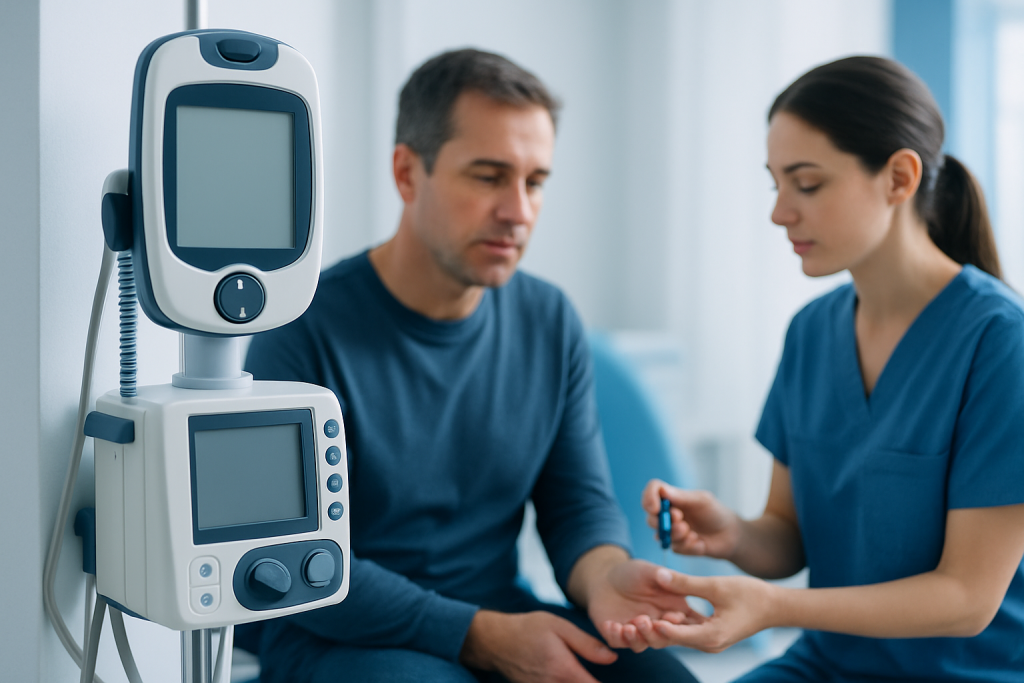
High blood sugar does not always cause obvious symptoms at first, especially if levels rise gradually. Common early symptoms include thirst, dry mouth, frequent urination, fatigue, blurred vision, and headache. Some people also notice trouble concentrating or feeling generally unwell.
As blood sugar rises further, symptoms can become more serious. Nausea, vomiting, abdominal pain, fruity-smelling breath, rapid breathing, severe weakness, drowsiness, or confusion may point to diabetic ketoacidosis or another urgent problem. These symptoms should not be managed with home remedies alone.
People who use glucose meters or continuous glucose monitors should interpret readings in context. A single high reading may improve with hydration and prescribed treatment, but repeated high readings or an upward trend deserve closer attention. If a device reading does not match how the person feels, checking again or confirming with a finger-stick test may be helpful.
Safe Ways to Lower Blood Sugar Fast

The fastest safe treatment for significantly high blood sugar is usually insulin, but only for people who have been prescribed it and know how to use a correction dose. Taking someone else’s insulin, guessing a dose, or doubling medication can cause dangerous low blood sugar. If there is no personal action plan, contacting a doctor or diabetes team is safer than improvising.
Drinking water can help because high blood sugar increases fluid loss through urination. Gentle hydration may support the body while treatment takes effect and may improve how a person feels if dehydration is mild. Sugary drinks should be avoided, and alcohol is not a treatment for high blood sugar.
Light physical activity can sometimes help lower glucose, but it is not always the right choice. Exercise should be avoided if blood sugar is very high, if the person feels sick, or if ketones are present, because activity may worsen the problem in that setting. A simple approach is to check the glucose level, review symptoms, and, when appropriate, follow advice from a diabetes clinician before being active.
- Recheck blood sugar to confirm the reading.
- Drink water unless a doctor has advised fluid restriction.
- Use prescribed insulin or medication exactly as instructed.
- Check urine or blood ketones if advised, especially during illness or very high readings.
- Do not exercise if ketones are positive or severe symptoms are present.
Why Blood Sugar Rises
Blood sugar may rise for many reasons, and understanding the cause helps prevent repeated episodes. Common triggers include missed medication, problems with insulin delivery, eating more carbohydrate than planned, emotional stress, infections, surgery, and poor sleep. Even medicines not used for diabetes, such as steroids, can raise glucose.
Illness is a frequent reason for sudden elevations. During infection or inflammation, the body releases stress hormones that push glucose higher. This is one reason a person may need more frequent monitoring during a cold, stomach bug, or other acute illness, even if they are eating less than usual.
Sometimes high blood sugar is the first clue to an underlying condition. In people with symptoms such as thirst, weight loss, frequent urination, or recurrent infections, a clinician may evaluate for diabetes or prediabetes. For people who need specialist assessment, hospitals may use tests and imaging as part of a broader medical check-up when symptoms are unclear.
Diagnosis and Monitoring
Doctors diagnose high blood sugar and diabetes using blood tests, symptoms, and medical history. Depending on the situation, this may include fasting blood glucose, HbA1c, random glucose testing, or an oral glucose tolerance test. If the person is unwell, additional tests may be needed to check hydration, electrolytes, kidney function, acid-base balance, and ketones.
At home, monitoring often starts with a finger-stick glucose meter or continuous glucose monitor. These tools help show whether blood sugar is briefly elevated or staying high despite treatment. A care team may recommend keeping a record of readings, meals, medications, exercise, and symptoms to identify patterns.
Some people also need ketone testing, especially those with type 1 diabetes, insulin deficiency, or illness-related high glucose. Positive ketones can be a warning sign that the body is not getting enough insulin. In that situation, prompt medical advice is important, and specialist care from endocrinology evaluation and treatment may help refine a long-term management plan.
Treatment Options and Long-Term Control
Treatment depends on the cause, severity, and whether diabetes has already been diagnosed. Some people improve with adjustments to meals, hydration, activity, and oral medicines, while others need insulin. In urgent cases, hospital treatment may include intravenous fluids, insulin, and careful correction of electrolyte imbalances.
Long-term control is just as important as lowering a single high reading. A clinician may review meal timing, carbohydrate intake, medication technique, injection sites, insulin storage, device function, sleep, stress, and other medical conditions. This reduces the chance that high blood sugar will keep returning.
Education plays a major role in treatment success. People often benefit from learning how to read food labels, recognize symptoms early, manage sick days, and understand when to test ketones. If high blood sugar is occurring repeatedly, a comprehensive plan that may include diabetes management support can help improve safety and day-to-day confidence.
Prevention and Self-Care
The best way to lower blood sugar fast is to prevent major spikes whenever possible. Regular medication use, planned meals, hydration, and routine monitoring help many people avoid abrupt rises. For those using insulin pumps or pens, checking supplies and technique can prevent problems caused by missed or inadequate dosing.
Healthy routines matter. Balanced meals, regular physical activity, sufficient sleep, and stress management can all support more stable glucose levels over time. During illness, many people need a separate sick-day plan that explains when to test more often, when to check ketones, and when to call for help.
It is also helpful to keep emergency information available. This may include a medication list, recent glucose trends, ketone strips if recommended, and contact details for the diabetes care team. Near the end of a care journey, some international patients choose centers such as Acibadem International, where multidisciplinary specialists in JCI-accredited hospitals diagnose and treat diabetes and related metabolic conditions.
When to Seek Medical Care
Medical care should be sought promptly if blood sugar stays high despite following the prescribed plan, or if the person cannot keep fluids down. Vomiting, abdominal pain, deep or rapid breathing, confusion, fainting, severe weakness, or signs of dehydration all need urgent evaluation. Positive ketones, especially with high glucose, are another reason to contact a clinician quickly.
People who are newly experiencing symptoms of high blood sugar should also be assessed, even if the symptoms seem mild. A doctor can determine whether this is temporary hyperglycemia, prediabetes, or diabetes and can look for causes such as infection or medication effects. Pregnant individuals, children, older adults, and people with kidney or heart disease may need earlier review because their risks can be different.
If there is chest pain, trouble breathing, severe drowsiness, or a person is difficult to wake, emergency services should be called. Fast action is reassuring, not excessive, because dangerously high blood sugar can worsen quickly. Early treatment often prevents complications and shortens recovery.
Frequently asked questions
What is the fastest safe way to lower blood sugar?
The fastest safe method is to follow the plan already prescribed by a clinician, which may include a correction dose of insulin for some people. Drinking water and rechecking the glucose level can also help guide next steps. If symptoms are severe or ketones are present, urgent medical care is safer than trying additional home remedies.
Can drinking water lower blood sugar quickly?
Water does not replace diabetes treatment, but it can support the body by helping with hydration when blood sugar is high. This may be useful because high glucose often causes increased urination and fluid loss. It is still important to monitor blood sugar and use prescribed treatment when needed.
Should a person exercise to bring blood sugar down fast?
Sometimes light activity can help, but it is not appropriate in every situation. Exercise should generally be avoided if the person feels ill, if blood sugar is very high, or if ketones are present. In those cases, activity may worsen the problem rather than improve it.
When is high blood sugar an emergency?
It becomes urgent when it is accompanied by vomiting, abdominal pain, confusion, severe weakness, rapid breathing, dehydration, or positive ketones. Very high readings that do not improve with the prescribed plan also need prompt medical attention. If a person is hard to wake, has trouble breathing, or seems severely unwell, emergency care is needed.
Can someone without diabetes have high blood sugar?
Yes. High blood sugar can happen during illness, severe stress, pregnancy, or with certain medications such as steroids. It can also be the first sign of prediabetes or diabetes, so new or repeated symptoms should be discussed with a doctor.
Is it safe to take extra diabetes medicine without medical advice?
No. Taking extra insulin or additional doses of other diabetes medicines without guidance can cause low blood sugar or other complications. It is safer to use only the plan prescribed by a clinician and seek advice if there is no plan in place.
References
- American Diabetes Association
- Centers for Disease Control and Prevention
- National Institute of Diabetes and Digestive and Kidney Diseases
- Mayo Clinic
- World Health Organization
This article is for general information only and is not a substitute for professional medical advice. Please consult a qualified doctor about your individual situation.
Explore treatments in Turkey — costs, top hospitals & a free quote
JCI-accredited · board-certified surgeons · reply within 24h
Add us as a Preferred Source to see more of our trusted health content across Google Search, AI Overviews and Discover.