Lymphatic Therapy: How It Works, Results and What to Expect

Lymphatic therapy uses very light, specific movements to direct fluid toward functioning lymph nodes and vessels. It is commonly included in treatment plans for lymphedema, often alongside compression, exercise and skin care.
Key Takeaways
- Lymphatic therapy uses very light, specific movements to direct fluid toward functioning lymph nodes and vessels.
- It is commonly included in treatment plans for lymphedema, often alongside compression, exercise and skin care.
- Results vary by the cause of swelling, the treatment plan and whether compression is used consistently.
- A qualified clinician should assess unexplained, sudden or one-sided swelling before lymphatic drainage is started.
- Fluid moved during treatment is processed by the body and ultimately leaves mainly through urine.
Lymphatic therapy is a group of clinical techniques, most commonly manual lymphatic drainage, designed to encourage movement of lymph fluid and help manage swelling caused by lymphatic system problems. It is not a detox treatment or a substitute for medical care; it is most useful when prescribed as part of a tailored plan for lymphedema or related swelling.
Lymphatic Therapy Overview
Lymphatic therapy refers to approaches that support the flow of lymph, a clear fluid that carries immune cells, proteins and waste products through a network of vessels and lymph nodes. In medical settings, the term often refers to manual lymphatic drainage (MLD): a gentle, specialized hands-on technique used to help manage swelling when the lymphatic system is damaged, overloaded or underdeveloped.
The main evidence-based use is within complete decongestive therapy for lymphedema. This may occur after lymph node surgery, radiation therapy, infection, trauma, cancer treatment or because of an inherited lymphatic condition. A therapist uses light skin-stretching movements in a planned sequence to encourage fluid to travel toward areas where lymph drainage is working more effectively.
Lymphatic therapy should not be presented as a general “detox” method. The liver, kidneys, lungs and digestive system already process and remove metabolic waste. For people with clinically meaningful swelling, however, properly delivered lymphatic treatment can be an important part of symptom management and self-care.
How Lymphatic Therapy Works
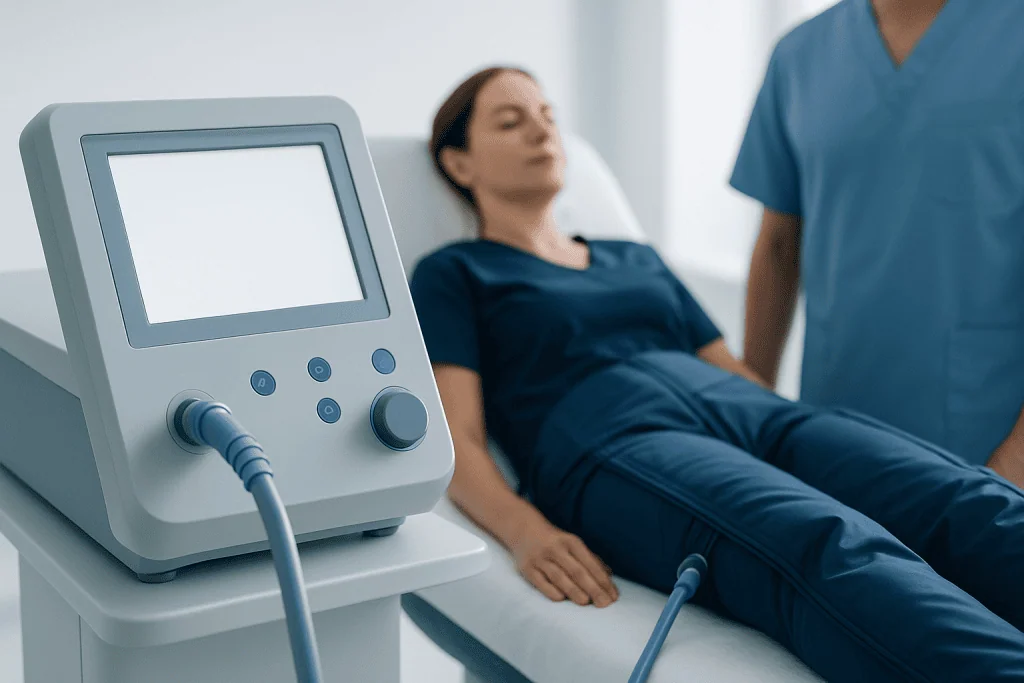
The lymphatic system normally returns fluid and proteins from body tissues to the bloodstream. When its transport capacity is reduced, fluid can build up beneath the skin. This may cause heaviness, tightness, reduced movement, discomfort, recurrent skin problems or visible enlargement of an arm, leg, trunk, face or genital area.
During manual lymphatic drainage, pressure is light because many lymphatic vessels lie close to the skin surface. The clinician generally begins by stimulating drainage pathways closer to the neck, trunk or unaffected body regions, then works gradually toward the swollen area. This helps guide fluid through available lymphatic routes rather than simply pressing deeply into swollen tissue.
For established lymphedema, MLD is usually not a stand-alone treatment. It is commonly paired with lymphedema treatment measures such as compression garments or bandaging, therapeutic exercise, meticulous skin care and education about long-term management. The best plan depends on the person’s diagnosis, severity, mobility, skin condition and medical history.
Who May Benefit and Who Needs Assessment First

Lymphatic therapy may be considered for people with diagnosed primary or secondary lymphedema, including swelling that develops after cancer surgery or radiotherapy. It may also be used by trained rehabilitation teams in selected postoperative situations, although the timing and method should be decided by the treating surgeon or physician.
A referral to a lymphedema therapist, physiotherapist or other qualified clinician is especially helpful when swelling is persistent, affects function, changes the fit of clothing or jewelry, or occurs after treatment involving lymph nodes. The clinician can measure the affected area, assess skin and tissue changes, identify contributing factors and recommend whether manual drainage, compression or another approach is appropriate.
Not all swelling is lymphatic. Heart, kidney, liver, venous and medication-related conditions can cause edema, and a blood clot can also cause limb swelling. Manual drainage may need to be postponed or avoided in some situations, including suspected deep vein thrombosis, acute infection such as cellulitis, uncontrolled heart failure, or certain active medical problems. Medical assessment should come first when the cause is unclear.
Related causes of chronic limb swelling may include varicose veins, which can contribute to venous insufficiency. A clinician can distinguish venous, lymphatic and other causes so that treatment addresses the underlying problem.
What Happens During a Lymphatic Therapy Session
Before treatment, the therapist reviews symptoms, health conditions, surgery or cancer-treatment history, medicines, skin integrity and any compression plan. They may take limb measurements, assess range of motion and ask about changes in weight, activity, pain and infections. The initial visit may be longer because education and assessment are important parts of care.
For manual lymphatic drainage, the person is positioned comfortably, with the treatment area appropriately exposed while privacy is maintained. The therapist applies slow, rhythmic, gentle movements to the skin in a specific order. Treatment is generally not painful and should not leave deep bruising. The exact areas treated depend on the location of swelling and the individual’s functioning drainage pathways.
Afterward, compression bandaging or a garment may be applied when indicated. The therapist may also teach breathing exercises, gentle movement, skin care and simple self-drainage techniques. People should only perform self-treatment in the way and frequency recommended by a trained professional, particularly after cancer treatment or surgery.
Sessions may be scheduled more frequently during an intensive reduction phase and less often during maintenance, but there is no single schedule that suits everyone. Progress is reviewed through symptoms, measurements, skin condition, function and the person’s ability to maintain the plan at home.
How Long After Taking Lymphatic Drainage Do You See Results?
Some people notice a temporary feeling of lightness, less tightness or improved comfort after one session. When swelling is mild and responsive, visible change may also occur relatively quickly. However, meaningful reduction in chronic lymphedema usually develops over several sessions and is most likely when manual drainage is combined with properly fitted compression and regular self-care.
Results depend on why swelling developed, how long it has been present, the amount of fibrosis or tissue thickening, the body area involved and whether the treatment plan can be followed consistently. A therapist may use repeat circumference or volume measurements rather than appearance alone to track changes over time.
Manual drainage does not permanently repair damaged lymph vessels. The goal is to improve fluid management, comfort, function and skin health, then maintain gains with an individualized long-term program. If swelling rapidly worsens or does not respond as expected, the medical team should reassess the diagnosis and treatment plan.
How Will I Know if Lymphatic Drainage Is Working?
Signs that a treatment plan may be helping include less heaviness or tightness, improved movement, softer skin or tissue, reduced limb measurements, easier use of clothing or compression garments, and improved ability to complete daily activities. These changes may be gradual and can fluctuate with weather, activity, travel, infections and compression use.
A single treatment session is not a reliable test of effectiveness. For lymphedema, clinicians look for trends over time using physical examination, measurements, symptom reports and functional goals. They also check that compression is fitted correctly and that skin care and activity recommendations are practical for the individual.
Feeling relaxed, thirsty or needing to urinate later is sometimes reported, but these experiences alone do not confirm that lymphatic drainage has treated swelling. New pain, redness, warmth, fever, shortness of breath or sudden increase in swelling are not expected benefits and require prompt medical advice.
What Happens to Your Body When You Start Lymphatic Drainage?
In a medically appropriate session, gentle movements encourage lymph fluid in superficial vessels to move toward lymph nodes and circulation pathways that can handle it. The body then regulates this fluid through its normal circulatory and excretory processes. People may feel calmer because treatment is slow and non-invasive, and the affected area may feel less tense.
For people with lymphedema, treatment may improve tissue softness and make compression more comfortable or effective. Regular movement and diaphragmatic breathing are often recommended because muscle activity and breathing naturally help support lymph flow. These measures should be adapted for any surgical restrictions, mobility limitations or heart and lung conditions.
Temporary mild fatigue can occur, particularly after a first session or during a more intensive program. Significant pain, dizziness, worsening swelling, skin changes or feeling unwell should be reported to the therapist or doctor rather than treated as a normal adjustment response.
How Does Lymphatic Drainage Come Out? Risks and When to Seek Medical Care
Lymph fluid moved during therapy does not “come out” through the skin or as a separate substance. It is returned to the bloodstream through the lymphatic system, and the kidneys help regulate body fluid balance. As a result, some people may notice more frequent urination, but this is variable and should not be used as a measure of treatment success.
When performed by a trained clinician after appropriate assessment, manual lymphatic drainage is generally gentle and well tolerated. Possible short-term effects include temporary tiredness, mild tenderness or changes in the feeling of tissue. It should not cause forceful pain, substantial bruising or worsening swelling. Deep, vigorous massage is different from MLD and may not be suitable for an affected limb.
Medical care should be sought promptly for sudden one-sided leg or arm swelling, new chest pain, breathlessness, fever, red or hot skin, rapidly increasing pain, or drainage from a wound. These symptoms can indicate conditions that need urgent assessment, such as infection or a blood clot. Anyone with persistent unexplained swelling should arrange a medical evaluation before booking lymphatic therapy.
Acibadem International’s multidisciplinary specialists and JCI-accredited hospitals assess swelling and provide coordinated rehabilitation care for international patients when lymphatic therapy is clinically appropriate.
Frequently asked questions
Is lymphatic therapy the same as a regular massage?
No. Manual lymphatic drainage uses very light, structured movements intended to support lymph flow, while regular massage often uses deeper pressure to relax muscles and soft tissues. A therapist trained in lymphedema care can determine whether manual drainage is appropriate and adapt it to the person’s medical needs.
How long after taking lymphatic drainage do you see results?
Some people feel less tightness or heaviness after a session, but visible changes may take several sessions. For chronic lymphedema, sustained improvement usually depends on combining therapy with compression, exercise, skin care and ongoing self-management.
How will I know if lymphatic drainage is working?
Improvement may include reduced tightness, softer tissue, better mobility, less discomfort and lower limb measurements over time. A clinician should monitor progress because day-to-day appearance or urination alone does not reliably show whether treatment is effective.
What happens to your body when you start lymphatic drainage?
Gentle treatment supports the movement of fluid through available lymphatic pathways and back toward the bloodstream. Some people feel relaxed or notice less pressure in the affected area, while others may have mild temporary fatigue. Concerning symptoms such as pain, fever, redness or sudden worsening swelling require medical advice.
How does lymphatic drainage come out?
Lymph fluid is returned to circulation and body fluid balance is regulated primarily through the kidneys, so it ultimately leaves mainly in urine. It does not leave the body as visible toxins or through sweating after a session. Increased urination may happen for some people but is not required for therapy to work.
Can lymphatic therapy cure lymphedema?
Lymphedema is usually a long-term condition, and lymphatic therapy does not cure damaged lymphatic vessels. It can help control swelling, improve comfort and function, and reduce the risk of skin complications when it is part of a personalized long-term management plan.
References
- International Society of Lymphology
- National Cancer Institute
- National Health Service
- American Cancer Society
- Lymphatic Education & Research Network
This article is for general information only and is not a substitute for professional medical advice. Please consult a qualified doctor about your individual situation.
Oncology care in Turkey — second opinion and treatment plan
JCI-accredited · board-certified surgeons · reply within 24h
Add us as a Preferred Source to see more of our trusted health content across Google Search, AI Overviews and Discover.