Lymphatic Vessels Function: A Complete Medical Overview
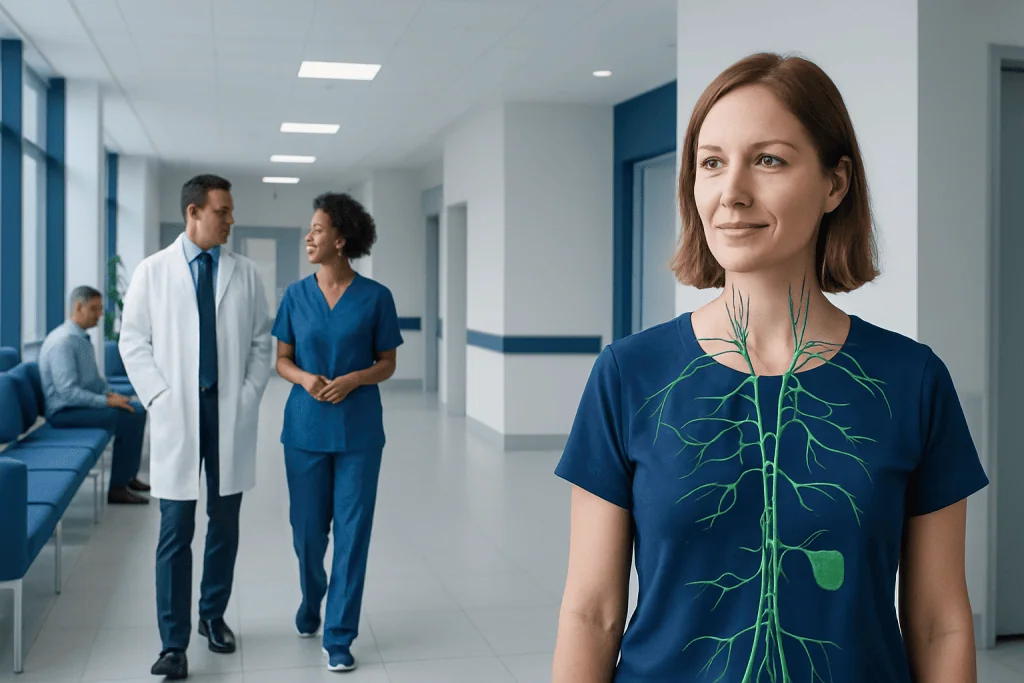
Lymphatic vessels prevent excess fluid from building up in body tissues. They carry lymph, a clear fluid containing immune cells, proteins, fats, and cellular waste.
Key Takeaways
- Lymphatic vessels prevent excess fluid from building up in body tissues.
- They carry lymph, a clear fluid containing immune cells, proteins, fats, and cellular waste.
- Lymph nodes along lymphatic pathways help detect and respond to infections and abnormal cells.
- Movement, muscle contraction, breathing, and vessel valves help lymph travel through the body.
- Damage or blockage of lymphatic vessels can contribute to lymphedema.
Lymphatic vessels function as a one-way transport network that collects excess fluid from tissues, filters it through lymph nodes, and returns it to the bloodstream. They also support immune surveillance and help transport certain dietary fats from the intestine.
Overview: What Do Lymphatic Vessels Do?
Lymphatic vessels function by collecting extra fluid, proteins, and waste products that naturally leave the smallest blood vessels and enter surrounding tissues. This fluid, called lymph, is carried through a network of thin-walled vessels and eventually returned to the bloodstream. Without this system, fluid would gradually accumulate in tissues.
The lymphatic system works alongside the circulatory and immune systems. As lymph moves through the body, it passes through lymph nodes, where immune cells can identify and respond to germs, damaged cells, or other foreign material. Lymphatic vessels also have an important digestive role: specialized vessels in the small intestine absorb some fats and fat-soluble vitamins after meals.
Unlike blood circulation, which is driven by the heart, lymphatic circulation has no central pump. Instead, lymph moves forward through one-way valves with help from skeletal muscle activity, breathing movements, pulsation of nearby arteries, and gentle contraction of the vessel walls.
How Lymphatic Vessels Are Structured
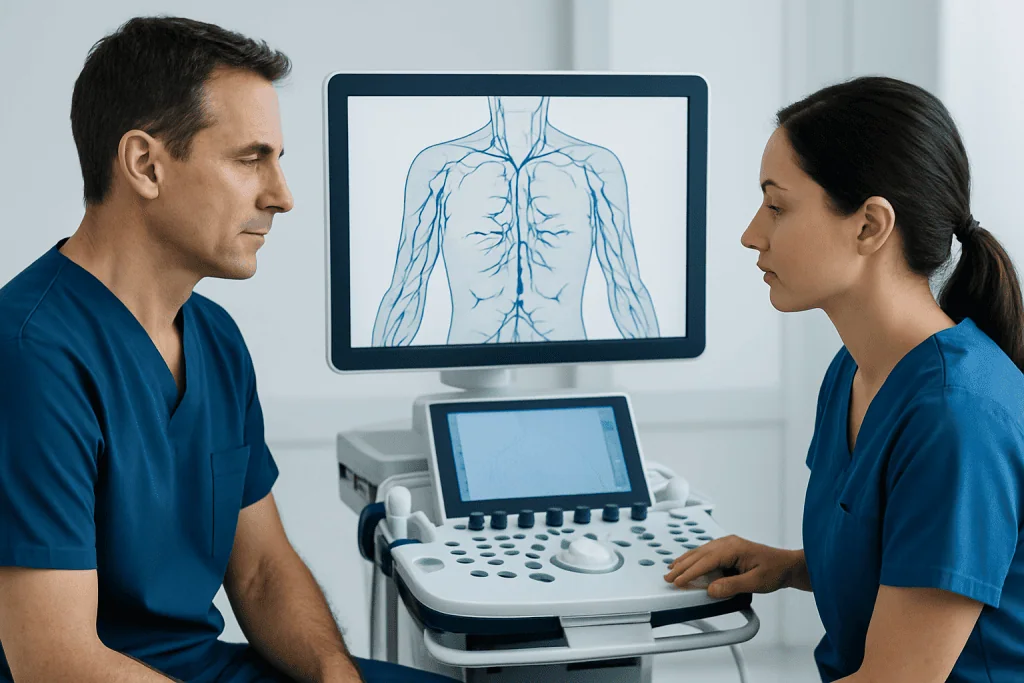
The lymphatic network begins with tiny, blind-ended lymphatic capillaries located in many tissues. Their walls are especially permeable, allowing fluid, proteins, immune cells, and larger particles that cannot easily re-enter blood capillaries to enter. These small channels join together to form progressively larger lymphatic vessels.
Larger vessels resemble small veins in some ways, but they contain numerous internal valves. The valves divide the vessels into segments and prevent backward flow, helping lymph move in one direction. Lymph from most of the body drains into the thoracic duct, while lymph from the right upper part of the body drains into the right lymphatic duct. Both empty into large veins near the collarbones.
Lymph nodes are positioned along many of these pathways, particularly in the neck, armpits, chest, abdomen, pelvis, and groin. They are not simply “filters”; they are active immune organs where lymphocytes and other immune cells examine material carried in lymph.
Fluid Balance, Immune Defense, and Fat Transport
One of the central lymphatic vessels functions is maintaining fluid balance. Blood capillaries continuously exchange fluid with surrounding tissues. Most of this fluid is reabsorbed directly into the bloodstream, but some remains behind. Lymphatic vessels collect the remaining fluid and proteins, preventing persistent tissue swelling and helping maintain normal blood volume.
The system also contributes to immune defense. Lymph can carry bacteria, viruses, antigens, and abnormal cells from tissues to nearby lymph nodes. In the nodes, immune cells may recognize these substances and coordinate an immune response. This is one reason lymph nodes may become enlarged or tender during some infections.
In the small intestine, lymphatic capillaries called lacteals absorb dietary fats and fat-soluble vitamins, including vitamins A, D, E, and K. The fat-rich lymph from the intestines is called chyle. It travels through lymphatic vessels before reaching the bloodstream, where these nutrients can be used or stored by the body.
- Fluid return: removes excess tissue fluid and proteins.
- Immune monitoring: transports immune cells and material for assessment in lymph nodes.
- Nutrient transport: carries absorbed fats from the digestive tract.
- Waste clearance: helps remove cellular debris and inflammatory fluid from tissues.
What Keeps Lymph Moving?
Lymph flows at a much lower pressure than blood. Since there is no lymphatic equivalent of the heart, the body relies on several coordinated mechanisms to move it forward. When muscles in the legs, arms, and trunk contract during walking and other everyday activities, they gently compress nearby lymphatic vessels and help propel lymph toward the chest.
Deep breathing also supports lymph flow. Pressure changes in the chest and abdomen during inhalation and exhalation can encourage lymph to move upward. In addition, larger lymphatic vessels have smooth muscle in their walls that can rhythmically contract, while valves prevent lymph from slipping backward between contractions.
Long periods of immobility can reduce this natural pumping effect and may contribute to temporary swelling, particularly in the feet and ankles. This does not necessarily indicate a lymphatic disorder, but new, persistent, or one-sided swelling should be assessed by a qualified clinician.
Conditions That Can Affect Lymphatic Vessels
Lymphatic vessels may be affected by congenital differences, injury, surgery, radiation therapy, infection, inflammation, cancer, or scarring. When lymph transport is reduced or blocked, protein-rich fluid can build up in tissues. This condition is called lymphedema and most often affects an arm or leg, although it can involve other areas.
Some people are born with a lymphatic system that does not develop fully, known as primary lymphedema. Secondary lymphedema develops because of another condition or treatment. For example, lymph node removal or radiation treatment may affect drainage in a nearby limb. Learn more about lymphedema.
Swollen lymph nodes are common during viral and bacterial illnesses and often settle as the illness improves. However, lymph node enlargement has many possible causes, so persistent, growing, hard, fixed, or unexplained nodes should be evaluated rather than self-diagnosed. In rare cases, cancers can arise in or spread through lymphatic tissues, requiring specialist assessment and individualized care.
How Lymphatic Problems Are Evaluated and Treated
Healthcare professionals begin with a medical history and physical examination. They may ask when swelling began, whether it changes during the day, whether there has been surgery, injury, infection, travel, or cancer treatment, and whether symptoms such as pain, skin changes, fever, or weight loss are present. They also assess both sides of the body and examine lymph node areas.
Depending on the concern, evaluation may include blood tests, ultrasound, CT, MRI, or specialized lymphatic imaging. These tests can help distinguish lymphatic swelling from other causes of edema, such as vein problems, heart conditions, kidney disease, medication effects, or inflammation. The chosen tests depend on the individual situation.
Treatment addresses the underlying cause and aims to improve comfort, function, and skin health. For lymphedema, care may include professionally fitted compression garments, exercise, skin care, manual lymphatic drainage performed by trained practitioners, and specialized rehabilitation. Some people may be considered for lymphedema treatment procedures when conservative approaches are not sufficient.
Supporting Healthy Lymphatic Circulation
Everyday habits can support normal lymph movement, especially regular physical activity. Walking, swimming, cycling, stretching, and strength exercises activate muscles and may assist lymph flow. The most suitable activity depends on a person’s health, mobility, treatment history, and any existing swelling, so individualized advice is valuable after surgery or cancer treatment.
Good skin care is particularly important for people at risk of lymphedema. Keeping skin clean and moisturized, treating cuts promptly, and seeking medical advice for signs of infection can help protect the affected area. Compression garments should be selected and used with guidance from a clinician or certified lymphedema therapist.
There is no evidence that detox cleanses, supplements, or vigorous massage are necessary to “clean” a healthy lymphatic system. The liver, kidneys, lungs, skin, immune system, blood vessels, and lymphatic system all contribute to normal waste processing. Persistent swelling should not be managed solely with home remedies.
When to Seek Medical Care
Medical advice is appropriate for new swelling that lasts, worsens, occurs on one side of the body, or limits normal movement. A clinician should also assess recurrent swelling, skin thickening, a feeling of heaviness or tightness, fluid leakage from the skin, or swelling that begins after lymph node surgery, radiation therapy, injury, or cancer treatment.
Urgent assessment is important for sudden swelling of one leg or arm, especially when accompanied by pain, warmth, redness, shortness of breath, chest pain, fever, or feeling unwell. These symptoms can have causes other than lymphatic dysfunction and may require prompt evaluation.
For international patients, Acibadem International’s multidisciplinary specialists and JCI-accredited hospitals can assess lymphatic concerns and coordinate appropriate treatment planning. A healthcare professional can help identify the cause of symptoms and recommend care tailored to the individual.
Frequently asked questions
What is the main function of lymphatic vessels?
The main function of lymphatic vessels is to collect excess fluid and proteins from body tissues and return them to the bloodstream. They also transport immune cells and carry absorbed dietary fats from the small intestine.
Are lymphatic vessels the same as blood vessels?
No. Blood vessels circulate blood in a closed loop driven by the heart, while lymphatic vessels carry lymph in one direction back toward the bloodstream. Lymphatic vessels also have a distinct role in immune surveillance and fat absorption.
Why do lymph nodes swell during an infection?
Lymph nodes may swell when immune cells inside them are actively responding to an infection or inflammation. This is often temporary, but persistent or unexplained enlargement should be discussed with a doctor.
Can exercise improve lymphatic flow?
Regular movement can support lymph flow because muscle contractions help move lymph through vessels. Exercise should be chosen according to a person’s overall health and may need adjustment for those with lymphedema or after surgery.
What does lymphedema feel like?
Lymphedema may cause swelling, heaviness, tightness, reduced flexibility, or changes in how clothing or jewelry fits. Early symptoms can be subtle, so new or persistent swelling should be evaluated by a healthcare professional.
Can lymphatic vessels repair themselves after damage?
The ability of lymphatic vessels to recover depends on the cause and extent of damage. Some function may improve over time, while other cases need ongoing measures such as compression, exercise, skin care, or specialist treatment.
References
- National Cancer Institute
- National Heart, Lung, and Blood Institute
- International Society of Lymphology
- Cleveland Clinic
- Merck Manual Consumer Version
This article is for general information only and is not a substitute for professional medical advice. Please consult a qualified doctor about your individual situation.
Persistent digestive symptoms? Get evaluated in Turkey
JCI-accredited · board-certified surgeons · reply within 24h
Add us as a Preferred Source to see more of our trusted health content across Google Search, AI Overviews and Discover.